
注目
Oracle (ORCL): データベース大手、Stargate、DeepSeek

 Securities.io を Google の優先ソースに追加

クラウドの背骨
テック業界では、時価総額が半兆ドルに達する企業は明らかに何か正しいことをやっていると言えます。同じ企業が米国のAI開発を促進するために半兆ドルの資金配分を管理する責任を任された場合、確固たる実績と影響力を持っていることが明らかです。それでも、多くの非技術系専門家は、ここで取り上げるOracleが正確に何をしているのかを説明するのは難しいでしょう。
ORCL 価格チャート
これは、Oracleが主にITインフラ企業であり、大手企業と協力してクラウドシステム向けのツール(販売、在庫管理、サプライチェーン、人事など)を構築しているためです。
そのため、数千万人のオフィス労働者がOracle製品を使用していても、背後にある会社を知らないことが多く、社内で使用されているソフトウェアだけが見えます。
それでも、OracleはクラウドシステムやほとんどのAI導入を含む、ほぼすべてのITインフラの中心に位置しています。
Oracle概要
歴史
Oracleは1977年にラリー・エリソン、ボブ・マイナー、エド・オーツによって設立され、初期のコンピューティングシステムである「リレーショナルデータベース管理システム(RDBMS)」を販売しました。
1983年にOracle Version 3がリリースされ、SQLをサポートする商用利用可能な最初のRDBMSとなりました。SQLは現在でも大規模データベースを扱う主要なプログラミング言語です。
年月を経て、ITの企業における役割が拡大する中でOracleは成長し、世界のデータベースの大部分の重要な構成要素となりました。Fortune 100社の94%がOracleを使用しています。
Oracleの顧客には、特にテック企業、研究開発主導の企業、大手製造企業など、数多くの大企業が含まれます。

2024年、Oracleの事業は特にクラウドインフラ収益が前年同期比51%増、年間支出が500万ドル以上の顧客が42%増加するなど、急成長したと言えます。
Oracleの数字
Oracleは従業員数が16万人以上の大企業で、そのうち18,000人が顧客サポート、29,000人がコンサルティングの専門家です。
2024年の売上は530億ドルで、2012年以降の研究開発費は800億ドルに上ります。売上は2026年に660億ドル超、2029年に1,040億ドル超になると予測され、2024〜2029年の期間で1株当たり利益は年平均20%以上の成長が見込まれています。
同社は過去10年間、配当を着実に増やし続けています。

Oracleインフラストラクチャ
OracleのITインフラは、データベース管理ソフトウェアを展開するための2つの中心戦略に基づいて構築されています。
第一の戦略は、ほぼすべての既存クラウドプロバイダーと提携し、Oracle製品をそれらのハードウェアやサーバーに容易に展開できるようにすることです。これにはAmazonのAWS、MicrosoftのAzure、GoogleのCloudが含まれます。

第二の戦略は、他のテック企業に遅れを取らないように独自の大規模クラウドインフラを構築し、地理的多様性を高めて迅速かつローカライズされたデータ保存を実現することです。2016年にはサービス5件、顧客1,000件だった同社は、2024年にはサービス192件、顧客25,000件に拡大しました。

その戦略における重要な最近の展開は、3大テック企業とのマルチクラウドパートナーシップで、最終顧客はOracle Cloud Infrastructure(OCI)上で稼働し、AWS、Google Cloud、Microsoft Azureのデータセンターに展開されたOracle Databaseサービスに直接アクセスできるようになります。

同社は2025年に150億ドルの大規模資本支出を通じてクラウド容量の拡大を継続する計画です。

Oracle製品
Oracleの製品とサービスは、社内で開発されたソリューション(特にデータベース)と買収した製品の混合です。
データベース
データベース管理とRDBMSのパイオニアとして、Oracleは競合他社に対して先行し、40年後もそれを維持しています。
これは、業界を前進させるための継続的な開発により実現され、例えばdbForge Studioなどの人気サードパーティツールが含まれます。
これにより、Oracleのユーザーはさまざまな業界や組織向けに、効率的なデータ保存、取得、分析を可能にする幅広いデータベース製品を利用できます。
クラウド
クラウド部門は、他社のクラウド上にインストールされたソフトウェアを単にライセンス提供するのとは対照的に、クラウドコンピューティングとホスティングサービスを指します。
これには、IaaS(Infrastructure as a Service)およびPaaS(Platform as a Service)が含まれ、SaaS(Software as a Service)は他のカテゴリに含まれます。
2023年、クラウドサービスはOracle全体の売上の13%を占めました。このセグメントは2024年に急成長し、前年同期比51%の伸びを示しました。
長期的には、急速に成長する市場であり、同社のクラウドサービスに対する評価が比類なきものであるため、Oracleの収益成長の主要な原動力になる可能性があります。
ただし、Oracleがこのセグメントで過度に成功すると、最近確立された3大プロバイダー(Amazon 、Microsoft、Google)とのマルチクラウドパートナーシップの一部が危険にさらされる可能性があります。

ERP: NetSuite
2016年にOracleが買収したNetSuiteは、財務、人事、製造、サプライチェーン、販売、調達を統合した一貫した統合型クラウドERP(Enterprise Resource Planning)ソフトウェアで、業界トップの位置付けです。
 出典: NetSuite
2011年以降、IPOを実施したテック企業の62%がNetSuiteの顧客であり、Forces Cloud 100リストの83%がNetSuiteの顧客です。
NetSuiteは多数のサードパーティ開発者と提携し、コア機能に加えて保守計画管理ツールなどの付加価値を提供する独立したビジネスを開発できるプラットフォームとしてERPを位置付けています。

NetSuiteはOracleにとって最も重要なソフトウェアの一つであり、特定のエンタープライズ活動における他の提供製品を結びつける要となります。例えば、以下を統合します:
- NetSuite Cloud Accounting Software、会計、税務コンプライアンス、キャッシュフロー管理など。
- NetSuite Global Business Management、27言語と190通貨で多数の子会社、国、支店などを管理。
- NetSuite SuitePeople Human Resource Management System (HRMS)、すべての人事管理と給与計算。
- NetSuite Professional Services Automation (PSA)、請求、予測、予算編成などの自動化。
- NetSuite Commerce、オンライン・店舗販売、注文、在庫管理。
- NetSuite Analytics & Reporting BI Tools、ビジネスの主要指標の分析とレポート作成。
- NetSuite Customer Relationship Management (CRM)、見込み客、リード、既存顧客の管理。
これらのサービスはモジュール単位で販売され、個別にサブスクライブ可能です。そのため、eコマースを追加したい企業は、既存のNetSuite ERPに対応するNetSuite Commerceモジュールを追加できます。
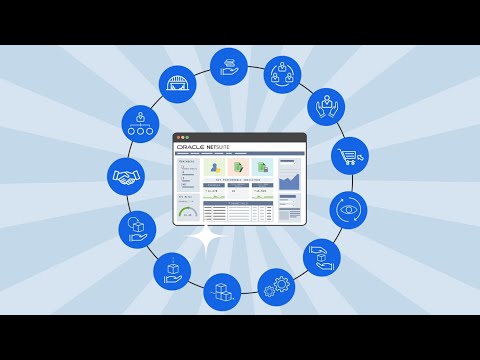
NetSuiteのサービスは月額約1,500ドル(Starter Edition)から始まり、機能やユーザーアカウントが増えるにつれて価格も上昇します。
通常、企業は既にシステムを導入しているため、NetSuiteは新規企業向けにカスタム統合を提供し、価格はビジネス規模、複雑性、選択したモジュールに応じて9,000ユーロから230,000ユーロまでです。
ERPセグメントでのOracle最大の競合はドイツのSAPであり、特に中小企業やオンプレミスERPで強い存在感があります。一方、Oracleは大企業とクラウドベースのソリューションに重点を置いています。Intuit (INTU ) もクラウドERP市場で大きな存在感を持っています。
CRM
CRM(顧客関係管理)はNetSuiteの提供範囲の一部ですが、このセグメントのリーダーはSalesforce (CRM ) であり、続いてOracleよりも大きなシェアを持つ多数の競合が存在します。

そのため、多くの場合、企業はOracle以外のCRMソリューションを使用し、NetSuiteを含む自社ERPへのカスタム統合に費用を支払っています。
業界別ソフトウェア
データベース、クラウド、ERPシステムはほぼすべての業界に適用可能ですが、Oracleは特にいくつかのセグメントで、主に小規模競合やサービスプロバイダーの買収を通じて顕著な進展を遂げています。
Cerner / Oracle Health
2022年にCernerを買収したことで、Oracleはデジタルヘルス分野で急速に拡大しました。
現在、Oracleは世界最大規模の電子健康記録(HER)システムを担当しており、米国、欧州、アジア太平洋地域の950万人以上の受益者にサービスを提供しています。
また、予測的かつ実用的な健康インサイトを提供する収益サイクル管理(RCM)分野で最大手です。
この活動は公的・私的医療、ライフサイエンス研究、政府系医療機関を網羅しています。
同社は2024年6月にAI搭載の臨床エージェントを導入しました。会話ベースで数分でノートを生成し、診察中に重要データへ迅速にアクセスできるOracle Clinical Digital Assistantを提供します。
“診療者は20〜35%以上の時間を管理業務に費やしています。
Oracle Clinical Digital Assistantは、私のキャリアで見る最も重要なEHR技術のアップデートです。1990年代以降、EHRは医師をキーボード中毒に変えてきましたが、これが変わります。
POS(販売時点情報管理)
このセグメントは、2014年のMICROS Systemsの買収、2021年のFarAppとGloriaFoodの買収により強化されました。
POSシステムはOracle Symphonyによってレストラン、ホテル、リゾート、カジノ、スタジアム、アリーナ、クルーズ船、駅、小売店で利用可能です。
これにはオンライン注文・配達、リアルタイムのテーブル管理、ギフト・ロイヤリティプログラム、在庫、従業員、メニュー、レポート・分析のソリューションが含まれます。
ユーティリティ
2020年にLiveData Utilitiesを買収し、Oracleは電力・水道ユーティリティ分野での既存事業を拡大しました。
同社は「主要なオペレーショナルテクノロジー(OT)ミドルウェアソリューションとSCADA機能を提供し、ユーティリティ機器の監視・制御を行いながら、リアルタイムシステムの複雑さを削減」しています。
このレベルのデータ統合はスマートグリッドの展開や、より多くの接続された監視機器・IoTシステムにとって重要です。
防衛・インテリジェンス
Oracleは戦略的・重要なアプリケーション向けにデータベース専用ソリューションを提供し、軍事システムなど高いセキュリティと堅牢性、孤立動作が求められる領域にも対応しています。
(SAP )そして、45年以上にわたる認証や機密レベルへの対応経験があります。
同社は商用サービスと同等の価格で提供しており、防衛関連の入札で高価な競合他社に対して有利に入札できています。
Project Stargate & AI
Oracleが新たに発表されたトランプ政権のAI推進の最前線に立つのは、膨大な規模と経験、そして軍事情報システムへの参入が組み合わさった結果かもしれません。
「Project Stargate」はデータセンター構築のための5,000億ドル規模のイニシアチブで、米大統領によれば「史上最大のAIインフラプロジェクト」になるとされています。
この発表は、トランプ大統領、Oracle創業者ラリー・エリソン、ソフトバンクの孫正義、OpenAIのサム・アルトマンが米大統領側に立って行われました。

エリソンは、データセンターはすでに建設中で、現在までに10拠点が建設され、合計で20拠点が計画されており、10万人の雇用創出が見込まれると指摘しました。
“Metaと合意し、MetaがOracleのAI Cloud Infrastructureを利用し、MetaのLlamaモデルに基づくAIエージェントの開発でOracleと協力しています。Oracle Cloudは多数の専門AIモデルをトレーニングし、数百のAIエージェントをクラウドアプリケーションに組み込んでいます。
この動きは、トランプが2023年にジョー・バイデン前大統領が署名したAI生成コンテンツの安全基準と透かし付与に関する命令を覆した文脈で行われています。
未確定事項
誰が何をするのか?
正確に誰が何に支払うのか、Oracleがこのプロジェクトからどれだけ利益を得られるのかはまだ明らかではありませんが、市場はAI時代におけるOracleの重要性に関して非常に好意的に受け止めています。
全体として、資金はSoftBank、OpenAI、Oracle、MGXが提供する見込みです。
Arm、Microsoft、NVIDIA (NVDA ) 、Oracle、OpenAIが主要な初期技術パートナーです。
現実的か?
Project Stargateは少なくともエロン・マスクによれば、資金が十分に確保されていないと批判されており、サム・アルトマンに対する相互の不仲が影響している可能性があります。
“実際には資金がありません。SoftBankは100億ドル未満しか確保していません。これは確かな情報です。”
この緊張は、ホワイトハウスでのマスクのコメントにも表れています。
“記者からProject Stargateへの批判について尋ねられたとき、トランプは質問を軽く流しました。
「いいえ、問題ありません」とトランプは木曜日に述べました。「彼は取引に関わっている人物の一人を嫌っているだけです。」
さらに、これほど大規模なデータセンターの電力供給が課題となっています。大手テック企業は原子力発電所の確保やSMR(小型モジュール炉)企業との提携、あるいは閉鎖された原子力発電所の再稼働などで対応しようとしています。
また、資格を持つ人材も不足しがちで、トランプ政権はH1Bビザに関する政策で苦慮する可能性があります。
進歩を加速させる
Project Stargateの期待される成果には、米国がAI技術で強力なリードを取るだけでなく、多くの新技術が生まれることも含まれます。
OracleのAIエージェントは、がん診断のための薬剤設計、画像・ゲノム解析、患者ケアのための電子健康記録への音声更新、農業収量予測のための衛星画像解析、詐欺・マネーロンダリング検出、二要素生体認証ログイン、学校でのリアルタイム映像武器検出などを自動化します。
例えば、mRNAベースの個別化がんワクチンは、がん分析から48時間以内に患者向けに作成でき、ロボットシステムで製造すれば治療スピードがさらに向上します。
(本記事の「Best Early Cancer Detection And Liquid Biopsy Stocks」でもこの概念を取り上げました。)
DeepSeekの脅威
どこからともなく襲い来る一撃
Project Stargateに対して、すでに時期尚早と指摘する声があり、これは中国の金融取引・定量ヘッジファンド「High‑Flyer」が独自の大規模言語モデル(LLM)AIであるDeepSeekをリリースしたためです。
このモデルは、最新かつ最高水準のOpenAIや他のトップAI企業のモデルに匹敵、あるいはそれ以上の性能を持ち、最近リリースされた潜在的AGIと評価されるo3と同等です。

しかし、米国のAI産業にとって問題があります。
DeepSeekはわずか600万ドルの予算で開発されたとされています。数百万ドルという規模であり、OpenAIや大手テック企業がAI開発に必要とする数十億、数兆ドル規模の投資とは大きく異なります。
さらに、このモデルはオープンソースとしてリリースされ、開発チームは「サイドプロジェクト」とさえ表現しています。
AI株を揺るがすか?
DeepSeekのリリースはシリコンバレーに地震をもたらし、損害はまだ測定中です。誰もAI技術が速く進むと予想していましたが、これほど速く進むとは予想していませんでした。
DeepSeekは、膨大な数百億ドル規模の収益に依存し、高価なAIデータセンターの回収を図っているすべてのAI企業のビジネスモデルを深刻に脅かす可能性があります。
DeepSeekはChatGPTやo3に類似したLLMを、OpenAIの通常価格の数パーセント(約3%)で提供しており、コストはほぼ無視できるほどです。
本稿執筆時点で、AI投資家の寵児であるNvidiaの株価はこのニュースを受けて一日で最大14.5%下落し、Oracleの株価は9%下落しました。
AI投資に対する私たちの集合的な考え方を変えるか?
DeepSeekの成果はテック業界の重鎮から称賛されており、最初のウェブブラウザ(Netscape)を共同開発したMarc Andreessenはそれを「AIのスプートニク的瞬間」と呼んでいます。

もう一人の声はベンチャーキャピタリストでSPACスポンサーのChamath Palihapitiyaです。
(SFTBY )彼は、AIモデル構築が過度にハードウェア投資に依存し、結果として「金銭の罠」になる可能性を懸念しています。もし大量の計算資源が結局必要でなければ、これは現実になるかもしれません。

DeepSeekの成功の裏に中国政府の秘密資金や制裁対象の先進AIチップの輸入が関与しているという陰謀論もすでにささやかれています。
禁止されていないTikTokや市場のボラティリティが続く中、感情が高ぶるのも無理はありません。
結論
Oracleはデータベース企業であり、クラウドデータベースは地球上のほぼすべての大企業・機関のITインフラの核となっています。これにより、同社はデジタル化の潮流の中心的存在です。
NetSuiteによるERP市場での存在感は、このポジションをさらに強化し、ビジネスデータが集中化されるソフトウェア/SaaS領域で重要な役割を果たしています。また、ヘルスケアなどのニッチ産業でも強い立ち位置を持っています。
最後に、Oracleはクラウドハードウェアインフラを急速に拡大しており、クラウド市場の成長から直接的・間接的に恩恵を受ける勝者になる可能性が高いです。
DeepSeekのようなAIの進展が短期的にOracleにどのような影響を与えるかは不透明で、Project Stargateの進行に支障を来す可能性もあります。しかし長期的に、LLMやその他のAIツールが広く普及し、低コストでオープンソース化すれば、AIの活用は確実に爆発的に拡大します。
それに伴い、ビジネスデータを一貫性と接続性を保ちつつ、超高速でリアルタイムなローカライズドクラウドソリューションでデジタル化する必要性が劇的に高まります。
もしそうなるなら、クラウドインフラを提供しつつ「データベース&ERP」企業であるOracleほど、この長期的な潮流から恩恵を受ける企業は他にいるでしょうか。
Oracleの最新情報



