
Market ニュース
BRICS+: 拡大、リスク、そして地政学的賭け

 Securities.io を Google の優先ソースに追加

変わりゆく世界の勢力バランス
国際機関は、設立時における主要国間の勢力均衡を反映する傾向があります。国際レベルで貿易、経済的不均衡、技術移転、軍事紛争をどのように管理するかを形作るため、極めて重要な存在です。
例えば、国際連合は1945年に設立され、5か国の常任理事国だけで構成される閉鎖的な安全保障理事会を持ち、各国は拒否権を有しています: 中国、フランス、ロシア、イギリス、そしてアメリカ合衆国。
これらの国々は核兵器を最初に保有した国の一つであり、当時、イギリスとフランスは広大な植民帝国を持つ主要な世界大国でした。したがって、インドのように当時まだ独立していなかった国が含まれないのは理にかなっています。
もちろん、1945年以来、世界は大きく変化しました。ソ連は崩壊し、中国は世界の工場となり、古い植民帝国はすべて消滅しました。
このため、勢力バランスの変化を反映した新たな国際組織が形成されています。最も議論され、論争の的となっているのはいわゆるBRICSであり、失敗と見る人もいれば、第二次大戦後の時代遅れの秩序に代わる国際関係の未来と見る人もいます。
真実はこの二つの立場の間にある可能性が高く、BRICSは国際組織の中で台頭しているものの、既存構造からの深刻な制限と反対に直面しています。
BRICS: 頭字語から政府間ブロックへ(2001–2025)
興味深いことに、BRICSという言葉は、主要国が国連に代わる枠組みを組織しようとしたトップダウンの構想に由来するものではありません。2001年、ゴールドマン・サックス (GS ) の金融アナリスト、ジム・オニールが、それぞれの地域で最も大きな影響力を持つ新興市場群を表す呼称として作ったものです:
- ブラジル。
- ロシア。
- インド。
- 中国。
- 南アフリカ。
この頭字語の背景には、投資家がこれらの国々を見過ごしている一方で、天然資源、継続的な成長、人口動態の活力、あるいは産業・科学力を理由に、それぞれが大きな将来性を持つという考えがありました。
また、IMFや世界銀行など西側諸国の任命者が主導することの多い世界の経済機関で、影響力の「外側」に置かれていた国々をうまく表す言葉でもありました。
こうしてBRICSは、西側諸国と、その最も近い同盟国である日本や韓国を除く、世界経済の「もう一方」を示す略称として見られるようになりました。
2009–2011: 初回サミットと南アフリカの加盟
BRICS諸国が国際制度に共通の利害と懸念を持つという考えが根付き、各国の代表を集めた最初のBRICS会合が2009年に「非公式の外交クラブ」として始まりました。南アフリカは2011年に正式加盟しました。

出典: BRICS
長年にわたり、BRICSは西側諸国とは独立して共通課題を議論できる代替フォーラムとして機能してきましたが、形式的な宣言以外に実質的な成果はほとんどありませんでした。
2024–2025 拡大: BRICS+ メンバーシップと機関
その後、BRICSは徐々に変化し、新開発銀行、1,000億ドル規模のBRICS緊急時外貨準備金基金、60の域内機関、広範なシンクタンク網など、新たな多国間制度を設立しました。
もう一つの展開は、2024年にBRICSがBRICS+へ拡大したことです。元の頭字語は設立当初の名残となりました。
多くの国が加盟に関心を示し、正式加盟国または将来の加盟につながり得る地位を得ました。2024年の拡大で特に注目されるのは、アラブ首長国連邦、イラン、エジプト、エチオピアです。インドネシアは2025年1月に正式加盟しました。

アジア、アフリカ、南米の多くの国も「パートナー国」として参加を招待されました。対象はアルジェリア、ベラルーシ、ボリビア、キューバ、インドネシア、カザフスタン、マレーシア、ナイジェリア、タイ、トルコ、ウガンダ、ウズベキスタン、ベトナムです。
BRICS+ と新興多極世界秩序
多極性
2009年から2025年までの間に、経済面でも国際関係の面でも、BRICS会合の影響力を変える多くの出来事が起きました。
そこから「多極性」と呼ばれる新たな概念が生まれました。理論上は、西側が管理する「ルールに基づく秩序」に代わり、地域の大国を中心とする複数の権力の「極」が、世界規模の機関をより少なくして世界を運営する枠組みになり得ます。
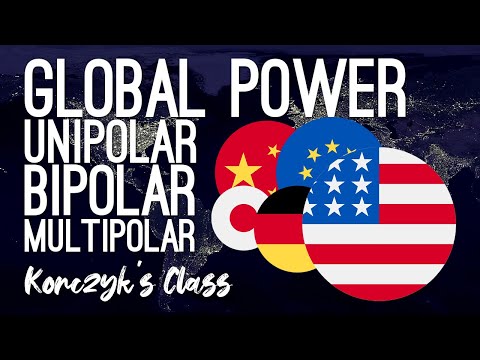
多くの点で、これは冷戦期や第二次世界大戦前の「勢力圏」という概念、あるいはナポレオン戦争後の19世紀ヨーロッパ秩序への回帰です。
この構想では、現在の「西側対その他」に代わって、米国、EU、ロシア、中国、インド、ブラジル、イランなどの国や連合が権力の中心となり、それぞれが地域レベルでより大きな権限と自律性を行使することになります。
中国の産業規模とBRICSのレバレッジ
その間に中国は発展途上国から世界最大級の経済大国へ成長し、産業能力や国際貿易への影響という点では世界最大とも評価されるようになりました。

出典: Statista
中国の台頭と並行して米国との緊張も高まり、バイデン政権と二度のトランプ政権の間に複数回の貿易戦争へ発展しました。
中国はドローン、太陽光発電、電池、低価格のEV、レアアース、リチウムなど多くの産業で優位に立ち、コンクリート、鉄鋼、船舶では世界最大の生産国となりました。
この状況では、中国の能力向上は米国の影響力に対する存亡上の脅威と見なされることがあります。軍事力への依存がより大きかったソ連には、同じ規模で実現できなかった脅威だという見方です。

出典: The Economist
ロシアの地政学的制約とBRICS外交
この期間、西側諸国とロシアの関係は着実に悪化し、衝突点は次第に激しさを増しました:
- 2008年のロシア・ジョージア戦争。
- 2014年のマイダン革命とクリミア併合
- 2015年に始まったシリアでのロシア軍事行動。
- 2022年以降のウクライナでの「特別軍事作戦」。
こうした中、BRICSや上海協力機構(SCO)のような組織は、ロシアが国際関係、重要な貿易、外交上のつながりを維持するうえで重要になりました。

なぜグローバル・サウスがBRICSフォーラムへ移行しているのか
南米、インド、東南アジアの経済成長と発展も、BRICSや「グローバル・サウス」をよりよく代表すると見なされる他の組織への関心を高める要因です。
非西側諸国がますます豊かになるにつれて、国際問題において声を上げ、影響力を持ちたいという欲求も高まります。
UNやG7/G20の代替フォーラムとしてBRICSを提供することで、イランのような「ローグ国家」や中国・ロシアといった大国、インドやブラジルといった新興大国が、グローバル・サウス諸国にとってより影響力を得ることが可能になります。
BRICS+ はこれまでに何を達成したか?
批判 / BRICS+ 賛成論
BRICSの批判者は、これまで同フォーラムから生まれた実務的な決定が極めて少なく、現実世界への影響も限定的だったと指摘します。この点は的を射ています。
主な理由の一つは、国連安全保障理事会、IMF、NATOなどとは異なり、BRICSははるかに非公式で、合意形成を重視する組織だからです。そのため会合での宣言や決定に拘束力はなく、最小公分母まで内容を絞る必要があります。
BRICS加盟国の多様な性格も障害です:
- しかし、南アフリカ、エジプト、ブラジルなどの開発途上国は、中国と同じ開発段階にありません。
- 中国、ロシア、インドなどの核保有国は、イランのような国の核開発に対してほとんど支援しません。
さらに、BRICS加盟国同士の関係もしばしば緊張しています。例えばインドと中国はヒマラヤ国境で定期的に衝突し、中国とパキスタンの緊密な関係もインドとの緊張を強めています。
利害の多様性、相互対立、多くの加盟国が西側陣営との近い関係を維持したいという事情が重なり、BRICS会合が達成できることは限られています。そのため、西側主導の制度に代わる実行可能な選択肢にはなりにくいのです。
賛同者
スワイプしてスクロール →
| 指標 | BRICS+ | G7 | 備考(方法/日付) |
|---|---|---|---|
| 世界人口シェア | ~45–49% | ~10% | UN/BRICS データ、2025年 |
| 世界GDP(PPP)シェア | ~35–36% | ~28–30% | IMF/Statista 2024–2025 |
| 石油生産量 | ~30% | ~20–22% | Carnegie/IEA 2025 |
| ガス埋蔵量 | ~53% | ~6–7% | BRICS 政策分析 2024 |
| インターネット利用者数 | ~40% | ~12–14% | Wikipedia/UN ITU、2024年 |
要するに、BRICS+は現在、世界人口のほぼ半数と世界GDP(PPP)の3分の1以上を占めており、エネルギー・資源生産を支配し、インターネット接続や低炭素エネルギー開発においても重要な役割を果たしています。
BRICSイニシアティブの支持者は、最近の拡大波と新規加盟国の関心が新たな国際機関への切実な必要性を反映していると正しく指摘しています。
イランやインドネシアの加盟は、軍事・経済の発展が新興国に国際交渉でより強い立場を与えていることを示しています。
より具体的には、イランの統合とロシアの持続的影響は、西側主導の孤立化試みへの拒否として説明できます。
同様に、米国が米中貿易戦争を「中国対世界」として世界的問題と位置付けようとする中、BRICS加盟国はこの見解を拒否しているようです。
この点で、統一された議題や執行メカニズムの欠如は、記録的な地政学的緊張と紛争が続く十年においても、オープンな議論を可能にする良い面と見なされることがあります。
最後に、BRICS+の熱狂者は、組織が現在人類の大多数と、西側に匹敵するかそれ以上の経済規模を結集していると正しく指摘しています。

出典: Statista
BRICS の未来
協力か対立か?
BRICS+やSCOのような組織が将来どれほど影響力を持つかは、貿易、軍事紛争、経済発展が世界的にどの方向へ進むかに大きく左右されます。
全体として、西側諸国が1945年に行ったように世界の運命を永遠に単独で決定し続けることは、アジア、南米、中東、アフリカが急速に経済的に発展している現状では非現実的に思えます。
これは必ずしも新しい組織が古い組織に取って代わる必要があるという意味ではありませんが、UN、IMF、世界銀行、WTOなどの既存機関が他国への影響力を高めるために改革する必要があることを意味します。
もしそれが実現しなければ、BRICS+や他の組織がその空白を埋めることになるでしょう。
開発モデル
中国の経済的台頭がもたらしたより深い影響は、経済発展モデルに関する従来の前提への挑戦です。つい最近まで、発展途上国には米国市場と資本へのアクセスが不可欠だと考えられていました。
しかし中国は現在ははるかに豊かになり、全面的な貿易戦争や半導体産業への制裁にも耐えうるように見えます。
これにより多くの国が、資本へのアクセスだけでなく、金融主導の西側に代わる開発モデルとしての代替手段を得ています。
代わりに、インフラ建設(水力発電ダム、高速鉄道、港湾など)と中国のサプライチェーンへの接続に基づくビジョンが、ベルト・アンド・ロード構想などのイニシアティブで中国資金により資金調達され、西側の金融・産業的つながりから離れる形で採用され得ます。

出典: 一帯一路研究プラットフォーム
批評家は、掠奪的な融資リスクや中国への依存、外国の政治的干渉の危険性を指摘します。
反論者は、IMFや世界銀行の融資にも同様の問題があると答えます。
ドル離れ: 支払い、為替、金
ドル離れ
投資家や経済学者の間で最も論争の多いテーマの一つである脱ドル化の問題は、BRICS+を巡るあらゆる議論の背景に存在します。
国際準備と国際貿易における米ドルの役割を縮小することは、中国やロシアのような競合大国にとって最重要課題の一つです。一方、インドのように米国や欧州と友好的な関係を持つ国にとって、その優先度は低くなります。
それでもBRICS諸国は、SWIFTネットワークのような西側主導の金融インフラに代わる国内制度を整備してきました。

出典: GIS Reports
BRICS加盟国間の貿易は、何十年もの間標準となっていたドルを仲介通貨とする代わりに、ますます現地通貨で行われています。
これはBRICS加盟国に限ったことではなく、成長経済が通貨と貿易のコントロールを高めようとしている世界的な傾向でもあります。
例えば、アルゼンチンは、ワシントンとの関係が近いにもかかわらず、依然として中国との貿易に人民元を用いた通貨スワップ協定を使用しています。
現在のところBRICSが統一された金融システムを開発していないものの、複数の国家または地域システムをつなげるパッチワーク的アプローチは今後も重要性を増すと考えられます。
金、mBridge、そして決済実験
組織内部でも激しく議論されてきたもう一つのテーマは、BRICS共通通貨の構想です。
世界の資源、エネルギー、産業生産の大部分を占める国々の集団として、理論上はドルに代わるエネルギーまたは商品ベースの通貨を創設できる可能性があります。
実際には、この考えは少なくとも3つの理由で機能しない可能性が高いです:
- 異なる加盟国が異なる天然資源を保有しているため、石油・ガス・金属などで裏付けられた合成商品通貨は交渉の悪夢となり、各国は自国の好む商品を高く評価したがります。
- これはロシア、ブラジル、UAE、イランといった商品生産国に対し、中国に対する交渉力を与える可能性があり、中国が支持するとは考えにくいです。
- ドル代替への積極的な推進は、ブラジルやインドのように西側との対立を避け「すべての側」と良好な関係を保ちたい国にとって歓迎されません。
- 商品価格の変動は、このようなシステムを非常に不安定にします。
歴史的に、国際貿易において各国間の支払勘定を決済するために普遍的に受け入れられてきた代替手段は金でした。
金は特定の国に結びつかない「中立」通貨として使用でき、他のすべての通貨に換金可能です。
これにより、ウクライナ戦争開始後に凍結されたロシアの米ドル・ユーロ建て準備金のように、いずれの国も自国通貨を「武器化」するリスクが中和されます。
上海が国際金取引ハブになるべく積極的に取り組んでいるなど、金への関心が徐々に高まっている兆候があります。

出典: Jim Bianco
さらに、実質的に人民元を金に換金できることは、香港での新たな実物納品金庫の開設や、ドバイなど国際金融センターでの倉庫計画によって支えられます。
彼が述べたBRICSの重要な柱の一つは、国境を越える中央銀行デジタル通貨パイロットであるmBridgeです。これは中国、香港、タイ、UAEが立ち上げ、サウジアラビアが最近参加しました。
参加者はドルではなく現地通貨で決済できます。その代わりに、米国はドルステーブルコインや短期国債で裏付けられたデジタルトークンに依存する道を示しました。
Mining.comの記事「ペーパーゴールドの時代は終わった」。
中国とロシアが何年も金準備を静かに蓄積していると推測されており、中国の金準備は公式認識の2倍から3倍に達している可能性があります。
確かに、最近の金価格の強気相場は、金が米ドルに代わる代替手段としてより魅力的になる要因となり、特に中国の中央銀行の買いが価格上昇の原動力です。
このイニシアティブが成功するかどうかはまだ見極めが必要です。
しかし、希少金属への輸出規制という形で中国が関税に対して強硬に反発していることを考えると、中国政府と少なくとも一部のBRICSパートナーは、米国への挑戦を以前よりもはるかに積極的に行い、米ドルの武器化に対抗しようとしていることは確かです。
結論
2001年に投資銀行が作った頭字語から、世界の人口、GDP、資源の大部分を結集する本格的な国際組織へと、BRICS+は過去20年間で大きく変化しました。
同時に、これほど広範なリーチを実際の影響力や権力に転換することに苦慮してきました。
大部分は、UNがしばしば無力に見える原因と同じであり、リーダーシップの欠如、利害の対立、そして実質的な合意に至る困難さが挙げられます: 影響力のある合意に達することができません。
それでも、西側諸国とそれらが率いる組織はBRICS+を簡単に軽視すべきではありません。
開発途上国がUN、IMF、世界銀行、WTOでの声が限定的であることに不満を抱くにつれ、代替策を探し始めるかもしれません。特に米国が保護主義的姿勢に転じ、欧州がロシアとの紛争に巻き込まれている今、そうなる可能性は高まります。
したがって、BRICS+が一部の人が想像する理想的な多極性の例にならないとしても、既存機関に競争と挑戦をもたらすことで国際外交秩序に変化をもたらす可能性があります。
BRICS への投資
1. iShares BIC 50 UCITS ETF.
BRIC 価格チャート
BRICSは巨大な経済圏であり、単一企業への投資だけでポートフォリオを直接分散することはできません。ただし、Alibaba (BABA )、MercadoLibre (MELI )、NuBank (NU )、SEA (SE ) は、それぞれの国(中国、ブラジル、インドネシア)の電子商取引やテクノロジーへの投資機会になります(各社の詳細レポートはリンク先をご覧ください)。
別の方法として、専用ETFを利用することがあります。その好例がiShares BIC 50 UCITS ETFです。
このETFは、ブラジル、インド、中国の最大手企業50社で構成される指数に連動します。BRICS+全体のGDP構成と同様に、中国企業が大半を占め、AlibabaやTencentなどのテクノロジー企業に加え、銀行、保険、製油所、自動車メーカー(BYD、Xpeng、Geely)なども含まれます。
ブラジルの鉄鉱石大手Vale (VALE ) も組み入れられています。

出典: iShares
指数では一般消費財セクターの比率が最も高く、金融、情報通信技術が続きます。BRICS+経済における各分野の規模と比べると、素材、エネルギー、不動産への配分は比較的小さくなっています。

出典: iShares
この指数には以前、Gazprom、Sberbank、Rosneftなどのロシア株も含まれていましたが、ウクライナ侵攻後は実質的に価値がゼロまで評価減されています。
これは、このETFやBRICS+諸国全般へ投資する際、他の国際ETFよりも地政学的リスクを強く意識する必要があることを示しています。
2. iShares MSCI BRIC ETF
BKF 価格チャート
もう一つの選択肢がこのETFです。海外投資家が取引可能な中国株と、ブラジルおよびインドの株式で構成される指数への連動を目指します。
ここでも上位銘柄の多くは中国企業ですが、他の2か国への配分を増やす工夫も見られます。例えば、インドの銀行HDFC Bank (HDB ) は第3位、インドの大手エネルギー・産業企業Relianceは第5位の組入銘柄です。
Vale、Nu Holdingsのほか、インドとブラジルの複数銘柄もETFに含まれています。

出典: iShares
指数は情報通信技術と金融に大きく集中しており、一般消費財、資本財、素材、エネルギーがその他の主要セクターです。

出典: iShares



