
エネルギー
QuantumScape (QS): 固体電池レースをリードする

 Securities.io を Google の優先ソースに追加

固体電池が次の大きな飛躍となる理由
自動車を皮切りに、まもなくトラック、船舶、さらには航空機にも及ぶあらゆる輸送手段の電動化に伴い、蓄電池はこの10年の中核技術となっています。
これは特に、エネルギー密度が高く求められる輸送分野で当てはまりますが、風力や太陽光といった再生可能エネルギーの間欠性をバランスさせる上でも重要になる可能性があります。
業界はこれまで、コスト、エネルギー密度、資源の入手しやすさの点で最適な妥協点とされてきたリチウムイオン技術に支配されてきました。
しかし、リチウムイオン技術には普及を制限しかねない重要な問題がいくつかあります。
- 金属デンドライトが形成されやすく、致命的な故障やバッテリーヒートによる火災を引き起こす可能性があります。
- 低温下での性能が悪く、寒冷地や低温環境での固定保管には不向きです。
- エネルギー密度は高いものの、長距離走行やトラック・バスといった重負荷用途にはまだ理想的とは言えません。
- 多くのバッテリーは他のEV部品よりも早く電力が低下・劣化し、購入者は再販価値や高価な新バッテリーパックへの交換リスクに不安を抱きます。
こうした理由から、科学者と電池メーカーはより優れた電池設計の開発に取り組んできました。
さらに重要なのは、リチウムイオンは現在では非常に成熟した設計であり、2020年以降エネルギー密度の向上がほとんど見られなくなっている点です。

出典: QuantumScape
固体電池と呼ばれる重要な概念は、アノードとカソードの間にある液体電解質を固体電解質に置き換えることです。これにより、液体電解質とその容器が加える重量が減り、バッテリーがよりコンパクトになる可能性があるだけでなく、従来の液体電解質がリチウム電池の火災リスクの主因であるため、安全性も向上します。
理論上は簡単ですが、固体電池プロトタイプの実装ははるかに複雑です。以前、アノードを全く使用しない設計や、AIを活用した設計など、いくつかの実験的デザインを取り上げました。
しかし、これらの実験的設計を安定した品質で合理的なコストで大量生産段階に持ち込むことは、別の大きな課題です。
西側のある企業が、ついに固体電池の大量生産ラインに到達しつつあるようです: QuantumScape。
QS 価格チャート
QuantumScape の概要
2010年に設立されたカリフォルニアのQuantumScapeは、固体電池分野に早期参入した有力スタートアップです。CATL(300750.SZ)、Samsung、LG Energy Solution(373220.KS)など、同技術を追求する大手電池メーカーから独立している点も特徴です。
同社は2018年、Volkswagenの電池部門PowerCoと合弁会社を設立しました。
これにより量産手法の開発と、実車EVで設計性能を確認する大規模試験の長いプロセスが始まりました。

出典: QuantumScape
2025年9月、同社はついに実際の市販車である完全電動Ducati V21Lレーシングモーターサイクルに電池を搭載して公開しました。
QuantumScape の固体電池技術で駆動する改造電動 Ducati モーターサイクルは、VW グループ傘下の Audi の専門家が QS 固体電池セル向けに特別設計した、史上初のバッテリーシステムを搭載し、レーストラックでの技術的可能性を示しています。
DucatiはAudi、Bentley、CUPRA、Lamborghini、Porsche、SEAT、ŠkodaとともにVolkswagenグループに属します(グループ専用レポートでVolkswagenとドイツ自動車メーカー再建に向けたEV戦略を詳しく解説しています)。
電動モーターサイクルに焦点を当てたのは、「少量でも注目度の高い実証」が可能だからです。サーキット用車両には極めて高い出力とエネルギー密度の双方が必要であり、電池パックの技術力も示せます。
フォルクスワーゲン・パートナーシップ
QuantumScapeは巨大自動車メーカーでも、中国・日本・韓国の既存大手電池メーカーでもない独立系スタートアップであるため、投資家にとってのリスクは常に高めでした。
技術が優れていても、量産化に必要な専門性と資金力を備えているかは常に疑問視されていました。
世界第2位の自動車製造グループVolkswagenとの度重なる資金調達と契約により、この状況は変わりつつあります。QuantumScapeの株主にとって非常に重要な進展です。

出典: QuantumScape
Volkswagenは、全ブランド・全モデル共通のEV基盤として設計されたScalable Systems Platform(SSP)に固体電池を統合する予定です。
2024年の契約に基づき、PowerCoはEV用電池を年間最大40GWh生産でき、年間80GWhまで拡張する選択肢を持ちます。
2025年にはPowerCoとの関係がさらに緊密化しました。Ducatiモーターサイクルに固体電池が搭載され、共同スケールアップチームが所定の節目を達成すれば、PowerCoは今後2年間で最大1億3,100万ドルを追加支払いします。
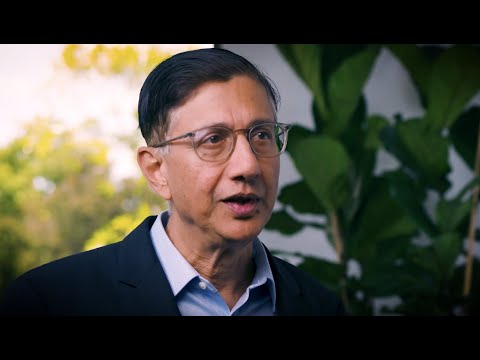
「今回の契約拡大は、両社の戦略面、技術面、財務面での連携が強まっていることを示す明確なシグナルです。
電池業界を一変させるプラットフォームとしてのQSE-5に対する共通の確信を反映しています。」
Volkswagenは2025年、共同スケールアップチームが所定の節目を達成した場合、今後2年間で最大1億3,100万ドルを追加支払いすることに合意しました。
また、Volkswagenグループ以外の顧客向けにQuantumScapeの余剰生産能力を年間5GWhまで利用できるようにし、将来の一部QS技術をライセンスする権利も付与しました。
その他のパートナーシップ
重要なのはVolkswagenとの契約だけではありません。QuantumScapeは世界的大手完成車メーカーとの非公開共同開発契約に加え、売上高首位の完成車メーカー、高級・プレミアムブランド、定置型蓄電および家電分野とも契約しています。
QuantumScapeはセラミックセパレーターの量産改善に向けた提携も拡大しています。9月30日、セパレーター製造能力を共同開発するCorningとの契約(GLW )を発表し、両社の世界的なセラミック製造専門家とともにMurata Manufacturingとの協力も進展させました。
「Corningの世界最高水準のセラミック製造能力は、QSの技術エコシステムに理想的な追加要素です。
エコシステムのパートナーとともに、高性能固体電池を拡張生産する基盤を築き、エネルギー貯蔵を革新する使命を前進させています。」
QuantumScape テクノロジー
スワイプしてスクロール →
| バッテリータイプ | エネルギー密度 (Wh/L) | エネルギー密度 (Wh/kg) | 充電速度 | 熱安全性 |
|---|---|---|---|---|
| QuantumScape QSE-5 | 844 | 301 | 15分で10~80% | 不燃性セパレーター |
| Tesla 4680(リチウムイオン) | 643 | 241 | 25~30分 | 熱管理が必要 |
| BYD LFP Blade | 350–400 | 160 | 30~40分 | 高い熱安定性 |
なぜ QuantumScape のアノードフリーデザインが重要なのか
QuantumScape電池の独自性の一つは、発表当時に革新的と評価されたアノードフリー設計です。
その後、他の実験的設計でもこの概念が研究されましたが、今なお希少で高度な固体電池方式です。

出典: QuantumScape
アノードフリー設計は、アノード界面での容量損失をなくして電池の耐久性を大幅に高めます。通常アノードが占める空間と体積を取り除くため、エネルギー密度もさらに向上します。
アノードがなければ、その材料や関連製造コストも不要です。
これにより従来のリチウムイオン設計だけでなく、Toyota (TM )など将来の固体電池メーカーに対しても明確なコスト優位を得られます(同社に関するレポートはこちら)。

出典: QuantumScape
あらゆる固体電池と同様、QuantumScapeの設計はほぼすべての指標でリチウムイオン電池を大きく上回ります。
- わずか15分で充電できます(45℃で10~80%)。
- 液体電解質に代わるセパレーターは不燃性で燃焼しません。
- 電池セルのエネルギー密度は844Wh/Lおよび301Wh/kgです。
Teslaを高く評価する理由は依然として多いものの(詳しくは当社レポートを参照)、近い将来、電池品質はその理由ではなくなるかもしれません。
QuantumScapeがより大型のセル形式を生産し始めれば性能はさらに向上し、1,000Wh/Lを超えるエネルギー密度も達成可能とみられます。

出典: QuantumScape
これらの成果は容易に得られたものではなく、同社がアノードフリー固体電池分野に早期参入したことで実現しました。
現時点では、同程度にデンドライト形成を抑えられる可能性が高いのは主にCATLのハニカム型電池アーキテクチャで、ほかにIONのアノードフリー固体電池が候補です。
「実証した性能水準に到達するまで10年以上、200万回超の試験、3億ドル超を要しました。極めて難しい課題であり、競合が解決するのも困難だと考えています。」
顧客の嗜好に合わせる
QuantumScape電池の高性能は、内燃機関(ICE)車をEVで完全に置き換えるための一般的な要件に合致します。
- 最大走行距離が 375 マイル(約 600 キロメートル)以上。
- 最大 15 分での高速充電、かつフル充電で十分な走行距離が確保できることが前提。
- バッテリー寿命が最低 12 年/150,000 マイル(240,000 キロメートル)。
- ICE 車と同等のコスト。
- 極端な高温・低温環境でも安定して機能。
- 火災リスクがない。
「この開発の最終結果は、長距離走行を可能にし、超高速充電ができ、実質的に劣化しないバッテリーセルになる可能性があります。」
Cobraセパレーター:QuantumScape製造の規模拡大
QuantumScape電池は主にカリフォルニア州サンノゼの高度自動化施設で製造される予定です。新しい「Cobra」セル設計には新型熱処理を採用します。
従来比25倍高効率なこの熱処理は、電池生産に必要な物理的スペースを大幅に減らし、量産展開の鍵となります。エネルギー消費も少なく、コスト削減と工程の環境性能向上につながります。
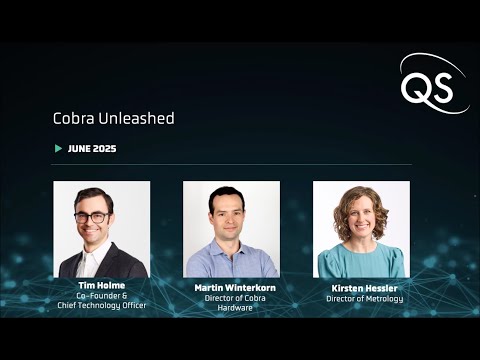
Cobraの後続世代では、この生産工程がさらに改善される見通しです。Cobraセパレーター工程は2025年6月にベースライン生産へ入り、処理量を大幅に高めると期待されています。
QuantumScape (QS) の将来のマイルストーン
スワイプしてスクロール →
| 年 | マイルストーン | 示すもの |
|---|---|---|
| 2024 | PowerCo が QSE-5 ベースのセルで最大 40 GWh、拡張で 80 GWh のライセンス契約。 | 技術の実証と、フォルクスワーゲンとのギガワット時規模生産への明確な道筋を示す。 |
| 2025 | PowerCo との協業拡大、マイルストーン支払い最大 1.31 億ドルと追加 5 GWh の非 VW 容量。 | QS の資金余裕を強化し、フォルクスワーゲングループ以外の顧客への扉を開く。 |
| 2025 | Ducati V21L MotoE レースバイクが IAA Mobility で QuantumScape QSE-5 セルを搭載してデビュー。 | アノードフリー固体電池の実車デモンストレーション、実験室を超える性能を証明。 |
| 2025–2026 | Cobra セパレーター工程がベースライン生産に移行;Ducati のフィールドテストは 2026 年を目標。 | パイロット製造から高ボリューム・プロトタイプ・トラックテストへの移行を示す。 |
| 2027–2028+ | QSE-5 セルを使用した商用 EV の最初の導入時期の見通し(スケールアップが成功した場合)。 | QuantumScape がプレ収益テクノロジーストーリーから実質的なバッテリーサプライヤーへ転換する重要な分岐点。 |
Ducatiモーターサイクルは公開済みですが、生産量拡大用設備が2025年に導入された後、実地試験は2026年に行われます。
全体として2026年は、QuantumScapeが提携、契約、QSE-5セルのサンプル提供から、量産開始と本格的な商業納入へ移行する転換点になりそうです。
ただし、Volkswagenのモーターサイクル、そして自動車の大半がQuantumScape/PowerCo電池で走るまでには、なお数年を要します。
2017年にTeslaが小ロットを超えて生産を拡大する難しさに直面した際、Elon Muskが「量産は地獄だ」と語った通りだからです。
結論
QuantumScapeは2021年に投資家の間で非常に人気を集めましたが、量産に到達できるかという懐疑論が支配し、2025年7月まで株価が急落しました。
その後、最安値から大きく反発しましたが、依然として2021年水準を大幅に下回ります。Volkswagenとの提携深化が示すように、現在のQuantumScapeのリスク特性は過去と根本的に異なります。
同社は現在、生産能力の拡張段階に入り、Ducatiモーターサイクルという市販製品に電池が搭載され、世界第2位の自動車メーカーのEVへ展開する準備を進めています。
同時に、アジア以外の代替電池供給を求める完成車メーカーにとって重要なパートナーになりつつあります。
したがって、QuantumScapeがスタートアップ段階を脱するまでの長い待ち時間は、まもなく終わる可能性が高いでしょう。最近の株価急騰は市場も同意していることを示しており、企業イメージの転換はまだ進行中です。
最新の QuantumScape (QS) 株式ニュースと開発情報



