
サステナビリティ
CRISPRによるポリマー編集が世界的なリサイクル活動を変革する可能性

 Securities.io を Google の優先ソースに追加

プラスチックリサイクルの解放
プラスチックは1960年代に製造業で広く採用されて以来、日常生活のほぼ全域で使われています。一方、適切に管理されない廃プラスチックは深刻な汚染源であり、地球規模の環境で見つかる微小な破片であるマイクロプラスチックを生みます。
マイクロプラスチックは生物系に影響する可能性があり、研究では抗生物質との相互作用などが調べられています。粒子はヒト組織で報告され、海洋生物にも摂取されます。検出は曝露を示しますが、それだけで特定の疾患や臨床リスクを証明するものではありません。
既存の汚染への対策として、測定と製品設計の改善、溶媒による分離、レーザーや光触媒による変換が研究されています。対象となる廃棄物は異なり、規模拡大や経済性は保証されません。
エクソンモービルなどのプラスチック生産者によるリサイクル表示は訴訟で問題提起されています。訴えの主張は最終判決と区別する必要があります。
多くの対策には費用と専用インフラが必要です。アップサイクリングは廃棄物の価値を高めて回収の動機を作り得ますが、経済性は選別、前処理、エネルギー、溶媒、触媒、製品品質、市場に左右されます。
(XOM )オークリッジ国立研究所(ORNL)は、一部の廃ポリマーを新材料の添加剤として使う方法を研究しました。成果はJournal of the American Chemical Societyに「Polyalkenamers as Drop-In Additives for Ring-Opening Metathesis Polymerization: A Promising Upcycling Paradigm」1として発表されました。特定のポリマーを対象にした実験室規模の概念実証であり、あらゆるプラスチックの再資源化法ではありません。
従来のリサイクルだけではなぜ不十分なのか?
プラスチックはすでに再生されていますが、機械的リサイクルでは溶融と加工を繰り返すうちに材料が劣化し得ます。研究者はこれを簡略に「溶かして、うまくいくことを祈る」と表現しました。
熱、酸化、異なるグレードの混合、汚染はポリマー鎖を短くしたり変化させたりします。強度、色、耐久性が低下する場合がありますが、程度は樹脂の種類と工程管理によります。
複数回再生できる樹脂もありますが、品質低下や添加剤が回数を制限します。適切な選別、安定化、用途選択で寿命を延ばせます。
熱硬化性樹脂、多層材料、汚染された流れ、一部のエラストマーは特に機械的再生が難しく、焼却や埋立てに回りやすい材料です。
ORNLは世界のプラスチック廃棄物の約9%が再生されるという推計を引用しました。割合は国、樹脂、定義、年で異なり、これまで生産された全プラスチックの割合とは区別すべきです。

リサイクルではなくアップサイクリング
「アップサイクリング」は、廃棄物より高い価値または有用な特性を持つ製品を作る考え方です。すべての指標で新品材料より優れるという意味ではありません。
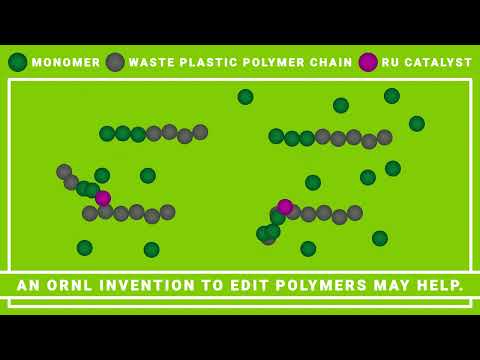
ORNL法はポリマー鎖の反応を制御します。DNAを編集するCRISPRとの比較は説明上の比喩であり、化学的メタセシスは生物学的遺伝子編集ではありません。
研究者は、ゴム製品に使われるポリブタジエンと、玩具、キーボード、配管、保護具、車両部品、家電に使われるABSを用いました。これらは再生されにくい流れですが、研究がすべての完成品を試験したわけではありません。
「この技術は廃棄物流のかなりの部分に取り組むものです。現在埋立てられる材料の質量とエネルギーを保全するだけでも大きな影響があり得ます。」
Jeffrey Foster, Alvin M. Weinberg Distinguished Staff Fellow
調べた反応は高い「原子効率」を示し、ポリアルケナマーが合成材料に定量的に取り込まれました。混合廃棄物を前処理や損失なしで全量回収できるという意味ではありません。
仕組み
廃ポリマーは開環メタセシス重合の連鎖移動成分として働き、新材料の分子量、組成、特性に影響しました。

合成または市販のポリブタジエンとABSを細断し、ジクロロメタンに溶かしました。反応は40°Cで2時間未満でした。ジクロロメタンは揮発性と有害性があるため、規模拡大には回収、排出管理、安全な代替溶媒が重要です。
重合にはルテニウム触媒が使われました。メタセシス化学で知られる触媒ですが、工業化には価格、金属回収、残留量、寿命の評価が必要です。
触媒は二重結合の切断と形成を促し、ポリマー断片を交換して成長鎖に組み込みます。ルテニウム原子が断片を文字どおり「運ぶ」のではなく、これは簡略化した説明です。
メタセシスは炭素–炭素二重結合の周辺で結合を再編します。反応性基が必要ですが、それだけで全樹脂に高い転化率が得られるわけではありません。
開環メタセシス重合は環状オレフィンを開いて鎖を作ります。交差メタセシスは不飽和分子間で断片を交換できます。本研究では廃ポリマーが新しい共重合体の連鎖移動剤兼添加剤となりました。

出典: Sigma Aldrich
研究は重合の最適化、核磁気共鳴(NMR)による反応のリアルタイム解析、最終材料の機械・熱特性試験を組み合わせました。
強力な結果
ORNLは実験室工程が従来の再生より少ないエネルギーと排出で済むと説明しました。この主張は、溶媒回収、触媒、前処理、廃棄物を含む工業規模の比較可能なライフサイクル評価で確認する必要があります。
合成材料は廃ポリマーの一部特性を受け継ぎ、有望な熱機械特性を示しました。「優れる」かは比較対象と特性によって異なり、すべての用途での優位性を証明したものではありません。
プラスチックアップサイクリングの次のステップ
すべてのプラスチックのアップサイクリング
この方法はポリブタジエンやABSなどを特定のROMP反応の連鎖移動剤として使う場合に実証されました。他のポリマーには適切な反応性基が必要で、環境負荷の低い溶媒も重要な研究課題です。
「反応可能な主鎖官能基を持つあらゆるポリマーへ、この概念を広げられるというのがビジョンです。
規模を拡大し別の添加剤も使えれば、より多くの廃棄物を分子部品として利用し、処理困難な樹脂の環境影響を大きく下げられる可能性があります。」
Jeffrey Foster, Alvin M. Weinberg Distinguished Staff Fellow
工程の経済性は未実証です。低温と短時間は有利ですが、選別、溶媒、ルテニウム、精製、安全、設備、品質管理の費用が重要です。
プラスチック以外へ
原理は他の不飽和ポリマーや化学原料にも研究できますが、各廃棄物流を個別に検証する必要があります。
研究者はエポキシ、加硫ゴム、ポリウレタン、シリコーンなど熱硬化性材料への展開に関心を示しました。これは今後の研究目標で、発表論文ですでに実証された結果ではありません。
熱硬化性材料は架橋構造のため硬化後に通常は再溶融・再成形できず、従来法での再生が困難です。
メタセシス化学や別の添加剤を新しい熱硬化性材料に使えるかが今後検討されます。現在の研究は、硬化済みの架橋廃棄物を同じ工程で再生できることを示していません。
調整可能な重合により、より柔らかい、伸びやすい、硬化しやすいなど別の特性を持つ材料を作れる可能性があります。強度、寿命、毒性、再生性、価格に対する検証が必要です。
結論
アップサイクリングは一部の廃棄物の価値を高めて回収の経済的動機を強め得ますが、混合、汚染、製品設計、低い世界再生率を単独で解決しません。
プラスチック使用量の削減、回収改善、微粒子除去、バイオ由来・循環型材料(「主要バイオプラスチック企業5社」参照)、機械的・溶媒系・化学的再生を組み合わせる必要があります。
循環経済は新規資源投入、廃棄物、排出、環境流出を減らすことを目指します。「より資源集約的」であることが目的ではなく、正味効果はライフサイクル全体で測る必要があります。
リサイクル企業
PureCycle Technologies
PCT 価格チャート
PureCycle Technologiesは、ポリプロピレン(PP)廃棄物から臭い、色、汚染物質を減らした再生PPを作る溶媒系精製技術を開発しています。
同社はProcter & Gambleが開発したライセンス精製工程でPP原料から色、臭い、汚染物質を分離します。ORNL法のように廃棄物を再重合する工程ではありません。

工程は機械的再溶融と異なり一部の不純物を扱えますが、品質は原料、選別、操業、顧客認定に左右されます。
化学的再生と溶媒系精製には、エネルギー、排出、費用が大きく異なる工程があります。比較可能なライフサイクル評価なしに、すべてを非経済的または環境配慮型と一般化できません。

PureCycleは特定の用途と原料条件についてFDAの異議なし書簡を得ています。全製品への包括的承認ではなく、各食品接触・包装用途が要件と顧客認定を満たす必要があります。
同社は委託したライフサイクル評価に基づき、新品PPよりエネルギーと温室効果ガスが低いと説明しました。79%と35%という数値はモデル前提、稼働率、システム境界に左右され、ORNL研究の結果ではありません。
Ironton施設は2023年6月に最初のペレットを生産しましたが、商業規模への増産は長く難しい過程でした。同社は2026年第1四半期に840万ポンドの四半期最高生産を報告し、信頼性、速度、品質を改善する定期保守を実施しました。
PureCycleは追加拠点を計画していますが、時期、資金、場所は変化してきました。2026年にはタイ施設の2028年稼働を計画していました。北米、欧州、日本、韓国や2027年総能力に関する古い目標より最新開示を確認すべきです。SK geo centricとの協力も完成済み能力を意味しません。

2024年第3四半期の350万ポンドは当時の増産節目でした。その後の四半期は増えましたが、断続的な記録は安定した設計能力、正の利益率、収益性を証明しません。
PureCycleは高度なPP精製への上場投資機会ですが投機的です。Irontonの増産と稼働率、品質、顧客認定、PP価格、原料、現金消費、債務、資金調達、希薄化、新施設、規制、競争が主なリスクです。ORNL研究とは別で、同社がその方法の権利を持つ根拠はありません。
研究参考:
1. Jeffrey C. Foster, et al. (2024) Polyalkenamers as Drop-In Additives for Ring-Opening Metathesis Polymerization: A Promising Upcycling Paradigm. Journal of the American Chemical Society 146 (48), 33084–33092. DOI: 10.1021/jacs.4c10588



