
宇宙
Intuitive Machines (LUNR): 月面インフラの背骨

 Securities.io を Google の優先ソースに追加

月面インフラ: アルテミス時代の背骨
米国と中国の宇宙における競争の高まりについては、以前の記事「月と火星へ――新たな宇宙開発競争を読み解く」で取り上げました。この競争の中心にあるのは、21世紀初の有人月面着陸を実現する争いです。
中国にとっては初の偉業であり、米国にとっても50年以上達成していない挑戦です。
双方にとって技術的な難易度は極めて高いものです。米国側の中核はアルテミス計画と、月周回軌道上のルナ・ゲートウェイです。月面に恒久的な有人拠点を築くことを目指す、非常に野心的な計画です。
しかしアルテミス計画は、深刻な技術問題、費用超過、遅延に直面しています。その一因は打ち上げロケットSLSと、ボーイング (BA ) のような従来型の航空宇宙請負企業への依存にあります。これらの企業は近年、効率面で苦戦してきました。
幸い、新世代の民間宇宙企業が台頭しています。その筆頭はもちろん、再使用型ロケットの実用性を証明して打ち上げ産業を変革したイーロン・マスク氏のSpaceX (SPCX ) です。
また、SpaceXに追いつこうと開発を急ぐRocket Lab (RKLB ) のような企業も含まれます。
民間ロケットがNASAの宇宙飛行士を月へ運ぶ可能性は高いものの、月面基地に必要なのは移動手段だけではありません。複数の着陸システム、貨物輸送、信頼性の高い通信網が不可欠です。
将来の月探査ミッションに必要なこうした技術で先行している企業が、Intuitive Machines (LUNR ) です。
LUNR 価格チャート
月面物流ギャップの解決
アルテミス計画は遅延と予算上の課題に直面しているため、着陸方式の詳細はなお流動的です。現時点ではSpaceXのStarship Human Landing System(HLS)がアルテミスIIIおよびIVの最初の着陸船となり、Blue OriginのBlue MoonはアルテミスV以降のミッションで使用される予定です。
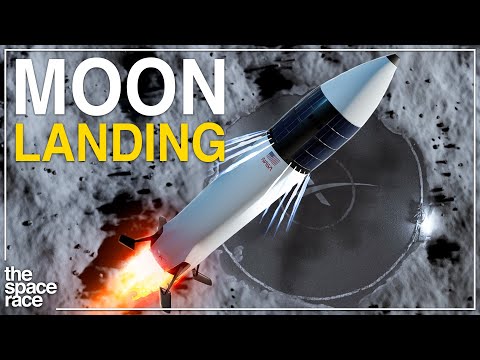
ただし、有人着陸は月面定住に必要な要素の一つにすぎません。継続的な滞在を実現するには、ほかにも複数の物流上の課題を解決する必要があります。
- 軌道マッピングと月資源の現地調査。
- 衛星コンステレーションによる信頼性の高い通信(Lunar Relay)。
- 28日間の月の昼夜周期を乗り切る安定した電力供給(単純な太陽光発電からの脱却)。
- 宇宙飛行士が移動するための月面車両。
- 自律走行型の物流ソリューション。
他社が巨大ロケットの建造に注力する一方、Intuitive Machinesは月面拠点を成立させるために不可欠な支援システムに集中しています。
Intuitive Machines (LUNR): 会社概要とNASAでの役割
Intuitive Machinesは2013年、月の商業・政府探査向け技術の提供を明確な目的として、テキサス州ヒューストンで設立されました。
2018年までに同社はNASAから、Commercial Lunar Payload Services(CLPS)計画への入札資格を持つ9社の一つに選ばれました。
この計画は、民間事業者から月面輸送サービスを迅速に調達し、従来は遅く官僚的だったプロセスを加速するために設計されました。これまでNASAは5社のCLPS事業者に11件の月面輸送を発注し、そのうち4件をIntuitive Machinesが受注しています。

2023年、同社はSPACを通じて上場を完了し、ティッカーLUNRで取引を開始しました。現在の従業員数は400人を超えます。

IM-1(2024年)とIM-2(2025年)はいずれも着陸時に横倒しになりましたが、技術的にはアポロ計画以来初めて月面に到達した米国の宇宙機でした。高度計の問題に起因する姿勢異常があったものの、着陸船は科学データの送信に成功しました。
Intuitive Machinesはさらに、深宇宙でLOx/LCH4(液体酸素・液体メタン)エンジンを初めて点火しました。これは将来の推進システムにとって重要な節目です。
Intuitive Machinesは2025年10月、深宇宙航法の専門企業であるKinetXを3,000万ドルで買収すると発表しました。続く11月には、Lanteris Space Systemsを8億ドルで買収すると発表しました。
テクノロジースタック
| レイヤー | プログラム / 製品 | 実現できること | 投資家への関連性 |
|---|---|---|---|
| 月面着陸 | Nova-C | 初期CLPSペイロード配達と表面デモ | 能力を実証する一方、実行リスクも顕在化 |
| 大型貨物 | Nova-D | 大型インフラ(ローバー、電力)の配達 | 科学ペイロードを超えるスケール拡大の鍵 |
| 軌道物流 | OTV(Orbital Transfer Vehicle) | ペイロードをLEOから高エネルギー軌道へ移動 | 「Infrastructure as a Service」型ビジネスモデルへの足掛かり |
| 表面移動性 | LTV(選定競争中) | 宇宙飛行士輸送と持続的表面作業 | 数年・数十億ドル規模の契約上昇余地 |
| 通信・航法 | NASA Near Space Network(Lunar Relay) | 常時接続の月・地球間通信と月周辺の測位・航法・時刻同期 | 継続的サービス型収益の可能性 |
| ベースロード電力 | Fission Surface Power(IX合弁) | 月夜を通しての連続エネルギー供給 | 資源利用・採掘を含む産業化の前提を実現 |
| 無線電力 | Star Catcherと共同開発するレーザー送電 | 軌道から表面インフラへオンデマンドでエネルギー供給 | 選択肢の拡大; 長期商業化への道 |
月面配送システム
これまで同社は、高さ4.3メートルで130キログラムのペイロードを月へ運べるNova-C着陸船を用いて科学機器を輸送してきました。
次の段階は、1,500~2,500キログラムを輸送できるNova-D着陸船です。この積載能力は、Lunar Terrain Vehicle(LTV)やFission Surface Power原子炉のような重量インフラを運ぶために必要です。

もう一つの構成要素がOrbital Transfer Vehicle(OTV)です。この改良型システムは推進力を使い、静止軌道(GEO)やラグランジュ点など高エネルギー軌道へペイロードを輸送できます。Intuitive Machinesは輸送、通信、エネルギーを網羅する「Infrastructure as a Service」として事業化を進めています。

月面地形車 (LTV)
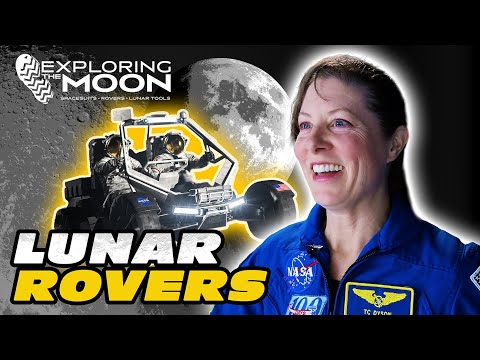
自動車に似たこれらの車両は、宇宙飛行士の主要な移動手段となります。契約額は最大46億ドルに達する可能性があります。Intuitive Machines、Astrolab、Lunar Outpostが最終候補に残っており、最終決定が近く見込まれています。
Near Space Network の構築
NASAのNear Space Network契約は、2024年にIntuitive Machinesが受注し、最大潜在価値は48億2,000万ドルです。

地上局と宇宙中継機群で構成され、月と地球の間に常時通信を確保します。
「この契約は、宇宙通信・航法分野におけるIntuitive Machinesのリーダーシップが転換点を迎えたことを示します。」
— CEO スティーブ・アルテマス
月面電力 & 小型原子炉 (SMR)
Intuitive MachinesはX-Energy (XE ) と共同でIXという合弁会社を設立し、Fission Surface Power(FSP)ソリューションを設計するNASA契約を獲得しました。
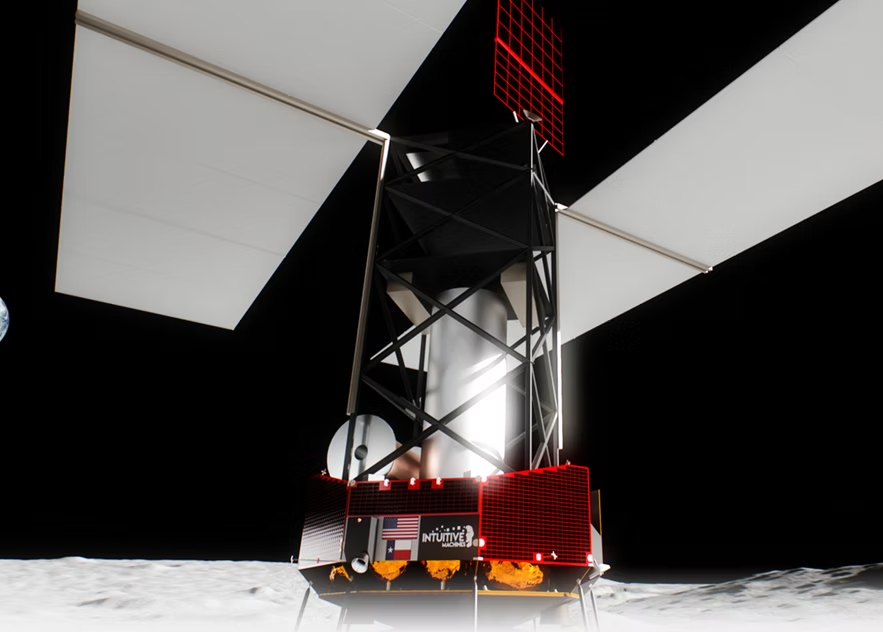
この40 kWe原子炉は月の夜を通じて連続的に発電します。電力は生命維持だけでなく、採掘や燃料生産などの産業プロセスにも不可欠です。
レーザーと無線電力
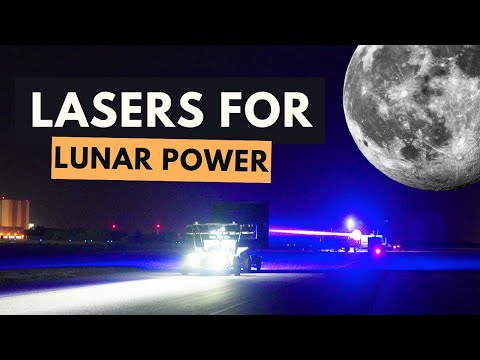
月面には大気がないため、レーザー伝送は非常に効率的です。Intuitive MachinesはStar Catcherと協力し、軌道上から月面インフラへエネルギーを送るシステムを開発しており、地上に巨大な蓄電池群を設置する必要性を減らします。
戦略的買収: 月を超えて
KinetX
2025年、Intuitive MachinesはM&Aを通じて事業構成の再編を始めました。最初の買収は3,000万ドルのKinetXです。同社は火星、冥王星、さらに遠方へのミッションを支援してきた30年の深宇宙航法経験を持ちます。
Lanteris(旧Maxar Space Systems)
二つ目の大型買収は、旧Maxar Space SystemsのLanterisです。同社は商用GEO衛星の大手メーカーで、NASAのLunar Gateway向けPower and Propulsion Elementを建造しています。

Intuitive MachinesはLanterisに8億ドル(現金4億5,000万ドル、株式3億5,000万ドル)を支払います。既存株主には大幅な希薄化となる一方、同社を月面事業専業株から複数領域を担う宇宙プライム企業へ変貌させます。
特に重要なのは、この買収によってIntuitive Machinesがミサイル防衛構想「Golden Dome」の主要企業となる点です。LanterisのGEO追跡と安全な通信に関する専門性は、トランプ大統領が推進する宇宙配備センサー層に不可欠と見込まれ、LUNRの収益源をNASAの科学ミッション以外にも広げます。
投資家への要点
LUNRは、継続的な政府契約、拡大する垂直統合、Golden Dome時代における重要性の高まりを通じて、長期的な月面・防衛インフラへのレバレッジを伴う投資機会を提供します。
結論
合併後の企業は従業員1,250人、予想売上高6億3,000万ドルの規模になります。遅延はあるもののNASAはアルテミス計画への関与を維持しており、インフラ事業者の将来は引き続き明るいと考えられます。
2025年第1四半期にフリーキャッシュフローが黒字化し、Near Space Network契約による安定性も得たことで、投資リスクの構成は改善しました。Lanterisを通じた防衛契約の追加は、米国の主要航空宇宙請負企業としての地位を強化します。
これらのインフラは、新たな宇宙経済の基盤です。このテーマについては専用の分析記事で詳しく解説しています。
最新 Intuitive Machines (LUNR) 株式ニュース



