
人工知能
Autodesk (ADSK):CAD巨人のフィジカルAI推進

 Securities.io を Google の優先ソースに追加
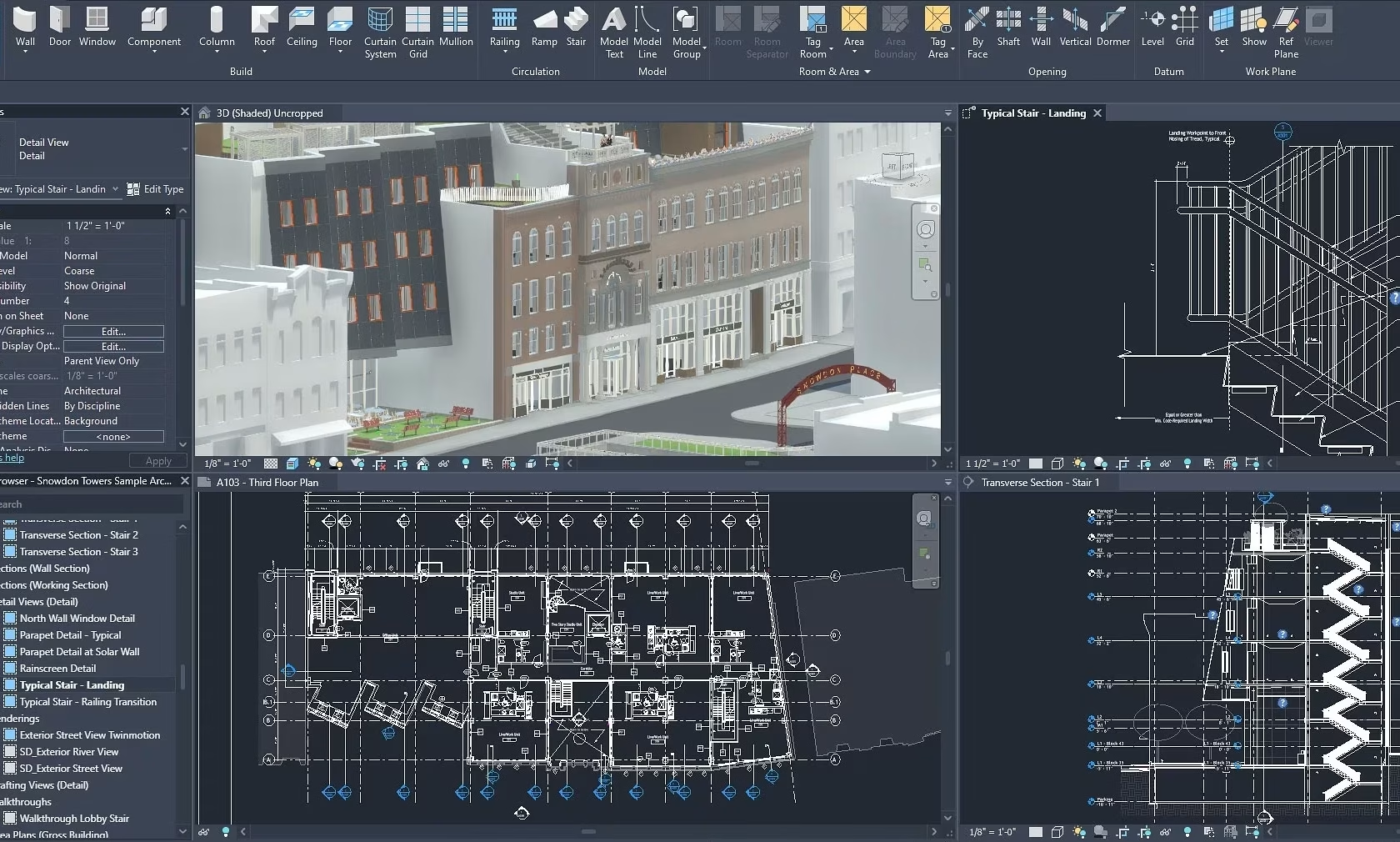
新製品の設計はかつて手作業で行われ、手作りのプロトタイプや一度きりの金型が使用され、最終版が選ばれるまで続きました。コンピュータの性能が徐々に向上するにつれ、エンジニアの設計机はますますリアルな仮想3Dモデルへと変化しました。
この進化は徐々に民主化され、コンピューティング能力は数台の産業用メインフレームから、手頃な価格のデスクトップマシンへと移行しました。
また、ファイルはローカルホスティングからクラウドベースのデータベースへと移行し、複数のデザイナーやエンジニアが同じ設計を可視化・編集し、新しい部品を追加できるようになりました。

出典: Autodesk
これらの進化の中心にあったのは、製造、エンジニアリング、その他の産業用途における3D設計の市場リーダーであるAutodeskです。
ADSK 価格チャート
同社はAutoCADソフトウェアで最も有名ですが、これは社内開発と連続的な買収により蓄積された多数の専門ソフトウェアのうちの一つに過ぎません。現在、同社は産業用途にとどまらず、エンターテインメントやメディア制作にも進出しています。
Autodeskは2018年に自社のAIラボを設立するなど、AIを非常に早い段階で取り入れており、SaaS株全体が最近市場で大きく打撃を受けている中でも、最も「AI対応」なソフトウェア企業の一つとなっています。
Autodesk (ADSK) 概要:収益、セグメント、ビジネスモデル
Autodeskは多数のプロフェッショナル向け3Dソフトウェアを開発・提供しており、その中で最も有名なのはおそらくAutoCADです。これらはエンジニアや建築家などの専門家により、産業部品や建物、3Dモデルの設計に世界中で使用されています。
同社は実質的に全世界で事業を展開しており、1,260の販売代理店・ディストリビュータを通じて190か国でAutodeskの各種ソフトウェアのローカル販売を管理しています。
2025会計年度(2025年1月31日終了)において、同社は総純収益6.131億ドル(前年比+12%)を計上しました。営業利益率はGAAPベースで22%、非GAAPベースで36%でした。
これは10年前の同社の活動と比較して大幅な伸びであり、当時の収益とフリーキャッシュフローは2025年の約3分の1でした。

出典: Autodesk
これらの収益の大部分はサブスクリプション(5.717億ドル)から来ています。
- 建築、エンジニアリング、建設、運用(“AECO”。)
- AutoCAD と AutoCAD LT。
- 製造(“MFG”。)
- メディアとエンターテインメント(“M&E”。)
製品ファミリー別(2025会計年度純収益)では、AECOが29.37億ドル、AutoCAD と AutoCAD LTが15.72億ドル、製造が11.89億ドル、メディア&エンターテインメントが3.15億ドルです。Autodeskの主な顧客は大手および中堅企業で、米国と欧州が圧倒的に最大の市場です。

出典: Autodesk
スワイプしてスクロール → (表は横方向にスクロールします)
| 指標 | 2025会計年度 | 前年比 | 重要性 |
|---|---|---|---|
| 総純収益 | $6.131B | +12% | スケールと持続的な更新がAI/消費型移行を支援します。 |
| サブスクリプション純収益 | $5.717B | +12% | 継続性がマージンの基盤となり、AI製品化の資金となります。 |
| GAAP営業利益率 | 22% | — | 株式報酬と償却後のベースライン収益性。 |
| 非GAAP営業利益率 | 36% | — | 投資家がしばしばモデル化する営業レバレッジの可能性を示します。 |
| 最大の製品ファミリー | AECO $2.937B; AutoCAD $1.572B | AECO +14%; AutoCAD +8% | AECOが成長エンジンで、AutoCADがキャッシュの錨です。 |
時間とともに、同社のビジネスモデルはソフトウェアライセンスとアップデートの一括販売から、現在のサブスクリプションモデルへと進化しました。

出典: Autodesk
現在、同社はAIトークン化と成果ベースの課金へと移行しており、レガシーソフトウェアが段階的にAIツールと統合されています。

出典: Autodesk
Autodesk 製品:AutoCAD、Revit、Fusion 360、Maya
AutoCADの3Dモデリング機能は同社の提供の核ですが、これに加えて特定の産業やエンジニアリング要件に特化した多数の専門的なオファリングやモジュールが補完しています。

出典: Autodesk
建築、エンジニアリング、建設、運用(AECO)
同社にとって圧倒的に最大のセグメントで、総アドレス可能市場は510億ドルです。Autodeskは建設プロジェクトのすべての工程と関係者(エンジニア、オペレーター、請負業者)向けに、エンドツーエンドのクラウドソフトウェアを提供しています。
同社はこのセグメントで16か国で活動を開始し、合計57か国に展開しています。最も未開拓の潜在市場はアジア太平洋地域と南米です。

出典: Autodesk
Autodeskは交通や水インフラなどの大規模インフラプロジェクトにおいて成長機会が拡大していると見ています。これには新しいインフラの3D設計だけでなく、AI駆動の建設現場スキャンや高度なレポート・設計レビュー・ツールも含まれます。
特に、米国の20州の運輸省(DOT)や米陸軍工兵隊に統合されたことは注目に値します。

出典: Autodesk
製造
製造セグメントはもう一つの大規模セグメントで、製造プロセスがますますデジタル化し、3Dプリンティングなどの新技術が統合される中、Autodeskにとって重要な成長機会です。
現在、総アドレス可能市場は580億ドルで、製品設計と製造施設の運営が含まれます。同社の主なターゲットは中規模メーカーで、シーメンスやダッソーなどの競合ソフトウェアが狙う超大型企業とは異なります。

出典: Autodesk
したがって、北米と欧州の再産業化の取り組みから大きく恩恵を受け、新たな製造能力が拡大するにつれて関連アカウントを成長させることができるでしょう。
メディアとエンターテインメント
同社にとって最小のセグメントではありますが、映画やテレビシリーズ、ハイバジェットのビデオゲーム向けのVFXやその他の3Dモデリングの制作は、Autodeskにとって成長分野となっています。
総合的に、同社はこの市場の総アドレス可能規模を85億ドルと見積もっています。
このセグメントでは、AutodeskのAI活用は大きな資産となり得ます。メディア企業は従来のコンセプト作業やモーションキャプチャだけでなく、音声のクローン作成、デジタルダブルの生成、エイジングや若返り、アニメーションなどにもAIを利用できます。

出典: Autodesk
より広範に見ても、クリエイターエコノミーの規模は定義により大きく異なりますが、複数の市場調査会社は2030年までに約5280億ドル(年平均成長率約22.5%)に達すると予測しています。Autodeskにとっての重要なポイントは、高ボリュームのコンテンツパイプライン(動画、VFX、ゲーム)が依然として拡大しており、AI駆動のワークフローへの依存が高まっていることです。
したがって、Autodeskは個人ユーザーや小規模メディア企業向けにVFXシステムを提供する立場にもあります。さらに、ウォーターマーク、MPAA準拠、多要素認証などを含むIP保護とサイバーセキュリティを自動的に提供します。

出典: Autodesk
したがって、多くの業界関係者がAIを潜在的に破壊的または破壊的な力と見なす一方で、AutodeskはメディアコンテンツがAIによるコスト削減と効率向上を受け入れることで大きく恩恵を受ける立場にあります。
Autodesk AI戦略:生成設計、エージェント、消費型価格設定
Autodeskにおける生成AI:アシスタント、Neural CAD、オートメーション
歴史的に、設計の手動作成のためのより強力なツールとクラウドベースのソフトウェアがAutodeskソフトウェアの核となってきました。
今日、生成AIは新しいコンテンツ作成の主要ツールとなり、既存設計の分析・改善にも活用されています。

出典: Autodesk
このために、同社はデザインと製造向けのAIエージェントであるAutodesk Assistantを導入しました。これはジオメトリや建築向けのNeural CADなど、カスタムAIシステムによって支えられています。
「私たちはデザインと製造におけるAI革命を定義し、顧客に新しいタスク、ワークフロー、システム自動化を提供し、サブスクリプション、消費、成果ベースのビジネスモデルを通じて人間と機械の能力を融合させた共有価値を獲得しています。」Andrew Anagnost—Autodesk社長兼CEO(2025会計年度Form 10-K)
これらのツールは設計に新たな洞察を提供し、例えば、膨大な既存設計データベース(類似プロジェクトの実例)をAIに取り込むことで、自動計算や複雑なディテール生成が可能になります。

出典: Autodesk
さらに、自然言語で平文の指示をAIに与え、部品設計の変更を具体的に解釈させることも可能です。これによりエンジニアやデザイナーの作業が容易になるだけでなく、迅速化も実現します。

出典: Autodesk[/caption>
Autodesk Fusionの自動図面作成ツールにより、従来の50%の時間で図面を作成できるようになりました。
Karl Heydenrych—Turnstone Guitar Company取締役
同社はAI採用が急増しており、特にAPI利用は前年比40%増加しています。現在、このモデルは一定の使用量まで無料でAPIを提供し、ユーザーがリスクなく機能をテストできるようにし、閾値を超える利用については課金しています。
「2025会計年度において、主要市場で間接ビジネスの大部分を新しい取引モデルに移行しました。この新しい取引モデルでは、ソリューションプロバイダーが顧客に見積もりを提供しますが、実際の取引はAutodeskと顧客の間で直接行われます。」
全体として、AIはアイデアの創出からデータ収集、さらには生産工場の計画に至るまで、同社のソフトウェアと顧客の業務のすべての段階に統合されています。
[caption id="attachment_349040" align="aligncenter" width="739"]
テクノロジーセンター
実際の建設やエンジニアリングに深く関わるAutodeskは、新素材が新たな設計手法を可能にする方法も探求しています。
ボストン、サンフランシスコ、トロント、バーミンガムにある同社のテクノロジーセンターでは、大型製造設備、幅広いロボティクス、複合材ラボ、ポリマーおよび金属積層造形ワークショップ、さらに建築規模の建設プロジェクトに対応する作業スペースを利用できます。
これらのスペースは、持続可能な製造、スマートシティ、グリーンビルディングを実現するよう設計されています。
AR と VR
Autodeskは「拡張現実」(XR)の概念にも積極的に取り組んでおり、拡張現実(AR)、仮想現実(VR)、そして「ミックスドリアリティ」を統合し、これらを連続したデジタルと現実の体験として扱っています。
これらは新しいものの設計、アイデアや3Dモデルの同僚との共有、そして共有仮想アイテム上でのリアルタイム協働に利用できます。
業界に対する確固たる支配力により安全に保護されたAutodeskは、Unity、Unreal Engine、NVIDIAなど、VR/AR技術開発の主要プレイヤーとほぼすべてのパートナーシップを活用できます。

出典: Autodesk
時間が経つにつれ、生成AIもこの技術に関与する可能性が高く、AIはリアルタイムで追加情報や設計の可能性を提案できるようになるでしょう。
フィジカルAI:Autodeskのロボティクスとワールドモデルにおける役割
Autodeskの建築、製造、3D仮想空間の経験は、AIが言語を超えて物理的世界を真に理解しようとする次のステップである「フィジカルAI」(以下リンクで完全レポート)にとって理想的なパートナーです。
同社はこの分野で急速に動いており、World Labsへの2億ドルの投資を含む、フィジカルAIに特化した企業への総額10億ドルの新規資金調達に参加しています。
「AIが真に有用であるためには、言葉だけでなく世界を理解しなければなりません。世界は幾何学、物理学、ダイナミクスによって支配され、セマンティック、空間、物理を統合することがAIの次なる大きなフロンティアです。」 – Fei-Fei Li博士—World Labs共同創業者
例えば、Cosmic Roboticsが太陽光発電所の設置を自動化しようとしていることがその一例です。
「顧客の視点から見ると、彼らはソフトウェアでプロジェクトを設計し、GPS位置情報や図面を使用しています。そして今、私たちはそれらを取り込むことができます。ロボットもそれを取り込めます。これをロボットシステムにアップロードすれば、すべてがデジタルのままです。」 – James Emerick—Cosmic Robotics共同創業者兼CEO
- マージンの明確化: 2025会計年度の営業利益率はGAAPで22%、非GAAPで36%です—両方を明示することで信頼性が向上し、「事実確認の遅れ」を防ぎます。
- AECOがレバー: Autodesk最大の製品ファミリーであり、設計・構築・運用全体で最もワークフローに根付いています。
- 課金モデルのシフトが重要: AIトークン/使用量ベースの価格設定は収益化を拡大できますが、投資家は純粋なサブスクリプションとは異なる収益の見通しを期待すべきです。
- フィジカルAIの選択肢: World LabsはAutodeskを「ワールドモデル」インフラに近づけ、ロボティクスやシミュレーションワークフローで価値を複合させることができます。
結論:Autodeskは“隠れた”フィジカルAIイネーブラー
AutodeskはAutoCADやその他のソフトウェアソリューションを通じて、私たちの都市、工場、消費財、さらにはメディアの基盤に深く組み込まれています。設計からプロトタイプ、量産に至るまで、同社のおかげで実現された製品や実在する拠点は数え切れません。
同社の40年以上にわたる3Dモデル生成の経験は、AIが急速に進展する中で予想外の形で活かされています。変革に慣れ、新技術を受け入れるAutodeskは、早期にAIのテストと導入を行ってきました。
これにより、同社はAIによって最も影響を受けにくいSaaS企業の一つとなっています。仮想と物理の両世界からの膨大なデータと経験を活用し、AIを物理的な応用に結びつけることができるからです。
しかし、2026年初頭に同社の株価が急落したのは、AIがSaaS株にとって破壊的と見なされ始めたためであり、確かに高価なエンタープライズソフトウェアは、AIが新たな効率的な競合を生み出すことで脅威にさらされる可能性があります。
しかし、Autodeskの場合、これは受動的なソフトウェア販売やSaaS中心のETFが同社の実際の競争力を無視し、AIの採用が設計や生産でプラスに働くという事実を見落としているための過剰反応である可能性が高いです。
したがって、逆張り投資家にとってAutodeskは“隠れた”AI株として割安で取引されており、実際にはNvidiaなどのパートナーと共にAI楽観の波に乗るべき企業と見なすことができます。
