
注目
First Solar (FSLR): アメリカの太陽光製造チャンピオンを築く

 Securities.io を Google の優先ソースに追加

太陽光ブームと中国の支配
In our article “The Solar Age – A Bright Future To Mankind”, we explained how the rise of solar energy was ushering a revolution in our energy supply, at least in the long term.
これは主に、太陽光パネルのコストが継続的に低下し、効率が向上し続けていることが大きく影響しています。

出典: EIA
これにより、太陽エネルギーシステムの巨大な市場が創出され、2025年には2960億ドルの規模となり、2034年までに1.1兆ドルに成長すると予測され、年平均成長率は驚異の16.4%です。

しかし、西側産業および政治体制の観点から問題があります: 太陽エネルギー生産のブームはほぼ中国主導であり、他の大手生産者も主にアジアに位置し、通常は中国製部品の組み立てによっています。

出典: Statista
これは特に将来のエネルギーミックスが太陽光中心になる場合、西側経済に大きな打撃を与えます。また、バッテリーやレアアース供給など、グリーンエネルギーエコシステムの残りも中国が強く支配していることは助けになりません。
This is why the Trump administration is engaged in a trade war with China and also imposed up to 3,521% tariffs on Southeast Asia solar panels in 2025年4月.
And one company manufacturing solar panels at scale in the USA could be a major winner of these trade tensions: First Solar (FSLR ).
FSLR 価格チャート
シリコン vs ペロブスカイト vs カドミウムテルルド
シリコンの支配
So far, around 90% of solar panels are made using silicon-based technology, with the large majority using polysilicon designs, which have replaced the monosilicon older designs (monocrystalline silicon is more durable, but also less cost-efficient).

出典: EIA
しかし、ポリシリコン技術の研究開発は収穫逓減点に近づきつつあります。そのため、業界は太陽光パネルの効率向上のためにさまざまな方法を模索しています。
別の太陽光パネル製造方法が主導権を握りつつあり、それは太陽エネルギー全体のより広い範囲を捕捉できる特性を持つ: ペロブスカイトです。
ペロブスカイトの約束
Perovskites, also often called thin-film solar cells, capture the Sun’s energy thanks to the unique crystalline structure of perovskite. Perovskite thin film solar cells are the technological focus of First Solar, together with cadmium telluride thin film cells.
The term thin film comes from the much thinner layer of material required for producing electricity, making for more flexible and lighter solar cells.
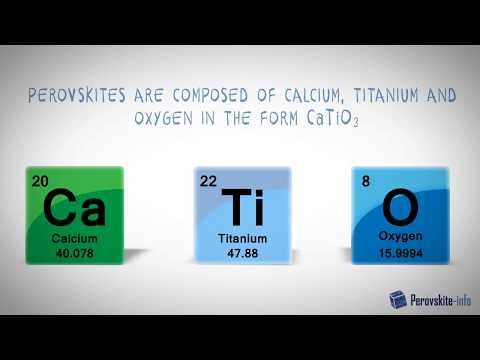
自然に存在するペロブスカイトはカルシウムとチタン酸化物(CaTiO3)で構成されますが、他の鉱物でも同様の結晶構造を持ち、化学式は「ABX3」規則に従います。
ペロブスカイト太陽電池はシリコンと組み合わせて設置することも、単独で設置することも可能です。

最近まで、薄膜電池は比較的新しく、主に軽量さが重要な用途で使用されてきました。解決すべき課題として、ペロブスカイト電池がポリシリコン電池よりもはるかに早く劣化する点がありました。
2009年に最初のペロブスカイト太陽電池が作られて以来、技術は大きく進歩し、現在ではポリシリコン太陽電池よりも効率が高くなっています。

これはまさに急成長している科学分野で、過去数年で研究所や大学から多くの新しい開発が生まれています。例として:
- アルミナナノ粒子を使用してペロブスカイト太陽電池の寿命を10倍に伸ばす.
- アミジミウムでペロブスカイト電池の劣化から保護する.
- 薄膜電池を使用して自律ドローンの飛行時間を延長する
- ペロブスカイトの非太陽光用途は多数あり、ペロブスカイト発光ダイオード(PeLED)から次世代半導体を駆動する蒸着ペロブスカイト、ペロブスカイトベースのレーザー、さらにはペロブスカイトベースのフォトニックコンピューティングまであります。
カドミウムテルルドの代替案
Cadmium telluride is another thin film solar cell technology, with higher efficiency than silicon-based cells. It is currently the one favored by First Solar, as well as the most mature alternative to silicon solar cells.

このプロセスは主に自動化されているため、労働コストの差に対して比較的敏感ではありません。そのため、西側諸国での生産がはるかに競争力を持ち、特に国内で販売される場合、輸送コストが不要になる点が有利です。

First Solar 概要
First Solar is a well-established solar company, active since 1999. It is the largest solar panel manufacturer in the USA and in the whole Western hemisphere, with manufacturing sites in the US, India, Malaysia, and Vietnam.
Its Ohio factory has the largest solar manufacturing footprint in the Western Hemisphere, with a new factory expected to be commissioned in Alabama in 2025.
The company is not using the classic crystalline silicon technology and instead uses its proprietary thin-film photovoltaics. Based on cadmium-telluride, they are more efficient than most silicon cells, are produced at a lower cost, and can easily be mass-manufactured.

First Solar’s cadmium telluride thin film solar panels are also more durable, retaining 89% of the original performance after 30 years, making it a leading performance in both thin film cells and solar panels in general. As a rule, the longer deployment duration of 30+ years reduces resource consumption.

出典: First Solar
Cadmium telluride also delivers 4% more annual energy in hot climates and up to an additional 4% more annual energy in high humidity conditions, making it more performing in high insulation environments where humidity and heat normally reduce the performance of polysilicon panels.
First Solar の成長と市場シェア
The company was founded in 1999 with an initial 74,000 square-foot facility in Perrysburg that initially created 50 jobs.
Today, it is very quickly expanding its production capacity, from the current 16GW nameplate capacity per year to 25GW by 2026. Of this total capacity, 14GW will be located in the USA, in Ohio, Alabama, and Louisiana.
It is also a historically very R&D-focused company, with $1.5B in cumulative R&D investment.
The company’s thin-film technology is overall more environmentally friendly than silicon-based solar panel techs, with up to 4x lower carbon footprint and 4x lower water footprint than silicon panels on a lifecycle basis.
Every year, First Solar products displace more than 7x the amount of greenhouse gas emitted through its global operations and supply chain.
First Solar の製造
異なる生産プロセス
The company’s focus on thin film semiconductor technology allows it to be fully vertically integrated, making it radically different from the silicon-based solar panel industry.
Instead of multiple factories, with each actor specialized in one segment like polysilicon purification, and with many days to produce a solar cell, First Solar can go from raw materials to finished product in less than 4 hours.

出典: First Solar
Ultimately, First Solar uses 98% less semiconductor material than traditional crystalline silicon technology.
The vertical integration represents a strategic advantage, as it allows First Solar to be fully independent of the Chinese supply chain. Instead, it can leverage the semiconductor supply chain to enable the construction and operation of new factories in as little as 18 months.
資源とリサイクル
Cadmium telluride production is the byproduct of other mining activity, and was until not long ago considered as a mining waste instead of a valuable resource. Cadmium comes from the refining of sulfidic ores of zinc, and, to a lesser degree, lead and copper, while telluride is produced from copper and copper-gold porphyry-type ore deposits.
This means that no new mining activity needs to be started to produce First Solar’s panel, further improving its environmental profile.
Another element is the very high recyclability of thin film solar panels, with as much as 90% of the material recovered.
This is even more important than for other types of solar panels, as cadmium is a heavy metal that could pollute soil and water supply if improperly managed at the end of the solar panel life.
The remaining 5-10% of the recycled module scrap consists primarily of glass fine particles which are captured by dust control systems and High-Efficiency Particulate Air (HEPA) filtration systems. So this “waste stream” is not cadmium rich nor constitutes long-term pollution risks.

出典: First Solar
The technical easiness of the recycling process helped First Solar create the “Recycling Service Agreements”, where the company preemptively takes responsibility for the end of life of its solar modules.
Not only does it help sales and reduce the risk of pollution, but it also provides the company with a circular supply of cadmium telluride.
“販売されたすべてのモジュールに対し、寿命終了時にモジュールを回収しリサイクルするサービスも提供しています。
これは、欧州で規制が導入される約8年前のことでした。現在、PV が含まれる電子廃棄物指令があります。
この工程はさらに改善される可能性があります。First Solarは、廃止予定の太陽光発電所へ直接輸送できる移動式リサイクル設備を開発しており、不要な輸送を減らすことを目指しています。
太陽光技術の進化: First Solar の次なる展開
Research and product development teams at First Solar forecast a thin film CdTe of 25% cell efficiency by 2025 and pathways to 28% cell efficiency by 2030.
長期的には、First Solar はカドミウムテルルド薄膜の経験をペロブスカイト技術に統合し、より高効率な太陽光パネルの実現を目指しています。

出典: First Solar
2024年第4四半期に、同社はペロブスカイトの生産能力を拡大し、“製造条件に近い技術サンプルを生産するための開発ライン” を取得しました。
ペロブスカイト薄膜とカドミウムシリコン薄膜を組み合わせたタンデムセルも可能で、同社技術の最終段階を示す可能性があります。
これまでカドミウムテルルド薄膜太陽光に主に注力してきましたが、First Solar の非シリコン太陽光パネル製造と薄膜大量生産の専門知識は、特に同分野のトップ研究者との深い関係を考慮すれば、ペロブスカイトで大きな先行優位性をもたらす可能性があります。
市場状況
アメリカ製
In the context of tariffs, trade wars, and an embargo of rare earth exports by China, the future of renewable energy industries in Western countries has been difficult to forecast.
レアアースの不足は、特に磁石(風力タービン、電気自動車)などの部品や、中国からのポリシリコンや太陽電池の輸入に依存するサプライチェーンの多くの関係者に深刻な影響を及ぼす可能性があります。
しかし、アジアからの太陽光パネル輸入に対する事実上の禁止は、First Solar にとって大きなチャンスです。カドミウムテルルドはレア資源でも中国依存でもないだけでなく、同社は他の材料も米国製の供給元から調達する戦略を明確にしています。
これには、Series 7 モジュール用の100%米国製ガラスと鋼材が含まれ、輸入鋼材とアルミニウムに対する関税が50%に上昇するという重要な要因があります。
これらのサプライヤーは、補完的なサプライチェーンに支えられています。例えば、オハイオ州で生産されるガラスはミシガン州で採掘された砂とワイオミング州のソーダ灰を使用しています。
需要が供給を上回る
This “Made-in-America” supply chain comes in handy as the country is massively accelerating its investment in solar power.

出典: First Solar
広い文脈も重要です。米国はAIでのリーダーシップと再産業化を目指すと同時に、暖房、輸送、製造における化石燃料ソリューションから徐々に移行しようとしています。
これらすべての目標には莫大な新電力容量が必要で、ガス、原子力、太陽光のすべてが需要に応えるために必要となります。
同社は現在、受注残が増加しており(2025年第1四半期だけで+0.6GW)、2030年までに合計66.3GWに達すると見込んでいます。

出典: First Solar
したがって、新政権が一部の太陽光補助金を廃止したとしても、関税の影響、中国からの脱却の戦略的重要性、太陽光需要の増大、そして米国における多くの大規模トレンドによる電力需要の増加が、First Solar に有利に働くことは明らかです。
結論
Despite First Solar being uniquely positioned to benefit from the trade war, it has so far not seen much of it in its stock price, as the renewable industry as a whole is concerned about the perceived Trump administration hostility to the sector.
これは風力プロジェクト、電気自動車の生産、バッテリー製造、さらにはシリコン技術に依存する太陽光パネルメーカーにも深刻な影響を及ぼす可能性があります。
これらはFirst Solar には当てはまらないため、革新的な太陽光技術に投資する投資家にとってはチャンスとなり得ます。
現在の地政学的混乱を無視した長期的な重要要因は、薄膜太陽電池がシリコンに比べて優れた収率を持つことです。カドミウムテルルドの現在の優位性に挑戦できるのはペロブスカイト技術だけですが、製造プロセスに多くの共通点があり、シリコンベースの電池とはほとんど重なりません。
中国企業が国際市場で激しい競争相手にならないとは言いません。特に LONGi Green Energy Technology(601012.SS)の 34.85% 効率 シリコン-ペロブスカイト タンデム太陽電池は例外ではありません。
しかし、米国である程度保護された市場を持つ可能性は、First Solar にこれまで中国企業だけが有していた規模とサプライチェーンのコントロールをもたらし、これが太陽光産業での中国企業の支配につながってきました。
最新の First Solar (FSLR) 株式ニュースと動向



