
Market Actualités
BRICS+ : Expansion, Risques et Enjeux Géopolitiques

 Ajouter Securities.io à vos sources préférées sur Google

Un équilibre des pouvoirs mondiaux en mutation
Les institutions internationales tendent à refléter l’équilibre des pouvoirs entre les grandes puissances au moment de leur fondation. Elles sont essentielles, car elles déterminent la manière dont le commerce, les déséquilibres économiques, les transferts de technologies et les conflits militaires sont gérés à l’échelle mondiale.
Par exemple, les Nations Unies ont été fondées en 1945 et possèdent un Conseil de sécurité fermé, composé de seulement cinq membres permanents, chacun disposant d’un droit de veto : la Chine, la France, la Russie, le Royaume‑Uni et les États‑Unis.
Il convient de noter que ces pays font partie des premiers à avoir obtenu des bombes nucléaires, et qu’à l’époque le Royaume‑Uni et la France étaient d’importantes puissances mondiales dotées de vastes empires coloniaux. Il est donc logique que des pays comme l’Inde n’aient pas été inclus, puisqu’ils n’étaient même pas indépendants à ce moment‑là.
Bien sûr, beaucoup de choses ont changé depuis 1945. L’URSS s’est effondrée, la Chine est devenue l’usine du monde, et les anciens empires coloniaux ont disparu.
C’est pourquoi de nouvelles organisations internationales se forment, reflétant un équilibre des pouvoirs en évolution. Peut‑être l’une des plus débattues est le soi‑disant BRICS, que certains décrivent comme un échec et d’autres comme l’avenir des relations internationales, remplaçant l’ordre mondial d’après‑Seconde Guerre mondiale devenu obsolète.
La vérité se situe probablement entre ces deux positions : le BRICS est une puissance montante parmi les organisations internationales, mais il se heurte à de sérieuses limites et à l’opposition des structures établies.
BRICS: De l’acronyme au bloc intergouvernemental (2001–2025)
Fait intéressant, le terme BRICS ne vient pas d’une initiative descendante de grandes puissances visant à organiser une alternative aux Nations unies. Il a été créé en 2001 par l’analyste financier de Goldman Sachs (GS ) Jim O’Neill pour désigner les marchés émergents exerçant la plus forte influence dans leur région :
- Brésil.
- Russie.
- Inde.
- Chine.
- Afrique du Sud.
L’idée derrière cet acronyme était que les investisseurs négligeaient chacun de ces pays, alors que tous disposaient d’un fort potentiel grâce à leurs ressources naturelles, leur croissance, leur dynamisme démographique ou leurs capacités industrielles et scientifiques.
Il décrivait aussi correctement un groupe de pays tenus à l’écart de l’influence dans la plupart des institutions économiques mondiales, généralement dominées par des responsables nommés par les pays occidentaux, comme le FMI ou la Banque mondiale.
Le BRICS en est ainsi venu à désigner de manière abrégée « l’autre » partie de l’économie mondiale, hors de l’Occident et de ses alliés les plus proches, comme le Japon et la Corée du Sud.
2009–2011: Premiers sommets et accession de l’Afrique du Sud
L’idée que les pays du BRICS partageaient des intérêts et des préoccupations concernant le système international a commencé à s’imposer. La première réunion, rassemblant leurs représentants, s’est tenue en 2009 sous la forme d’un « club diplomatique informel ». L’Afrique du Sud a officiellement rejoint le groupe en 2011.

Source : BRICS
Pendant de nombreuses années, le BRICS a constitué un forum alternatif où ces pays pouvaient se rencontrer et discuter de questions communes indépendamment des pays occidentaux. Mais, au-delà des déclarations convenues, les résultats concrets sont restés limités.
2024–2025 Expansion: Adhésion BRICS+ & Institutions
La situation a progressivement évolué avec la création de nouvelles institutions multilatérales, telles que la Nouvelle banque de développement, le fonds de réserve d’urgence du BRICS de 100 milliards de dollars, ainsi que 60 institutions internes et un vaste réseau de groupes de réflexion.
Autre évolution : le BRICS est devenu le BRICS+ en 2024, l’acronyme d’origine étant désormais surtout un héritage de sa fondation.
De nombreux pays ont manifesté leur intérêt et obtenu soit une adhésion pleine, soit un statut susceptible d’y conduire. Parmi les ajouts les plus notables de l’élargissement de 2024 figurent les Émirats arabes unis, l’Iran, l’Égypte et l’Éthiopie. L’Indonésie a officiellement adhéré en janvier 2025.

Source : Geopolitical Economy
De nombreux autres pays d’Asie, d’Afrique et d’Amérique du Sud ont été invités à participer en tant que « pays partenaires » : Algérie, Biélorussie, Bolivie, Cuba, Indonésie, Kazakhstan, Malaisie, Nigeria, Thaïlande, Turquie, Ouganda, Ouzbékistan et Vietnam.
BRICS+ et l’ordre mondial multipolaire émergent
Multipolarité
Entre 2009 et 2025, de nombreux événements ont modifié l’influence des réunions du BRICS, tant sur le plan économique que dans les relations internationales.
Cela a donné naissance au concept de multipolarité. En théorie, il pourrait offrir une alternative à « l’ordre fondé sur des règles » dominé par l’Occident, dans lequel le monde serait géré par plusieurs « pôles » de puissance organisés autour de grands pays régionaux, avec beaucoup moins d’institutions mondiales.
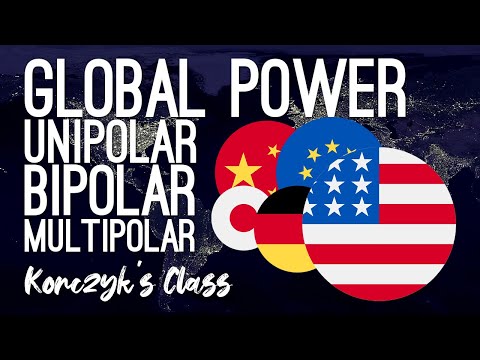
À bien des égards, il s’agit d’un retour à la notion de « zone d’influence » de la guerre froide et de l’avant-Seconde Guerre mondiale, ou à l’ordre européen établi après les guerres napoléoniennes au XIXe siècle.
Dans cette vision, l’opposition actuelle entre « l’Occident et le reste du monde » serait remplacée par des centres de pouvoir : États-Unis, UE, Russie, Chine, Inde, Brésil, Iran, etc., chacun exerçant davantage de pouvoir et d’autonomie à l’échelle régionale.
L’échelle industrielle de la Chine et le levier BRICS
Durant cette période, la Chine est passée du statut de pays en développement à celui de l’une des plus grandes économies mondiales, voire la première en matière de capacité industrielle ou d’influence sur le commerce international.

Source : Statista
L’essor de la Chine s’est accompagné d’une hausse des tensions avec les États-Unis, culminant en plusieurs vagues de guerre commerciale sous l’administration Biden et les deux administrations Trump.
La Chine est aussi devenue dominante dans de nombreuses industries : drones, énergie solaire, batteries, véhicules électriques abordables, terres rares et lithium. Elle est également le premier producteur mondial de béton, d’acier et de navires.
Dans ce contexte, la montée en puissance de la Chine est parfois perçue comme une menace existentielle pour l’influence américaine, à un niveau que l’URSS, davantage dépendante de sa puissance militaire, n’a peut-être jamais atteint.

Source : The Economist
Contraintes géopolitiques de la Russie et diplomatie BRICS
Les relations entre l’Occident et la Russie se sont continuellement dégradées durant cette période, avec une succession de foyers de tension de plus en plus violents :
- Guerre russo‑géorgienne en 2008.
- Révolution du Maïdan et Crimée en 2014
- Intervention militaire russe en Syrie à partir de 2015.
- « Opération militaire spéciale » en Ukraine depuis 2022.
Dans ce contexte, le BRICS, mais aussi l’Organisation de coopération de Shanghai (OCS), ont joué un rôle important pour permettre à la Russie de préserver ses relations internationales, ses échanges vitaux et ses liens diplomatiques.

Source : Visual Capitalist
Pourquoi le Sud global migre vers les forums BRICS
La croissance économique et le développement de l’Amérique du Sud, de l’Inde et de l’Asie du Sud-Est alimentent aussi l’intérêt croissant pour le BRICS et d’autres organisations jugées plus représentatives du « Sud global ».
À mesure que les nations non occidentales s’enrichissent, elles souhaitent également être entendues et exercer davantage d’influence dans les affaires internationales.
En proposant aux pays du Sud global des forums alternatifs à l’ONU ou au G7/G20, le BRICS permet à des États qualifiés de « voyous » comme l’Iran, à de grandes puissances comme la Chine et la Russie, ou à des puissances émergentes comme l’Inde et le Brésil d’accroître leur influence.
Qu’est‑ce que le BRICS+ a accompli jusqu’à présent ?
Critiques / Argument pro‑BRICS+
Les détracteurs du BRICS soulignent, à juste titre, que le forum a jusqu’ici débouché sur très peu de décisions pratiques et que son impact concret reste limité.
L’une des principales raisons est que, contrairement au Conseil de sécurité de l’ONU, au FMI ou à l’OTAN, le BRICS est beaucoup moins formel et fonctionne par consensus. Ses déclarations et décisions ne sont donc pas contraignantes et doivent être ramenées au plus petit dénominateur commun.
La grande diversité des pays du BRICS constitue également un obstacle :
- Des pays encore en développement comme l’Afrique du Sud, l’Égypte ou le Brésil ne se trouvent pas au même stade que la Chine.
- Les puissances nucléaires comme la Chine, la Russie ou l’Inde soutiennent rarement les ambitions nucléaires de pays comme l’Iran.
Enfin, les relations entre certains membres sont souvent tendues. L’Inde et la Chine connaissent par exemple des accrochages réguliers à leur frontière himalayenne, tandis que les liens étroits entre la Chine et le Pakistan accentuent les tensions avec l’Inde.
Tous ces facteurs limitent ce que le BRICS peut accomplir : diversité des intérêts, conflits mutuels et volonté de nombreux membres de rester proches du bloc occidental l’empêchent de devenir une alternative viable aux institutions dirigées par l’Occident.
Partisans
Faites glisser pour faire défiler →
| Métrique | BRICS+ | G7 | Notes (méthode/date) |
|---|---|---|---|
| Part de la population mondiale | ~45–49 % | ~10 % | Données ONU/BRICS, 2025 |
| Part du PIB mondial (PPA) | ~35–36 % | ~28–30 % | FMI/Statista 2024–2025 |
| Production pétrolière | ~30 % | ~20–22 % | Carnegie/IEA 2025 |
| Réserves de gaz | ~53 % | ~6–7 % | Analyses politiques BRICS 2024 |
| Utilisateurs d’Internet | ~40 % | ~12–14 % | Wikipedia/ONU ITU, 2024 |
En bref, le BRICS+ regroupe aujourd’hui près de la moitié de la population mondiale et plus d’un tiers du PIB mondial (PPA). Ses membres dominent la production d’énergie et de matières premières et jouent un rôle croissant dans la connectivité Internet et le développement des énergies bas‑carbone.
Les partisans de l’initiative BRICS soulignent toutefois que les récentes vagues d’expansion et l’intérêt de nouveaux pays à adhérer reflètent un besoin urgent de nouvelles institutions internationales.
L’adhésion de pays comme l’Iran et l’Indonésie reflète également un rééquilibrage du pouvoir, le développement militaire et économique conférant à ces nouveaux acteurs une position plus forte dans les négociations internationales.
Plus précisément, l’intégration de l’Iran et l’influence persistante de la Russie peuvent être décrites comme un rejet des tentatives occidentales d’isoler ces pays du reste du monde.
De même, alors que les États‑Unis décrivent leur guerre commerciale avec la Chine comme un problème mondial (« Ne vous méprenez pas, il s’agit de la Chine contre le monde »), les membres du BRICS semblent contester ce point de vue.
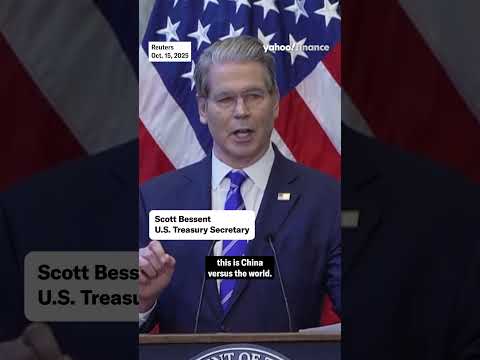
À cet égard, l’absence d’un agenda cohérent et d’un mécanisme d’application est parfois perçue comme un avantage, permettant un débat ouvert même dans une décennie marquée par des tensions géopolitiques et des conflits records.
Enfin, les enthousiastes du BRICS+ soulignent à juste titre que l’organisation réunit aujourd’hui la majorité de l’humanité et possède autant, voire plus, de capacité économique que l’Occident.

Source : Statista
Avenir du BRICS
Coopération ou conflit ?
L’influence future du BRICS+ et d’organisations similaires comme l’OCS dépendra largement de l’évolution mondiale du commerce, des conflits militaires et du développement économique.
Dans l’ensemble, il paraît irréaliste que les pays occidentaux continuent indéfiniment à décider seuls du destin du monde comme en 1945, alors que l’Asie, l’Amérique du Sud, le Moyen-Orient et l’Afrique se développent rapidement.
Cela ne signifie pas nécessairement que de nouvelles organisations doivent remplacer les anciennes, mais les institutions historiques comme l’ONU, le FMI, la Banque mondiale et l’OMC doivent se réformer afin d’accorder davantage d’influence aux autres pays.
Si elles échouent, le BRICS+ et d’autres organisations combleront probablement le vide.
Modèle de développement
Une conséquence plus profonde de l’essor économique chinois est la remise en cause des modèles de développement. Jusqu’à récemment, l’accès au marché et aux capitaux américains était considéré comme indispensable aux pays en développement.
Mais la Chine est désormais beaucoup plus riche et semble capable de supporter une guerre commerciale totale, des sanctions contre son industrie des semi-conducteurs, etc.
Elle offre ainsi à de nombreux pays une source alternative de capitaux et un modèle de développement différent de celui de l’Occident dominé par la finance.
Un modèle fondé sur les infrastructures — barrages hydroélectriques, trains à grande vitesse, ports, etc. — et l’intégration à la chaîne d’approvisionnement chinoise, financé par des initiatives comme les Nouvelles routes de la soie, pourrait être adopté au détriment des liens financiers et industriels avec l’Occident.

Source : Belt And Road Research Platform
Les critiques mettent en avant les risques de prêts prédateurs, de dépendance envers la Chine et d’ingérence politique étrangère.
Leurs contradicteurs répondent que les mêmes reproches peuvent être adressés aux prêts du FMI et de la Banque mondiale.
Dé‑dollarisation : paiements, changes et or
Dé‑dollarisation
Probablement l’un des sujets les plus controversés chez les investisseurs et les économistes, la dé-dollarisation plane sur toutes les discussions concernant le BRICS+.
La réduction du rôle du dollar américain dans les réserves monétaires et le commerce international intéresse particulièrement des puissances rivales comme la Chine et la Russie, mais moins les pays entretenant de meilleures relations avec les États-Unis et l’Europe, comme l’Inde.
Les pays du BRICS développent néanmoins des solutions nationales remplaçant les infrastructures financières dominées par l’Occident, comme le réseau SWIFT.

Source : GIS Reports
Les échanges entre membres du BRICS se font également de plus en plus en monnaies locales plutôt que par l’intermédiaire du dollar, comme c’était la norme depuis des décennies.
Il faut aussi noter qu’il s’agit d’une tendance mondiale, non limitée au BRICS, car les économies en croissance cherchent à mieux contrôler leur monnaie et leurs échanges.
Même si le BRICS n’a pas encore créé de système financier unifié, l’approche progressive reliant plusieurs systèmes nationaux ou régionaux devrait perdurer et gagner en importance.
Or, mBridge et expériences de règlement
Un autre sujet très débattu, y compris au sein de l’organisation, est celui d’une monnaie commune au BRICS.
Ces pays représentant une part considérable de la production mondiale de matières premières, d’énergie et de biens industriels, ils pourraient en théorie créer une monnaie adossée à l’énergie ou aux matières premières comme alternative au dollar.
En pratique, cette idée a peu de chances de fonctionner, pour au moins trois raisons :
- Les membres disposent de ressources naturelles différentes. Créer une monnaie synthétique adossée au pétrole, au gaz, aux métaux et à d’autres ressources serait un cauchemar de négociation, chacun ayant intérêt à valoriser davantage sa matière première privilégiée.
- Cela pourrait aussi donner davantage de pouvoir de négociation aux producteurs de matières premières comme la Russie, le Brésil, les Émirats arabes unis et l’Iran face à la Chine, ce que Pékin accepterait difficilement.
- Une offensive agressive en faveur d’une alternative au dollar serait mal accueillie au Brésil et en Inde, qui cherchent à éviter la confrontation avec l’Occident et à entretenir de bonnes relations avec « tous les camps ».
- La volatilité des prix des matières premières pourrait rendre un tel système très instable.
Historiquement, l’or a constitué une solution universellement acceptée pour solder les balances de paiements du commerce international.
L’or peut servir de monnaie « neutre », sans lien avec un pays en particulier et convertible dans d’autres devises.
Cela neutralise aussi le risque qu’un pays « transforme sa monnaie en arme », comme lorsque les réserves russes libellées en dollars et en euros ont été gelées après le début de la guerre en Ukraine.
Certains signes témoignent d’un intérêt prudent dans cette direction, Shanghai travaillant activement à devenir un centre international du commerce de l’or.

Source : Jim Bianco
La convertibilité de fait du yuan en or sera en outre favorisée par l’ouverture de nouveaux coffres de livraison physique à Hong Kong et les projets de nouveaux entrepôts à l’étranger, notamment dans des centres financiers internationaux comme Dubaï.
Un pilier du BRICS est le projet pilote transfrontalier de monnaie numérique de banque centrale souvent appelé mBridge. Il a été lancé par la Chine, Hong Kong, la Thaïlande et les Émirats arabes unis, puis rejoint récemment par l’Arabie saoudite.
Il permet aux participants de régler leurs transactions en monnaies locales plutôt qu’en dollars. À l’inverse, la voie américaine repose sur des stablecoins en dollars, des jetons numériques adossés à des bons du Trésor à court terme.
Article de Mining.com : « L’or papier est terminé tandis que les nations du BRICS bâtissent des paiements sans dollar ».
On suppose aussi que la Chine et la Russie accumulent discrètement des réserves d’or depuis des années, les réserves réelles de la Chine pouvant être deux à trois fois supérieures aux chiffres officiels.
La récente hausse du prix de l’or a sans doute aussi rendu le métal jaune plus attrayant comme alternative au dollar, les achats des banques centrales, notamment chinoises, ayant soutenu cette hausse.
Il reste à voir si cette initiative réussira.
Mais, face à la riposte ferme de la Chine aux droits de douane par des restrictions sur les exportations de terres rares, le gouvernement chinois et certains de ses partenaires du BRICS semblent prêts à défier les États-Unis bien plus directement qu’auparavant et à s’opposer à l’instrumentalisation du dollar.
Conclusion
Né en 2001 comme acronyme d’une banque d’investissement, le BRICS+ est devenu en deux décennies une organisation internationale à part entière réunissant une grande partie de la population, du PIB et des ressources mondiales.
Dans le même temps, il a souvent peiné à transformer cette portée remarquable en influence ou en pouvoir réel.
Cela tient en grande partie aux mêmes causes qui rendent souvent l’ONU impuissante : manque de leadership, intérêts contradictoires et difficulté à obtenir un consensus unanime sur les décisions importantes.
Les pays occidentaux et les organisations qu’ils dirigent ne devraient cependant pas l’écarter trop facilement.
À mesure que les pays en développement se lassent de l’influence limitée de leur voix à l’ONU, au FMI, à la Banque mondiale et à l’OMC, ils peuvent chercher des alternatives, surtout lorsque les États-Unis adoptent une ligne plus protectionniste et que l’Europe s’enferme dans un conflit croissant avec la Russie.
Même si le BRICS+ ne devient pas l’exemple idéal de multipolarité imaginé par certains, il pourrait au moins modifier l’ordre diplomatique international en introduisant davantage de concurrence face aux institutions établies.
Investir dans le BRICS
1. iShares BIC 50 UCITS ETF.
BRIC Graphique du prix
Le BRICS regroupant de vastes économies, aucune entreprise ne suffit à offrir une exposition diversifiée. Toutefois, Alibaba (BABA ), MercadoLibre (MELI ), NuBank (NU ) ou SEA (SE ) offrent une exposition au commerce électronique et aux technologies des pays concernés (Chine, Brésil, Indonésie) (suivez les liens pour consulter un rapport consacré à chaque entreprise).
Une autre solution consiste à utiliser des ETF dédiés. L’iShares BIC 50 UCITS ETF en est un bon exemple.
L’ETF suit un indice composé de 50 des plus grandes entreprises brésiliennes, indiennes et chinoises. Comme dans le PIB du BRICS+, la majorité sont chinoises : sociétés technologiques comme Alibaba et Tencent, mais aussi banques, assureurs, raffineries et constructeurs automobiles (BYD, Xpeng, Geely).
Le groupe minier brésilien Vale (VALE ) en fait également partie.

Source : iShares
La consommation discrétionnaire domine l’indice, devant la finance et les TIC. L’exposition aux matériaux, à l’énergie et à l’immobilier est relativement faible au regard de leur poids dans les économies du BRICS+.

Source : iShares
L’indice comprenait autrefois des actions russes comme Gazprom, Sberbank et Rosneft, mais leur valeur a été ramenée pratiquement à zéro depuis l’invasion de l’Ukraine.
Cela montre que les investisseurs dans cet ETF, et plus généralement dans les pays du BRICS+, doivent sans doute accorder davantage d’attention aux risques géopolitiques que pour d’autres ETF internationaux.
2. iShares MSCI BRIC ETF
BKF Graphique du prix
Cet autre ETF cherche à reproduire un indice composé d’actions chinoises accessibles aux investisseurs internationaux, ainsi que d’actions brésiliennes et indiennes.
Ici encore, les principales positions sont majoritairement chinoises, mais l’exposition aux deux autres pays est renforcée : la banque indienne HDFC Bank (HDB ) est la troisième position, et Reliance, grand groupe indien de l’énergie et de l’industrie, la cinquième.
Vale, Nu Holdings et d’autres actions indiennes et brésiliennes figurent également dans l’ETF.

Source : iShares
L’indice est fortement concentré sur les TIC et la finance, la consommation discrétionnaire, l’industrie, les matériaux et l’énergie constituant les autres grands secteurs.

Source : iShares



