
Materias primas
Rio Tinto (RIO): Extrayendo los Metales del Futuro

 Añade Securities.io a tus fuentes preferidas en Google
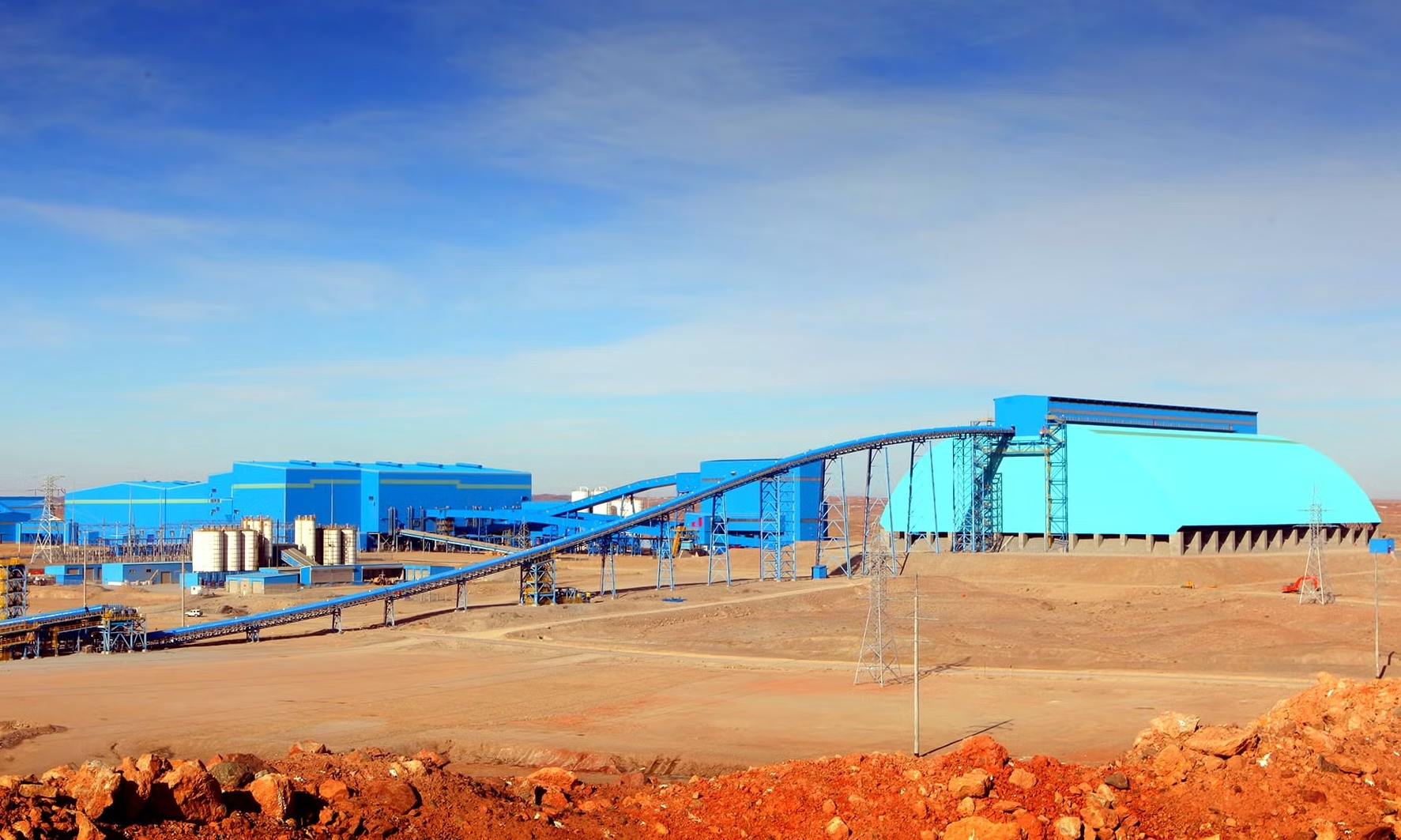
Preparando la Minería para la Transición Energética
La minería suele ser percibida por el público como una industria sucia y poco tecnológica, además de una inversión inferior frente a sectores más innovadores.
Esto es cierto en muchas áreas del sector, donde la principal preocupación es extraer los recursos al menor costo posible.
Sin embargo, el mundo moderno se sustenta en metales extraídos por la minería: litio, cobre, aluminio, titanio y tierras raras. Todos ellos son esenciales para los centros de datos de IA, los vehículos eléctricos, los paneles solares, las baterías y las naves espaciales, entre muchas otras aplicaciones.
RIO Gráfico de precios
Por tanto, aunque no sea el componente más glamuroso de la transición energética y la innovación, la minería sigue siendo indispensable. Algunas empresas, además, van mucho más allá de la simple extracción.
Las mayores mineras también son potencias de investigación y desarrollo. Aprovechan su enorme escala para reducir el consumo de energía y agua y la contaminación, y para mejorar la producción de estos metales críticos. Asimismo, evolucionan al alejarse del carbón y los metales básicos y orientarse hacia materiales de importancia estratégica futura, como el litio y el cobre.
Entre las cinco mayores mineras del mundo, ninguna representa mejor esta transición hacia una industria más sostenible que Rio Tinto (RIO ).
Resumen
- Rio Tinto sigue impulsado por el mineral de hierro, pero su futuro está cada vez más ligado al cobre, litio, aluminio y otros metales críticos.
- La compañía está expandiéndose más allá del mineral de hierro de Pilbara con Simandou en Guinea, Oyu Tolgoi en Mongolia, nuevos proyectos de cobre en América y la adquisición de Arcadium Lithium .
- Proyectos de crecimiento como Rincon y Arcadium le dan a Rio palanca para baterías, vehículos eléctricos y la expansión de la red eléctrica a lo largo de la transición energética.
- Rio está implementando nuevas tecnologías, incluyendo la bioextracción Nuton para cobre, extracción directa de litio (DLE) y la fundición de aluminio bajo en carbono ELYSIS.
- La dirección apunta a devolver entre el 40 % y el 60 % de las ganancias subyacentes a los accionistas y ha entregado cerca del 60 % de pago durante nueve años, aunque los dividendos siguen siendo cíclicos con los precios de los commodities.
Visión General del Negocio de Rio Tinto: Metales Principales y Estrategia
Rio Tinto es la segunda mayor empresa minera del mundo. La mayor parte de su actividad corresponde al mineral de hierro, con importantes activos históricos en Australia y una nueva megamina en África.
También es un productor muy importante de cobre y aluminio, con ambiciosos planes de expansión de la producción cuprífera.
Además, se ha expandido rápidamente en el mercado del litio mediante varios proyectos y la gran adquisición de Arcadium Lithium en 2024.
La empresa también es líder en la producción de titanio, boro y aluminio; este último metal le brinda la oportunidad de ampliar su actividad hacia las tierras raras, como se explica más adelante.

Fuente: Rio Tinto
Esta combinación sitúa a Rio Tinto entre los principales productores de algunos de los mayores mercados de materias primas. Más importante aún, la mayoría de sus minas son muy grandes o contienen mineral de alta ley, lo que permite operaciones eficientes y costos de producción entre los más bajos del mundo.

Fuente: Rio Tinto
Al concentrar sus minas en Australia, América y África, Rio Tinto es uno de los proveedores estratégicos de estos metales más importantes para Occidente; más del 81% de su producción procede de países de la OCDE. Esto resulta crucial porque la nacionalización y la vulneración de los derechos de propiedad pueden representar un riesgo considerable para quienes invierten en mineras situadas en jurisdicciones más inestables.

Fuente: Rio Tinto
Mineral de Hierro: Pilbara y Simandou como el Núcleo de Rio Tinto
Pilbara – Australia
Aunque los demás metales generan ingresos adicionales o podrían definir el futuro de la empresa, el mineral de hierro es el origen histórico de Rio Tinto y sigue siendo el centro de su actividad.
La producción de mineral de hierro será insuficiente en los próximos años. A finales de la década de 2020 se perfila un gran déficit de oferta a medida que se agotan los recursos de los productores más pequeños.

Fuente: Rio Tinto
Además, la inversión en nuevos recursos fue históricamente baja entre 2016 y 2023. Como una mina nueva tarda años o incluso más de una década en pasar del proyecto a la producción plena, es casi inevitable que la oferta de mineral de hierro sea limitada durante la próxima década.

Fuente: Rio Tinto
Gran parte del mineral de hierro de Rio Tinto y del mundo procede de la tierra roja de Australia Occidental, especialmente de Pilbara, donde Rio Tinto opera junto a gigantes como BHP (BHP ) y Fortescue (FMG.AX).
Las operaciones de Rio Tinto en la región tienen una capacidad de 345–360 millones de toneladas anuales, distribuida entre 13 centros mineros y 2.000 kilómetros de ferrocarril que transportan el mineral hasta puertos propios.

Fuente: Rio Tinto
Simandou – Guinea
La empresa ha trabajado intensamente para incorporar el yacimiento africano de Simandou, en Guinea, que alcanzará una capacidad de 60 millones de toneladas anuales cuando esté plenamente desarrollado.

Fuente: Rio Tinto
Es un proyecto enorme en un país que hasta ahora carecía de la infraestructura necesaria para llevar el mineral al mar y, por tanto, a los mercados internacionales. La construcción de 600 kilómetros de ferrocarril hizo posible la logística y la mina, copropiedad del Gobierno de Guinea, un consorcio chino y Rio Tinto, comenzó a operar en noviembre de 2025.
“Hoy abrimos una nueva fuente excepcional de mineral de hierro de alta ley, que nuestros clientes demandan para producir acero con bajas emisiones de carbono, y reforzamos nuestra cartera mundial de minas de mineral de hierro en Pilbara y Canadá.”
El ferrocarril y los puertos están completados en un 61%, la mina en un 60% y hasta ahora se han invertido 3.300 millones de dólares en el proyecto.
“El inicio de las operaciones del proyecto Simandou es un logro importante, guiado por el consenso alcanzado por los jefes de Estado de ambos países. Refleja los esfuerzos conjuntos y la cooperación pragmática entre China y Guinea, y contribuye al proceso de industrialización y modernización de Guinea.”
Crecimiento en Cobre, Litio y Metales Críticos
Deslice para ver más →
| Proyecto | Metal | Región | Rol en la Estrategia | Escala / Cronograma Indicativo |
|---|---|---|---|---|
| Sistema de Mineral de Hierro de Pilbara | Mineral de hierro | Australia Occidental | Negocio principal generador de efectivo que financia el crecimiento y los dividendos. | Camino a ~345–360 Mtpa de capacidad del sistema a medio plazo. |
| Simandou | Mineral de hierro de alta ley | Guinea, África Occidental | Diversifica el mineral de hierro fuera de Australia; suministra mineral premium para acero bajo en carbono. | Operaciones iniciadas en noviembre de 2025; hasta ~120 Mtpa de capacidad combinada de exportación. |
| Oyu Tolgoi | Cobre, oro | Mongolia | Activo insignia de cobre que sustenta la exposición de Rio a la electrificación. | Motor clave de la guía de cobre 2025 de 860–875 kt a nivel grupal. |
| Rincon | Litio (salmuera) | Argentina, Triángulo del Litio | Construye una posición de litio a gran escala y de larga vida para baterías de VE. | Proyecto de US$2.5 B; hasta ~60 000 t/año de Li₂CO₃, vida útil de 40 años; primera producción esperada en 2028. |
| Arcadium Lithium | Litio (varios) | Activos globales | Transforma a Rio en un productor de litio de primer nivel con tecnología DLE líder. | Adquirido a principios de 2025; tercer productor de litio más grande con la mayor base de recursos. |
| Nuton | Cobre (de menas de bajo grado) | Aplicaciones globales | Plataforma tecnológica para desbloquear recursos de cobre atrapados y residuos. | Proceso de bioextracción con recuperación de hasta ~85 %; primer cobre real producido en 2025. |
El Hambre Mundial de Metales
Varias tendencias estructurales subrayan la necesidad de producir más metales en un mundo donde la mayoría de los mejores yacimientos ya se explotan o están agotándose.
La primera es el crecimiento demográfico. Muchos de los países más poblados del planeta, como China, India, Indonesia y las naciones del Sudeste Asiático, atraviesan una fase de desarrollo que exige grandes cantidades de metal para infraestructuras y bienes de consumo básicos.
La segunda es la electrificación, que requiere más baterías, motores eléctricos, transformadores y líneas eléctricas.

Fuente: Rio Tinto
Al mismo tiempo, desarrollar nuevas minas nunca había sido tan lento ni tan costoso, lo que limita la explotación de grandes yacimientos a un reducido grupo de compañías como Rio Tinto.

Fuente: Rio Tinto
Por ello, Rio Tinto adoptó una estrategia para aumentar su producción a una tasa anual compuesta del 3% entre 2024 y 2033. Simandou permitirá ampliar el negocio del hierro y diversificarlo más allá de Australia, pero la transformación más profunda de la empresa se concentra en el cobre y el litio.
Cobre para la Electrificación: Oyu Tolgoi & Otros Proyectos
Como metal esencial para la electrificación, necesario en grandes cantidades en cada vehículo eléctrico, batería, transformador y cable, el cobre está pasando de ser una materia prima industrial a convertirse en un recurso estratégico valioso. Sin embargo, la mayoría de los grandes yacimientos ya se han desarrollado y se están agotando.
La mina mongola Oyu Tolgoi es un motor clave del crecimiento del cobre de Rio Tinto a medida que se amplía la explotación subterránea. La compañía espera una producción minera total de 860–875 mil toneladas de cobre en 2025, y Oyu Tolgoi aportará una parte importante del aumento tras años de inversión en el yacimiento y su infraestructura.

Fuente: Rio Tinto
El cobre de Mongolia se suma a la producción existente en Chile y Estados Unidos. A largo plazo se añadirán Nuevo Cobre en Chile, desarrollado junto con Codelco, La Granja en Perú, Winu en Australia y Resolution en Estados Unidos.

Fuente: Rio Tinto
Nuton
Otro gran proyecto de cobre de Rio Tinto es Nuton, una empresa tecnológica dedicada a la producción sostenible. Durante treinta años ha desarrollado un método avanzado de biolixiviación capaz de extraer mucho más cobre del mineral que las tecnologías anteriores.
Esta tecnología puede transformar radicalmente la oferta mundial de cobre al hacer rentables minerales difíciles de explotar. Utiliza bacterias y electroobtención para alcanzar tasas de recuperación de hasta el 85%.
“La tecnología Nuton puede cambiar las reglas del juego al hacer económicamente viables minerales sulfurados que históricamente eran difíciles de lixiviar. Lo conseguimos con tasas de recuperación de cobre líderes en el sector, de hasta el 85%, por encima de las normas actuales de la industria.”
También permite extraer más cobre de residuos mineros que hasta ahora no podían aprovecharse por completo. Nuton produjo cobre por primera vez en condiciones reales a comienzos de 2025.
Ver: la tecnología Nuton de Rio Tinto en acción (video)
Litio: Arcadium, Rincon y el Impulso de Rio Tinto en Metales para Baterías
Arcadium
Rio Tinto irrumpió con fuerza en el sector del litio cuando completó la adquisición de Arcadium Lithium a comienzos de 2025.
Arcadium Lithium había surgido de la fusión de las grandes productoras de litio Livent y Allkem.

Fuente: Arcadium
Era la tercera mayor productora de litio del mundo y contaba con la mayor base de recursos, por lo que también estaba en la mejor posición para incrementar su producción.
“Al combinar la escala, la solidez financiera y la experiencia operativa y de desarrollo de proyectos de Rio Tinto con los activos de primer nivel y las capacidades técnicas y comerciales de Arcadium, creamos un negocio de litio de clase mundial junto a nuestras operaciones líderes de mineral de hierro, aluminio y cobre.”
Cabe destacar que la compra se realizó al final de una profunda caída del mercado del litio. A pesar de los bajos precios del período, el margen EBITDA de Arcadium en el primer semestre de 2024 seguía siendo del 40%, gracias a recursos de alta ley y una tecnología de extracción directa de litio (DLE) líder en el sector.
Arcadium trabaja con DLE desde 1996, combinándola con estanques de evaporación, y recientemente logró avances importantes para hacerla comercialmente viable como método de extracción independiente.
Arcadium también desarrolló LIOVIX, una lámina de litio imprimible que puede mejorar el rendimiento de las baterías, reducir los costos de fabricación y disminuir el consumo de litio.

Fuente: Arcadium
Otro gran proyecto de litio es Rincon, situado en el triángulo del litio de Argentina. La inversión de 2.500 millones de dólares anunciada en diciembre de 2024 creará un gran productor con capacidad de hasta 60.000 toneladas anuales de carbonato de litio de grado batería.
Se espera que la mina Rincon tenga una vida útil de 40 años. La primera producción está prevista para 2028, seguida de tres años de aumento gradual hasta alcanzar la capacidad total.
Otro proyecto, Jadar en Serbia, debía ampliar aún más la producción de litio de Rio Tinto para el mercado de la UE, pero las protestas y la inestabilidad política lo han paralizado por ahora.
Aluminio
Rio Tinto también es un gran productor de aluminio, con presencia en toda la cadena de suministro, desde la bauxita hasta la alúmina y el aluminio.
La empresa ha ubicado sus operaciones de aluminio en regiones donde puede obtener energía barata y baja en carbono, en particular energía hidroeléctrica en Canadá y energía hidroeléctrica y geotérmica en Islandia, además de Estados Unidos.
El sector puede beneficiarse de los aranceles estadounidenses, ya que la producción local resulta más rentable y los precios regionales se han ajustado para reflejar esos aranceles.
Otra oportunidad del segmento es que la alúmina suele contener abundantes tierras raras. Una razón por la que China se convirtió en experta en su refinación y producción es que obligó a sus refinerías de aluminio a purificarlas también.
Rio Tinto estudia realizar la misma actividad, lo que podría aportar producción nacional y de países aliados fuera de la influencia china. También podría obtener galio de su producción de aluminio.
Probablemente se necesiten incentivos de mercado más claros o nuevas políticas para que la iniciativa se concrete.
“El siguiente paso es examinar con mayor profundidad los minerales críticos y no considerarlos necesariamente como minas separadas. La ausencia de un mercado al contado sólido para muchos de estos minerales explica por qué normalmente no se ve a las cinco mayores mineras en este ámbito.”
Jakob Stausholm – CEO de Rio Tinto
Otros Proyectos & Metales
Aunque no son esenciales para su actividad principal, Rio Tinto también posee otras minas que vale la pena mencionar:
- Diavik en Canadá, que produce diamantes.
- Dampier Salt en Australia, que produce sal marina.
- Burra en Australia, un proyecto con potencial para producir escandio, empleado en aleaciones de aluminio para mejorar la flexibilidad y la resistencia al calor y la corrosión.
- La producción de boro en California, que cubre el 30% de la demanda mundial.
- Rio Tinto Iron and Titanium (RTIT) en Quebec, que produce hierro, escandio y el 19% de la demanda mundial de titanio, además de Richards Bay Minerals en Sudáfrica y QIT Madagascar Minerals (QMM) en Madagascar.
Innovación & Sostenibilidad
Además de la nueva tecnología de Nuton para extraer cobre y la extracción directa de litio de Arcadium, Rio Tinto invierte fuertemente en reducir su huella de carbono y adoptar con rapidez nuevas tecnologías.
Por ejemplo, junto con BHP empezó a utilizar los primeros camiones mineros eléctricos a batería de Caterpillar en Pilbara para sustituir vehículos diésel. (CAT )
“Estas pruebas nos ayudarán a comprender cómo encajan todas las piezas: las tecnologías de baterías, la infraestructura de generación y carga, la gestión energética y las cadenas de suministro necesarias para ofrecerlo a gran escala.”
Tim Day – presidente de activos de mineral de hierro de BHP en Australia Occidental
La empresa promueve etiquetas de sostenibilidad para el aluminio, los cátodos de cobre y los polvos metálicos.
Está desarrollando la tecnología ELYSIS para producir aluminio con bajas emisiones, que permitió por primera vez una electrólisis sin carbono a gran escala en agosto de 2025.
El telururo de cadmio (CdTe), utilizado en paneles solares de película delgada como los de First Solar (FSLR ), también se produce en la mina de cobre Kennecott de Rio Tinto.
“Más del 90% del telurio se produce como subproducto de la fundición y refinación del cobre, y Kennecott es una de las dos grandes fundiciones primarias de cobre que quedan en Estados Unidos.”
Rio Tinto también invierte en sostenibilidad mediante refinación de alúmina con hidrógeno junto con la Australian Renewable Energy Agency y Sumitomo Corporation, biocombustible marino para sus buques, captura de carbono con la islandesa Carbfix y otros socios, y producción de biocarbón con Aymium.
Por último, Rio Tinto cuenta con una división de capital de riesgo que invierte en empresas emergentes de minería, refinación, aleaciones metálicas y sostenibilidad.
Conclusiones para los Inversores
- Motor de efectivo principal: El mineral de hierro de Pilbara y ahora Simandou proporcionan exposición al mineral de hierro de bajo costo y alto margen que sustenta la capacidad de dividendos de Rio Tinto.
- Palanca de la transición energética: El crecimiento del cobre y el litio (Oyu Tolgoi, Rincon, Arcadium) posiciona a la compañía como un proveedor clave para VE, redes y baterías.
- Opcionalidad de metales bajos en carbono: Aluminio basado en energía hidroeléctrica, tecnología ELYSIS y subproductos como telurio y potenciales tierras raras crean upside si emergen primas verdes.
- Retornos de capital atractivos: Rio Tinto apunta a devolver entre el 40 % y el 60 % de las ganancias subyacentes a los accionistas y ha entregado ~60 % de pago durante nueve años, aunque los dividendos siguen siendo cíclicos.
- Riesgos a vigilar: Ciclos de precios de commodities, ejecución de proyectos (Simandou, Rincon, Resolution), controversias ESG y riesgo jurisdiccional hacen que RIO siga siendo cíclico, no un proxy de bonos.
Conclusión: ¿Es Rio Tinto (RIO) una Acción de Metales del Futuro?
Rio Tinto produce materiales absolutamente esenciales para la economía industrial moderna, desde abundante hierro para fabricar acero hasta aluminio con bajas emisiones, titanio, cobre y litio.
La empresa también mantiene una sólida trayectoria con una política de retorno al accionista equivalente al 40–60% del beneficio subyacente y ha distribuido alrededor del 60% durante nueve años.
La creciente demanda mundial de metales, la transición energética, el aumento de la población y el incremento sostenido de la producción de Rio Tinto durante la próxima década hacen que la acción resulte atractiva para inversores que buscan dividendos sólidos junto con cierto crecimiento.
También es una acción minera relativamente segura en cuanto al riesgo jurisdiccional, aunque los inversores deben recordar que ese peligro nunca desaparece por completo en la industria.
Además, Rio Tinto es una fuerza innovadora, desde tecnologías más eficientes para extraer cobre y litio hasta la producción de acero y aluminio con bajas emisiones, la electrificación de equipos mineros y las materias primas para paneles solares de película delgada.
Por ello, en un período de inestabilidad e inflación, o incluso de estanflación, puede ser acertado obtener exposición a materias primas estratégicas, beneficiarse a la vez de la electrificación y la transición ecológica y cobrar dividendos mientras tanto.
Últimas Noticias y Desarrollos de la Acción Rio Tinto (RIO)



