
Espace
Planet Labs (PL) : L’entreprise évolutive de l’imagerie terrestre

 Ajouter Securities.io à vos sources préférées sur Google

Des yeux omniscients: Pourquoi l’imagerie terrestre est en plein essor
L’industrie spatiale et satellitaire connaît une révolution, avec l’arrivée en force sur le marché d’entreprises comme Rocket Lab (RKLB ) et Intuitive Machines (LUNR ). Cela ne signifie pas pour autant que les acteurs établis du secteur ont perdu leur importance ou leur capacité à suivre le rythme.
Traditionnellement, les activités spatiales non militaires se sont concentrées sur les satellites de télécommunications et d’observation de la Terre.
La capacité d’observer la Terre depuis l’espace n’a cessé de progresser au cours des dernières décennies, grâce à des composants électroniques et optiques plus avancés qui permettent d’obtenir une vue toujours plus détaillée et complexe de la surface terrestre.
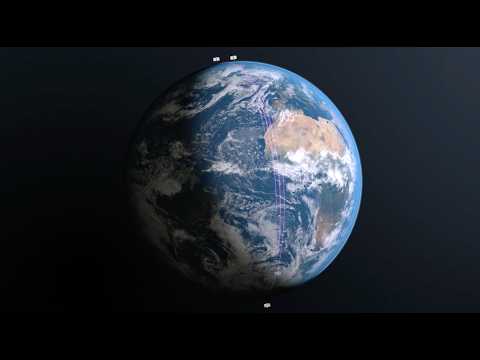
La baisse rapide du coût des mises en orbite et l’augmentation de la taille des lanceurs ont également fait progresser l’industrie satellitaire. Il est désormais possible de lancer des satellites plus puissants et plus complexes qui auraient été totalement irréalisables il y a seulement cinq ans.
Parallèlement, l’observation de la Terre doit être proposée sous une forme facile à utiliser, car la plupart des utilisateurs ne sont pas des spécialistes de l’espace, mais des agriculteurs, des entreprises de construction, des agents publics, etc.
Cette situation crée un marché pour les entreprises capables de produire des images de qualité de la Terre et de les fournir aux utilisateurs finaux dans une offre économiquement avantageuse. Planet Labs est l’un des leaders de ce secteur.
PL Graphique du prix
Vue d’ensemble de Planet Labs
Planet Labs possède une flotte d’environ 200 satellites d’imagerie terrestre, la plus importante de l’histoire, qui photographie quotidiennement l’ensemble des terres émergées.
Fondée en 2010, l’entreprise s’est développée au moyen de plusieurs acquisitions et du lancement de nouvelles constellations. Son action a été introduite en Bourse en 2021. Planet Labs exploite cinq constellations distinctes, chacune ayant sa propre spécialité.

Source: Planet Labs
- PlanetScope: Une constellation utilisant de petits CubeSats, mesurant 10 cm × 10 cm × 30 cm en orbite relativement basse (525 kilomètres d’altitude – 326 miles).
- Chaque satellite est dédié à un type de capteur, et l’image synthétique de l’ensemble de la constellation peut être utilisée pour créer une image haute définition d’un large segment de la Terre.
- Tanager: Une constellation utilisant des satellites d’imagerie hyperspectrale de pointe pour détecter les émissions de méthane avec 3 à 6 fois plus de sensibilité que les systèmes spatiaux comparables, avec une résolution de 30 m.
- Pelican: Une constellation de nouvelle génération visant des images à une résolution de 30–50 cm sur les bandes visible et proche infrarouge.
- SkySat: Une constellation capable de se concentrer à la demande sur des zones spécifiques de la planète, avec une résolution de 50 cm par pixel, pouvant capturer des séquences vidéo jusqu’à 90 secondes à 30 images par seconde.
- Owl: Une constellation prévue de 40 satellites axée sur la surveillance, visant des images d’environ 1 mètre presque quotidiennement lorsqu’elle sera entièrement déployée. Le premier lancement est actuellement prévu pour la fin 2026.
Ensemble, ces constellations permettent à Planet Labs de disposer du type de satellite adapté à chaque mission d’observation demandée par ses clients. Ceux-ci peuvent d’abord repérer un élément intéressant avec une constellation, puis l’étudier plus en détail avec une autre.
Au‑delà des simples images: Hyperspectrale & Analytique
Les images produites par les satellites de Planet Labs ne sont pas seulement en haute résolution; elles contiennent aussi des données hyperspectrales (lumière visible, infrarouge et ultraviolette). Elles servent donc non seulement à observer les terres, mais aussi à les analyser plus finement.
Une image peut par exemple révéler l’humidité du sol, les émissions de méthane ou l’activité sous-marine.

Source: Planet Labs
Une vaste base d’observations couvrant une longue période fournit également des informations supplémentaires. Les institutions publiques et militaires peuvent surveiller des chantiers dans d’autres pays, tandis qu’un géologue ou une entreprise de construction peut évaluer la stabilité d’un versant avant de lancer un grand projet d’infrastructure.
La production régulière de nouvelles images garantit en outre que tout changement peut être détecté et analysé très rapidement.
Ce qui rend Planet unique pour nous, c’est le taux de revisite avec PlanetScope… lorsqu’un événement se produit, souvent sans avertissement, nous savons que ces données ont été capturées.
Louise Jones – Responsable du renseignement chez McKenzie Intelligence Services
Applications
Les applications possibles des images satellitaires de Planet Labs sont très nombreuses et concernent de nombreux secteurs, les mêmes satellites pouvant servir à des usages différents.
Agriculture
Le passage quotidien de la dense constellation de Planet Labs au-dessus d’un même site permet de surveiller en continu les champs et les exploitations. Il fournit des données précieuses à chaque étape de la gestion des cultures.
Ces données permettent par exemple de déterminer les meilleures pratiques de semis, les zones nécessitant une irrigation ou les nutriments qui manquent à une culture ou à une parcelle.
Elles peuvent aussi détecter la propagation de maladies ou de ravageurs et optimiser les traitements destinés à les limiter.
L’entreprise dispose également d’importantes archives, avec 1 300 images stockées pour chaque acre de la planète. Ces images peuvent être intégrées au même logiciel que les données de terrain, comme des échantillons de sol ou des observations sur place.

Source: Planet Labs
La synthèse de toutes ces données et de l’historique des années précédentes peut produire une estimation très précise des futures récoltes et des rendements, tout en optimisant les meilleures pratiques.
Foresterie
Les satellites sont aujourd’hui assez puissants pour aider non seulement à cartographier et à planifier les coupes de bois, mais aussi à estimer le volume de bois sur pied et le potentiel de différentes zones. Les données d’archives permettent même d’évaluer le rythme de croissance passé et la maturité de la forêt.
Il n’existe aucun autre système commercial comparable offrant la combinaison de la détection de vastes zones avec une haute résolution spatiale et temporelle.
Une autre application forestière consiste à évaluer rapidement les conséquences de catastrophes comme les incendies ou les inondations. La propagation de maladies et de ravageurs qui tuent les arbres peut également être évaluée depuis l’espace par les entreprises forestières comme par les organismes publics compétents.
Les satellites peuvent enfin repérer l’exploitation forestière illégale dans des régions reculées, par exemple la déforestation en Amazonie ou en Indonésie.
Les images de Planet peuvent servir à détecter et cartographier les épisodes de déforestation de plus d’un hectare. Les résultats montrent que les changements causés par la déforestation peuvent être extraits automatiquement avec une grande précision.
Infrastructures
Il est souvent difficile d’obtenir une vision claire et globale des grands projets d’infrastructure, notamment lorsqu’ils reposent sur des analyses locales insuffisantes ou se déroulent dans des régions reculées.
Les satellites de Planet Labs peuvent réduire de nombreux problèmes liés à la construction et à la gestion des infrastructures:
- Visualisation satellite à distance des dommages, de la dégradation et de la corrosion.
- Analyser les sites proposés pour les futurs projets d’infrastructure, planifier la construction, superviser le développement du projet et anticiper les retards.
- Détecter les empiètements et surveiller le droit de passage.
- Cartographier l’impact environnemental.
Programmes scientifiques & durabilité
L’analyse scientifique repose sur des données précises. Malheureusement, la plupart des programmes scientifiques disposent de budgets et d’effectifs très limités pour les campagnes de terrain, les analyses sur place et les autres activités.
Plus de 20 000 scientifiques dans plus de 100 pays peuvent ainsi utiliser les images de Planet Labs pour pallier ce problème, et plus de 2 000 publications scientifiques ont employé les images de l’entreprise.

Source: Planet Labs
De nombreux programmes scientifiques accèdent aux images de Planet Labs grâce à des dispositifs de parrainage organisés par la NASA, l’Agence spatiale européenne (ESA) et d’autres organismes internationaux de recherche.
Les données de Planet Labs peuvent aussi suivre de nombreux indicateurs de durabilité, de la gestion durable des forêts aux émissions de méthane, en passant par la biodiversité et l’absorption du carbone.

Source: Planet Labs
Défense & renseignement
Les armées et services de renseignement disposent évidemment de leurs propres programmes secrets de satellites espions. Mais comme ces systèmes ne peuvent pas tout observer simultanément, ou afin de garder certaines capacités discrètes, ils font aussi appel à des fournisseurs commerciaux capables d’assurer une couverture plus régulière et omniprésente de la Terre.
Le service de surveillance mondiale de Planet Labs peut détecter les changements presque en temps réel, accélérer les interventions et intégrer plusieurs sources de données afin d’obtenir une vision globale de la situation.
Il peut par exemple surveiller la construction de silos nucléaires en Chine.
La solution maritime Maritime Domain Awareness surveille les ports, les voies navigables et les zones stratégiques en haute mer en exploitant de vastes archives et des jeux de données propriétaires remontant à 2009.

Source: Planet Labs
La même surveillance peut servir à l’analyse économique en mesurant l’activité portuaire, le trafic maritime, etc.
«La capacité avérée de Planet à fournir des réponses immédiates aux questions critiques concernant la disposition, les actions et les intentions des forces ennemies a donné à nos forces un avantage exploitable sur l’adversaire.»
Responsable militaire américain
Assurance
Les données concernant les sécheresses, les catastrophes et les infrastructures sont extrêmement précieuses pour les assureurs. Les images de Planet Labs leur permettent de prévoir avec précision les risques, les indemnisations et les coûts futurs de leurs contrats.
Planet Labs propose aussi aux assureurs une détection automatisée des changements et des alertes, ainsi que 5 à 7 passages par jour — la fréquence commerciale la plus élevée — pour une surveillance en temps réel.
Tarification transparente & modèle économique évolutif
L’entreprise applique une tarification transparente, avec différents abonnements selon les régions couvertes et le nombre de kilomètres carrés demandés.
Les entreprises peuvent ainsi commencer à utiliser les données de Planet Labs à petite échelle, puis augmenter progressivement leur consommation à mesure qu’elles intègrent les images satellitaires à leurs processus.

Source: Planet Labs
90% des revenus sont récurrents et proviennent de contrats annuels ou pluriannuels, ce qui procure à Planet Labs des flux de trésorerie particulièrement prévisibles.
Comme le coût des constellations est essentiellement engagé en amont, le modèle économique est naturellement évolutif. Le coût d’un client supplémentaire est très faible pour Planet Labs et permet d’amortir les satellites sur un plus grand nombre d’abonnements.
Faites glisser pour parcourir →
| Entreprise | Force principale | Résolution | Taux de revisite | Clients clés |
|---|---|---|---|---|
| Planet Labs | Couverture mondiale quotidienne, données hyperspectrales | 30–50 cm (Pelican) | Quotidien (jusqu’à 5–7 fois en mode tâche) | Défense, agriculture, assurance |
| Maxar | Imagerie ultra‑haute résolution | 30 cm | Quotidien à tous les quelques jours | Défense, gouvernements |
| BlackSky | Haute fréquence de revisite pour alertes en temps réel | ~1 m | Jusqu’à 15 revisites/jour | Défense, sécurité |
| Satellogic | Imagerie à faible coût à grande échelle | 70 cm | Hebdomadaire | Agriculture, cartographie |
Finances de Planet Labs: Revenus, segments & rentabilité
Planet Labs a enregistré 245 millions de dollars de revenus au cours de l’exercice 2025, soit plus du double des 122 millions de dollars de 2022, avec un record trimestriel de 73 millions de dollars au deuxième trimestre 2026.
L’Amérique du Nord constitue la première source de revenus (45%), tandis que la défense et le renseignement représentent plus de la moitié du chiffre d’affaires.

Source: Planet Labs
IA & analytique géospatiale: Transformer les images en connaissances
L’entraînement et l’utilisation de l’intelligence artificielle exigent autant de données de qualité que possible. Grâce à ses vastes archives d’images satellitaires, Planet Labs est un fournisseur idéal de données d’entraînement pour prévoir les effets du changement climatique, des catastrophes naturelles ou de phénomènes plus courants tels que les dépassements de coûts des projets d’infrastructure.

Source: Planet Labs
L’intelligence artificielle peut aussi rendre les images plus utiles et accroître la valeur des satellites de Planet Labs. De nouvelles routes peuvent, par exemple, être ajoutées automatiquement aux cartes numériques dès leur construction.

Source: Planet Labs
Perspectives de croissance de Planet Labs
En tant que fournisseur de données reconnu, Planet Labs pourrait profiter de plusieurs tendances, quelle que soit l’évolution de l’industrie spatiale:
- Elle peut concéder sous licence ou utiliser ses images pour entraîner des IA, tant pour une meilleure surveillance en temps réel que pour des connaissances nouvelles.
- Elle bénéficiera de la guerre des prix entre les fournisseurs de lancements comme SpaceX et Rocket Labs, rendant l’entretien et le remplacement de sa flotte de satellites moins coûteux.
- Elle profitera des économies d’échelle dans la fabrication de satellites, rendant les nouveaux modèles plus performants moins chers, comme elle l’a démontré avec l’ajout récent de données hyperspectrales à son offre.
Planet Labs (PL) est‑il un bon investissement ?
Malgré l’emploi de technologies très avancées, l’activité de Planet Labs est remarquablement facile à comprendre.
L’entreprise a constitué l’une des meilleures constellations de satellites d’observation au monde et recueille en permanence des images de qualité de la planète. Elle vend ensuite ces images à tous ceux qui peuvent en tirer parti, qu’il s’agisse d’agriculteurs, de constructeurs ou d’organismes publics.
Plus les images s’améliorent et plus les autres systèmes se numérisent, plus ces données prennent de la valeur.
Grâce à ses vastes archives et à son expérience, l’entreprise dispose d’un solide avantage concurrentiel face à d’éventuels nouveaux venus. Cela en fait aussi un partenaire essentiel pour ceux qui souhaitent employer des images satellitaires afin d’entraîner une IA ou de développer des applications connexes.
Maintenant que l’entreprise génère un flux de trésorerie positif, elle est fermement entrée dans sa phase de croissance, où le changement d’échelle peut accroître les bénéfices moyennant relativement peu de dépenses supplémentaires.
Dernières actualités boursières et développements de Planet Labs (PL)



