
Énergie
Ford pivote vers les batteries de réseau: Le plan BlueOval SK de $6B

 Ajouter Securities.io à vos sources préférées sur Google

Les constructeurs automobiles occidentaux, et en particulier les fabricants américains, ont eu du mal à s’adapter à la révolution des véhicules électriques initialement lancée mondialement par Tesla (TSLA ), puis par les marques chinoises, et enfin par le reste de l’industrie. Une des raisons a été une question de branding, les marques automobiles historiques possédant une expertise et une image fortement liées aux moteurs à combustion.
Une autre raison a été l’adoption lente des nouvelles technologies, et la tentative de faire rentrer la technologie des VE dans des conceptions plus anciennes. En conséquence, les VE de ces marques ont été relativement impopulaires auprès des consommateurs, entraînant de lourdes pertes financières.
C’est le cas de Ford, qui a récemment enregistré une perte de 19,5 Mds $ de sa valeur comptable, après avoir amorti la majorité de son investissement dans les VE, une perte équivalente à 40 % de la valeur comptable totale de l’entreprise.
Cela n’est pas une perte totale, cependant, car l’entreprise réoriente sa capacité de fabrication de batteries vers un nouveau marché prometteur: le stockage d’énergie stationnaire, notamment pour les centres de données IA. Cet investissement de 6 Mds $ pourrait porter ses fruits et transformer la vénérable entreprise automobile en une société énergétique également.
- Abandon des camions électriques: Ford abandonne le F‑150 Lightning après des ventes décevantes, et subit une dépréciation de 19,5 Mds $.
- Nouvelle stratégie: Le grand camion électrique est remplacé par un modèle à prolongateur d’autonomie et un focus sur les hybrides et les VE plus petits.
- Passage au stockage d’énergie: L’usine de batteries sera redessinée pour 6 Mds $ afin de produire de grands modules de stockage d’énergie pour les centres de données IA et les services publics, en utilisant la technologie sous licence avancée de CATL.
- Angle d’investissement: Ford vend toujours bien les voitures à carburant, et il évolue également vers la fabrication de batteries.
F Graphique du prix
Ford & VE – Qu'est‑ce qui a mal tourné?
Pourquoi le F‑150 Lightning n'a pas répondu à la demande du marché
Le modèle le plus vendu de Ford est le célèbre F‑150. Il est non seulement le meilleur produit de Ford, mais aussi le pick-up le plus vendu aux États-Unis depuis 48 années consécutives et le véhicule le plus vendu au total depuis 44 ans.
Sur le papier, il était donc logique que Ford mise sur son modèle phare pour passer à l’électrique, en lançant la version électrique du F‑150, le Ford F‑150 Lightning.
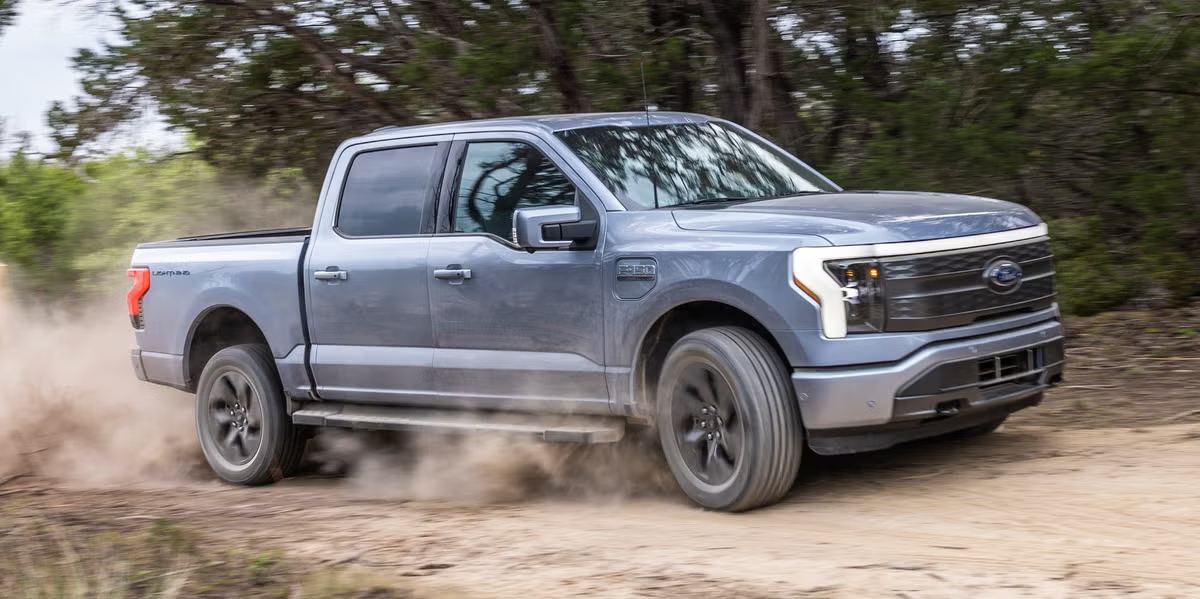
Source: Car & Driver
Alors que de nombreuses marques électriques s’étaient concentrées sur des modèles sportifs, luxueux, petits ou abordables, Ford voyait grand. Les ventes du F‑150 Lightning devaient aussi compenser les émissions de carbone du reste du groupe.
« Les analystes estiment que chaque F‑150 Lightning vendu permettait à Ford de vendre environ 16 F‑150 à essence sans payer la taxe sur les véhicules énergivores. »
However, a few things went awry.
Ford a d’abord peiné à lancer la production du F‑150 Lightning. Plusieurs retards l’ont empêché d’être le premier grand pick-up électrique, le modèle arrivant après ceux de Rivian et GMC.
Le coup fatal est toutefois venu des consommateurs : il est vite apparu que les pick-ups électriques ne correspondaient tout simplement pas à leurs attentes.
La faible autonomie en remorquage a nui à l’image de véhicules censés accomplir des tâches plus lourdes que la plupart des voitures électriques. Le public du F‑150 figurait aussi parmi les plus hostiles aux véhicules électriques, une mauvaise adéquation avec la marque et le positionnement du modèle.
Le dernier coup est venu lorsque l’administration Trump a supprimé fin septembre le crédit d’impôt pour véhicules électriques et le système de crédits d’émissions, dégradant encore l’économie du modèle et l’intérêt de vendre des Lightning pour compenser les autres Ford.
« Les ventes américaines de véhicules électriques n’ont jamais répondu aux attentes, même avec le crédit d’impôt. Maintenant qu’il n’existe plus, elles ont chuté brutalement. »
Pavel Molchanov – Managing director at financial services firm Raymond James.
Ford maintient aussi ses ambitions électriques en Europe, notamment avec une nouvelle gamme de poids lourds entièrement électriques.
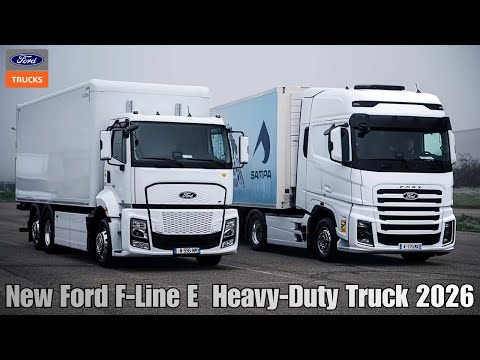
Nouvelle stratégie VE
L’entreprise réoriente donc sa stratégie automobile vers les véhicules thermiques et hybrides plutôt que vers les grands modèles électriques.
Pour sa gamme restante de véhicules purement électriques, plus petits et abordables, Ford utilisera aussi sa flexible Universal EV Platform. Le premier modèle devrait coûter environ 30 000 dollars et être commercialisé en 2027.
« Cette évolution dictée par les clients vise à créer un Ford plus fort, résilient et rentable. La réalité opérationnelle a changé et nous redéployons le capital vers des activités plus rémunératrices : Ford Pro, nos pick-ups et utilitaires leaders, les hybrides et des débouchés à forte marge comme le stockage d’énergie. »
Ford n’abandonne pas totalement les pick-ups électriques, mais répond désormais au problème d’autonomie en ne dépendant plus uniquement des batteries.
Ford utilisera la technologie EREV, dans laquelle un petit générateur à carburant recharge la batterie. L’autonomie augmente tout en conservant le couple et l’accélération supérieurs des moteurs électriques.
Redesign des usines de batteries VE
Se détacher du passé
Ce virage frappe particulièrement la « Battery Belt » du sud-est des États-Unis, où Ford avait investi plusieurs milliards dans des usines BlueOval de batteries et de véhicules électriques.
L’usine de batteries de Glendale, dans le Kentucky, supprimera environ 1 600 emplois. Selon le Memphis Commercial Appeal, une usine Ford du Tennessee embauchera près de 1 000 personnes de moins que prévu puisqu’elle fabrique désormais des pick-ups à essence.
Le principal changement est le « virage à 6 milliards de dollars » concernant la coentreprise BlueOval SK créée avec le conglomérat sud-coréen SK On (096770.KS).
Le partenariat sera dissous. La filiale Ford Energy prendra l’entière propriété et responsabilité des deux usines de Glendale et assumera environ 3,8 milliards de dollars de dette de la coentreprise.
SK On possédera et exploitera entièrement l’usine de batteries du Tennessee.
« Cet accord restructure stratégiquement les actifs et la production afin d’améliorer l’efficacité. Nous renforcerons la rentabilité en Amérique du Nord en fournissant à Ford et à d’autres clients des batteries pour véhicules électriques et systèmes de stockage depuis l’usine de 45 GWh du Tennessee. »

Source: KED Global
Ford n’est pas seul : LG Energy Solution prévoit également de vendre « tous les actifs liés à L-H Battery Company » à son partenaire Honda.
Passage au stockage d'énergie
Ford investit 2 milliards de dollars supplémentaires sur deux ans pour reconvertir les sites du Kentucky à la production de batteries de stockage. L’usine fabriquera des cellules LFP pour modules BESS et des conteneurs CC de 20 pieds.
Un système de stockage moyen issu de cette usine devrait dépasser 5 MWh. Ford prévoit d’en déployer au moins 20 GWh par an d’ici fin 2027.
Ce changement est logique, car le stockage d’énergie explose en Amérique du Nord. En 2025, le marché a progressé à un taux annuel composé étonnant de plus de 60 % (TCAC), passant de 40 GWh à 65–70 GWh.
C’est aussi l’un des rares moyens logiques d’utiliser les installations déjà construites tout en dégageant un bénéfice.
« Ils ont créé des capacités de fabrication de batteries et doivent maintenant les utiliser. Alors que la demande de véhicules électriques stagne, les déploiements de stockage américains explosent. »
Pavel Molchanov – Managing director at financial services firm Raymond James.
Swipe to scroll →
| Métrique | 2023 | 2025 | Projection 2030 |
|---|---|---|---|
| Installations BESS en Amérique du Nord | ~25 GWh | 65-70 GWh | 150+ GWh |
| Projets de batteries à l'échelle des services publics | 150+ | 400+ | 1,000+ |
| Principal moteur de la demande | Intégration solaire | Stabilité du réseau | Centres de données IA & énergies renouvelables |
Technologie avancée des batteries
La technologie des batteries sera parmi les plus avancées au monde, Ford l’ayant licenciée auprès du leader mondial CATL (300750.SZ – lien vers notre rapport d’investissement sur CATL).
C’est important : le stockage d’énergie est un secteur différent mais tout aussi concurrentiel que l’automobile, où coûts et chimie des batteries sont déterminants.
La technologie de stockage fixe conteneurisé TENER de CATL compte parmi les plus avancées et a démontré le premier système sans dégradation sur cinq ans, d’une capacité de 6,25 MWh.
L’absence de perte de capacité pendant des années de cycles est un progrès majeur pour les services publics : le système peut être amorti sur des décennies plutôt que huit à dix ans, devenant deux à trois fois moins coûteux.
La même technologie concédée à Ford pourrait ainsi donner au constructeur un avantage décisif sur ses concurrents, dont de nouveaux leaders énergétiques comme Tesla.
Il faut toutefois noter que CATL transfère récemment une partie de ses activités de stockage vers NAXTRA, une chimie sodium-ion, même si la conception vise surtout les véhicules électriques.
Dans tous les cas, la relation étroite entre Ford et CATL devrait permettre au constructeur de rester à la pointe sans consacrer d’immenses budgets de R&D à réinventer la roue.
Investir dans le passage de Ford au stockage d'énergie
La récente dépréciation de 19,5 milliards de dollars a déçu les actionnaires qui espéraient que le F-150 Lightning porterait la transition réussie de Ford vers l’électrique.
Elle n’a cependant pas bouleversé le cours de l’action, car les ventes de véhicules thermiques se maintiennent.
Les ventes de modèles thermiques sont stables à environ 136 000 unités en février 2026, presque comme un an auparavant, et représentent 90 % du total. La série F résiste également, avec 33 % des ventes et une hausse de 8,3 % en 2025.
Ford a aussi enregistré 187,3 milliards de dollars de chiffre d’affaires en 2025, sa cinquième année consécutive de croissance, et 13,2 % du marché américain. Sa situation financière est solide, avec une trésorerie importante et un rendement du dividende supérieur à 4 % couvert par le flux de trésorerie disponible.

Source: Ford
Le stockage d’énergie pourrait offrir une diversification précieuse et inattendue à un constructeur naturellement exposé aux cycles de son secteur.
L’essor de l’IA et de ses centres de données de plusieurs gigawatts se poursuit. L’électrification et la hausse des renouvelables feront croître la demande de batteries stationnaires, surtout lorsque l’énergie aux heures de pointe devient la ressource la plus critique pour les centres de données et les réseaux.
Cette nouvelle activité pourrait donc fournir une source de revenus supplémentaire solide en cas de récession ou de baisse de la confiance des consommateurs.
La technologie LFP mature et bien maîtrisée de CATL assure des décennies de stabilité sur une large plage de températures avec une perte de capacité presque nulle, ce qui convient parfaitement aux applications à grande échelle.
Points clés pour les investisseurs:
- Thème à surveiller: Ford a subi un coup, mais il dépasse maintenant son erreur avec le F‑150 Lightning et entre dans de nouveaux marchés prometteurs.
- Ce qui compte financièrement: Les ventes et les revenus de Ford sont aussi solides que jamais, et l’entreprise est financièrement saine.
- Risque clé: Le succès futur de la ligne VE redesignée n’est pas garanti, tout comme le concept d’un F‑150 électrique avec prolongateur d’autonomie.
- Ajout optionnel: Le passage de Ford au marché du stockage d’énergie est soutenu par la licence de la technologie de CATL, le leader mondial de la fabrication de batteries.
Dernières actualités et développements sur l'action Ford (F)



