
التكنولوجيا الحيوية
الجيل التالي من اللقاحات

 أضف Securities.io إلى مصادرك المفضلة على Google

قوة اللقاحات
منذ ظهور التطعيم الحديث في القرن الثامن عشر، أحدثت اللقاحات تحولاً كبيراً في الصحة العامة. ووفقاً لتقدير منظمة الصحة العالمية، أنقذت برامج التحصين نحو 154 مليون حياة بين عامي 1974 و2024.
كما أسهم التطعيم في استئصال الجدري، الذي يُقدَّر أنه أودى بحياة مئات الملايين في القرن الأخير قبل استئصاله.
شلل الأطفال هدف آخر للاستئصال. وفي 2024 ظل انتقال الفيروس البري متوطناً في أفغانستان وباكستان، مع استمرار تحديات أخرى تشمل الفيروسات المشتقة من اللقاح. قبل التطعيم كان المرض يسبب الشلل لمئات الآلاف سنوياً؛ ولا يصح وصف نصف مليون حالة شلل بأنها نصف مليون وفاة.

وخلال جائحة كوفيد-19، احتلت اللقاحات والنقاشات المتعلقة بها موقعاً بارزاً في الرأي العام. ووصلت تقنية الرنا المرسال إلى الاستخدام الواسع وأصبحت أكثر حضوراً لدى الجمهور.
رغم هذه النجاحات، ما زالت الأمراض المعدية تسبب عبئاً صحياً كبيراً. تختلف حصتها من الوفيات حسب السنة والمنطقة والتعريف، ولا يصح تعميم نسبة 40% على جميع الوفيات العالمية المعاصرة. ومن التحديات نقص التغطية بالتطعيم وصعوبة تطوير لقاحات لبعض الممرضات.
وقد تساعد تقنيات جديدة في تطوير جيل آخر من اللقاحات، لكن نجاح كل منتج يحتاج إلى التحقق السريري والتنظيمي.

المصدر: Phrma
كيف تعمل اللقاحات
المبدأ الأساسي للقاح هو تهيئة الجهاز المناعي قبل التعرض لمرض يسببه فيروس أو بكتيريا أو كائن آخر مُمرض.
يُعرِّف اللقاح الجسم بمستضد مرتبط بالممرض، وقد يستخدم جزءاً منه أو نسخة معطلة أو مضعفة، أو تعليمات لإنتاج المستضد. تختلف المنصات واحتياطات استخدامها؛ وليست كل اللقاحات عبارة عن ممرض كامل.
يستجيب الجهاز المناعي بإنتاج أجسام مضادة وخلايا مناعية وذاكرة مناعية. تتعرف الأجسام المضادة على أجزاء محددة من المستضد، ويمكن تشبيه الانتقائية بينهما بتوافق المفتاح والقفل.

المصدر: Cusabio
قد تساعد الأجسام المضادة على تحييد الممرض أو تسهيل التخلص منه. وتشارك المناعة الخلوية أيضاً في الحماية، التي قد تختلف في قوتها ومدتها بين اللقاحات والأشخاص.
يوضح هذا الفيديو القصير المبادئ الأساسية للتطعيم:
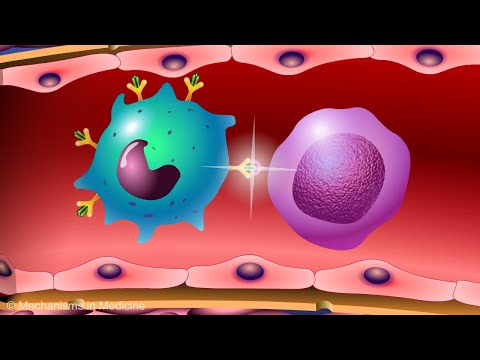
في حالة الجدري، ساعدت اللقاحات مع الترصد وحملات الصحة العامة على استئصال المرض عالمياً.
لكن تطوير لقاحات لأمراض أخرى أكثر صعوبة. ومن أسباب إفلات الممرضات من المناعة:
- تغير المستضدات: تتغير فيروسات الإنفلونزا مع الوقت، ولذلك تحتاج تركيبة اللقاح الموسمي إلى تحديث. ونزلات البرد تسببها فيروسات متعددة. لا يعني ذلك أن الإنفلونزا تصبح مرضاً جديداً بالكامل كل عام.
- الاختباء واستمرار العدوى. تستطيع بعض الممرضات البقاء داخل الخلايا أو في حالات كامنة، مما يصعّب الوصول إليها مناعياً. وهذا تحدٍّ لتصميم اللقاح، وليس دليلاً على أن كل عدوى مزمنة يستحيل التطعيم ضدها.
- تحييد جهاز المناعة. يهاجم فيروس HIV خصوصاً الخلايا التائية المساعدة CD4، التي تنسق الاستجابة المناعية. وهو لا يهاجم فقط «خلايا تصنيع الأجسام المضادة».
- الهجوم السريع. قد تتطور بعض العدوى بسرعة قبل اكتمال الاستجابة المناعية. لكن توجد لقاحات لبعض الأمراض السريعة والخطيرة، ومنها أنواع محددة من الإيبولا.
الأهداف التالية للتطعيم
العدوى المزمنة
تواجه بعض العدوى المستمرة تحديات خاصة في تطوير اللقاحات، مثل التنوع المستضدي والاختباء داخل الخلايا والتأثير في المناعة. ولا تشمل هذه الفئة كل الأمراض المزمنة، إذ إن كثيراً منها غير معدٍ.
الملاريا
قدرت منظمة الصحة العالمية عدد حالات الملاريا في 2022 بنحو 249 مليون حالة، مع نحو 600 ألف وفاة، معظمها بين صغار الأطفال في أفريقيا. ويمكن أن تسبب الملاريا غياباً عن الدراسة والعمل وتفاقم الفقر.
ومن الأمثلة التاريخية موزامبيق، حيث كانت الملاريا سبباً في 45٪ من الاستشارات الخارجية و24٪ من دخول المستشفيات في عام 2015.
«بلغ متوسط تكلفة الملاريا غير المعقدة على الأسرة ما بين 10% (1.63 دولار أمريكي) و21% (3.46 دولار أمريكي) من الإنفاق الشهري للأسرة في زامبيزيا، بينما تجاوزت تكلفة الحالة الشديدة (64.90 و81.08 دولار أمريكي) ثلاثة أضعاف متوسط الإنفاق الشهري للفرد.»
تسبب الملاريا طفيليات تنتقل بلسعات البعوض. تمر بمرحلة في الكبد ثم تصيب خلايا الدم. ولدى المتصورة المنجلية عائلة من نحو 60 جيناً من جينات var يمكن أن يتبدل التعبير عنها للمساعدة على الإفلات المناعي. هذا لا يعني أن جميع طفيليات الملاريا لها العدد نفسه من جينات المستضدات.
ركزت المكافحة طويلاً على الناموسيات ومكافحة البعوض والأدوية. وتظل مقاومة الطفيليات للأدوية تحدياً مهماً.
اللقاحات المتاحة حالياً
أوصت منظمة الصحة العالمية في 2021 بالاستخدام الواسع للقاح الملاريا RTS,S للأطفال في المناطق المناسبة. وتنتجه GSK. وفي 2023 أوصت المنظمة باستخدام لقاح R21/Matrix-M الذي طورته جامعة أكسفورد. التوصية من منظمة الصحة العالمية ليست بحد ذاتها الموافقة التنظيمية في كل بلد.
يقلل اللقاحان خطر الإصابة والملاريا الشديدة، لكنهما لا يمنعان جميع الحالات ويُستخدمان مع وسائل المكافحة الأخرى. ويعتمدان على مستضدات بروتينية ضمن تراكيب جسيمية.
ومن المرشحات الأخرى لقاحات PfSPZ التي تطورها Sanaria. تشمل المنصة طفيليات موهنة بالإشعاع، بينما توجد مرشحات منفصلة موهنة وراثياً مثل PfSPZ-LARC2. ولا يصح وصف جميع لقاحات PfSPZ بأنها نسخة معدلة وراثياً في المرحلة الثانية نفسها.
تذكر Sanaria أن بعض لقاحاتها أظهرت حماية تتجاوز 90% في دراسات عدوى الملاريا البشرية المضبوطة. ولا تعادل هذه النتائج بالضرورة الفعالية الميدانية في جميع السكان والظروف.
الإيدز/فيروس نقص المناعة البشرية
فيروس HIV المسبب لمتلازمة الإيدز كان يتعايش معه نحو 39 مليون شخص في 2022، مع نحو 630 ألف وفاة مرتبطة بالإيدز في ذلك العام. تحسن العلاجات المضادة للفيروسات البقاء وجودة الحياة وتمنع الانتقال عند كبت الفيروس. وقد يكون للقاح دور مهم مستقبلاً، لكن اللقاح الوقائي ليس مرادفاً لعلاج يشفي العدوى القائمة.
يصيب الفيروس خلايا CD4 ويستطيع تكوين خزانات فيروسية مستمرة. وهذه الخصائص مع تنوعه الكبير تعقد تطوير اللقاحات والعلاجات الشافية.

ظل تطوير لقاح فعال لفيروس HIV تحدياً كبيراً في 2024، ولم يكن هناك لقاح وقائي معتمد.
ومن الأساليب البحثية المذكورة تاريخياً:
- Gilead: الأجسام المضادة المعادلة واسعة الطيف teropavimab وzinlirvimab؛ وهي علاجات تجريبية وليست لقاحاً تقليدياً.
- شبكة تجارب لقاحات HIV: تجارب على عدة مرشحات، مع تغير عددها ومراحلها بمرور الوقت.
- المبادرة الدولية للقاح الإيدز (IAVI) ومعهد Scripps للأبحاث: أبحاث على ناقلات فيروس التهاب الفم الحويصلي VSV وغيرها من الأساليب
أمراض أخرى
لا يمكن تناول جميع المبادرات هنا. ويمكن قراءة هذا التقرير المكون من 11 صفحة لمزيد من الأمثلة التاريخية.
تشمل المجالات التي يجري فيها تطوير لقاحات أو تحسين لقاحات موجودة:
- حمّى الضنك
- دودة الخطاف
- داء الليشمانيات
- الفيروس المضخم للخلايا، وهو من عائلة فيروسات الهربس
- مرض لايم
- الحزام الناري، الذي توجد له بالفعل لقاحات معتمدة
العدوى الشديدة وسريعة التطور
قد تسبب بعض الممرضات مرضاً سريع التطور ونسب وفاة مرتفعة، مما يزيد أهمية الوقاية والاستجابة المبكرة.
من الأمثلة الإيبولا وبعض الحميات النزفية. تختلف نسب الوفاة بحسب الفيروس والتفشي والرعاية المتاحة. ومن لقاحات إيبولا المعروفة Ervebo من Merck، الذي اعتُمد في 2019، ونظام (JNJ ) Zabdeno وMvabea من Johnson & Johnson. نطاق الحماية يعتمد على نوع الفيروس واللقاح، وليس جميع الحميات النزفية.
ومثال آخر فيروس SARS-CoV-2 المسبب لكوفيد-19. وتنتمي إلى عائلة الفيروسات التاجية أيضاً الفيروسات المسببة لـ متلازمة الشرق الأوسط التنفسية MERS ومتلازمة الالتهاب التنفسي الحاد الوخيم SARS التي ظهر تفشيها في 2002–2004.
تقنية اللقاحات الجديدة
استخدمت اللقاحات التقليدية ممرضات مضعفة أو معطلة، أو أجزاء ومستضدات منها. وتشمل المنصات الأحدث ناقلات فيروسية وتعليمات وراثية لإنتاج المستضد.
وتتيح علوم الأحياء طرقاً إضافية يجري تطويرها واختبارها.
لقاحات الرنا المرسال mRNA
أدى الاستخدام الواسع خلال جائحة كوفيد-19 إلى إبراز مزايا منصات الرنا المرسال، خصوصاً سرعة تصميم مرشحات جديدة.
بعد معرفة التسلسل الجيني للممرض يمكن تصميم تعليمات mRNA لإنتاج مستضد خلال أسابيع. لكن تصميم مرشح خلال ثلاثة أو أربعة أسابيع لا يعني برمجة علاج شافٍ أو إكمال التصنيع والاختبارات والموافقة في هذه المدة.
استُخدمت أيضاً منصات أخرى خلال الجائحة. وساعدت سرعة التصميم في تطوير لقاحات mRNA، لكنها لم تُلغ الحاجة إلى تجارب السلامة والفعالية ومراقبة الجودة.
وسعت الشركات برامجها البحثية بعد نجاح لقاحات كوفيد-19. وتختلف حالة كل برنامج بين التجارب والتوقف أو الاعتماد.
- شملت برامج Moderna لقاحات لكوفيد-19 والإنفلونزا، وكذلك الفيروس المخلوي التنفسي RSV وزيكا وHIV وفيروس إبشتاين–بار، والحماق النطاقي والنوروفيروس وداء لايم والفيروس المضخم للخلايا. هذه قائمة برامج تاريخية وليست قائمة لقاحات معتمدة جميعها.
- طورت BioNTech، شريكة Pfizer، برامج لقاحات mRNA لأمراض مثل الحزام الناري والملاريا وجدري القردة والهربس البسيط والسل والإنفلونزا. تختلف المراحل ونتائج التطوير بحسب البرنامج.
لقاحات الأحماض النووية
لقاحات mRNA جزء من فئة لقاحات الأحماض النووية. وهناك أيضاً لقاحات DNA التي تستخدم الحمض النووي الريبي منقوص الأكسجين بدلاً من الرنا المرسال.
وردت في مصادر تاريخية أعداد كبيرة من تجارب لقاحات DNA، لكن عدد التجارب النشطة وتوزيعها يتغيران مع الوقت.النسب المذكورة في المصدر، 62% للسرطان و33% لفيروس HIV، تخص مجموعة وتجميعاً تاريخيين للتجارب، ولا تمثل بالضرورة توزيع جميع تجارب DNA الجارية في 2024.
إنتاج مكونات اللقاحات في النباتات والطحالب
قد تُنتَج مستضدات اللقاحات في البكتيريا أو الخميرة أو خلايا حيوانية أو أنظمة أخرى. ولا يقتصر إنتاجها على كائنات وحيدة الخلية.
تتيح الهندسة الوراثية استخدام النباتات لإنتاج بعض البروتينات اللقاحية، ضمن ظروف تصنيع مضبوطة.
يمكن استخدام نباتات في بيوت محمية أو نظم إنتاج مخصصة. وقد تخفض بعض التكاليف، لكن التنقية والجودة والاحتواء الحيوي والمتطلبات التنظيمية تظل مهمة.
قد تختلف إضافة السكريات وتعديلات البروتين في النباتات عن الأنظمة الأخرى. لذلك يحتاج كل مستضد إلى تقييم بنيته واستجابته المناعية.
وتُبحث الطحالب الدقيقة أيضاً لإنتاج مستضدات. وقد يوفر جدار الخلية حماية لبعض المستضدات في أنظمة إعطاء فموي تجريبية.
جسيمات الأطر المعدنية العضوية
تحسين منصة الإنتاج ليس الطريق الوحيد لتحسين اللقاحات.
تحتوي لقاحات عديدة على مواد مساعدة تقوي الاستجابة المناعية. تختلف آلياتها وآثارها الجانبية؛ ولا يصح القول إن كل مادة مساعدة تنشط جميع الاستجابات المناعية بلا تمييز.
بحث فريق من MIT استخدام جسيمات نانوية من أطر معدنية عضوية لتحسين الاستجابة للقاحات في تجارب قبل سريرية.
استخدم الباحثون إطار ZIF-8 لدعم مسار مناعي محدد في النموذج التجريبي. لا يثبت ذلك أنه أكثر أماناً أو فعالية لكل لقاح أو لدى البشر. ناقشنا الدراسة في «تعزيز فعالية اللقاحات بجسيمات نانوية معدنية عضوية».
البحث عن لقاح إنفلونزا أوسع حماية
تبقى حماية اللقاحات من الإنفلونزا تحدياً بسبب تغير الفيروس واختلاف السلالات الموسمية.
قد تساعد استهدافات أقل تغيراً في إحداث حماية أوسع من استهداف مناطق تتبدل بسرعة.
استخدم الباحثون مكتبة تضم نحو 80 ألف متغير طافر لدراسة بروتين الإنفلونزا والبحث عن مستضدات مناسبة. لم يخلطوا 80 ألف فيروس طافر في لقاح بشري واحد. تناولنا ذلك في «لقاحات الإنفلونزا قد تكون أشبه بإطلاق النار في الظلام – العلماء يختبرون نهجاً أوضح».
تحسين اللوجستيات والتوصيل
تشمل تحديات حملات التطعيم التخزين البارد والنقل وتوافر العاملين الصحيين وطريقة إعطاء اللقاح. وقد تسهم تقنيات جديدة في تخفيف هذه الأعباء.
فمثلاً، أظهر باحثو جامعة أكسفورد في 2010 إمكانية تثبيت جسيمات فيروسية في طبقة رقيقة من زجاج السكريات، والحفاظ على نشاطها تجريبياً عند درجات تصل إلى 45 °C، أي 113 °F، لمدة ستة أشهر. لا تعني هذه النتيجة أن جميع اللقاحات يمكن تخزينها بهذه الطريقة.
وقد تتيح بعض منصات الطحالب إعطاء مستضدات فموياً، لكن الجرعة والامتصاص والفعالية تحتاج إلى التحقق.
خيار آخر هو لصقات المصفوفات الدقيقة للقاحات، المعروفة أيضاً بلصقات الإبر المجهرية. قد تسهل الإعطاء والتوزيع وتقلل الألم، لكن ليست كل اللصقات خالية تماماً من الألم أو معتمدة للاستخدام الواسع.
السجلات الرقمية للقاحات
يمكن للسجلات الرقمية دعم متابعة حالة التطعيم لدى الأفراد والسكان والتخطيط للحملات. وتعتمد فائدتها على دقة البيانات والتغطية وحماية الخصوصية.
المناعة وعلاج الأمراض غير المعدية
تستهدف بعض اللقاحات العلاجية أمراضاً غير معدية. وهناك أيضاً علاجات مناعية وأجسام مضادة وإعادة برمجة خلوية لا تُعد لقاحات لمجرد تأثيرها في المناعة.
لقاحات السرطان
السرطان من الأسباب الكبرى للوفاة عالمياً. ويستمر البحث عن طرق وقائية وعلاجية أكثر فعالية.
توجد لقاحات وقائية ضد عدوى قد تسبب السرطان، مثل فيروس الورم الحليمي البشري والتهاب الكبد B. وهي تمنع بعض أسباب السرطان وليست علاجاً عاماً للأورام الموجودة.
أما اللقاحات العلاجية للسرطان فتهدف إلى تحفيز استجابة مناعية ضد خلايا الورم.
ويُختار لذلك مستضد ورمي مناسب، مع ضرورة تجنب إيذاء الأنسجة السليمة.
توجد علاجات مناعية معتمدة لبعض الحالات، منها لقاح خلوي لسرطان البروستاتا وعلاجات أخرى لـ سرطان المثانة والميلانوما. لكنها ليست كلها لقاحات علاجية تقليدية، وتختلف الموافقات والاستطبابات.
يجري تطوير مرشحات لعدة أنواع من السرطان، بما فيها أورام يصعب علاجها مثل سرطان البنكرياس. ولا يعني وجود مرشح ثبوت نجاحه.
إعادة البرمجة الخلوية والشيخوخة
تُبحث إعادة البرمجة الخلوية، بما فيها تقنيات مرتبطة بالخلايا الجذعية المحفزة متعددة القدرات، لإصلاح الأنسجة. وقد تستخدم بعض الأساليب تعليمات mRNA مؤقتة، لكنها تظل بحاجة إلى تقييم مخاطر فقدان هوية الخلايا والأورام.
تشابه وسيلة توصيل mRNA مع بعض اللقاحات لا يجعل إعادة البرمجة لقاحاً. الهدف هنا تغيير حالة الخلية، لا توليد مناعة ضد مستضد.
ناقشنا هذه الأفكار وتقنيات أخرى قيد البحث في «الشيخوخة جزء من الحياة – لكن يمكننا البحث عن وسائل لمواجهتها».
لقاحات ألزهايمر التجريبية
مع تقدم السكان في العمر، يزداد العبء الصحي لمرض ألزهايمر.
أعلنت شركة Vaxxinity نتائج تجربة من المرحلة الثانية للقاح UB-311 الذي يستهدف أشكالاً من أميلويد بيتا. شملت التجربة 43 مشاركاً وأظهرت استجابة مناعية وبيانات سلامة أولية؛ لم تكن دليلاً حاسماً على فعالية سريرية أو علاج شافٍ.
وتوجد لقاحات تجريبية أخرى لألزهايمر تستهدف الأميلويد أو بروتين تاو أو جوانب من الالتهاب، مع اختلاف مستويات الدليل.
السكري
السكري من النوع الأول مرض مناعي ذاتي يهاجم فيه الجهاز المناعي خلايا البنكرياس المنتجة للإنسولين. لذلك تُبحث طرق لتعديل المناعة وتأخير تطور المرض.
اعتمدت FDA في 2022 عقار Tzield، أي teplizumab، لمن تنطبق عليهم شروط الاستطباب. وهو جسم مضاد أحادي النسيلة، لا لقاح، يمكنه تأخير الانتقال من المرحلة الثانية إلى المرحلة الثالثة من السكري من النوع الأول لدى البالغين والأطفال بعمر ثماني سنوات فأكثر. لم يُثبت أنه يمنع المرض نهائياً أو يعكس الضرر القائم.
علاجات مناعية تستهدف الالتهاب
تُبحث لقاحات علاجية تستهدف سيتوكينات مرتبطة بالربو، ومنها أبحاث منشورة في 2023.وتوجد أجسام مضادة أحادية النسيلة لعلاج الصدفية، لكنها ليست لقاحات بالمعنى نفسه.
وتشمل الأساليب التجريبية الأخرى لتعديل المناعة والالتهاب:
- التصلب المتعدد، مع لقاح عكسي تجريبي بحثه فريق من جامعة شيكاغو.
- داء الأمعاء الالتهابي ومرض كرون، مع عدة أساليب علاجية محتملة قيد الدراسة
- ولقاحات نانوية تجريبية لالتهاب المفاصل الروماتويدي. لا تعني هذه الأمثلة توافر لقاحات معتمدة لكل هذه الأمراض.
شركات اللقاحات
1. BioNTech (BNTX)
توسع BioNTech (BNTX ) برامجها القائمة على تقنية mRNA. وقد استُخدمت إيرادات لقاح كوفيد-19 الذي شاركت في تطويره مع Pfizer (PFE ) لدعم البحث والتطوير في مجالات أخرى.
شملت برامجها لقاحات للحزام الناري والسل والملاريا وHIV والهربس. وهي من الشركات البارزة في هذا المجال، لكن مقارنة عدد المرشحات مع Moderna (MRNA) تعتمد على تاريخ المقارنة وتعريف البرنامج.
وتبحث BioNTech أيضاً تطبيقات mRNA في علاج السرطان. وقد عرضت في الفترة المذكورة نحو 12 مرشحاً علاجياً للسرطان ضمن محفظتها. هذه برامج بحثية متغيرة وليست علاجات معتمدة جميعها.

المصدر: BioNTech
وتضم المحفظة كذلك علاجات خلوية ومرشحات للسرطان لا تعتمد على mRNA.
تعتمد الشركة على إمكانية توسيع استخدام mRNA من الوقاية من العدوى إلى علاج الأورام. النجاح في لقاحات العدوى لا يضمن النجاح في كل تطبيق سرطاني.
يوفر الاستثمار في BioNTech تعرضاً لأبحاث العدوى والأورام معاً، إلى جانب مخاطر التجارب السريرية والتمويل والمنافسة والطلب على المنتجات.
2. Immatics
IMTX مخطط السعر
تعمل Immatics على توجيه الجهاز المناعي نحو الخلايا السرطانية من خلال علاجات مستقبلات الخلايا التائية TCR. هذه علاجات مناعية وليست كلها لقاحات.
يتطلب هذا النهج خطوتين أساسيتين:
- اختيار مستضد ورمي مناسب يظهر بمستويات كافية وبقدر ملائم من التخصص للورم.
- تطوير مستقبل TCR يتعرف على المستضد المختار بقوة وانتقائية، مع تقييم التفاعل المتقاطع المحتمل مع الأنسجة السليمة.

المصدر: Immatics
تضم برامج الشركة علاجات خلوية ذاتية تُجمع فيها الخلايا من المريض نفسه، ومنتجات جاهزة مثل جزيئات TCR ثنائية التخصص. ولا يعني وصف «جاهزة للاستخدام» أن كل هذه المنتجات خلايا من متبرعين.
أقامت الشركة شراكات مع جهات منها Bristol Myers Squibb وModerna وEditas.

المصدر: Immatics
أُعلنت الشراكة متعددة المنصات مع Moderna في سبتمبر 2023.
كانت مرشحات Immatics في مراحل مبكرة خلال الفترة المذكورة. وتُظهر الشراكات اهتماماً بالتقنية، لكنها لا تثبت فعالية العلاجات أو نجاحها التجاري.
تشمل الأورام التي استهدفتها البرامج الميلانوما وسرطانات المبيض والرئة والرحم والمثانة والرأس والعنق وأوراماً صلبة أخرى، بحسب البرنامج ومراحله.
الخلاصة
غير التطعيم الصحة العامة وأنقذ أعداداً هائلة من الأرواح. وقد تساعد تقنيات جديدة في الوقاية من أمراض إضافية، لكن استئصال المرض يتطلب أكثر من تطوير لقاح وحده.
تُبحث لقاحات بوسائل إعطاء وتصنيع وتخزين جديدة، مثل اللصقات والجرعات الفموية والمنتجات الأكثر ثباتاً حرارياً. تبقى هذه المزايا مرتبطة بكل منتج ونتائج اختباره.
وقد يتيح فهم المناعة والالتهاب تطوير علاجات لأمراض مثل ألزهايمر والربو والسكري. وينبغي التمييز بين اللقاحات والأجسام المضادة والعلاجات الخلوية، وبين الأمل البحثي والفعالية السريرية المثبتة.



