
الفضاء
كرايتوس للدفاع (KOTS): تحديث الجيش الأمريكي لعصر الطائرات بدون طيار

 أضف Securities.io إلى مصادرك المفضلة على Google

لعدة عقود، ظل مشهد المعدات العسكرية شبه ثابت. تم تطوير أنظمة أسلحة جديدة، لكن معظمها كان يدور حول نفس مفهوم الحرب المشتركة، الذي يهيمن عليه الدبابات والطائرات النفاثة وحاملات الطائرات المرتبطة بها.
مع ذلك، أظهر الحرب في أوكرانيا والآن في إيران أن التقنيات الجديدة تغير بسرعة ما هي أنظمة الأسلحة التي تكون ذات تكلفة فعّالة بما يكفي لدعم صراع طويل. الآن يتم معظم القصف ليس بالطائرات أو حتى بالمدفعية، بل بطائرات بدون طيار أكثر خفة وأرخص، والذخائر المتجولة، وأنظمة الصواريخ منخفضة التكلفة.
وبالمثل، يجب على المنصات المكلفة مثل حاملات الطائرات الآن البقاء على بعد مئات الأميال من ساحل العدو لتظل آمنة من الصواريخ الرخيصة.
يكمن وراء هذا التغيير الانخفاض الجذري في تكلفة وتوافر الإلكترونيات الدقيقة وتكنولوجيا الفضاء، مما يجعل ساحة المعركة الحديثة أكثر اتصالًا، وأكثر شفافية، وأكثر فتكًا من أي وقت مضى.
لهذا السبب يجب على المستثمرين في قطاع الدفاع أن ينظروا ليس فقط إلى أكبر الشركات، مثل Lockheed Martin (LMT ), L3 Harris (LHX ), أو Northrop Grumman (NOC ).
يجب عليهم أيضًا النظر إلى الشركات الأصغر والأكثر ابتكارًا مثل صانع الطائرات بدون طيار Red Cat (RCAT ), ومُنتج الإلكترونيات Teledyne (TDY ).
شركة أخرى من هذا النوع هي كرايتوس للدفاع والحلول الأمنية، مقاول دفاعي متخصص في معظم المعدات العسكرية على حافة الابتكارات التقنية: الأنظمة غير المأهولة، الاتصالات عبر الأقمار الصناعية، الأمن السيبراني، الإلكترونيات الميكروية، دفاع الصواريخ، وأنظمة الهايبرسونيك.
(KTOS )KTOS مخطط السعر
نظرة عامة على كرايتوس للدفاع
تاريخ كرايتوس
بدأت أصول كرايتوس مع “Wireless Facilities Incorporated”، وهي شركة تقوم ببناء ودعم بنية تحتية وشبكات الاتصالات، تأسست عام 1994. بحلول نهاية عقدها الأول، طورت الشركة تركيزًا قويًا على العقود العسكرية والحكومية، مبتعدة عن سوق الاتصالات اللاسلكية التجارية مع تضييق الهوامش.
تمت إعادة تسميتها إلى كرايتوس للدفاع والحلول الأمنية في عام 2007.
في السنوات بين 2004 و2011، بدأت الشركة سلسلة من الاستحواذات على شركات إلكترونيات ودفاع صغيرة أو متوسطة الحجم، موسعةً حضورها في اتصالات ومعلومات الجيش والحكومة.
في عام 2011، اندمجت كرايتوس مع Integral Systems، شركة تصنيع أنظمة أرضية للأقمار الصناعية، لتشكل الآن كرايتوس سبيس (انظر أدناه).

المصدر: Kratos Space
ثم استحوذت الشركة على سلسلة من شركات التوربينات ومحركات الصواريخ التي تنتج نماذج أرخص من تلك التي تُركب عادةً على الصواريخ مثل طومهوكس، على سبيل المثال. وتشمل ذلك Florida Turbine Technologies، Technical Directions Inc، وPrometheus Propulsion & Explosive Systems.
“السوق المتوقعة لمحركات التوربوجيت والتوربوفان المتقدمة في فئتنا وحدها بسهولة تصل إلى آلاف الوحدات خلال السنوات الخمس القادمة، نظراً للعدد المتوقع من أنظمة الصواريخ البعيدة المدى منخفضة التكلفة وأنظمة الأسلحة غير المأهولة من الجيل التالي التي سيتم اقتناؤها.”
Eric DeMarco – CEO of Kratos.
كرايتوس بالأرقام
كرايتوس هي شركة توظف أكثر من 2,800 موظف، وتدير 20 منشأة تصنيع وتشغيل متميزة، بمساحة إجمالية تبلغ 550,000 قدم مربع.
معظم عمليات الشركة تقع في الولايات المتحدة، لا سيما في أوكلاهوما، ميتشغان، كاليفورنيا، بنسلفانيا، وإنديانا. كما تتواجد من خلال فروع ومكاتب محلية في أوروبا (خاصةً فرنسا، المملكة المتحدة، ألمانيا، والنرويج)، وإسرائيل، وكندا، واليابان، والهند، وإندونيسيا، وأستراليا.
حققت كرايتوس إيرادات قدرها 1.34 مليار دولار في عام 2025، بدخل تشغيلي قدره 25.6 مليون دولار، وصافي دخل قدره 22 مليون دولار.
الصافي الصغير نسبيًا مرتبط مباشرةً بالتوسع السريع للشركة في القدرة التصنيعية، مما يستلزم إنفاقًا كبيرًا على رأس المال الثابت وبناء المخزون قبل أي عقد حكومي، ممولًا من قبل الشركة نفسها.
نموذج أعمال مختلف
الحفاظ على مخزون كافٍ من الذخائر كان مشكلة مستمرة للجيش الأمريكي وحلف الناتو منذ بداية الحرب في أوكرانيا، وهي حالة تزداد توترًا.
وبالمثل، تعاني العديد من برامج الأسلحة الكبرى من تأخيرات كبيرة، وتكاليف زائدة، ومشكلات تقنية، أو إلغاء صريح، مثل طائرات المقاتلة F-35 أو المدمرات من فئة زومولت.
“نحن كدولة نفد الوقت؛ يجب أن ننشر ما هو متاح الآن، وبكميات كبيرة، لمواجهة التهديد الفوري والمتزايد. انتهى زمن عروض PowerPoint وأحلام نظام مثالي قد يتحقق يومًا ما في المستقبل. كرايتوس لديها المنتجات المناسبة، القادرة على الإنتاج بتكلفة معقولة وعلى نطاق واسع، الآن.”
Eric DeMarco – President & Chief Executive Officer
مقارنةً بالتصاميم الضخمة والمكلفة، تركز كرايتوس على فئتين من أنظمة الأسلحة:
- قدرة فريدة متقدمة تملأ فجوة محددة واحتياجًا عسكريًا، مثل صواريخ الهايبرسونيك أو البيئات المتصلة بشكل عالي.
- ذخائر رخيصة و«كافية»، خاصةً الطائرات بدون طيار والصواريخ.
هذا التركيز على توفير ما تحتاجه القوات الأمريكية وحلفاؤها ينعكس أيضًا في إدارة الشركة لرأس مالها. بينما تركز معظم شركات الدفاع الكبيرة على العوائد القصيرة الأجل لمساهميها، تركز كرايتوس على الاستعداد لتلبية الطلب المتزايد.
“منذ تأسيس شركتنا، لم يكن لدينا خطة محددة لإعادة شراء أسهم كرايتوس أو دفع توزيعات أرباح؛ بل استثمرنا رأس مالنا باستمرار في العقارات، والمصانع، والمعدات، والاستثمارات في الهندسة غير المتكررة ومبادرات أخرى، بهدف أن نكون أول من يطرح أنظمة ذات صلة ومنخفضة التكلفة للمقاتل، وهو النهج الذي يُعترف به الآن كنموذج أعمال “ضروري” للنجاح في بيئة اليوم.”
Eric DeMarco – President & Chief Executive Officer
قطاعات ومنتجات كرايتوس
تنقسم الشركة إلى 6 قطاعات رئيسية، كل منها يلبي فئة محددة للجيش الأمريكي:
- الهايبرسونيك
- الدفع والطاقة (محركات التوربوجيت ومحركات الصواريخ).
- الأنظمة غير المأهولة (الطائرات بدون طيار).
- أنظمة الأسلحة (أسلحة مُجمعة بالكامل).
- الفضاء (الاتصالات عبر الأقمار الصناعية)
- الحلول الميكروية والرقمية (الاتصالات، الحرب الإلكترونية).
الهايبرسونيك
تُعد صواريخ الهايبرسونيك، التي تُطير بسرعات أعلى من ماخ 5 (خمسة أضعاف سرعة الصوت)، التقنية الأكثر تقدمًا في كرايتوس بفارق كبير. تقود كرايتوس اختبارات الطيران الهايبرسونيكي حتى ماخ 20، مقدمةً بيئات اختبار لا مثيل لها لهذه الفئة الجديدة من الأسلحة.
والأهم من ذلك، أن هذا المجال هو حيث تتأخر الولايات المتحدة مقارنةً بكل من روسيا والصين.
يتضمن هذا القطاع نموذجين أوليين، إرينيس هايبرسونيك فلاير ودارك فوري هايبرسونيك فلاير. تم تصميم إرينيس للمهام طويلة المدى، بينما يركز دارك فوري على السرعة القصوى والدقة، محسنًا قدرات الضربة السريعة.
لتوسيع قدراتها في هذا المجال، افتتحت كرايتوس في يناير 2026 منشأة تصنيع أنظمة الهايبرسونيك بمساحة 55,000 قدم مربع في ماريلاند، بالإضافة إلى منشأة اختبار جديدة للهايبرسونيك في أودون، إنديانا. سيسد موقع الاختبار في إنديانا فجوة في قدرة الاختبارات الحرارية الجوية للمواد المستخدمة في أنظمة الهايبرسونيك.
“تمكننا المنشأة الجديدة من زيادة طاقة الإنتاج، وتبسيط عمليات دمج الحمولة، والاستجابة بسرعة أكبر للطلب المتزايد على اختبارات الطيران الهايبرسونيكي ذات التكلفة المعقولة. ستلعب منشأة برنسيس آن دورًا حاسمًا في دعم عقدنا بقيمة 1.4 مليار دولار لمشروع MACH‑TB 2.0 وبرامج حيوية أخرى، مما يتيح زيادة وتيرة الاختبارات وفرص اختبار طيران أكثر تكلفة للتقنيات الهايبرسونيكية.”
ديف كارتر – رئيس قسم دعم الدفاع والصواريخ في كرايتوس.
كما تنتج الشركة مجموعة واسعة من مركبات الاختبار الباليستية، باستخدام صواريخ عسكرية وتجارية فائضة لتلبية “احتياجات مسارات متنوعة في الاختبارات العلمية، وضمان دمج سلس للتجارب، وتقليل التكاليف وتسريع التطوير.”

المصدر: Kratos Defense
الدفع والطاقة
بالإضافة إلى الهايبرسونيك، تُعد كرايتوس مزودًا لمحركات الصواريخ تحت الصوت وفوق الصوت. وتشمل ذلك محركات التوربوجيت من سلسلة GEK ومحركات الصواريخ الصلبة Zeus.
تم تطوير هذه المحركات الصاروخية وفقًا لنموذج التطوير المتكامل عموديًا في كرايتوس والتمويل الداخلي لتصميم نماذج أولية سريعة، واختبارها، وتوسيع حلول الدفع.
تم تطوير محركات التوربوجيت والتوربوفان بالتعاون مع GE Aerospace (GE ). تغطي هذه الشراكة محركات Spartan، التي تركز على الإنتاج منخفض التكلفة وعالي الحجم لدعم استراتيجية الكتلة الميسورة، وعائلة محركات GEK، التي تركز على محركات توربوفان قابلة للتكيف بدرجة عالية لصواريخ كروز، والطائرات القتالية التعاونية، وغيرها من الطائرات بدون طيار.
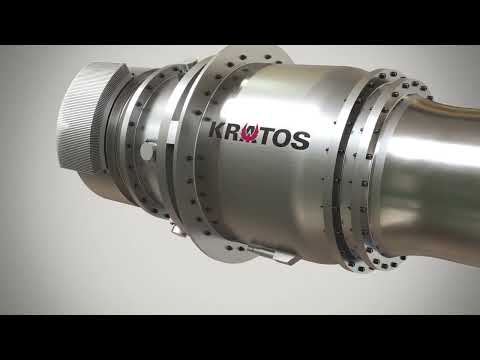
مؤخرًا، حصل محرك GEK1500 على مشروع تصميم لطائرات القتال التعاونية المستقبلية (CCAs)، وهو مفهوم تجعل فيه الطائرات بدون طيار جزءًا أساسيًا من سلاح الجو الأمريكي، حيث تتحول طائرات المقاتلة مثل F-35 إلى ما يشبه “سفينة الأم” للقيادة على مجموعة من الطائرات بدون طيار.
“الدروس المستفادة من اختبارات الارتفاع الأخيرة لمحرك GEK800 تُطبق مباشرةً على GEK1500 — محسنًا الدفع، وتوليد الطاقة، وتكلفة دورة الحياة — حتى نتمكن من تلبية متطلبات CCA دون التضحية بالقدرة على تحمل التكلفة أو الجدول الزمني.”
ستيف “دوغي” راسل – نائب الرئيس والمدير العام لإيدسون ووركس في GE Aerospace.
هذا القطاع من الشركة مهم ليس فقط كمركز ربح، بل أيضًا كمورد ومركز خبرة للأقسام الأخرى، مثل أنظمة الأسلحة والطائرات بدون طيار.
الأنظمة غير المأهولة
مع خبرتها في الصواريخ، ومحركات الطائرات النفاثة، والاتصالات، فإن الانتقال إلى تصنيع الطائرات بدون طيار هو خطوة طبيعية لكرايتوس.
سيكون جوهر العرض المستقبلي لكرايتوس في هذا المجال هو الطائرات التكتيكية غير المأهولة (UTA).
بعد أول رحلة طيران له في عام 2019، تُعد XQ-58 فالكييري طائرة قتالية تعاونية متعددة المهام، منصة تعاونية ذاتية (ACP)، وطائرة بدون طيار تكتيكية.
تستطيع الوصول إلى مدى يصل إلى 3,000 ميل بحري، مع الحفاظ على سرعة قدرها 0.85 ماخ، وارتفاع يصل إلى 45,000 قدم (حوالي 13,716 متر)، وتتحمل مناورات تزيد عن 6G.
ستتمكن من استخدام المطارات الطويلة والقصيرة حيث يمكن أن تتوفر بنسختين: إما إقلاع مساعد بالصاروخ (RATO) أو إقلاع وهبوط تقليدي (CTOL). يمكن حتى للنماذج الأساسية أن تُطلق عبر مقطورة مساعدة صاروخية دون الحاجة إلى مدرج (مع الاعتماد على هبوط بالمظلة).

يمكن أيضًا نشر فالكييري في جيوش الناتو، كما توضح تحضيرات إيرباص لاثنتين من فالكييري للرحلة الأولى مع أنظمة المهمة الأوروبية، مدمجةً مع نظام MARS (النظام الأوروبي متعدد المنصات المستقل القابل لإعادة التكوين والآمن).
“من خلال دمج فالكييري من كرايتوس مع نظام المهمة MARS الخاص بنا، نقدم للعميل الألماني بالضبط ما تحتاجه ألمانيا وأوروبا بشكل عاجل في الوضع الجيوسياسي الحالي: طائرة قتالية غير مأهولة مثبتة مع نظام مهمة أوروبي سيادي لا يحتاج إلى تطوير من الصفر بطريقة تستغرق وقتًا وتكلفةً كبيرين.”
ماركو غومبريشت، رئيس حسابات ألمانيا في إيرباص للدفاع والفضاء.
في الوقت نفسه، توفر كرايتوس أهدافًا جوية بطائرات بدون طيار لاختبار الأسلحة وتدريب الجنود ضد أهداف حقيقية تحاكي طائرات وصواريخ العدو المحتملة.
تقوم كرايتوس بـ«إعداد مسبق» دفعات من هذه الطائرات بدون طيار دون انتظار العقود الحكومية لتسريع جداول التسليم وخفض التكاليف. هذا يُعد انحرافًا قويًا عن العقود التقليدية فقط أو عقود التكلفة زائد، التي تُعد أكثر أمانًا من الناحية المالية، لكنها تُتهم أيضًا بتضخم الأسعار وتأخير تسليم الأسلحة بشكل كبير.
تعمل كرايتوس أيضًا على تطوير شاحنات وأنظمة لوجستية أرضية ذات تحكم عن بُعد وذاتية القيادة. وعلى الرغم من أن لهذا تطبيقات عسكرية واضحة، إلا أنه قد يكون مناسبًا أيضًا للقطاع المدني، حيث تم تطوير النظام مع مراعاة التوافق العكسي مع أساطيل الشاحنات الحالية (مجموعات تعديل لا تعتمد على نوع المركبة).
“يدعم التحكم متعدد الأنماط التشغيل عن بُعد، وتتبع المسار، والتنقل عبر نقاط الطريق، بما في ذلك تشكيلات متعددة المركبات في بيئات خالية من GPS. كما تُحوِّل مجموعات التعديل المنصات القياسية إلى أهداف غير مأهولة تمثل التهديد، مما يوفر سلوكيات ديناميكية تُعِدّ المقاتلين بشكل أفضل للمواجهات الواقعية.”
أنظمة الأسلحة
يوفر هذا القطاع للجيش أسلحة جاهزة تمامًا للاستخدام، تتألف من ثلاثة مكونات رئيسية لكرايتوس: الأسلحة الاستراتيجية، والرادارات، والصواريخ الاستراتيجية.
هنا، تتعاون الشركة مع عمالقة الدفاع الآخرين لتقديم المنتج النهائي، مستفيدةً من خبرتها الفريدة في النظام النهائي.
على سبيل المثال، تُعد كرايتوس موردًا استراتيجيًا لشركة نورثروب غرامان لنظام سلاح سينتينيل، وهو نظام صاروخي باليستي عابر للقارات (ICBM) أرضي قيد التطوير، من المتوقع نشره في أوائل الثلاثينيات.
يشمل ذلك أيضًا دمج أنظمة C5ISR (القيادة، التحكم، الاتصالات، الحواسيب، الأمن السيبراني، الاستخبارات، المراقبة والاستطلاع) في منصات متنقلة خفيفة الوزن ومحمية من التداخل الكهرومغناطيسي.
أو إنتاج الليزر عالي الطاقة، مثل شعاع ليزر HELEX بقوة تزيد عن 25 كيلواط. قد يصبح مثل هذا النظام أساسيًا في تكنولوجيا مكافحة الطائرات بدون طيار المستقبلية، حيث يمكنه ضرب التهديدات مع وعد بذخيرة شبه لا نهائية، طالما كان متصلًا بمصدر طاقة قوي بما فيه الكفاية.
فيما يتعلق بالرادار، توفر كرايتوس أنظمة تغليف متخصصة تحمي إلكترونيات الرادار ومعدات التحكم في العمليات من التداخل الكهرومغناطيسي (EMI). كما تصنع حوامل ومنصات تنقل لتجميعات الرادار الأرضية (الأسلاك الكهربائية، محركات القيادة، رافعات التسوية، محامل الازيموث، وغيرها من الأنظمة الميكانيكية).
الفضاء
بخبرة طويلة الأمد في البنية التحتية الأرضية للاتصالات عبر الأقمار الصناعية، تظل كرايتوس لاعبًا مهمًا في هذا القطاع، حتى وإن أصبحت شركات مثل SpaceX (SPCX ) منافسين جديين بشكل متزايد.
كدليل على استمرار صلة كرايتوس، فازت مؤخرًا في أبريل 2026 بعقد أمر أنظمة فضائية بقيمة 446.8 مليون دولار مع قوات الفضاء الأمريكية لتوفير نظام إدارة وتكامل أرضي (GMI) قوي لتحذير الصواريخ وتعقبها.
هذا جزء من برنامج التحذير وتعقب الصواريخ القوي في مدار الأرض المتوسط (MWT).
“ستعمل كرايتوس كمكامل للنظام، تقود فريقًا يضم نورثروب غرامان، أوريا، ASRC Federal Systems Solutions وRise8، لإنشاء قدرات تشغيلية أولية واحتياطية للمهام بشكل كامل.”
بالإضافة إلى إدارة أسطول الاتصالات العسكرية الأمريكية، يشمل قسم الفضاء خدمات استخبارات KnownSpace RF، التي تراقب اتصالات الفضاء، ومراقبة وإدارة الترددات الراديوية، ومراقبة الأرض، والأمن السيبراني.

المصدر: Kratos Space
الحلول الميكروية والرقمية
ينتج هذا القطاع مجموعة متنوعة من مكونات الإلكترونيات: المخفضات، المفاتيح، مغيرات الطور، معدلات المتجهات المتزامنة والرباعية (IQ)، مضخمات الطاقة الصلبة (SSPAs)، مضخمات الضوضاء المنخفضة (LNAs)، مصادر التردد، ومحوّلات التردد.
تُستخدم هذه الأنظمة في الحرب الإلكترونية، والرادارات، والطائرات بدون طيار، والذخائر الذكية، وغيرها.
لذلك، يُعد هذا القسم قادرًا على توفير المكونات الأساسية لشركات الدفاع الأخرى (على سبيل المثال، برامج صواريخ رايثيون (RTX )) ومزودًا رئيسيًا لمكونات إلكترونية مهمة لجميع أقسام كرايتوس الأخرى.
هنا أيضًا، يركز الشركة على التصنيع عالي الحجم ومنخفض التكلفة، مع قابلية توسعة سريعة وتفضيل المكونات الجاهزة على الأنظمة المخصصة ذات التكلفة العالية التي يفضلها منافسوه عادةً، وهي طريقة تسميها الشركة “التصميم للتصنيع”.
مستقبل كرايتوس
منذ عام 2019 على الأقل، أدركت إدارة كرايتوس بشكل صحيح أن القدرة المفقودة الرئيسية في صناعة الدفاع الأمريكية ليست التكنولوجيا، بل القدرة على إنتاج تصميم أرخص على نطاق واسع مقارنةً بالنموذج عالي التكلفة، عالي الأداء، وعالي الهوامش الذي يفضله أكبر مقاولين دفاعيين.
كان هذا التقييم تنبؤيًا بشكل خاص في مجال الطائرات بدون طيار والذخائر الصاروخية. من خلال الاستحواذ المبكر على شركات أصغر طورت محركات صاروخية رخيصة ودمجها مع أنظمة الطيران الإلكترونية المتكاملة عموديًا، والإلكترونيات، ونظام التحكم عن بُعد، يتحول هذا الموقف الاستراتيجي إلى أداة حيوية للجيش الأمريكي.
من المرجح أن تثبت الشركة أنها أساسية للولايات المتحدة لتتكيف بسرعة مع ظهور الطائرات بدون طيار والصواريخ الرخيصة كمشكلة استراتيجية رئيسية، كما يتضح من استنزاف الذخائر التقليدية خلال أسابيع قليلة من الحرب مع إيران.
من المحتمل أيضًا أن تصبح كرايتوس أكثر من اليوم شريكًا رئيسيًا لشركات مثل رايثيون، GE Aerospace، ونورثروب غرامان للابتكار في هذه المجالات ومواكبة المشهد العسكري المتطور بسرعة كبيرة.
أخيرًا، يجب أن يساعد التقدم المحرز في مجال الهايبرسونيك على سد فجوة مهمة في القدرة حيث تتأخر الولايات المتحدة فعليًا، وقد كافحت للحاق بالركب لعدة سنوات حتى الآن.
أحدث تطورات كرايتوس للدفاع والحلول الأمنية (KTOS)



