
Energie
Ford-Umstellung auf Netzbatterien: Der 6 Mrd‑$‑Plan von BlueOval SK

 Securities.io zu deinen bevorzugten Quellen auf Google hinzufügen

Westliche Automobilhersteller, insbesondere US‑Automobilhersteller, haben Schwierigkeiten, sich an die von Tesla (TSLA ) zunächst weltweit eingeleitete, dann von chinesischen Marken und schließlich von der gesamten Branche vorangetriebene EV‑Revolution anzupassen. Ein Grund dafür ist die Frage des Brandings, da die etablierten Automarken über langjährige Expertise und ein Image verfügen, das eng mit Verbrennungsmotoren verknüpft ist.
Ein weiterer Grund ist die langsame Einführung neuer Technologien und der Versuch, EV‑Technologie in ältere Designs zu pressen. Infolgedessen waren die EVs dieser Marken bei den Verbrauchern relativ unpopulär, was zu erheblichen finanziellen Verlusten führte.
Dies ist der Fall bei Ford, das kürzlich einen Buchwertverlust von 19,5 Mrd. $ verzeichnete, da es den Großteil seiner Investitionen in EVs abgeschrieben hat – ein Verlust in Höhe von 40 % des gesamten Buchwerts des Unternehmens.
Dies ist jedoch kein totaler Verlust, da das Unternehmen seine Batteriekapazität auf einen vielversprechenden neuen Markt ausrichtet: stationäre Energiespeicherung, insbesondere für KI‑Rechenzentren. Diese Investition von 6 Mrd. $ könnte sich auszahlen und das traditionsreiche Automobilunternehmen auch zu einem Energieunternehmen machen.
- Abkehr von Elektro‑Lkw: Ford gibt den F‑150 Lightning nach enttäuschenden Verkaufszahlen auf und hat einen Abschreibung von 19,5 Mrd. $ erlitten.
- Neue Strategie: Der große Elektro‑Lkw wird durch ein Modell mit Reichweitenverlängerer und Fokus auf Hybrid‑ und kleinere EVs ersetzt.
- Umstieg auf Energiespeicherung: Die Batteriefabrik wird für 6 Mrd. $ umgestaltet, um große Energiespeichermodule für KI‑Rechenzentren und Versorgungsunternehmen zu produzieren, wobei fortschrittliche, lizenziert‑technologie von CATL verwendet wird.
- Investitionsaspekt: Ford verkauft weiterhin Fahrzeuge mit Verbrennungsmotor gut und entwickelt sich gleichzeitig zu einem Batteriemanufacturer.
F Preisdiagramm
Ford & EVs – Was ist schiefgelaufen?
Warum der F‑150 Lightning die Marktnachfrage nicht erfüllte
Fords meistverkauftes Modell ist der berühmte F-150. Er ist nicht nur Fords erfolgreichstes Produkt, sondern seit 48 Jahren in Folge Amerikas meistverkaufter Pickup und seit 44 Jahren das meistverkaufte Fahrzeug überhaupt.
Auf dem Papier war es daher sinnvoll, dass Ford beim Übergang zu Elektrofahrzeugen auf seine größte Stärke setzte und mit dem Ford F-150 Lightning eine elektrische Version des F-150 auf den Markt brachte.
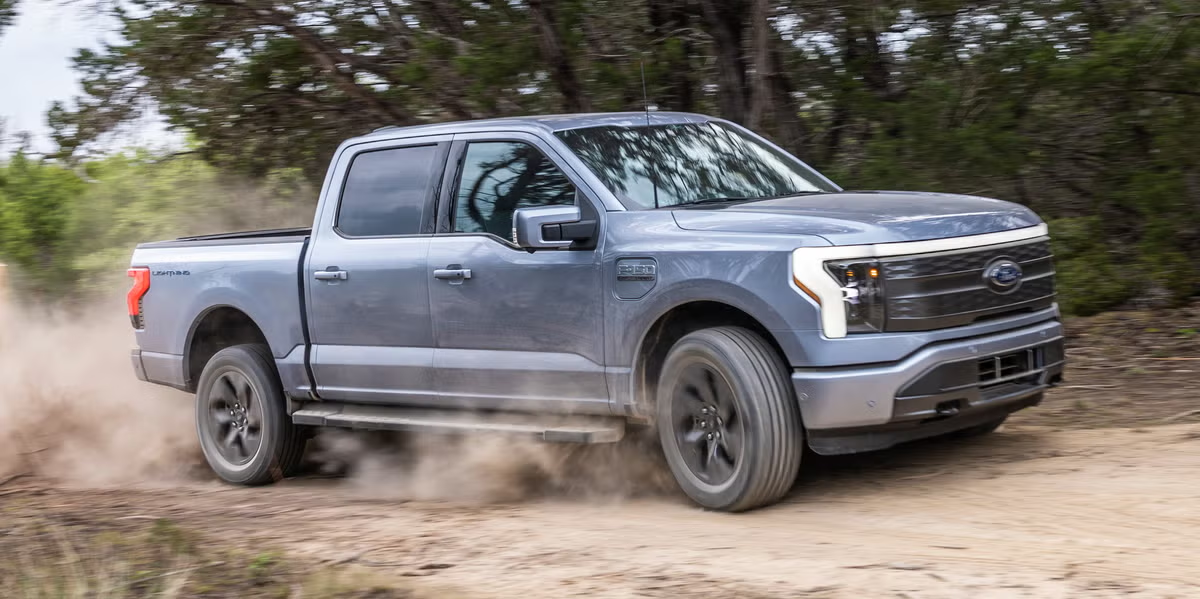
Quelle: Car & Driver
Während sich viele andere Elektroautomarken zuvor auf Sport-, Luxus- oder kleine günstige Modelle konzentriert hatten, setzte Ford auf Größe. Ein weiterer Vorteil war, dass die Verkäufe des F-150 Lightning die CO2-Emissionen der übrigen Fahrzeugpalette ausgleichen sollten.
„Analysten schätzen, dass jeder verkaufte F‑150 Lightning Ford ermöglichte, etwa 16 benzinbetriebene F‑150 Trucks zu verkaufen, ohne die Steuer für kraftstoffintensive Fahrzeuge zu zahlen.“
However, a few things went awry.
Zunächst hatte Ford Schwierigkeiten, die Produktion des F-150 Lightning in Gang zu bringen. Durch mehrere Verzögerungen kam er nicht als erster großer Elektro-Pickup auf den Markt, sondern erst nach den Modellen von Rivian und GMC.
Der entscheidende Rückschlag kam jedoch von den Verbrauchern: Schnell wurde klar, dass elektrische Pickups schlicht nicht ihren Erwartungen entsprachen.
Die geringe Reichweite beim Anhängerbetrieb schadete dem Image dieser Fahrzeuge, von denen deutlich mehr Schwerarbeit erwartet wird als von den meisten Elektroautos. Zudem stand gerade die F-150-Zielgruppe Elektrofahrzeugen besonders ablehnend gegenüber, was schlecht zur Marke und Marktposition des Modells passte.
Den letzten Ausschlag gab die Abschaffung der Steuergutschrift für Elektrofahrzeuge und des Emissionsgutschriftensystems durch die Trump-Regierung Ende September. Dadurch verschlechterte sich die Wirtschaftlichkeit weiter und der Anreiz entfiel, mit F-150-Lightning-Verkäufen andere Ford-Modelle auszugleichen.
„US‑EV‑Verkäufe haben nie die Erwartungen erfüllt. Das galt sogar, solange die Steuervergünstigung noch bestand. Jetzt gibt es keine Steuervergünstigung mehr, und die EV‑Verkäufe sind von einer sprichwörtlichen Klippe gefallen.“
Pavel Molchanov – Managing director at financial services firm Raymond James.
Ford hält auch in Europa an seinen Elektroambitionen fest, insbesondere mit einer neuen Reihe vollelektrischer schwerer Nutzfahrzeuge.
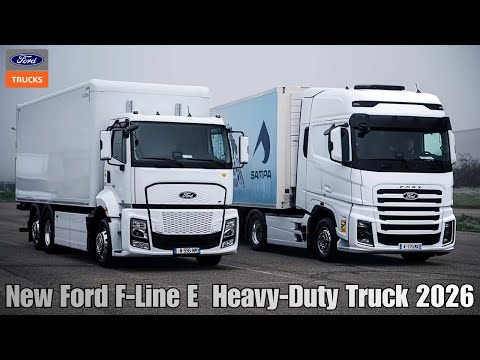
Neue EV‑Strategie
Infolgedessen richtet das Unternehmen seine Fahrzeugstrategie statt auf große Elektroautos nun auf Verbrenner und Hybridmodelle aus.
Für die verbleibenden reinen Elektrofahrzeuge mit kleineren und erschwinglichen Modellen nutzt Ford außerdem seine flexible Universal EV Platform. Das erste Modell soll rund 30.000 US-Dollar kosten und 2027 erscheinen.
„Dies ist ein kundengetriebener Wandel, um ein stärkeres, widerstandsfähigeres und profitableres Ford zu schaffen. Die operative Realität hat sich geändert, und wir verlagern Kapital in wachstumsstärkere Möglichkeiten mit höherer Rendite: Ford Pro, unsere marktführenden Lkw und Vans, Hybride und margenstarke Chancen wie unser neues Batteriespeicher‑Geschäft.“
Ford president and CEO Jim Farley
Ford gibt elektrische Pickups damit nicht vollständig auf. Die Strategie begegnet der begrenzten Reichweite jedoch, indem sie nicht allein auf Batterien setzt.
Stattdessen nutzt Ford die Extended-Range-Electric-Vehicle-Technik (EREV), bei der ein kleiner kraftstoffbetriebener Generator die Batterie lädt. So steigt die Reichweite, während Drehmoment und Beschleunigung des Elektromotors erhalten bleiben.
Redesigning EV Battery Factories
Letting Go Of The Past
Besonders hart trifft die Wende den „Battery Belt“ im Südosten der USA, wo Ford Milliarden in BlueOval-Werke für Batterien und Elektrofahrzeuge investiert hatte.
Das Batteriewerk in Glendale, Kentucky, baut etwa 1.600 Stellen ab. Laut Memphis Commercial Appeal wird ein Ford-Werk in Tennessee rund 1.000 Beschäftigte weniger einstellen als geplant, da es nun Verbrenner-Pickups statt Elektrofahrzeugen fertigt.
Die größte Änderung ist Fords „6-Milliarden-Dollar-Wende“ beim Joint Venture BlueOval SK mit dem südkoreanischen Batteriekonzern SK On (096770.KS).
Die Partnerschaft wird aufgelöst. Die Tochter Ford Energy übernimmt die beiden Werke in Glendale, Kentucky, vollständig sowie die Verantwortung für rund 3,8 Milliarden US-Dollar Schulden des Gemeinschaftsunternehmens.
SK On wird unterdessen das Batteriewerk in Tennessee vollständig besitzen und betreiben.
„Diese Vereinbarung ist ein strategischer Umbau von Vermögenswerten und Produktionskapazität, um die operative Effizienz zu steigern. Wir werden uns darauf konzentrieren, die Rentabilität auf dem nordamerikanischen Markt zu stärken, indem wir Batterien und ESS für Elektrofahrzeuge an Ford und andere Kunden aus dem 45‑GWh‑Werk in Tennessee liefern.“

Quelle: KED Global
Ford ist damit nicht allein: Auch LG Energy Solution will „alle Vermögenswerte im Zusammenhang mit der L-H Battery Company“ an seinen Partner Honda verkaufen.
Moving To Energy Storage
Ford investiert in den nächsten zwei Jahren weitere zwei Milliarden US-Dollar, um die Werke in Kentucky auf Batterien für Energiespeicher umzurüsten. Produziert werden LFP-Zellen (Lithium-Eisenphosphat) für BESS-Module und 20-Fuß-Gleichstromcontainersysteme.
Ein durchschnittliches Speichersystem aus diesem Werk soll mehr als 5 MWh leisten. Ford plant bis Ende 2027 eine jährliche Bereitstellung von mindestens 20 GWh.
Die Umstellung ist logisch, denn der nordamerikanische Speichermarkt wächst rasant. 2025 stieg er mit einer erstaunlichen Rate von über 60 % durchschnittlicher jährlicher Wachstumsrate von 40 GWh auf 65–70 GWh.
Dies ist zudem einer der wenigen sinnvollen Wege, die bereits errichteten Anlagen weiter zu nutzen und dennoch Gewinn zu erzielen.
„Sie haben die Batteriefertigungskapazität aufgebaut und müssen jetzt etwas damit anfangen. Während die EV‑Nachfrage stagniert, steigen die US‑Energiespeicher‑Installationen rasant.“
Swipe to scroll →
| Kennzahl | 2023 | 2025 | Prognose 2030 |
|---|---|---|---|
| BESS‑Installationen in Nordamerika | ~25 GWh | 65-70 GWh | 150+ GWh |
| Batterieprojekte im Versorgungsmaßstab | 150+ | 400+ | 1,000+ |
| Wichtigster Nachfragetreiber | Solarintegration | Netzstabilität | KI‑Rechenzentren & Erneuerbare |
Fortschrittliche Batterietechnologie
Die Batterietechnik wird zu den fortschrittlichsten der Welt gehören, da Ford sie vom weltweit führenden Batteriehersteller CATL lizenziert (300750.SZ – der Link führt zu einem Anlagebericht über CATL).
Das ist wichtig, denn Energiespeicherung ist zwar ein anderer, aber nicht weniger umkämpfter Markt als der Fahrzeugbau. Entscheidend sind Kosten und verwendete Batteriechemie.
Die containerisierte stationäre Speichertechnik TENER von CATL zählt zu den fortschrittlichsten weltweit und demonstrierte das erste Speichersystem ohne Kapazitätsverlust über fünf Jahre bei 6,25 MWh Kapazität.
Kein Kapazitätsverlust über jahrelange Ladezyklen ist für Versorger ein großer Fortschritt. Das System kann über Jahrzehnte statt nur acht bis zehn Jahre abgeschrieben werden und wird funktional zwei- bis dreimal günstiger.
Dieselbe von Ford lizenzierte Technik könnte dem Autobauer daher einen entscheidenden Vorsprung gegenüber Wettbewerbern einschließlich neuer Energieführer wie Tesla verschaffen.
Allerdings verlagert CATL einen Teil seiner Speicheraktivitäten zuletzt auf NAXTRA, eine Natrium-Ionen-Chemie, auch wenn das Design hauptsächlich für Elektrofahrzeuge gedacht ist.
Fords enge Beziehung zu CATL dürfte in jedem Fall entscheidend sein, um ohne enorme Forschungsbudgets an der Spitze der Batterietechnik zu bleiben.
Investing In Ford’s Move Into Energy Storage
Die jüngste Abschreibung von 19,5 Milliarden US-Dollar enttäuschte Fords Aktionäre, die gehofft hatten, der F-150 Lightning werde das Rückgrat eines erfolgreichen Übergangs ins Elektrozeitalter.
Gleichzeitig wirkte sie sich kaum auf den Aktienkurs aus, da sich der Absatz kraftstoffbetriebener Fahrzeuge hält.
Der Verbrennerabsatz ist stabil und lag im Februar 2026 mit rund 136.000 Fahrzeugen nahezu auf Vorjahresniveau; er macht 90 % des Gesamtabsatzes aus. Auch die F-Serie behauptet sich mit 33 % Anteil und einem Absatzplus von 8,3 % im Jahr 2025.
Unterstützend wirkten 187,3 Milliarden US-Dollar Umsatz im Jahr 2025 und das fünfte Wachstumsjahr in Folge bei 13,2 % US-Marktanteil. Ford ist finanziell solide, verfügt über hohe Liquidität und bietet eine durch ausreichenden freien Cashflow gedeckte Dividendenrendite von über 4 %.

Quelle: Ford
Der Einstieg in Energiespeicher könnte für den traditionell stark konjunkturabhängigen Autobauer eine wertvolle und unerwartete Diversifizierung darstellen.
Der KI-Boom mit Gigawatt-Rechenzentren hält an. Elektrifizierung und mehr erneuerbare Energien im Strommix lassen die Nachfrage nach stationären Großspeichern weiter steigen, besonders weil Energie zu Spitzenzeiten für Rechenzentren und Versorger zur knappsten Ressource wird.
Das neue Geschäft könnte bei einer Rezession oder schwächerer Verbraucherstimmung eine solide zusätzliche Einnahmequelle darstellen.
Die ausgereifte und gut verstandene LFP-Technik von CATL ermöglicht jahrzehntelange Stabilität über einen breiten Temperaturbereich nahezu ohne Kapazitätsverlust und eignet sich daher ideal für Anwendungen im Versorgungsmaßstab.
Wichtige Erkenntnisse für Investoren:
- Beobachtungswert: Ford hat einen Rückschlag erlitten, bewegt sich aber nun über den Fehler mit dem F‑150 Lightning hinaus und betritt vielversprechende neue Märkte.
- Finanziell wichtig: Ford’s Verkäufe und Umsätze sind nach wie vor stark, und das Unternehmen ist finanziell solide.
- Haupt‑risiko: Der zukünftige Erfolg der neu gestalteten EV‑Linie ist nicht garantiert, ebenso wenig wie das Konzept eines elektrischen F‑150 mit Reichweitenverlängerer.
- Optionaler Zusatz: Ford’s Einstieg in den Energiespeichermarkt wird durch die Lizenzierung von CATL’s Technologie unterstützt, dem weltweit führenden Hersteller von Batterien.
Latest Ford (F) Stock News and Developments



