
Avaruus
X-65:n sisällä: DARPA:n aktiivinen virtauksen hallintalento

 Lisää Securities.io suosikkilähteisiisi Google-palvelussa

Kuinka aktiivinen virtauksen hallinta voisi uudelleenmääritellä lentokoneiden suunnittelun
Ilmailun alkuajoista lähtien lähes jokainen lentokoneen osa on kehittynyt. Pyörivät potkurit korvattiin turbiineilla, äänivalli rikottiin ja ohjaaminen siirtyi sähköisiin järjestelmiin.
Silti yksi elementti ei ole muuttunut lähes vuosisadan ajan, nimittäin lentokontrollimekanismit. Kaikki lentokoneet luottavat elementteihin kuten peräsimiin ja ohjauslevyihin ohjatakseen lentokoneen suuntaa ja kulmaa (kallistus, rullaus ja kurssinmuutos).

Lähde: BoffinPanda
Perinteiset lentokontrollit toimivat muuttamalla lentokoneen aerodynaamista profiilia, lisäämällä tai vähentämällä vastusta tietyssä osassa konetta. Radikaalisti erilainen tapa tehdä tämä, ainakin teoriassa, on aktiivinen virtauksen hallinta (AFC). Tämä menetelmä keskittyy aktiivisesti ohjaamaan ilmavirtausta energian avulla sen sijaan, että vain passiivisesti lisättäisiin tai vähennettäisiin ilmanvastusta. Tähän mennessä se on ollut lupaava, mutta enimmäkseen teoreettinen käsite, jota on testattu vain laboratorioissa.
Tämä on pian muuttumassa, kun äskettäin ilmoitettiin päätöksestä edetä X-65:n kanssa, lentokoneprototyypillä, jolla on ainutlaatuinen ulkonäkö, suunniteltu AFC-teknologian demonstraattoriksi.

Lähde: Aurora Flight Sciences
Aurora Flight Sciencesin, Boeingin (BA ) tytäryhtiön, rakentama X-65 saattaa valmistua pian ja antaa insinööreille käytännön kokemusta AFC-ohjatun lentokoneen rakentamisesta.
TL;DR: X-65 on ensimmäinen täysikokoinen lentokone, joka on suunniteltu testaamaan aktiivista virtauksen hallintaa (AFC) — järjestelmää, joka ohjaa lentokoneita ilmavirtausten avulla sen sijaan, että liikkuvat ohjauslevyt liikkuisivat. Aurora Flight Sciences ja DARPA pyrkivät osoittamaan, voiko AFC vähentää vastusta, lisätä nostovoimaa, parantaa häivytystä ja lopulta yksinkertaistaa lentokoneiden suunnittelua. Alkuvaiheen testit vertaavat AFC:ta perinteisiin peräsimiin ennen siirtymistä täysin aktiiviseen ohjaukseen. X-65 ei siirry palvelukäyttöön, mutta teknologia voi muokata seuraavan sukupolven sotilas- ja tulevia kaupallisia lentokoneita.
Aktiivinen virtauksen hallinta selitettynä
Aktiiviset ohjaimet
Tavalliset lennonohjausjärjestelmät käyttävät kiinteitä muotoja tai pintoja hallitakseen ilmavirtausta lentokoneen ympärillä. Aktiivinen virtauksen hallinta puolestaan muuttaa virtauskenttien käyttäytymistä suoraan antureiden, toimilaitteiden ja ohjausalgoritmien avulla.
Esimerkiksi ilmavirtaukset tai -puhaltimet otetaan suihkumoottorista 1-4mm leveiden reikien kautta lentokoneen pinnan asianmukaisissa osissa. Teoriassa tämä mahdollistaa AFC:n olevan paljon reaktiivisempi ja joustavampi, reagoiden reaaliaikaisesti muuttuviin olosuhteisiin kuten turbulenssiin. Menetelmän tulisi myös tehdä lentokoneesta tehokkaampi.
Aktiivisen virtauksen hallintajärjestelmien haasteet
AFC:n yksi haaste on järjestelmän huomattavasti suurempi monimutkaisuus. Se edellyttää lähes täydellistä koordinointia antureiden, toimilaitteiden ja ohjausalgoritmien välillä. Todellisessa lentokoneessa mikä tahansa virhe, viive tai väärä reaktio voi muuttua nopeasti hengenvaaralliseksi.
Toinen ongelma on, että järjestelmän aktiivisen luonteen vuoksi mikä tahansa sähkö- tai mekaaninen vika voi dramaattisesti muuttaa lentokoneen käyttäytymistä. Siksi redundanssi ja korkea luotettavuus vaaditaan, jopa enemmän kuin perinteisissä lentokontrollijärjestelmissä.
Lopuksi useimmat AFC-ratkaisut kuluttavat enemmän energiaa kuin perinteiset lennonohjaimet, mikä voi olla ongelma tehon ja painon suhteen rajoitetuissa lentokoneissa.
X-65:n yleiskatsaus
X-65 on DARPA:n (Defense Advanced Research Projects Agency) ja Aurora Flight Sciencesin yhteishanke. Sopimus lentokoneen yhteisestä kehittämisestä allekirjoitettiin elokuussa 2025. Hanke kuuluu CRANE-ohjelmaan (Control of Revolutionary Aircraft with Novel Effectors), jonka tavoitteena on kehittää ”uudenlainen X-kone, jossa aktiivinen virtauksen hallinta (AFC) on keskeinen suunnitteluperiaate”.
“X-65-alusta tulee olemaan kestävä lentotestausväline, ja olemme varmoja, että tulevat lentokoneiden suunnittelut ja tutkimuslennot pystyvät hyödyntämään taustalla olevia teknologioita ja lentotestidataa.”
Larry Wirsing – lentokoneiden kehityksen varatoimitusjohtaja Aurora Flight Sciencesissa.
X-65 on ennen kaikkea teknologian koelentokone, joka on suunniteltu AFC:n ympärille, jotta teknologian käyttöönotosta todellisissa kaupallisissa lentokoneissa saadaan lisää tietoa.
Koneen siipien kärkiväli on 30 jalkaa (9 metriä) ja kokonaispaino 7 000 paunaa (3 175 kg). Se on täysin miehittämätön ja sen odotetaan saavuttavan Mach 0,7:n nopeuden.
AFC-suunnittelu
Aluksi lentokone varustetaan sekä perinteisillä siivekkeillä ja peräsimillä että AFC-toimilaitteilla.
Näin tutkijat voivat verrata AFC:tä perinteisiin lennonohjaimiin ja muodostaa suorituskyvyn vertailutason.
Myöhemmissä kokeissa tukeudutaan vähitellen enemmän AFC-toimilaitteisiin ja minimoidaan liikkuvien pintojen käyttö.
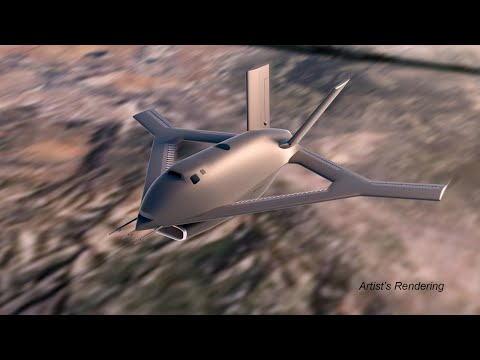
Lentokoneessa on sisäisiä kanavia ja tehoyksikkö ilmavirran ohjaamiseen. Neljätoista erilaista AFC-toimilaitetta ovat modulaarisia, joten niitä voidaan vaihtaa muihin ratkaisuihin testivaiheen aikana.
“Meillä on anturit paikallaan seuraamaan, miten AFC-efektorien suorituskyky vertautuu perinteisiin ohjausmekanismeihin, ja nämä tiedot auttavat meitä ymmärtämään paremmin, miten AFC voisi mullistaa sekä sotilas- että kaupalliset alukset tulevaisuudessa.”
Pyyhkäise vierittääksesi →
| Ominaisuus | Perinteiset ohjaimet | Aktiivinen virtauksen hallinta (AFC) |
|---|---|---|
| Ensisijainen mekanismi | Mekaaniset pinnat (peräsimet, ohjauslevyt) | Ilmavirrat, anturit, ohjausalgoritmit |
| Energian käyttö | Passiivinen, alhainen | Aktiivinen, korkeampi |
| Reagoivuus | Hitaampi, mekaaninen viive | Reaaliaikainen dynaaminen ohjaus |
| Vikamuoto | Ennustettava, asteittainen | Vaatii redundanssia; vika äkillinen |
| Mahdolliset hyödyt | Todistettu, yksinkertainen | Suurempi nostovoima, pienempi vastus ja paremmat häiveominaisuudet |
X-65:n aikajana
Aurora aloitti CRANE-ohjelman parissa vuonna 2020, ja tuulitunnelikokeet tehtiin vuonna 2022.
Ohjelma sai virallisen nimensä toukokuussa 2023, minkä jälkeen lisäkokeet alkoivat.
Rakentaminen on käynnissä Auroran tehtaalla Bridgeportissa, Länsi-Virginiassa, ja rungon odotetaan valmistuvan tammikuussa 2026. Myös voimalaitteen ja AFC-järjestelmän osat on jo rakennettu, ja ne odottavat asentamista lentokoneeseen.

Lähde: Aurora Flight Sciences
Mitä X-65 -ohjelma pyrkii todistamaan
AFC:n kokeilemisen lisäksi selkeänä tavoitteena on luoda alusta, jonka pohjalta voidaan myöhemmin suunnitella ensin sotilas- ja sitten siviililentokoneita.
Yksi AFC:n keskeinen etu on, että se pystyy käsittelemään turbulenssia paljon paremmin ja saattaa lopulta mahdollistaa yksinkertaisemmat rakenteet, poistaen tarpeen suurille, monimutkaisille mekaanisille ohjauspinnille.
Sen tulisi myös vähentää vastusta ja lisätä nostovoimaa, mikä johtaa polttoaineen säästöihin ja pidempään lentomatkaan.
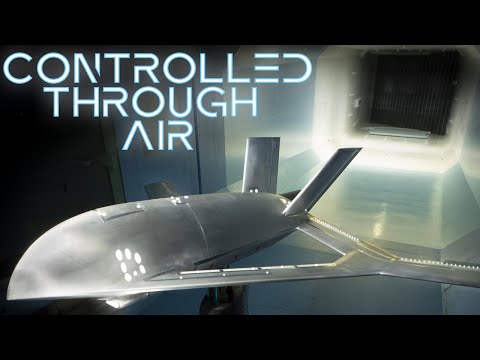
Sotilaallisesta näkökulmasta hallitsemalla virtausta ja aerodynaamisia allekirjoituksia AFC voi parantaa häiveominaisuuksia, mikä on tärkeä tekijä, kun kehittyneitä puolijohteita kuten GaN (gallium-nitriidi) käytetään entistä tehokkaampien tutkien luomiseen.
Lopuksi AFC voi vakauttaa ja tehostaa lentokoneen lentoonlähtöä, mikä on erittäin hyödyllistä lentotukialukselta nouseville hävittäjille ja drooneille.
Mitä X-65 merkitsee tulevaisuuden lentokoneille
X-65 ja sen aktiiviset virtauksenhallintajärjestelmät eivät sellaisenaan ole käyttökelpoinen hävittäjä tai drooni, vaan teknologia-alusta, jonka pohjalta tulevat toimivat ilma-alukset voidaan rakentaa.
Järjestelmien tehokkuus ja käytännöllisyys ovat vielä osoittamatta, ja juuri tähän X-65:n kokeet antavat vastauksen.
Todennäköisesti ensimmäinen käyttökohde on kehittynyt sotilasilmailu. Lentotukialukselta nousevan tai häiveominaisuuksia tarvitsevan miehitetyn tai miehittämättömän koneen vaatimukset ovat paljon tavallista tiukemmat, joten AFC:stä voisi olla niissä merkittävää hyötyä.
Kun teknologia myöhemmin on osoitettu toimivaksi ja vakiintunut, sitä voidaan todennäköisesti käyttää myös siviililentokoneissa. Aluksi se saattaa täydentää perinteistä lennonohjausta ja korvata sen vähitellen uusissa matkustajakoneissa.
Sijoittajien tärkeimmät havainnot: Boeingin Aurora-yksikkö asemoituu X-65-ohjelman kautta seuraavan sukupolven lennonohjaustutkimuksen ytimeen. Vaikka AFC on yhä kokeellinen, varhainen onnistuminen voisi vahvistaa Boeingin pitkän aikavälin puolustus- ja ilmailustrategiaa sekä erottaa sen kilpailijoista tulevien häive- ja lentotukialusalustojen kehittyessä.
Sijoittajille AFC on Boeingin tutkimus- ja kehitystyöhön sisältyvä monivuotinen teknologiaoptio, joka kaupallistettuna voisi parantaa marginaaleja, vahvistaa sotilassopimuksia ja vaikuttaa seuraavan sukupolven matkustajakoneiden suunnitteluun.
Sijoittaminen aktiiviseen virtauksen hallintaan
Aurora Flight Sciences / Boeing
BA Hintakaavio
Aurora Flight Sciences kehittää X-65:n lisäksi monia muitakin ilma-aluksia:
- Pieniä lentäviä drooneja eli miehittämättömiä ilma-alusjärjestelmiä (UAS), kuten Skyron-X-tiedusteludroonia.
- Centaur Optionally Piloted Aircraft on maa-asemalta ohjattava pieni lentokone, jossa on turvallisuuslentäjä. Se mahdollistaa kustannustehokkaat lentokokeet Yhdysvaltain kansallisessa ilmatilajärjestelmässä (NAS).
- Useita kokeellisia, miehitettyjä ja miehittämättömiä sekä sähköisiä ja perinteisiä ilma-aluksia, jotka perustuvat nopeaan prototypointiin ja kehittyneisiin valmistusmenetelmiin, kuten 3D-tulostukseen, viisiakseliseen CNC-koneistukseen, automatisoituun paikan päällä tehtävään metrologiaan ja automaattiseen kuitujen sijoitteluun.
- Esimerkkejä ovat Liberty Lifter -vesitaso, SPRINT, siipeen integroitua puhallinteknologiaa käyttävä pystysuoraan nouseva X-kone, NASA:n Electrified Powertrain Flight Demonstration (EPFD) sekä NASA:n X-66 Sustainable Flight Demonstrator (SFD).
Kokonaisuutena Aurora toimii Boeingin kokeellisena tutkimus- ja kehitysyksikkönä.
Boeing-konserni on käynyt viime aikoina läpi vaikean jakson, erityisesti useiden lento-onnettomuuksien vuoksi, minkä lisäksi sitä rasitti Starliner-avaruuskapselin laajasti uutisoitu epäonnistuminen.
Yhtiö on silti yhä lentokonevalmistuksen jättiläinen. 777X-ohjelman toimitusmäärien kasvu nosti vuoden 2025 kolmannen neljänneksen liikevaihdon 23,5 miljardiin dollariin, kun se vuotta aiemmin oli 17,8 miljardia, ja vapaa kassavirta palasi positiiviseksi.
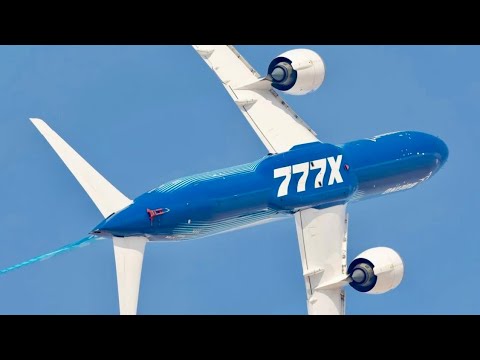
777X:n erityisen tehokkaat moottorit tekivät vaikutuksen sekä asiantuntijoihin että yleisöön Dubai Air Show 2025 -tapahtumassa koneen nopean lentoonlähdön ja vahvan liikehtimiskyvyn ansiosta.
Vaikka matkustajakoneet ovat yhtiön näkyvin osa — 11,1 miljardia dollaria liikevaihtoa vuoden 2025 kolmannella neljänneksellä —, puolustus-, avaruus- ja turvallisuussegmentti toi 6,9 miljardia ja palvelut, lähinnä varaosat ja huolto, 5,4 miljardia dollaria.
Yhtiö ei todennäköisesti ole vielä täysin selvinnyt aiemmista vaikeuksistaan, vaan sen on uudistettava valmistusprosessejaan ja toimitusketjuaan. Vuonna 2024 se osti Spirit Aerospacen takaisin 4,7 miljardilla dollarilla.
Yhtiö on kuitenkin palaamassa oikealle uralle. Vahva sotilastilausten kanta — esimerkiksi Pentagonin ja Israelin jatkuvat, yhteensä 7 miljardin dollarin tilaukset ilmatankkauskoneista ja Apache-helikoptereista — tukee yhtiötä samalla kun sen siviili-ilmailuyksikön mainetta korjataan.
Uusimmat Boeingin (BA) osakeuutiset ja kehitys



