
Künstliche Intelligenz
KI entdeckt massives Lithiumvorkommen in Quebec aus dem Weltraum

 Securities.io zu deinen bevorzugten Quellen auf Google hinzufügen

KI entdeckt bedeutendes Lithiumvorkommen in Quebec
Da die Nachfrage nach Rohstoffen infolge neuer Technologien, wirtschaftlicher Entwicklung und einer wachsenden Bevölkerung steigt, kommen immer fortschrittlichere Verfahren zum Einsatz, um neue Mineralvorkommen zu finden.
Da die Nachfrage nach Ressourcen durch neue Technologien, wirtschaftliche Entwicklung und eine wachsende Bevölkerung steigt, werden immer fortschrittlichere Methoden eingesetzt, um neue Mineralvorkommen zu finden.
Dieser Bedarf an mehr Ressourcen ist besonders akut bei Mineralien, die vor einigen Jahrzehnten noch keine große Bedeutung hatten. Infolgedessen sind viele potenzielle Vorkommen noch unbekannt oder nur unzureichend geschätzt.
Dies gilt insbesondere für Lithium, das in Batterien für die Elektrifizierung von Verkehr und Energiesystemen verwendet wird und sich im letzten Jahrzehnt von einem Nebenprodukt zu einer strategischen Ressource entwickelt hat.
Heute stammt der größte Teil des weltweiten Lithiums aus dem Lithiumdreieck (Bolivien, Chile, Argentinien) und Australien, wobei das Rohmaterial meist in China zu batteriegeeignetem Lithium verarbeitet wird.
Aber neue Vorkommen werden entdeckt und für die Ausbeutung in Betracht gezogen, zum Beispiel lithiumreiche Sole in Arkansas, geothermische Becken, oder neue Projekte in den USA und Kanada, die langsam einen panamerikanischen Lithium‑Superkorridor bilden.
Als ein Land, das bereits reich an Mineralressourcen (Öl, Gas, Uran, Gold usw.) ist, verfügt Kanada über ein besonders starkes Potenzial, dank bergbaufreundlicher Vorschriften, lokaler Expertise und reicher Geologie. Wir haben bereits zuvor behandelt, wie 6 neue Bergbaustandorte in Kanada für die Lithiumproduktion wichtig sein könnten.
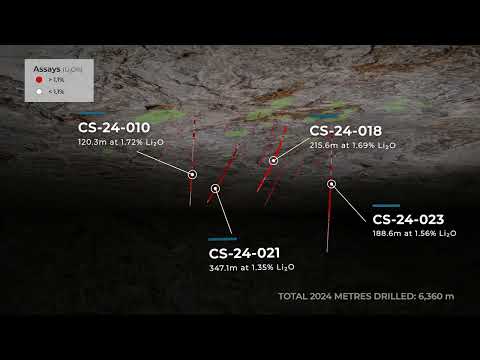
Ein weiteres Vorkommen, das Cisco-Lithiumprojekt von Q2 Metals Corp, nutzte weltraumgestützte Erkundung zur Bewertung seiner Mineralressourcen und identifizierte in Kanada ein großes Lithiumvorkommenmit einem Potenzial von mehr als 300 Millionen Tonnen lithiumhaltigem Gestein.
KI-gestützte Weltraum- und seismische Analysen haben beim Cisco-Projekt von Q2 Metals in Quebec eine möglicherweise riesige lithiumhaltige Formation identifiziert. Obwohl sich das Projekt noch in der Explorationsphase befindet, unterstreicht die Entdeckung Kanadas wachsende Rolle bei der Sicherung der nordamerikanischen Lithiumversorgung mithilfe fortschrittlicher, weniger belastender Explorationstechnologien.
Cisco-Lithiumprojekt in Quebec
Projektübersicht und Standort
Cisco wird von Q2 Metals Corp entwickelt, das in Kanada und an den US-OTC-Märkten notiert ist (QTWO.V / QUEXF), und liegt in der Region Eeyou Istchee James Bay in Quebec.

Quelle: Q2 Metals Corp
Das 41.253 Hektar (159 Quadratmeilen) große Mineralclaim wird von einer Fernstraße durchquert und liegt nahe an Bahnverbindungen.

Quelle: Q2 Metals Corp
Dies ermöglicht die Anbindung an Bécancour, das auf halber Strecke zwischen Montreal und Quebec City liegt und zu einem bedeutenden Lithiumzentrum Nordamerikas werden soll.
Matagami ist der Endpunkt der CN-Bahnlinie, die mit den Häfen von Montreal und Quebec City sowie mit Bécancour verbunden ist.
Bécancour wird zu einem Batteriezentrum ausgebaut und hat große Investitionen der Bundes- und Provinzregierungen sowie von Ford, General Motors (GM ), POSCO (PKX ), EcoPro und weiteren Unternehmen angezogen.
In der Region werden bereits Mineralien abgebaut, und im sogenannten „Greenstone Belt“ befinden sich Projekte von Bergbauunternehmen wie Rio Tinto (RIO ) und Patriot Battery Metals (PMETF) in Entwicklung.
KI-gestützte Weltraum- und seismische Erkundungstechnologie
In Zusammenarbeit mit Fleet Space wurde ein Schwarm kleiner Satelliten mit Bodensensoren gekoppelt, die Schwingungen im Grundgestein erfassen und die Messwerte direkt in die Umlaufbahn übertragen.
Die Mineralexploration steht unter enormem Druck, die Zeit bis zur Zielbestimmung zu verkürzen, Bohrprogramme zu entschärfen und Explorationsbudgets in einem kapitalbeschränkten Umfeld zu optimieren.
ExoSphere von Fleet bringt uns schneller, präziser und mit geringerer Unsicherheit von einem Prospektionsgebiet zu bohrbereiten Zielen.
Mithilfe der Tomografie des seismischen Umgebungsrauschens können diese Sensoren den Untergrund analysieren und seine Struktur ohne Sprengstoffe abbilden. Das Unternehmen kombinierte diese Daten anschließend mit Gravitations-, Magnet- und geologischen Daten und nutzte KI, um die unterschiedlichen Informationen auszuwerten und ein klares Bild der unterirdischen Ressourcen zu erstellen.

Quelle: Fleet Space
Auf diese Weise suchen die Algorithmen nach Gesteinseigenschaften, die den Signaturen bekannter Lithiumvorkommen entsprechen.
Die Software priorisiert anschließend die Ziele, kennzeichnet strukturelle Trends, die Pegmatite beherbergen könnten, und bereitet die Ergebnisse als Karten und Querschnitte auf, die Geologen untersuchen können.
Danach wählen die Teams die zu bohrenden Anomalien aus – in dem Wissen, dass ExoSphere seine Modelle innerhalb von 48 Stunden aktualisieren kann, sobald Bohrlochdaten eintreffen.
Insgesamt könnte das Cisco-Vorkommen bis zu 300 Millionen Tonnen lithiumhaltiges Gestein mit einem Gehalt von einem Prozent Lithiumoxid enthalten. Das entspricht drei Millionen Tonnen reinem Lithium oder rund 6 % des gesamten Lithiumdreiecks in diesem einen Vorkommen.
Die von der KI erzeugten Daten deuten außerdem darauf hin, dass die gesamte Region über ein großes Potenzial für den Lithiumabbau verfügen könnte, das über die Grenzen des Cisco-Projekts hinausreicht.
„Da weltweit führende Bergbauunternehmen die Echtzeitinformationen von ExoSphere über den Untergrund nutzen, um ihre Bohrziele zu präzisieren, ermöglichen wir schnellere, intelligentere und nachhaltigere Ergebnisse über den gesamten Explorations- und Ressourcenentwicklungszyklus hinweg.
Wir sind stolz darauf, Q2 bei der Weiterentwicklung eines Projekts zu unterstützen, das die Widerstandsfähigkeit der Lithiumlieferkette in Nord- und Südamerika erheblich stärken kann.“
Flavia Tata Nardini – CEO und Mitgründerin von Fleet Space
Wischen zum Scrollen →
| Explorationsmethode | Traditionelle Mineralerkundung | KI- und weltraumbasierte Erkundung |
|---|---|---|
| Datenquellen | Oberflächenkartierung, Probenahme, begrenzte Geophysik | Seismische Sensoren, Satelliten, Gravitation, magnetische & geologische Daten |
| Zeit bis zur Bohrzielsetzung | Monate bis Jahre | Wochen bis Monate |
| Kapital‑Effizienz | Hohes Risiko von trockenen oder suboptimalen Bohrungen | Reduziertes Bohrrisiko durch rangierte KI‑Ziele |
| Umweltauswirkungen | Umfangreiche physische Untersuchungen und Probebohrungen | Geringere Oberflächenstörung vor dem Bohren |
| Modellaktualisierung | Statische Interpretationen | Kontinuierliche KI‑Updates, sobald neue Daten eintreffen |
Warum Quebec ein strategischer Standort für kohlenstoffarme Lithiumgewinnung ist
Ein weiterer Vorteil ist, dass Quebec relativ wasserreich ist. Dadurch belastet der Bergbau die von den Einwohnern der Region genutzten lokalen Ressourcen weniger stark.
Dieser Wasserreichtum führt auch zu reichlich vorhandener Wasserkraft. Dieser kohlenstoffarme und preisgünstige Strom wird bereits von Unternehmen wie Rio Tinto für die Verarbeitung von Bauxiterz zu Aluminium zu geringeren Kosten und mit geringeren CO₂‑Emissionen genutzt.
Da Lithium überwiegend als „grüner Rohstoff“ für Batterien und Dekarbonisierung abgebaut wird, kann ein niedriger CO₂‑Ausstoß das Lithium‑Mining in der Region ökologischer machen und in vielen Märkten einen Aufpreis rechtfertigen.
Günstiger Strom könnte auch für das eigentliche Mining wichtig sein, nicht nur für die Aufbereitung des Erzes, sondern auch für die Elektrifizierung von Bergbaumaschinen (Bagger, LKW usw.) schnell voranzutreiben.
Eine mögliche Verzögerung ergibt sich jedoch daraus, dass das Projekt im traditionellen Gebiet von Eeyou Istchee liegt, wo die Cree-Gemeinschaften auf eine lange Geschichte der Landnutzung zurückblicken und bei Bergbauentscheidungen ein berechtigtes Mitspracherecht haben.
Quebecs Genehmigungsvorschriften verlangen Umweltprüfungen und Konsultationen mit indigenen Regierungen, bevor Projekte vorankommen. Das kostet Zeit, stärkt aber die Legitimität, wenn die Konsultationen funktionieren.
Üblicherweise finden Bergbauunternehmen im Rahmen von Vereinbarungen Wege, die lokale Gemeinschaft zu unterstützen. Zudem ist der Lithiumabbau im Allgemeinen weniger umweltschädlich als die Gewinnung anderer Mineralien.
Das Cisco-Lithiumprojekt verdeutlicht zwei zusammenlaufende Anlagethemen: die strategische Bedeutung heimischer Lithiumlieferketten und die wachsende Rolle der KI in der Mineralexploration. Obwohl die Ressourcenschätzungen noch vorläufig sind, machen Quebecs Infrastruktur, Wasserkraft und staatliche Unterstützung Projekte wie Cisco zu möglichen langfristigen Stützen einer widerstandsfähigen EV- und Batterieversorgung in Nordamerika.
Kanadas Rolle in der zukünftigen globalen Lithiumversorgungskette
Kanada entwickelt sich zu einem bedeutenden Lithiumproduzenten auf Augenhöhe mit den großen Erzeugerländern der Welt und ermöglicht es nordamerikanischen Batterie- und Elektrofahrzeugherstellern, näher an ihre Lieferketten zu rücken.
Dies gilt besonders, da die Region reichlich Wasserkraft und effiziente Transportmöglichkeiten bieten kann und die lokalen sowie bundesstaatlichen Regierungen die Lithium‑Industrie als Priorität in ihrer Wirtschaftsentwicklung identifiziert haben.
Diese Nachricht veranschaulicht zudem die zunehmende Nutzung von Weltraumtechnologie und KI, um die Mineralerkundung zu verbessern, zu beschleunigen und deren Auswirkungen zu reduzieren.



