
Espaço
Lockheed Martin (LMT) Em Destaque: Um Líder em Defesa e Aeroespacial

 Adicione Securities.io às suas fontes preferidas no Google

Poder Aéreo no Centro do Poder Militar
Inovação e tecnologia militar estão profundamente ligadas há décadas, sobretudo desde a industrialização da guerra e o aumento da importância de armamentos avançados. Por isso, algumas das empresas mais inovadoras do mundo também estão entre as maiores fornecedoras de defesa.
Nos Estados Unidos, empresas privadas são as principais fornecedoras de tecnologia ao Departamento de Defesa (DoD). Outros países adotam combinações diferentes de empresas privadas e estatais; não existe um único modelo entre os aliados da OTAN.
A corrida espacial da Guerra Fria impulsionou fortemente a tecnologia e a exploração espacial. Os programas dos Estados Unidos e da União Soviética também aproveitaram conhecimentos da tecnologia alemã de foguetes da Segunda Guerra Mundial, entre muitas outras contribuições científicas e industriais.
E no cerne de algumas das tecnologias mais avançadas que encontram aplicações tanto militares quanto civis, está uma empresa que tem empurrado os limites da engenharia: a Lockheed Martin (LMT ).
LMT Gráfico de preços
História da Lockheed Martin
Lockheed Martin é o resultado da fusão de 1995 entre as empresas de defesa Lockheed Corporation e Martin Marietta. Essas corporações, por sua vez, foram fruto de fusões e aquisições anteriores, em uma tendência que consolidou a indústria de defesa dos EUA em um pequeno número de grandes conglomerados como Boeing (BA ), Raytheon (RTX ), General Dynamics (GD ), e Northrop Grumman (NOC ).

Fonte: Prdctnomics
A história da Lockheed inclui importantes contribuições ao esforço de guerra na Segunda Guerra Mundial, como o P-38 Lightning, que voou pela primeira vez em 1939. A divisão Skunk Works foi criada em 1943 para desenvolver o XP-80. Posteriormente, participou de programas como o SR-71 Blackbird, o F-117 Nighthawk, o F-22 e o F-35.
Múltiplas Atividades
Aeronaves / Aeronáutica
As aeronaves militares foram o negócio original da Lockheed e continuam sendo seu maior segmento, a Aeronautics, com cerca de 40% da receita total no período descrito.
O portfólio da empresa inclui os helicópteros Black Hawk, produzidos pela Sikorsky no segmento Rotary and Mission Systems, e o F-16, bem como equipamentos avançados como o F-35 além de aviões de radar voadores ou aeronaves logísticas como o C-5 Galaxy & C-130J Super Hercules.

Fonte: Lockheed Martin
A Lockheed participa do desenvolvimento de aeronaves e de subsistemas como radares, navegação, treinamento, simulação e centros de controle.
A importância do poder aéreo para as forças dos Estados Unidos e de seus aliados tornou esse segmento relevante para a receita da Lockheed.
Mísseis e Controle de Fogo
A demanda por munições aumentou com a guerra na Ucrânia. No terceiro trimestre de 2024, as vendas do segmento Missiles and Fire Control foram de US$ 3,175 bilhões, contra US$ 2,939 bilhões no mesmo trimestre de 2023, crescimento de cerca de 8%. Nos primeiros nove meses, foram US$ 9,270 bilhões, contra US$ 8,082 bilhões, aumento de aproximadamente 15%; não se trata de uma comparação entre os anos completos.
Atualmente representa cerca de 17% das vendas totais.
- GMLRS: sistema de artilharia de precisão de mais de 70km.
- JASSM: míssil de cruzeiro ar-terra de longo alcance
- Javelin: mísseis anti-tanque lançados do ombro.
- ATACMS: artilharia de foguetes com alcance de 300km
- HIMARS: artilharia de mísseis de longo alcance.

Fonte: Lockheed Martin
No geral, este é um segmento que era visto como importante, mas secundário aos sistemas aéreos. O retorno da guerra de trincheiras e dos duelos de artilharia na guerra na Ucrânia mudou essa percepção.
O HIMARS, capaz de lançar munições GMLRS e ATACMS, ganhou importância para compradores como a Polônia, os Estados Unidos e outros aliados da OTAN.
Neste ponto, parece que o principal problema da Lockheed Martin com esses sistemas não é tanto vendê-los, mas conseguir produzir o suficiente a tempo de atender à demanda.
Sistemas Rotativos e de Missão
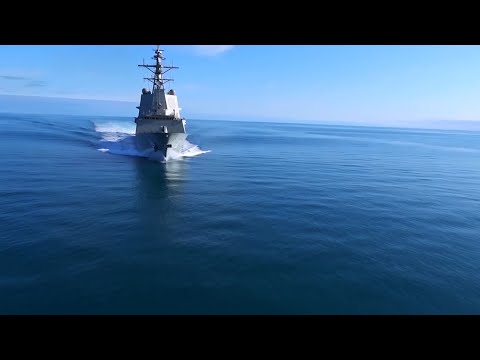
À medida que mísseis, artilharia e drones ampliam as ameaças, cresce a importância das defesas contra eles.
Atualmente representa cerca de 24% das vendas totais.
A Lockheed também fornece sistemas de defesa e sensores às forças dos Estados Unidos e de aliados da OTAN. Seu portfólio inclui:
- AEGIS: A principal defesa anti-mísseis e anti-aérea da Marinha dos EUA, que também existe em uma versão terrestre.
- THAAD: o Terminal High Altitude Area Defense intercepta mísseis balísticos de curto, médio e alcance intermediário na fase terminal. Não é a base da defesa contra mísseis balísticos intercontinentais.
- Long Range Discrimination Radar (LRDR) & Satélites de Aviso e Rastreamento de Mísseis, que contribuem para a detecção, o acompanhamento e a defesa contra mísseis. Esses sistemas têm funções diferentes e não se limitam a fornecer dados ao THAAD.
Este também é um segmento que foi um tanto negligenciado durante os anos da “guerra ao terror”, focado em contra-insurgência. O retorno de adversários de nível equivalente como Rússia e China está agora pressionando a OTAN a fortalecer este setor e aumentar radicalmente seus estoques de munição.
Espaço
O segmento espacial tem forte presença em aplicações militares, como satélites de vigilância e alerta. Também atende a usos civis, incluindo satélites GPS, a espaçonave Orion da NASA e os satélites meteorológicos da série GOES-R. O GPS nasceu como sistema militar e passou a ter amplo uso civil.

Fonte: Lockheed Martin
Atualmente representa cerca de 19% das vendas totais.
Lockheed pode reivindicar alguns números impressionantes para sua divisão espacial:
- 8 planetas visitados por espaçonaves da Lockheed Martin.
- Mais de 1.000.000 de horas de operações de espaçonaves planetárias.
- Mais de 300 cargas úteis de missão construídas para clientes.
À medida que os custos de lançamento diminuem extremamente rápido graças aos foguetes reutilizáveis pioneiros pela SpaceX (SPCX ) , este é um segmento que pode experimentar rápido crescimento na próxima década, incluindo bases permanentes na Lua, mas também o potencial de energia solar espacial, outras infraestruturas espaciais ou até mesmo pousos humanos em Marte.
Finanças da Lockheed Martin
A Lockheed registrou aproximadamente US$ 67,6 bilhões em vendas em 2023 e US$ 17,1 bilhões no terceiro trimestre de 2024. Nesse trimestre, gerou US$ 2,1 bilhões de fluxo de caixa livre. Lucro operacional e fluxo de caixa livre são métricas diferentes e suas margens variam entre os períodos.
Em novembro de 2024, o rendimento indicado dos dividendos era de aproximadamente 2,4%, dependendo da cotação da ação. A empresa também recomprava ações; esses valores não representam retornos garantidos.
Grande parte da receita depende de contratos de aquisição e manutenção de longo prazo com as forças armadas dos Estados Unidos, o que historicamente trouxe alguma previsibilidade ao negócio.
Esse perfil pode atrair investidores interessados em dividendos e geração de caixa relativamente estável, embora os resultados estejam sujeitos a riscos.
Investir na Lockheed Martin depende, em parte, da continuidade dos gastos militares dos Estados Unidos e de seus aliados.
O crescimento da dívida pública americana pode aumentar a pressão sobre os orçamentos. Os custos e o desempenho de sistemas produzidos pela Lockheed e por outras grandes empresas de defesa também têm sido criticados.
A Polêmica do F-35
O F-35, principal programa de caças da Lockheed, enfrentou dificuldades técnicas, atrasos e aumentos de custos ao longo do desenvolvimento.
O programa sofreu problemas técnicos e estouros de orçamento e foi descrito por alguns como um “debacle”.
Mais de 20 países haviam escolhido o F-35 até o período descrito (incluindo a Romênia, em 2024). Nem todos são parceiros de desenvolvimento do programa. Algumas críticas dizem respeito à disponibilidade operacional: avaliações publicadas indicavam que apenas cerca de metade da frota estava apta a realizar pelo menos uma missão em determinado momento.
Apesar desses problemas, a Lockheed continuou vendendo aeronaves e recebendo contratos de manutenção. A rentabilidade para a empresa não demonstra, por si só, que os custos para o governo sejam adequados.
Funcionários do Pentágono concederam à Lockheed Martin até US$ 6,6 bilhões em 2021 para apoiar a frota F-35 por dois anos, até 2023. Esses contratos crescerão ainda mais à medida que mais aeronaves forem entregues.
Intervenção de Elon Musk?
Outras grandes fornecedoras também enfrentaram problemas. Em 2024, a Boeing foi alvo de críticas e investigações relacionadas à segurança e à qualidade de produção de aeronaves civis e enfrentou dificuldades com a missão tripulada da cápsula Starliner.
A comparação com os resultados da SpaceX de Elon Musk intensificou o debate sobre o desempenho da Boeing.
Em novembro de 2024, Donald Trump anunciou que Elon Musk e Vivek Ramaswamy ajudariam a formular propostas de eficiência governamental sob o nome DOGE. Tratava-se de uma iniciativa anunciada, não de um departamento federal já estabelecido com poderes definidos.
Musk também criticou publicamente o F-35 e defendeu drones, sugerindo que o programa poderia enfrentar pressão política. Comentários em redes sociais, porém, não equivalem a decisões de aquisição ou cancelamento.

Fonte: Elon Musk
Essas declarações poderiam influenciar as expectativas dos investidores sobre futuros gastos. Uma presidência republicana, por si só, não garante benefícios para todas as ações do setor de defesa.
Futuro dos Sistemas Militares
Uma crítica recorrente à indústria de defesa ocidental é a adoção de requisitos e soluções excessivamente complexos, às vezes descritos como “gold-plated”: recursos adicionais que elevam muito o custo.
Isso contrasta com a prioridade dada, em alguns programas anteriores, à robustez, à simplicidade e à fabricação em grande escala, mesmo com capacidades mais limitadas.
É possível que parte das futuras compras dê maior peso ao custo e à capacidade de produção.
No curto prazo, essa mudança poderia pressionar empresas como a Lockheed, que investiram em sistemas muito sofisticados.
No longo prazo, suas instalações, equipes e experiência de engenharia podem ajudá-la a se adaptar. Essa adaptação, contudo, dependerá dos requisitos e contratos efetivamente adotados.
Inovações da Lockheed Martin
Apesar das dificuldades do F-35, a Lockheed mantém programas de inovação espacial e militar. A competição estratégica pode ampliar a demanda, mas não garante o sucesso técnico ou comercial de cada programa.
Armas Hipersônicas
Um elemento da dissuasão nuclear é a possibilidade de retaliação, frequentemente associada ao conceito de destruição mútua assegurada, conhecido pela sigla inglesa MAD.
Armas hipersônicas voam a velocidades de Mach 5 ou superiores. Alguns sistemas podem atingir Mach 10 ou mais, mas isso não se aplica a todos. A velocidade e a manobrabilidade dificultam a interceptação, sem torná-la necessariamente impossível.
Os avanços anunciados por Rússia e China aumentaram a urgência dos programas americanos. Nesse contexto, a Lockheed recebeu um contrato de US$ 756 milhões para desenvolver o Long Range Hypersonic Weapon (LRHW). A empresa também participava de programas como HALO, ARRW e Conventional Prompt Strike (CPS), em diferentes etapas de desenvolvimento.

Fonte: Lockheed Martin
Esses programas exigem materiais resistentes a temperaturas extremas e sistemas avançados de orientação e comunicação. O conhecimento obtido pode ter outras aplicações militares, espaciais e civis, embora seu valor comercial futuro seja incerto.
Ciberdefesa, Comando Integrado e IA
Os dados eletrônicos são essenciais às operações militares: incluem informações sobre alvos, comunicações em tempo real, avaliação de ameaças e coordenação de defesas.
Drones e armas autônomas ampliam ainda mais essa necessidade.
A Lockheed, por exemplo, mantém sua “fábrica de IA” para desenvolver soluções digitais e de inteligência artificial, incluindo redes 5G integradas. Também oferece soluções cibernéticas defensivas e ofensivas. O ciberespaço é tratado como um domínio operacional, ao lado dos ambientes terrestre, marítimo, aéreo e espacial.

Drones e Armas Autônomas
A guerra na Ucrânia demonstrou a crescente importância dos drones e de outros sistemas não tripulados, sobretudo no ar.
Isso pode mudar o papel de aeronaves tripuladas, que podem coordenar drones além de executar suas próprias missões. A cooperação entre sistemas tripulados e não tripulados procura combinar as vantagens de ambos.

Fonte: Lockheed Martin
A capacidade de processamento e integração de sensores do F-35 pode permitir sua participação nesse modelo. Isso não resolve automaticamente seus problemas de custo ou disponibilidade.
A Lockheed demonstrou a operação de uma aeronave controlada por IA com objetivos de missão atribuídos por um piloto próximo.
A Lockheed também testou um voo autônomo do Black Hawk em 2022. Outra iniciativa foi o conceito de helicóptero Raider X, desenvolvido para o programa FARA. Em fevereiro de 2024, o Exército dos Estados Unidos anunciou o encerramento do desenvolvimento do FARA após a fase de protótipos; o Raider X não era um substituto aprovado para o Black Hawk.

Fonte: Lockheed Martin
Armas de Energia Direcionada e Guerra Eletrônica
A proliferação de drones baratos cria desafios para as defesas convencionais. Usar repetidamente mísseis caros contra alvos muito baratos pode gerar custos elevados e esgotar estoques.
Esse problema ganhou destaque em operações de navios americanos próximas ao Iêmen, onde ataques com drones e mísseis exigiram o uso de interceptadores.
O custo de usar mísseis navais caros — que podem chegar a US$ 2,1 milhões por disparo — para destruir drones houthis pouco sofisticados — estimados em alguns milhares de dólares cada — é uma preocupação crescente.
Especialistas também apontam que os destróieres têm limite de quantos mísseis podem disparar antes de precisar retornar a um cais de armas dos EUA para recarregar, e cada navio contém 90 ou mais tubos de mísseis.
A guerra eletrônica pode interromper comunicações ou sinais de navegação, enquanto sistemas de micro-ondas de alta potência podem danificar componentes eletrônicos. Eles precisam de energia, equipamentos e apoio logístico; sua eficácia depende do alvo, e nem todos os drones dependem de um enlace contínuo com o operador.
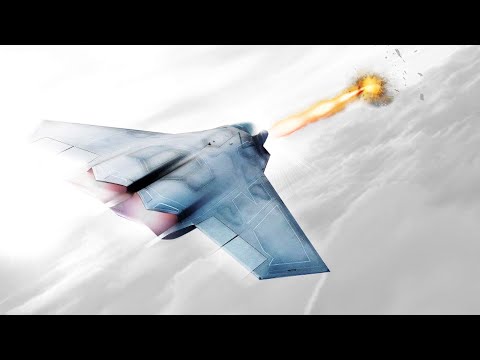
Armas de energia direcionada, sobretudo lasers, também podem ser instaladas em veículos e navios; algumas aplicações aeronáuticas permanecem em desenvolvimento.
Novas Armas
A Lockheed participa do desenvolvimento de novos sistemas para as forças armadas dos Estados Unidos, entre eles:
- Veículos de reentrada para mísseis balísticos intercontinentais: o Mk21A é um veículo de reentrada destinado ao programa Sentinel. Não é o míssil intercontinental inteiro; a Northrop Grumman é a contratada principal do Sentinel.
- Míssil de ataque de precisão de longo alcance (PrSM) com alcance de 60 a mais de 499 quilômetros.
- Interceptador de Nova Geração (NGI), para interceptar mísseis balísticos de longo alcance.
Conclusão
A Lockheed Martin é uma importante fornecedora do poder aéreo americano e de aliados da OTAN. Apesar das dificuldades do F-35, atua em defesa antimísseis e antidrones, guerra cibernética, comando digital, aeronaves não tripuladas, sistemas espaciais e armas hipersônicas.
Mudanças nas prioridades de gastos podem afetar contratos específicos. A posição da empresa como grande fornecedora não elimina riscos políticos, operacionais ou financeiros.
A manutenção dos orçamentos militares pode sustentar a demanda, mas não limita automaticamente as perdas de um investimento. Conflitos podem aumentar certas encomendas e, ao mesmo tempo, elevar custos, incertezas e riscos de execução.
A experiência da Lockheed com satélites e sondas também pode criar oportunidades em novos projetos espaciais. Habitats, mineração lunar ou de asteroides e turismo espacial são possibilidades de longo prazo, ainda sujeitas a grandes obstáculos técnicos e comerciais.



