
우주
다음 세대 대형 운반 로켓: 다행성 경제를 가능하게 하다

 Securities.io를 Google의 선호 소스에 추가

더 크고 재사용 가능한 대형 운반 로켓
스푸트니크와 유리 가가린의 최초 궤도 임무 이후 우주 탐사는 탑재물을 궤도에 올릴 수 있는 로켓의 수용 능력에 제약을 받아 왔습니다.
첫 번째 로켓은 매우 제한된 용량을 가지고 있었으며, 최초 위성 스푸트니크는 직경 58 cm(23 인치)의 광택 알루미늄 구체에 불과했습니다. 최초 유인 비행을 담당한 보스토크‑1 로켓은 LEO에 4.7톤만을 실을 수 있었습니다.
이에 비해 달에 우주비행사를 보낸 사턴‑5는 LEO에 최대 140톤(310,000 lb)을 실을 수 있었으며, 오늘날까지도 이 기록은 깨지지 않고 있습니다.

출처: NASA
하지만 이 모든 로켓은 “소모형” 일회용 장치였습니다. 미국과 소련 사이의 명예 중심, 국가 지원 우주 경쟁에서는 달에 도달하는 것만으로도 충분했습니다.
이는 매 비행마다 전체 보잉 777을 버리는 것과 같습니다. 그렇게 하면 항공 여행은 엄청나게 비쌀 것이며 경제적 관점에서 전혀 의미가 없을 것입니다.
이 때문에 SpaceX (SPCX )가 개발한 재사용 로켓은 모든 것을 바꾸었습니다. 초기에는 탑재량이 작았지만 Falcon 1, 이어 Falcon 9과 Falcon Heavy의 재사용성 덕분에 지구 궤도에 도달하는 비용이 급격히 낮아졌습니다.
오늘날 새로운 세대의 대형 운반 로켓이 개발 중이며, SpaceX의 경쟁자들이 그 뒤를 바짝 따르고 있습니다. 재사용이 이제 필수가 된 상황에서, 2028년 이후 SLS 프로그램이 포기될 가능성이 높아짐에 따라, 이러한 로켓은 그 어느 때보다 많은 우주 인프라를 구축할 수 있게 해줄 것입니다.
장기적으로 역사는 이 시점을 인류가 다행성 종으로 전환한 분기점으로 평가할 가능성이 큽니다. 이 발사체들은 우주 인프라, 달 기지, 화성 식민지, 궤도 태양광 발전의 무한한 에너지 공급을 구축하고, 이를 합쳐 완전히 새로운 우주 기반 경제를 형성할 수 있게 합니다(각 주제의 심층 기사 링크를 확인하세요).
왜 크기가 중요한가
재사용 로켓, 특히 더 큰 재사용 로켓의 가장 분명한 효과는 지구 궤도와 심우주에 도달하는 비용을 줄인다는 것입니다.

출처: ARK Research
예상 용량이 100톤 이상인 SpaceX의 스타쉽은 궤도에 올릴 수 있는 것의 한계를 완전히 바꾸고 있습니다. 참고로 전체 ISS는 420톤(925,000 파운드)이며 조립을 위해 40여 차례의 궤도 발사가 필요했습니다. 스타쉽은 3~4차 발사만으로도 비슷한 작업을 수행할 수 있으며, 전체 비용의 1/100에 이를 것으로 예상됩니다.
스크롤하려면 스와이프 →
| 로켓 | 회사 / 국가 | 예상 LEO 탑재량 (t) | 재사용성 | 상태 (2025) | 비고 |
|---|---|---|---|---|---|
| Starship | SpaceX / 미국 | 100–150(설계치) | 완전 재사용 부스터 + 선체 | 비행 검증 프로토타입 | 궤도 연료 보급 및 심우주 임무 개발 중. |
| New Glenn | Blue Origin / 미국 | ≈45 | 재사용 1단계 | 2025년 첫 비행 | 승무원, 화물 및 행성 임무용으로 설계. |
| Falcon Heavy | SpaceX / 미국 | 63.8 | 재사용 측면 부스터 | 운용 중 | 현재 가장 강력한 운용 중인 대형 운반 로켓. |
| Neutron | Rocket Lab / 미국–뉴질랜드 | ≈13 | 재사용 1단계 | 개발 중 | LEO, 위성군 및 잠재적 지점 간 화물 운송 목표. |
| Terran R | Relativity Space / 미국 | 23.5–33.5(설계치) | 재사용 1단계 (계획) | 2026년 첫 발사 목표 | LEO 위성군 시장을 겨냥한 2단 재사용 로켓 |
| Long March 10 | CALT / 중국 | ≈70 | 부분 재사용 변형 (10A) | 개발 중 | 2030년 이전에 유인 달 임무 목표. |
규모의 경제와 비용 절감을 넘어, 대형 발사 로켓은 우주에서 할 수 있는 일을 근본적으로 바꿉니다. 발사 비용이 낮아지면서 이제 궤도 내 연료 보급도 가능해졌습니다.
이는 수백 톤의 물자를 달이나 화성 같은 심우주에 처음 비행 한 번만으로도 운반할 수 있게 되며, 몇 차례의 연료 보급 비행만 추가하면 됩니다. 또한 연료 보급된 로켓은 착륙을 위해 연료를 남겨두지 않아도 되므로 LEO에 더 무거운 화물을 실을 수 있습니다.
이것은 우주에 가져올 수 있는 장비 유형도 바꿉니다. 지금까지 모든 위성, 우주정거장 부품, 우주망원경, 행성 탐사선은 무게를 최우선 제약 조건으로 설계돼 내구성, 비용, 유지보수 용이성 및 견고성을 희생해 왔습니다.
또 다른 제약이 사라진 것은 공간입니다. 스타쉽과 같은 발사체는 탑재물에 대한 거대한 부피를 제공해, 배포 후 복잡한 전개 설계가 필요하지 않게 됩니다.

아마도 더 무거운 발사체는 우주 장비를 근본적으로 재설계하게 만들 것이며, 건설 비용은 감소하고 내구성, 수리 가능성 및 업그레이드 가능성이 새로운 초점이 될 것입니다.
또 다른 가능성은 수명이 끝나 가는 재사용 로켓을 마지막으로 한 번 더 발사해 궤도에 남겨 두고, 비어 있는 탱크를 거대하고 넓은 우주정거장으로 개조하는 것입니다.
대형 로켓 선두주자: SpaceX
뛰어난 실적과 새로운 우주 경쟁에서의 선발 우위 덕분에 SpaceX는 차세대 대형 발사체에 가장 큰 기대를 받는 기업입니다.
다음 단계는 초대형 로켓 Starship으로, 원래 LEO 탑재량 200톤을 목표로 했습니다.

출처: SpaceX
최근 추정치는 약 100톤에 가깝습니다. 여러 로켓 노즐의 고장 저항성을 높이는 등 설계가 변경됐기 때문입니다.
이 로켓은 SpaceX의 기존 로켓뿐 아니라 우주 산업 전반의 전통적 설계에서 벗어난 몇 가지 특징을 갖습니다.
- 고성능 합금 대신 강철로 만든 본체.
- 지금까지 거의 사용되지 않았던 메탄 연료 Raptor 엔진.
- 3D 프린팅 부품.
Starship의 초기 시험은 순탄치 않았습니다. 많은 시제품이 발사 중 폭발하거나 안전하게 착륙하지 못했습니다.

이후 시험은 훨씬 나아졌고, 특히 2025년 10월에 진행된 11차 시험은 완전한 성공을 거두었습니다. 이제 SpaceX는 추가 개선이 가능한 신뢰성 높은 Starship 모델을 확보했습니다.
SpaceX는 먼저 개념증명 모델을 만든 뒤 성능이 크게 향상될 때까지 반복 개선해 온 이력이 있어, 이번 개선 단계는 매우 중요할 가능성이 큽니다.
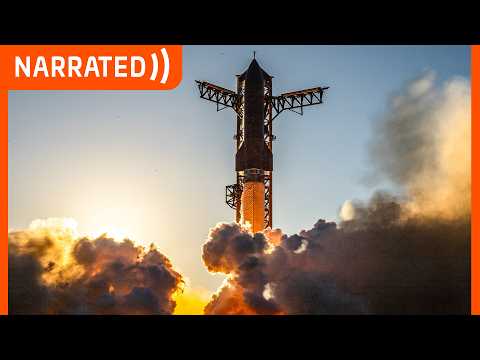
예를 들어 Falcon 9의 LEO 탑재량은 v1.0의 10.1톤에서 최신 ”FT” 버전의 22.8톤으로 늘었습니다. 사용되는 엔진도 훨씬 더 큰 추력을 내면서 오히려 점점 단순해졌습니다.
이전 모델보다 5피트(1.5m) 더 긴 Starship V3는 2026년 초 첫 시험에 나설 예정입니다. 또한 기존 Starship을 구동한 엔진보다 강력한 Raptor 3를 사용합니다.

출처: Elon Musk
발사대도 업그레이드될 예정입니다.
“무엇보다 새로운 궤도 발사 마운트와 새로운 화염 배출로 시스템을 설치하고, 향후 포획을 위해 ‘젓가락’ 장치를 개선하고 있습니다.”
SpaceX 수석 추진 엔지니어 제이크 버코위츠
이 단계에서는 궤도 내 연료 보급도 시험합니다. 이를 통해 Starship이 LEO뿐 아니라 더 먼 궤도에서도 운용되고 달과 화성 임무를 수행할 수 있음을 입증할 것입니다.
그 이후에는 더 크고 강력한 V4가 2027년 또는 2028년에 등장할 것으로 예상됩니다.

출처: Elon Musk
언젠가는 미래의 로켓이 Starship을 대체할 가능성이 있지만, 아직 공식적으로 논의된 후속 모델은 없습니다. 먼저 화성 여행 전용 파생형이 개발될 가능성이 가장 큽니다.

SpaceX는 상장 기업이 아니지만 이 기사에서 회사 주식을 구매하는 방법을 확인할 수 있습니다(링크를 확인하세요).
Blue Origin의 New Glenn 대형 운반 로켓
이번에는 제프 베이조스가 자금을 댄 또 다른 기업 Blue Origin입니다. 이 회사는 빠르지만 오류가 잦은 SpaceX 방식보다 느리고 꾸준한 접근을 택해 대형 로켓 개발 속도가 더뎠습니다.
회사의 미래 상당 부분은 새로운 대형 발사체인 부분 재사용 New Glenn 로켓에 달려 있습니다.

출처: Ars Technica
2025년 11월 13일, 화성을 연구하는 NASA의 ESCAPADE(탈출 및 플라스마 가속·동역학 탐사선) 임무 발사에서 회사는 로켓 1단 회수에 성공했습니다.
현재 New Glenn의 LEO 탑재량은 45톤으로 Falcon Heavy와 비슷하지만, 완전 재사용 로켓은 아닙니다.
Blue Origin은 대형 발사체의 다음 단계를 설명하는 성명을 발표했습니다. 여기에는 구조 강화와 추진계, 항공전자, 재사용성 및 회수 체계의 개선이 포함됩니다.
회사는 이 발사체의 ”초대형” 버전도 개발할 계획이며, New Glenn을 SpaceX Starship의 실질적인 경쟁자로 만들려는 것으로 보입니다.
Blue Origin의 다음 단계는 유인 착륙선 MK2의 선행 모델인 달 착륙선 Blue Moon MK1을 시험하는 것입니다.
MK1 임무는 착륙 장비와 시스템을 검증하고 NASA의 SCALPSS(달 플룸 표면 연구용 스테레오 카메라) 탑재물을 운반할 예정.

출처: Jeff Bezos
Blue Origin은 완전 재사용을 목표로 하며, 이를 달성하면 SpaceX를 따라잡고 다른 경쟁사보다 앞설 수 있습니다. 수년간 거론된 ”프로젝트 자비스”가 이 목표를 달성하기 위한 계획입니다.
다만 제프 베이조스는 완전 재사용이 반드시 필요한 단계인지 확신하지 못하는 듯하며, 재사용 2단과 일회용 2단을 개발하는 팀 사이에 경쟁을 붙인 것으로 알려졌습니다.
“이를 서류상으로 비교하면 답이 명확하지 않습니다. 일회용 단계의 목표는 재사용이 결코 경제적이지 않을 만큼 제조비를 낮추는 것입니다.
재사용 단계의 목표는 일회용이 결코 경제적이지 않을 만큼 운용성을 높이는 것입니다.”
출처: PayloadSpace
Rocket Lab의 Neutron: 중형 대형 운반 도전자
RKLB 가격 차트
재사용 발사 시장에서 SpaceX의 왕좌에 가장 진지하게 도전하는 기업 중 하나는 Rocket Lab입니다.
Rocket Lab이 개발 중인 최신 로켓은 Neutron입니다.
Neutron의 저지구궤도(LEO) 탑재량은 13톤으로, 회사의 현재 로켓 Electron보다 43배 더 많은 질량을 운반합니다. 화성이나 금성에도 최대 1.5톤을 보낼 수 있어 가까운 행성에 탐사차와 실험 장비를 보내는 NASA 임무의 유력한 선택지가 됩니다. 여기에는 수익성이 매우 높을 수 있는 화성 샘플 반환 임무도 포함됩니다.
Neutron은 미 공군의 로켓 화물 임무와 지점 간 화물 운송에도 사용될 수 있습니다.
“미 공군과의 이번 기회는 우주 물류를 발전시키는 데 도움이 될 뿐 아니라, 국방부가 Neutron의 역량에 높은 신뢰를 갖고 있음을 보여 줍니다. 올해 첫 비행에 대한 기대가 크며, 국방부의 지점 간 물류 연구개발 플랫폼으로 Neutron을 선보이게 되어 기쁩니다.”
Neutron은 Starship을 따라 액체산소와 메탄 추진제를 사용합니다. 구조체는 경량 탄소복합재로 제작됩니다.
(회사의 전용 투자 보고서에서 Rocket Lab에 대해 자세히 읽을 수 있습니다.)
Relativity Space와 3D‑프린트 Terran R
SpaceX는 재사용 로켓을 발명했지만, 주로 우주 산업에서 검증된 전통적 제조 방식을 더 효율적으로 활용해 생산했습니다.
Relativity Space는 더 야심 찹니다. 설립 초기부터 LEO 탑재량 1.25톤인 Terran 1과 차세대 재사용 Terran R을 구동할 Aeon R 엔진에 3D 프린팅 기술을 사용했습니다.
Terran R은 저지구궤도(LEO)에 23.5톤, 가장 큰 버전에서는 최대 33.5톤을 운반할 것으로 예상됩니다.

출처: Relativity Space
Starship보다 훨씬 작지만 현재 운용 중인 SpaceX의 Falcon Heavy와 그 50톤 LEO 탑재량에 어느 정도 견줄 수 있습니다.
Terran R의 첫 발사는 2026년 말로 예정돼 있으며, 케이프커내버럴 우주군 기지의 발사단지 16(LC-16)에서 진행됩니다.
회사는 Terran R 전반에 수직 통합된 검증 스마트 제조 방식을 적용해 비용, 확장성, 속도를 최적화하고 고빈도 발사를 가능하게 합니다. 이 방식 덕분에 엄격한 하드웨어 시험이 필요한 부품을 빠르게 반복 개선했고, 주요 구조물과 시스템의 비행용 생산도 상당히 진척시켰습니다.
Relativity는 특히 NASA가 개발한 구리·크로뮴·나이오븀 합금인 Glenn Research Copper(GRCop)를 사용합니다.
GRCop은 높은 강도, 높은 열전도율, 고온에서 더 큰 응력과 변형을 견디는 높은 크리프 저항성, 그리고 화씨 900도 이상에서 재료 파손을 막는 우수한 저주기 피로 특성에 최적화됐습니다.
Relativity에 3D 프린팅은 중요하지만, 로켓 동체 패널 같은 대형 부품은 여전히 전통적 방식으로 제조합니다.
이 하이브리드 방식은 빠른 개발과 확장성을 최적화해 고객을 위한 Terran R을 신속히 시장에 내놓을 수 있게 합니다.
현재 Relativity Space는 여전히 비상장사이며 벤처캐피털의 지원을 받고 있습니다.
가장 주목받는 로켓 기업 중 하나인 만큼 몇 년 안에 IPO를 할 것으로 예상됩니다. 회사의 기술적 접근이 성공했음을 입증할 Terran R의 여러 차례 성공적인 발사 이후가 가장 유력합니다.
중국 로켓
Long March 10
지금까지 재사용 발사체 시장은 미국 기업이 지배해 왔습니다. 그러나 중국의 공공·민간 프로그램이 빠르게 따라잡고 있습니다.
가장 주목할 만한 것은 중국 정부가 개발하는 부분 재사용 로켓이자 창정 로켓 계열의 최신형인 Long March 10입니다.
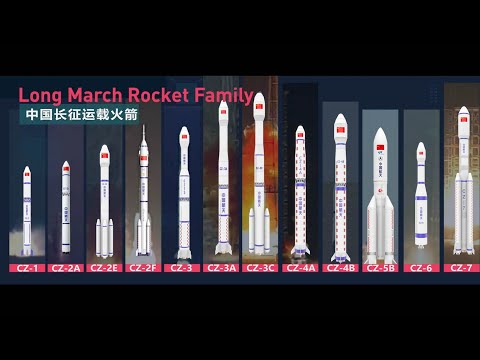
완전체 Long March 10은 1단 세 개를 묶어 사용합니다. LEO 탑재량 70톤을 목표로 하며, 톈궁 우주정거장의 추가 건설과 보급에서 큰 역할을 맡게 됩니다.
2026년에 첫 발사를 하고 2030년 달 임무를 준비할 예정입니다.
NASA의 Artemis 프로그램이 지연되고 Starship도 아직 달 착륙 준비를 마치지 못한 상황에서, 이는 새로운 우주 경쟁의 달 귀환에서 중국에 우위를 줄 수 있습니다.
병행 개발 중인 Long March 12A는 완전 재사용을 목표로 하며, 2025년에 2단 엔진의 연소 시험을 성공적으로 수행했습니다.
중국 민간 재사용 로켓 기업
많은 중국 민간 기업이 자국의 엔지니어링 역량으로 소형 재사용 로켓을 먼저 만들고 대형 로켓으로 확장한 SpaceX의 전략을 재현하려 하고 있습니다. 여기에는 다음 기업이 포함됩니다.
- Space Epoch (Yuanxingzhe-1 )
- LandSpace (Zhuque−3)
- iSpace (Hyperbola−3)
- Orienspace (Gravity−2)
- Space Pioneer (Tianlong−3)
- Galactic Energy (Pallas−1)
- CAS Space (Lijian-2 로켓)
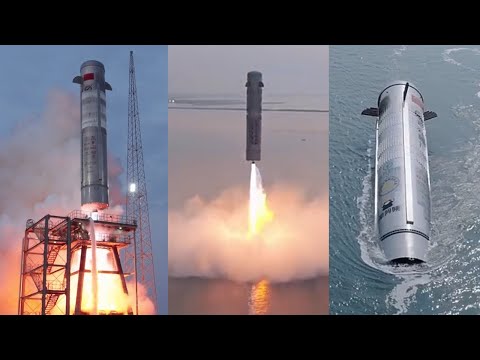
이 가운데 가장 최근의 성과는 2025년 5월 Space Epoch가 중국 로켓 기업으로서는 최초로 해상 수직이륙·수직착륙에 성공한 것으로 알려진 시험입니다.
중국 경쟁 구도
전반적으로 미국 로켓을 추격하는 중국 신생 기업이 대거 등장하면서 재사용 로켓 경쟁이 뜨거워지고 있습니다.
현재 대부분은 두 단계 정도 뒤처져 있어 이제 막 Rocket Lab과 Relativity Space를 따라잡기 시작했고, SpaceX와 Blue Origin에는 여전히 뒤져 있습니다.
그러나 지난 20년이 투자자에게 가르쳐 준 것이 있다면, 중국이 새로운 기술 분야에 진입하면 거의 언제나 곧 치열한 경쟁이 시작된다는 점입니다.
배터리와 태양광 패널이 그랬고, 이제 반도체와 우주 로켓에서도 같은 일이 벌어지고 있습니다. 예를 들어 2025년 중국의 누적 발사 횟수는 SpaceX의 절반에 조금 못 미쳤습니다.
여기에는 Starlink와 경쟁하도록 제안된 13,000기 규모의 저지구궤도 위성군 Guowang도 포함됩니다.
따라서 서방 우주 기업의 투자자들은 이 경쟁사들을 주시해야 합니다.
기타 떠오르는 재사용 로켓 프로그램
러시아의 Korona 및 Amur-SPG 재사용 로켓 계획
첫 번째 우주 경쟁의 이전 경쟁자였던 러시아는 최근 수십 년간 우주 기술, 특히 궤도 발사 로켓 분야에서 뒤처졌습니다. 그래도 이제 격차를 좁히려 하고 있습니다.
Korona 재사용 로켓의 개발 작업은 2026년에 시작될 예정입니다.
“이 발사체는 탑재물을 궤도에 올리는 비용이 극히 낮고 최대 100회까지 사용할 수 있습니다.
보스토치니 우주기지에서 발사하는 탑재물의 질량은 5.5톤입니다.”
이와 함께 메탄을 사용하는 재사용 로켓으로 LEO 탑재량이 10.5톤인 Soyuz-7, 즉 Amur-SPG는 2030년까지 발사할 예정입니다.
이 로켓은 구조적 완전성을 유지하면서 무게와 비용을 줄이기 위해 복합재, 3D 프린팅, 생체모방 설계를 통합할 것으로 예상됩니다.
“Roscosmos는 Amur-SPG의 발사당 비용을 약 2,200만 달러로 낮추려 합니다. SpaceX의 재사용 Falcon 9 발사비 5,000만 달러보다 크게 저렴한 수준입니다.”
일본의 재사용 로켓 실험(Honda 및 JAXA)
일본 기업 Honda는 2025년 6월 실험용 재사용 로켓의 발사 및 착륙 시험에 성공했습니다.
이 로켓은 길이 6.3m, 지름 85cm, 건조 중량 900kg·연료 주입 중량 1,312kg으로 비교적 작지만 Honda가 전적으로 독자 개발했습니다.
이는 일본 우주항공연구개발기구(JAXA)와 Toyota가 공동 개발하는 가압 유인 달 탐사차와 함께 Honda 우주 사업의 한 축입니다.
인도의 민간 재사용 발사 노력(Agnikul 및 ISRO)
인도우주연구기구(ISRO)의 재사용 발사체 기술실증기(RLV-TD)는 인도의 재사용 로켓 프로그램으로, 아직 개발 초기 단계입니다.
Agnikul Cosmos는 2024년 5월 30일 첫 준궤도 시험에 성공한 인도 민간 기업입니다. 단일 부품으로 3D 프린팅한 엔진을 사용한 세계 최초 비행이자, 인도 최초의 반극저온 엔진 발사 및 민간 발사대 발사였습니다.
결론
로켓 산업의 미래가 쓰이고 있습니다. Starship, New Glenn, Neutron, Terran R 같은 대형 발사체는 앞으로 몇 년 안에 재사용 또는 부분 재사용 로켓의 발사당 탑재량을 70~200톤까지 끌어올릴 가능성이 큽니다.
동시에 중국의 국영 및 민간 프로그램도 빠르게 발전해 앞으로 수십 년 동안 우주 산업의 경쟁 구도를 치열하게 유지할 것입니다.
이는 인류가 곧 달로 돌아가 상설 거점을 구축할 가능성을 높일 뿐 아니라, 향후 10년 안에 최초의 유인 화성 착륙을 볼 가능성도 높입니다.
그사이 수만~수십만 기의 통신위성으로 구성된 LEO 위성군을 시작으로, 더 큰 궤도 정거장과 대규모 태양광 발전 배열을 건설할 역량까지 아우르는 궤도 경제가 구축되고 있습니다.
현재 주요 기업 대부분은 상장돼 있지 않지만, SpaceX, Blue Origin, Relativity Space의 기대 높은 IPO가 Rocket Lab에 합류하면 상황은 바뀔 가능성이 큽니다. 이들 상장은 투자자에게 큰 인기를 끌 것으로 보입니다.



