
우주
Rocket Lab (RKLB) 스포트라이트: SpaceX에 대한 새로운 도전자?

 Securities.io를 Google의 선호 소스에 추가

새로운 우주 경쟁
1972년 아폴로 17호가 달에 마지막으로 착륙한 이후, 인간은 근지구 궤도보다 더 멀리 우주에 진출하지 못했습니다. 이는 우주 기술이 장기간 정체기에 들어선 시점으로도 볼 수 있습니다.
미국과 소련의 우주 경쟁이 눈부시게 진전된 뒤, 여러 요인이 이러한 상대적 후퇴를 초래했습니다.
그 중 하나는 바로 그 우주 경쟁의 종말이었습니다. 미국이 달에 착륙하고 그 당시 추가적인 진전이 기술적으로 어려워지면서, 양측의 지정학적 블록은 자금을 삭감하고 우주 야망을 축소했습니다.
또 다른 이유는 1989년 소련 붕괴로, 우주 탐사 경쟁 환경이 더욱 위축되었습니다.
마지막으로, 흔히 언급되지 않는 이유는 NASA와 기타 우주 기관의 관료주의가 증가한 것입니다. 경쟁자의 긴박함이 사라지면서 우주 여행은 매우 일상적이고 야심 없는 사업이 되었습니다. NASA는 위험 회피적으로 변했으며 퇴역한 우주왕복선을 대체하려는 시도를 거의 하지 않았습니다. 보잉과 같은 계약업체는 여전히 로켓 엔진과 발사를 제공했지만 새로운 역량을 추구하거나 큰 위험을 감수하려는 동기가 부족했습니다.
이 상황은 2002년, 비교적 무명인 기술 기업가 일론 머스크가 SpaceX (SPCX ) 를 설립하면서 변했습니다. 20년이 넘는 기간 동안 이 회사는 우주 탐사에 대한 관심을 다시 불러일으키고, 재사용 가능한 로켓이 가능함을 입증했으며, 궤도 도달 비용을 급격히 낮추었습니다.

출처: Ark Invest
이는 우주 분야에 민간 기업과 경쟁이라는 신선한 바람을 불어넣은 효과뿐만 아니라, 투자자들에게 실제로 가능하다는 것과 우주가 ‘기술’ 벤처의 완전히 유효한 새로운 분야임을 보여주었습니다.
그리고 이것은 새로운 우주 경쟁을 촉발했으며, 이번에는 미국과 중국 사이의 경쟁으로, 이제 막 뜨거워지고 있습니다.
SpaceX는 아직 공개 거래되지 않았지만 (여기에서 SpaceX의 사전 IPO 주식을 구매하는 방법을 확인하세요), 또 다른 회사가 머스크의 아이디어를 빠르게 따라잡고 있습니다: Rocket Lab (RKLB ).
RKLB 가격 차트
Rocket Lab 역사
Rocket Lab은 2006년에 설립되었으며, SpaceX보다 4년 늦었습니다. 2009년 11월 뉴질랜드에서 Ātea-1 서브오비탈 로켓을 발사하면서 남반구 최초로 우주에 도달한 민간 기업이 되었습니다. 2013년 이후 회사는 미국 캘리포니아주 헌팅턴 비치로 이전했습니다.
이 회사는 전반적으로 SpaceX보다 더 신중한 접근 방식을 취한 것으로 보이며, 이는 성장과 기술 향상을 위해 정기적인 자금 조달 라운드에 의존했기 때문에 결과를 자주 보여줘야 했기 때문입니다. 따라서 초기에는 소형 비재사용 로켓에 집중했습니다.
그래서 2018년에야 자체 재사용 기술 개발을 시작했으며, 이는 SpaceX가 재사용이 실현 가능한 기술 옵션임을 확실히 입증한 뒤였고, 장기적으로는 상업적으로 유일하게 실현 가능한 옵션이었기 때문입니다.
Rocket Lab은 2021년에 SPAC을 통한 IPO로 상장 기업이 되었습니다.
역사적으로 Rocket Lab은 203개의 위성을 발사했습니다. 또한 위성 부품 제조업체이며, Rocket Lab 기술을 사용한 1,700개 이상의 위성이 궤도에 있습니다.
Rocket Lab 발사체
Electron
Rocket Lab의 주요 자산은 물론 로켓입니다. 회사는 역사적으로 Electron 로켓을 56번 발사했으며, 이는 Electron이 미국 로켓 중 두 번째로 가장 많이 발사된 로켓이며 2024년 전 세계적으로는 3rd (중국의 장성 2호 뒤) 로켓이 되었습니다.

출처: Rocket Lab
Electron의 1단계는 재사용 가능하며, 해상 착륙 후 전용 Rocket Lab 보트가 회수합니다.
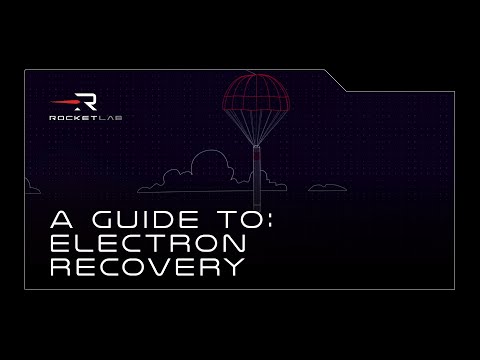
Electron은 페이로드가 300kg(660파운드)로 소형 발사에 강점을 제공했으며, 이는 Falcon 9과 Falcon Heavy 개발 이후 SpaceX가 사실상 포기한 분야입니다. 이는 회사의 가격 책정력에도 반영되어, 2017년 첫 발사 이후 Electron의 평균 판매 가격이 500만 달러에서 840만 달러로 상승했습니다.
이 로켓과 Rocket Lab의 시설은 몇 가지 특징으로 눈에 띄며, 이를 통해 회사는 자체적으로 혁신적이며 단순히 SpaceX의 복제본이 아닙니다:
- 매우 경사도가 높은 궤도와 단계적 배치를 위한 위성 배치 고급 능력. 이는 Electron의 발사 능력을 다른 로켓으로 도달하기 어려운 특수 궤도에 대해 독특하게 만듭니다.
- 뉴질랜드를 포함한 다수의 발사장 확보로 발사 유연성이 높으며, 발사 예약부터 실행까지 업계 최단 기록을 보유하고 있습니다(새로운 Electron은 18일마다 제작 가능).
- 3D 프린팅 로켓 엔진(Rutherford 엔진), 90톤, 30미터 3D 프린터를 사용.
출처: 3D Printing Industry
https://www.youtube.com/watch?v=EAfHf-LZHBM
Neutron
Electron은 Rocket Lab의 최종 제품이 아니라 현재까지 가장 가벼운 로켓이며, 차세대 로켓은 Neutron이라 불리며 아직 개발 중입니다.
저궤도(LEO)로 13,000kg의 페이로드를 운반할 수 있는 Neutron은 Electron보다 43배 더 많은 질량을 들어올립니다. 또한 화성이나 금성에 최대 1,500kg을 보낼 수 있어, 로버와 실험 장비를 인근 행성에 보내는 NASA 임무에 신뢰할 만한 옵션이 됩니다.

출처: Rocket Lab
Electron이 LOX(액체산소)와 케로신을 사용한 반면, Neutron은 LOX와 메탄을 사용할 예정이며, 이는 SpaceX가 Starship에 사용한 연료와 유사하고 최신 세대 로켓이 나아가고 있는 방향으로 보입니다.
회사는 빠르게 진행할 계획이며, 2026년과 2027년에 이미 2회의 Neutron 발사가 예약되었습니다. 이 발사는 공개되지 않은 위성 군집 운영자를 위해 수행될 것이며, 이는 향후 SpaceX Starlink와 경쟁할 가능성이 있습니다. 전반적으로 Neutron은 같은 등급의 어떤 차량보다도 빠르게 시장에 출시될 예정이며, 2024년 8월에 Archimedes 엔진의 첫 핫 파이어 테스트가 완료되었습니다. Archimedes 역시 3D 프린팅 엔진입니다.

출처: Rocket Lab
미국 정부는 Neutron 로켓 개발에 큰 관심을 가지고 있습니다. 특히 엔진 개발을 위해 회사에 800만 달러를 지원했으며, Space Force의 NSSL Lane 1 프로그램(5년간 56억 달러)의 “다음 진입로”이며, 9억 8600만 달러 규모의 IDIQ 계약인 OSP-4 임무에 경쟁할 자격도 있습니다.
Neutron은 현재 건설 중인 런치 컴플렉스 3을 통해 발사될 예정이며, 이는 Long Beach의 생산 설비(기계 및 장비)에도 추가될 것입니다. 해당 설비는 2023년 5월 Virgin Orbit 파산 절차에서 인수되었습니다.

출처: Rocket Lab
HASTE
이 약어는 Hypersonic Accelerator Suborbital Test Electron의 약자입니다. Electron 로켓의 특수 버전으로 고초음속 시스템 테스트에 전념합니다. 이 개조된 로켓은 700kg의 더 큰 페이로드를 서브오비탈 고도까지 운반하도록 수정되었습니다.
고초음속은 군사 기술의 새로운 최전선이며, 러시아와 중국이 미국보다 앞서 있는 분야로 전략적 취약점을 초래할 가능성이 있습니다.
저렴하고 재사용 가능한 발사 능력을 제공함으로써 미국 군이 고초음속 개발 프로그램을 가속화할 수 있습니다. 또한 페이로드의 고도, 부피, 형태를 맞춤형으로 제공하여 실험 설계에 더 큰 유연성을 제공합니다.

출처: Rocket Lab
Responsive Space
이 프로그램의 목표는 “요청 시 빠른 호출 발사와 민첩한 위성 솔루션으로 궤도 진입 경로를 가속화”하는 것입니다.
Rocket Lab은 고객이 발사를 예약하고자 할 때 매우 빠른 회전율을 활용합니다. 기존 위성이 고장 나거나 파괴된 경우, Rocket Lab은 다음을 결합할 수 있습니다:
- 수직 통합 위성 부서를 통한 교체 위성의 빠른 프로토타이핑(아래 참조).
- Electron 로켓을 통한 신속한 발사 제공.
Rocket Lab 로켓을 넘어
로켓이 Rocket Lab의 가장 주목받는 활동이지만, 현재 매출 기준으로는 주로 위성 제작 회사입니다.
10,000평방피트 규모의 위성 클린룸과 40,000평방피트 규모의 생산 및 테스트 시설을 보유해 대규모 위성 제조가 가능합니다.
이는 Rocket Lab을 위성과 발사 서비스를 동시에 원하는 기업에게 “원스톱 샵”으로 만들며, 경영진은 이를 “엔드‑투‑엔드 우주 기업”이라고 부릅니다.
현재 회사는 NASA 및 미국 정부와의 다수 계약을 통해 7억 2천만 달러 규모의 우주선 프로그램을 진행 중이며, a $515M military satellite contract 및 a civilian $143m contract for Globalstar이 포함됩니다.

출처: Rocket Lab
Components
앞서 언급했듯이 Rocket Lab은 전체 위성을 제작·설계할 뿐만 아니라 업계 전반에 핵심 부품을 제공하는 업체이기도 합니다.
이러한 역량의 대부분은 일련의 인수를 통해 확보했으며, 이전에 매우 파편화된 업계에서 통합 추세를 촉진했습니다. 많은 맞춤형 장비 대신 수직 통합 공급망을 구축한 것입니다. 이 전략은 SpaceX가 위성 생산을 위해 로켓을 활용한 방식과 유사하게, 이전에 틈새 제조업체가 생산하던 고가 시스템을 사내로 가져와 통합합니다.
여기에는 스타 트래커, 추진 시스템, 반응 휠, 비행 및 지상 소프트웨어, 라디오, 항공 전자 장비, 복합 구조물 및 탱크, 그리고 분리 시스템이 포함됩니다.
하지만 Rocket Lab이 더욱 뛰어날 수 있는 분야는 태양 전지와 패널입니다.

출처: Rocket Lab
Solar
Rocket Lab은 2022년 SolAero Technologies 인수를 통해 태양광 제조를 진행하고 있으며, 이 패널로 구동되는 위성이 1,000개 이상, 향후 몇 년 내에 Rocket Lab 태양광 하드웨어를 탑재한 위성이 500개 이상 발사 예정이며, 총 4MW 규모의 태양 전지를 생산했습니다.
이 태양 전지는 최대 34%의 최고 효율을 보이며 매우 가볍고 내구성이 뛰어납니다. 자동 조립과 결합되어 비용을 절감하고 생산성을 높입니다.

출처: Rocket Lab
화성 및 금성 임무
앞으로 진행될 유인 화성 임무는 대부분 SpaceX의 초대형 로켓 Starship이 수행할 것이 분명하지만, Rocket Lab도 붉은 행성 분야에서 뒤처지지는 않습니다.
특히, Rocket Lab은 3년 반 만에 NASA를 위해 ESCAPADE 임무용 2대의 우주선을 제작했으며, 이는 2024년 10월 Blue Origin New Glenn 로켓으로 발사될 예정이었으나 로켓이 준비되지 않아 연기되었습니다.
이는 Rocket Lab이 과거 몇 년간 주요 화성 로봇 임무, 예를 들어 Perseverance 로버와 Ingenuity 헬리콥터 등에 거의 모두 기여한 것에 추가됩니다.

출처: Rocket Lab
이 모든 임무는 다가오는 화성 샘플 반환 임무에 비하면 미미합니다. 이 임무는 화성의 광물 샘플을 지구로 가져오는 것을 목표로 하며, 2021년 Curiosity가 수집한 샘플은 그 이후로 남아 있습니다.
이는 NASA의 최우선 프로그램 중 하나였지만, 비용 초과(현재 110억 달러 이상)와 지연(2040년 이전에는 불가)으로 어려움을 겪어, NASA는 대신 민간 기업에 수행을 요청하는 입찰을 발표했습니다.
Rocket Lab은 이 임무를 위한 새로운 개념을 탐구하는 NASA 계약을 수주했으며, 대신 Neutron 로켓을 사용해 2021억 달러 규모의 2회 발사 임무를 2031년까지 수행하겠다고 제안했습니다.
Rocket Lab은 또한 금성에도 관심을 가지고 있으며, Venus Life Finder(VLF)라는 소형 탐사선을 제작 중입니다. Electron 로켓에 탑재된 VLF의 목표 발사일은 2025년 1월입니다.
금성 대기 중 미생물 생명이 존재할 가능성이 있다는 심각한 징후가 있다는 점을 고려하면(“Signs Of Life on Mars and Venus May Rewrite Our View Of The Universe” 참조), 비교적 낮은 비용으로 이를 입증하는 것은 Rocket Lab에게 큰 마케팅 수단이자 역사적 성과가 될 수 있습니다.
Software
2021년 Advanced Solutions, Inc (ASI)를 인수함으로써 Rocket Lab은 비행 소프트웨어, 임무 시뮬레이션, 그리고 유도·항법·제어(GNC) 분야의 업계 리더가 되었습니다.

출처: Rocket Lab
이는 소프트웨어와 하드웨어, 발사 부문을 통합함으로써 위성 사업을 수익화할 추가적인 관점을 회사에 제공합니다.
Others
재사용 가능한 3D 프린팅 로켓, 위성 제조, 화성 및 금성 임무 외에도, Rocket Lab은 언젠가 미래 우주 기반 경제의 기반이 될 수 있는 새로운 분야를 탐구하고 있습니다.
여기에는 Varda Space Industries와 함께하는 우주 내 제조 체험, HIV와 C형 간염 치료에 흔히 사용되는 항바이러스제인 리토나비르 결정 등이 포함됩니다.
또한 2025년 초에 Astroscale-Japan(ADRAS-J)과 협력하여 “Astroscale 궤도 파편 검사 시연 임무”를 계획 중입니다. 150kg 무게의 ADRAS-J 위성이 궤도에 있는 노후된 로켓 단계에 접근해 정밀 관찰하고, 그 행동을 이해하며, 향후 보조 재진입 방법을 모색할 예정입니다.
우주 파편이 증가하는 우려 사항이며 그리고 해결이 필요합니다 구축하기 전에 중대한 우주 인프라를, 이는 유망한 새로운 시장입니다. 또한 이러한 역량을 개발하는 것이 동일하게 중요합니다, 우리가 언젠가 능력을 획득한다면 궤도에서 전력을 생성하고 이를 지구로 전송하는.
Rocket Lab 재무
회사는 2024년 동안 견고한 수주 잔고를 구축했으며, 처음으로 10억 달러 한계를 넘어섰고, 그 절반은 12개월 내에 인식될 것으로 예상됩니다.

출처: Rocket Lab
하지만 회사는 아직 수익을 내지 못했으며 현금 흐름도 양수가 아닙니다. 이는 주로 Neutron 개발 및 관련 발사 시설에 대한 대규모 투자 때문입니다.
오히려 2024년 3분기에 회사의 현금 흐름은 (—$41.9M)로 더 큰 적자 영역으로 빠졌으며, 같은 기간 현금 및 현금성 자산은 5억 800만 달러였습니다.

출처: Rocket Lab
Rocket Lab 투자
SpaceX 경쟁
Rocket Lab은 명백한 이유로 종종 SpaceX와 비교됩니다. 이 역시 재사용 로켓을 개발하는 민간 기업으로, 자본 효율성, 개발 속도, 전반적인 효율성 측면에서 NASA 및 대형 항공우주 기업 프로그램을 크게 앞서고 있습니다.
하지만 이는 다소 오해의 소지가 있습니다. 현재 Rocket Lab은 주로 위성 제조업체이며 로켓 기업으로서 큰 잠재력을 가지고 있습니다. 로켓이 SpaceX와 경쟁하지 못한다면(가능성은 존재함)에도 여전히 매우 효율적이고 중요한 위성 기업이 될 것입니다.
또 다른 가능성은 SpaceX와 직접 경쟁하기보다 시장의 미충족 세그먼트에 집중하는 것입니다. 예를 들어, 유연한 일정과 특수 궤도를 가진 소형 발사는 현재 SpaceX가 초대형 Starship 발사체에 집중하면서 무시하고 있습니다.
이러한 맥락에서 SpaceX가 달과 화성 식민지를 위한 Starship 대량 생산에 집중하면서 Falcon 9이 현재 담당하고 있는 시장을 점차 포기할 때, Neutron이 적시에 등장할 가능성이 있습니다.
우주 태양광 기회
이전 두 기사(“Space-Based Energy Solutions For Endless Clean Energy” 및 “A Sun that Never Sets – Reflect Orbital’s Big Plans for Upending Solar Energy”)에서 우리는 우주 기반 태양광이 지상 태양광의 문제점을 해결하는 강력한 재생 에너지 원천이 될 수 있음을 논의했습니다.
Rocket Lab의 위성 태양광 패널 분야 리더십은 이러한 프로젝트에 큰 이점이 될 수 있습니다. 거의 모든 경쟁자와 달리 자체 로켓을 이용해 전력 위성을 비용 효율적으로 운송할 수 있습니다.
이는 SpaceX나 Blue Origin에 높은 마진을 제공해야 하는 다른 기업들에 비해 해당 분야를 개발하는 데 결정적인 이점을 제공할 수 있습니다.
이는 Rocket Lab의 발사가 자체 지속 가능한 응용 분야가 될 수 있음을 증명할 수 있습니다. Starlink가 SpaceX에 그랬듯이, 발사가 더 빈번해지면 개별 발사 비용이 낮아져 계약을 더 많이 따낼 수 있고, 유휴 로켓 시간을 자체 위성 발사에 활용함으로써 발사와 위성 생산 모두에서 규모의 경제를 창출할 수 있습니다.
전력 위성 사업이 겨우 손익분기점에 도달하더라도, 이는 회사가 위성 비용을 크게 절감하여 업계에서 지배적인 위성 제조업체가 되게 하고, 발사 확대 비용을 상쇄할 수 있습니다.
이러한 제조 우위는 궤도 및 시-달 서식지 생산에 핵심 기여자로 활용될 수 있습니다.
결론
전기차 제조업체와 로켓 기업 모두가 힘들게 배운 점은, 일론 머스크와 직접 경쟁하는 것이 매우 어렵다는 것입니다.
이는 불가능하다는 의미는 아니며, 전기차 분야에서 BYD의 세계적인 성공이 이를 증명합니다.
Rocket Lab도 마찬가지로, SpaceX와 보조를 맞추는 인상적인 실적을 보유하고 있어, 보잉이나 제프 베조스의 Blue Origin처럼 자금이 풍부한 기업들이 거의 주장할 수 없는 점입니다.
로켓 사업 라인 외에도, Rocket Lab은 수직 통합과 산업 통합을 적극적으로 추진하는 눈에 띄는 위성 기업이며, 역사적으로 경쟁력이 부족했던 산업에서 이러한 전략을 추구하고 있습니다.
전체적으로 볼 때, 이는 검증되지 않은 기술의 위험을 감수하고 빠르게 변화하는 산업, 공격적인 성장 목표에 도전하며 세계 최고 부자를 직접 경쟁 구역에서 맞서는 투자를 감수할 의향이 있는 투자자들에게 매력적인 선택이 됩니다.



