
우주
달과 화성으로 – 새로운 우주 경쟁 지도

 Securities.io를 Google의 선호 소스에 추가

우주 경쟁 2.0
인류의 최초 우주 탐사는 냉전 시기와 미국과 소련 사이의 대국 경쟁 속에서 이루어졌습니다. 안타깝게도, 우리 종족의 가장 위대한 성취 중 하나는 갈등과 전쟁 위협이 있어야만 전진할 수 있었던 것처럼 보입니다.
아폴로 11호가 달에 착륙하고 소련이 붕괴된 이후, 우주에 대한 열망은 다소 사그라들었습니다. 수십 년이 흐르고도 인간이 달을 밟은 적이 없는 해들이 계속되었습니다.
하지만 새로운 우주 경쟁이 가열되고 있으며, 첫 번째 경쟁과 마찬가지로 미국과 신흥 초강대국인 중국 사이의 경쟁이 원동력입니다. 소련의 후계자인 러시아도 중국과 협력할 준비가 되어 있습니다.
최근 우주 탐사의 진전을 논할 때, 우리는 보통 단기적인 측면, 예를 들어 며칠 전 SpaceX (SPCX ) 가 보여준 인상적인 착륙에 초점을 맞춥니다.
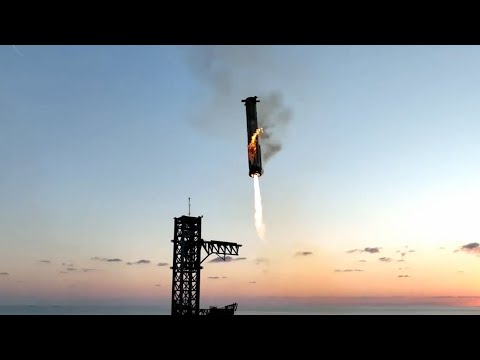
또는 매우 장기적인 측면, 예를 들어 전 세계적인 우주 기반 경제 혹은 그곳에 도달하기 위한 인프라, 그리고 지구에 무한한 친환경 에너지를 공급하는 방안을 구축하는 방법에 대해 이야기합니다.
즉각적인 1~2년 내에 논의가 적게 이루어지는 부분과 비서구 공공기관 및 민간 기업들의 계획도 있습니다.
우주 정거장
국제우주정거장 (ISS)
2001년 러시아의 미르 우주 정거장이 종료된 이후, 우주에 머물고 있는 유일한 정거장은 ISS(국제우주정거장)였습니다.

Source: NASA
1998년에 시작된 이 오래된 장비는 유지보수가 점점 어려워지고 고장 위험이 커지고 있습니다. 따라서 2030년을 최종 기한으로 퇴역할 것으로 예상됩니다.
2024년 여름, NASA는 SpaceX가 미국 재진입 차량을 개발·제공하도록 선정했다고 발표했습니다.
중국의 천당 (Tiandong)
ISS에 최근 합류한 중국의 천당(天宫, Celestial Palace) 우주 정거장은 2021년에 건설이 시작되었습니다.

Source: Wikipedia
중국은 2011년 미국이 제정한 울프 수정조항(Wolf Amendment)으로 인해 미국·유럽·일본과의 우주 협력이 금지된 뒤 자체 정거장을 건설하기로 결정했습니다.
현재는 이 조항이 잘못된 정책이라는 인식이 널리 퍼져, 이는 중국이 자체 발사 및 정거장 건설 역량을 개발하도록 촉진했습니다. 천당은 이제 비중국인 우주비행사에게도 개방하고 있으며, 아마도 러시아 파트너부터 시작될 것입니다. 러시아는 중국의 우주 진척을 가속화하는 데 큰 역할을 했습니다.
중국은 앞으로 몇 년 안에 정거장을 3개 모듈에서 6개 모듈로 확대할 계획입니다. 이는 전체 질량을 180톤으로 늘리게 되며, ISS의 450톤 대비 약 40% 수준이 됩니다.

Source: Wikipedia
온라인 토론에서는 천당 내부 설계가 ISS보다 더 효율적이라는 의견이 나오지만, 이는 다소 불공정한 비교일 수 있습니다. 천당은 최신 IT 기술과 미르·ISS 건설 경험을 모두 활용했기 때문입니다.

Source: Reddit
천당은 러시아식 ‘코스모노트’와 마찬가지로 ‘타이코노트’라는 용어를 쓰는 중국 우주비행사에게 경험을 제공하고, 과학 임무 수행에 활용될 것입니다.
또한 허블과 유사한 우주망원경 ‘Xuntian’을 서비스하게 되며, 이는 정거장의 궤도를 공유하고 천당의 정비·업그레이드·수리 혜택을 받게 됩니다.
“Xuntian 망원경은 우리 국가의 우주정거장 프로그램 발사 이후 가장 중요한 과학 프로젝트입니다. 중국 천문학계가 간절히 기대해 온 과학 시설이며, 국가 차원의 고급 천문 기술을 대표합니다.
허블은 양을 볼 수 있지만, CSST는 수천 개를 같은 해상도로 볼 수 있습니다.”
Zhou Jianping – 중국 유인우주 프로그램 수석 설계자
러시아 정거장
미르가 종료된 이후, 러시아는 제한된 예산과 향상된 국제 관계를 반영하듯 ISS 프로그램의 핵심 파트너 역할을 해왔습니다.
우크라이나 전쟁이 이 관계에 큰 영향을 미쳤으며, 2024년에 러시아는 ISS 프로그램을 탈퇴하고 자체 4모듈 정거장을 건설하겠다고 발표했습니다. 첫 번째 모듈은 2025년 발사 예정이며, 2030년까지 4개의 주요 모듈, 2033년까지 추가 2개 모듈이 연결될 예정입니다.

Source: Payload
이 야심찬 계획은 모스크바가 중국과 독립적인 파트너 관계를 유지하고, 우주 탐사에서 완전히 의존하지 않겠다는 의지를 보여줍니다. 그러나 우크라이나 전쟁이 지속되거나 러시아 경제가 둔화될 경우 예산 제약에 직면할 수 있습니다. 또한 최근 시험 성공을 거둔 중량 로켓 Angara A5의 성공 여부에도 크게 좌우될 것입니다.
우리를 달로 날려보내다
우주 정거장 외에도, 달은 새로운 우주 경쟁의 핵심 과제로 떠올랐으며, NASA와 국제 파트너, 그리고 러시아·중국이 영구 거주형 유인 기지를 건설하려 하고 있습니다.
이는 달이 행성 간 식민화의 첫 단계로 매력적인 몇 가지 핵심 요인 때문입니다.
근접성
첫 번째 논거는 달이 지구와 상대적으로 가깝다는 점입니다. 예상과 달리 이는 발사 횟수나 에너지 요구량을 크게 줄이지는 않지만, 궤도에 진입한 뒤에는 태양계 내 모든 목표가 에너지 면에서 “가깝다”는 점을 의미합니다.
하지만 여행 거리는 훨씬 짧아집니다. 이는 여러 장점을 제공합니다:
- 여행 시간이 짧아 방사선 노출이 감소하고, 이동 우주선의 중량 방호가 덜 필요합니다.
- 비상 시 추가 물자를 신속히 운반하거나, 부상당한 우주비행사를 신속히 대피시킬 수 있습니다.
- 통신 지연이 거의 없으며(1.25초), 거의 실시간 대화와 원격 조작 시스템 지원이 가능합니다.
중력
달의 중력은 지구의 1/6 수준입니다. 이는 작지만, 국제우주정거장 등에서 겪는 미세 중력의 부정적 영향을 완화하는 데 도움이 될 수 있습니다. 장기적으로 낮지만 영(0이 아닌)인 중력이 인체에 미치는 영향을 이해하는 데 귀중한 데이터가 될 것이며, 이는 궁극적으로 화성 정착 가능성을 평가하는 데 중요한 역할을 합니다.
또한 제조·정비·일상 생활 등 모든 활동이 더 수월해집니다. 물건이 떨어지고, 액체와 음식이 떠다니지 않기 때문입니다.
금속성 레골리스
많은 사람들은 달 표면이 하얀 먼지로 이루어졌다고 생각하지만, 실제로는 상층 15미터(약 16야드) 깊이의 미세한 연마성 먼지가 메테오라이트 충돌로 형성된 레골리스입니다.
이 레골리스는 주로 산소(43%)와 실리콘(20.1%)으로 이루어져 있지만, 상당량의 금속도 포함합니다: 철 12.5%, 알루미늄 7.4%, 마그네슘 6.1%, 티타늄 1.8% 등. 따라서 달 표면에서 바로 채취해도 대형 서식지와 태양광 패널을 건설하는 데 필요한 모든 금속을 확보할 수 있습니다.
지구에 전력을 공급하거나 대형 화성 우주선에 필요한 금속보다 더 많은 양을 제공할 수도 있습니다.
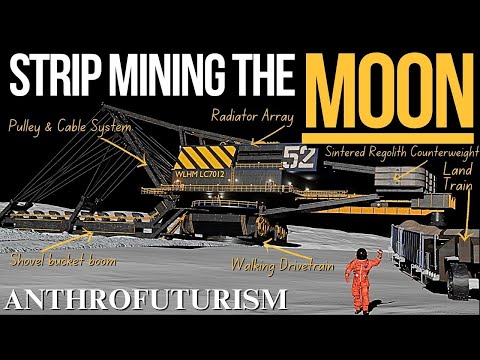
또한 현지 자원을 활용해 비교적 쉽게 제련·정제할 수 있습니다. 자세한 내용은 Astrum 채널의 훌륭하고 긴 영상(주제에 대한 상세 설명)을 참고하세요:
무기압
달은 대기가 없기 때문에 수십억 명이 거주하기는 어려울 것입니다. 그러나 이는 몇 가지 큰 장점을 제공합니다.
첫 번째 장점은 진공 상태에서 레골리스 금속을 가스 형태로 전환해 제련할 수 있다는 점입니다: 가스로 전환하면 1,000°C 이하의 온도에서도 가능하며, 이는 태양 집광기로 쉽게 달성할 수 있습니다.
또 다른 장점은 낮은 중력과 결합해 달 표면을 떠나는 것이 지구보다 훨씬 쉽다는 점입니다. 지구에서는 아직 과학 소설 수준인 대량 발사체(mass driver)가 달에서는 예산만 충분하면 내일이라도 구축 가능할 것입니다.
현지 자원의 풍부함과 결합하면, 우주 탐사에 필요한 대부분의 물자를 달에서 채굴·제조하는 것이 더 합리적일 수 있습니다.
NASA 달 계획
NASA의 달 계획은 아르테미스 미션에 의해 진행되며, 아르테미스 I부터 아르테미스 IV까지를 통해 영구 달 기지를 건설하고, 달 궤도에 루나 게이트웨이라는 우주 정거장을 배치할 예정입니다.

Source: NASA
계획은 연간 한 번씩 미션을 수행하는 것으로, 매번 4명의 우주비행사가 탑승합니다. 이 중 2명은 궤도에, 2명은 달 표면에 머무르게 됩니다.

Source: The Planetary Society
지연이 쌓이고 있다
아르테미스 프로그램의 반복적인 문제는 일정 지연입니다. 2020년에는 아르테미스 II와 III가 이미 2024년으로 예상됐습니다.
핵심 문제는 SLS(우주 발사 시스템)입니다. 보잉, Aerojet Rocketdyne (L3Harris 계열), 록히드 마틴, 노스럽 그루먼 등 대형 방산·항공우주 기업이 만든 이 새로운 로켓은 개발 비용이 1천억 달러, 하루당 1,200만 달러 수준으로 폭발했으며, 시험 중 여러 차례 실패했습니다. 재사용이 불가능한 로켓이라 달 미션 예산을 크게 늘립니다.
달 착륙선인 인간 착륙 시스템(HLS)도 지연되고 있으며, 2028년까지 70% 확률로 준비될 것으로 평가되었습니다. 한편 아르테미스 로버 팀이 록히드 마틴에서 레이도스로 교체되었습니다.
인간이 달에 복귀하는 가장 가까운 마감 시점은 현재 2026년이며, 달 서식지(Foundation Habitat와 Mobile Habitat)는 2032년까지 발사될 예정입니다.
전반적으로 반복되는 지연과 막대한 비용 초과는 NASA의 평판에 타격을 주었고, 많은 우주 애호가들은 아르테미스가 언제 실제로 실행될지에 대해 절망감을 느끼고 있습니다.
러시아와 중국의 달 계획
2021년, 중국은 러시아와 공동으로 달 기지를 건설하고, 아시아·아프리카 등 여러 국가와 협력하겠다고 발표했습니다.

Source: Wikipedia
이는 최근 중국 우주국이 창어 6호 탐사선으로 달 뒷면에서 최초로 암석 샘플을 가져온 성공에 이어진 것입니다.
2026년에 예정된 창어 7호는 남극을 조사할 예정이며, 이 지역이 향후 달 기지 부지로 선정되었습니다.
창어 8호는 2028년에 발사되어 현지 자원을 활용한 현장 제조 실험을 진행할 계획입니다.
공개된 계획은 아르테미스 프로그램보다 상세하지 않지만, 몇 가지는 알려져 있습니다:
- 3단계로 나뉘며, 아직 개발 중인 초중량 발사체 5차례가 필요합니다.
- 첫 단계는 과학 측정과 현지 자원 탐사에 전념합니다.
- 두 번째 단계는 기본 지원 요소와 최초 유인 착륙을 원격으로 수행합니다.
- 세 번째 단계는 2045년경에 실제 기지를 건설해 더 많은 우주비행사를 수용하고 시설을 확장합니다.
- 각 창어 미션을 통해 남극 착륙·탐사, 현지 자원 활용 등 필요한 기술 모듈을 차례로 개발할 계획입니다.
- 중국은 발사체 재사용성을 포함한 발사 기술 진보에 크게 의존하고 있습니다.

Source: Techeblog
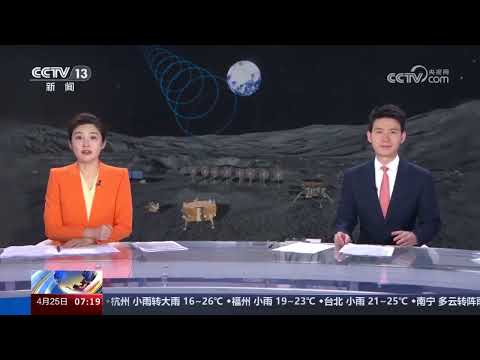
중국 국영 매체가 제공한 영상(중국어)에서 계획된 달 기지의 첫 렌더링을 확인할 수 있습니다:
핵 에너지
러시아가 프로그램에 크게 기여할 분야는 핵 에너지, 특히 소형 원자로 기술입니다. 목표 출력은 1MW(1,000kW) 수준입니다.
이는 인도와도 협력해 진행될 수 있습니다. 인도는 2023년 Chandrayaan-3 로봇 탐사 이후 달에 진입한 다섯 번째 국가가 되었습니다.
달의 밤은 14일 동안 지속되며, 이는 대규모 거주에 있어 태양광만으로는 부족할 수 있음을 의미합니다.
NASA도 핵 에너지를 활용할 계획이지만, 규모는 훨씬 작으며 롤스로이스의 50~100kW 마이크로 원자로를 검토하고 있습니다.
달 경제 구역
중국은 매우야심찬 우주 탐사·달 식민화 계획을 가지고 있으며, 이는 순수 과학 탐사보다 경제 개발에 초점을 맞춘 “중국식” 접근 방식입니다.
특히 지구-달 우주 경제 구역을 설립하고, 2050년경 연간 총 생산가치 10조 달러 이상을 목표로 하는 로드맵을 제시했습니다.
달 질량 구동기
이 계획이 극단적으로 들리는 이유는 바로 그 때문입니다.
중국 연구진이 구상한 지구-달 초대형 경제는 헬륨-3을 포함할 가능성이 있습니다. 이 초희귀 원소는 핵융합을 보다 쉽게 구현할 수 있게 해줍니다(중성자 방출 없음).
“헬륨-3 20톤만으로도 중국의 연간 전력 수요를 충족할 수 있습니다. 지구에는 약 0.5톤에 불과하지만, 달 토양에는 100만 톤이 추정되어 세계 에너지 수요를 천 년 이상 충당할 수 있습니다.
달 토양에는 세계 에너지를 천 년 이상 공급할 수 있는 충분한 헬륨-3이 함유되어 있습니다.
Source: SCMP
이러한 자원을 회수하기 위해 중국은 본질적으로 거대한 회전 해머와 같은 질량 구동기를 사용할 계획입니다. 이는 SpinLaunch가 구상한 지구 기반 발사 시스템과 매우 유사합니다.
SpinLaunch가 진공을 만들고 안전하게 파열시키는 것이 큰 과제인 반면, 무기압인 달에서는 중력이 지구의 1/6에 불과하므로 훨씬 수월합니다.

Source: SpinLaunch
그들은 질량 구동기가 달에서 발사 물자를 10배 정도 절감할 수 있을 것으로 기대합니다.
동일 기술은 태양광 위성이나 화성으로 향하는 대형 화물선 건설에도 활용될 수 있습니다.
전반적으로 중국은 달 탐사와 기지가 궁극적으로 자체 수익을 창출할 비전을 가지고 있는 것으로 보입니다.
화성
모든 참여자는 달 기지를 화성 탐사의 디딤돌로 보고 있습니다. 그러나 NASA와 중국·러시아 모두에게는 아직 먼 목표입니다.
한편, 일론 머스크의 SpaceX는 최근 테스트된 스타십이 중간 착륙을 성공적으로 포착한 뒤 내년에 궤도 연료 보급을 수행하려 하고 있습니다. 이는 지구 직접 궤도 밖으로의 여행, 특히 달이나 화성으로의 여행에 필수적인 단계입니다.

Source: Elon Musk
그는 2028년까지 인간이 화성에 정착할 수 있을 것이라고 예상했으며, 이는 모든 공공 우주 기관의 달 계획과 크게 충돌합니다.
이는 유명한 “엘론 타임” 현상의 한 예로, 실제로는 너무 촉박한 일정입니다.
동시에 스타십이 기대대로 작동한다면, 예산 제한을 제외하고는 화성을 도달 불가능한 목표로 보는 이유가 크게 사라집니다. 핵심 과제는 화성에서 장기간 머무를 수 있는 서식지를 구축하는 것이며, 여행 자체보다 더 큰 도전이 될 수 있습니다.
SpaceX가 NASA 없이도 새로운 우주 탐사 이정표를 달성할 수 있을까요?
로켓
SpaceX
SpaceX가 재사용 가능한 발사체 기술에서 이룬 놀라운 성과와 최근 스타십의 성공은 미국을 경쟁자들보다 확고히 앞서게 만들었습니다.
특히 이는 발사 비용을 완전히 붕괴시켰으며, 다른 모든 로켓이 수익성을 잃고 상업적으로 비현실적인 상황을 초래했습니다. 따라서 NASA가 여전히 SLS에 집착하는 것에 대한 비판이 커지고 있습니다.
SpaceX가 이 우위를 유지한다면, 우주 발사 시장의 압도적인 점유율을 차지하고, 개편된 아르테미스 프로그램에서 달·화성 도달의 주요 옵션이 될 수 있습니다. 이는 SLS를 포기하는 방향으로 이어질 것입니다.
중국 발사체
장정 로켓
중국 국가 우주 프로그램은 장정 로켓 시리즈에 의존하고 있습니다. 현재 개발 중인 초중량 장정 9은 최종 버전에서 저궤도(LEO) 140톤, 화성까지 44톤을 운반할 수 있을 것으로 예상됩니다.
첫 시험 발사는 2030년에 예정되어 있으며, 2040년까지 완전 재사용이 가능한 1단계를 목표로 하고 있습니다.

Source: Orbital Today
중국 민간 기업
SpaceX에 영감을 받은 중국 기업가들은 관료주의와 공공 조달의 비효율을 뛰어넘어 민간 로켓 회사를 설립하려 하고 있습니다. 현재 이 분야는 이미 거대한 생태계를 이루고 있습니다:

Source: Andrew Jones/SpaceNews
다음은 몇몇 주요 기업에 대한 자세한 내용입니다:
- LandSpace: 2024년 9월에 10km 고도 수직 이착륙(VTVL) 성공을 기록했습니다.
- 이 회사의 로켓은 메탄 연료와 스테인리스 스틸을 사용하며, SpaceX와 동일한 설계 방식을 채택했고, 2025년 첫 비행을 목표로 하는 재사용 가능한 ZQ-3 로켓을 개발 중입니다.
- LEO에 21.3톤을 운반할 수 있어 SpaceX Falcon 9의 15.8톤과 비슷합니다.
- Galactic Energy (Pallas-1) – 해상 발사 로켓 회사로 이미 상업 위성을 궤도에 올리고 있습니다.
- Orienspace (Gravity-1) – 2024년 1월에 중국 상업 로켓의 페이로드 기록을 6.5톤으로 경신했습니다.
- 2020년에 설립된 이 회사는 빠른 기술적 성공으로 초기 SpaceX와 유사한 모습을 보여줍니다.
- Space Pioneer: Tianlong-3 로켓은 LEO에 17톤을 운반할 수 있도록 설계 중입니다.
- 2024년 7월 정적 화재 시험 중 발사 직후 화재가 발생해 화제가 되었습니다.
우주 탐사에 투자하기
우주는 재사용 로켓을 기반으로 재탄생하고 폭발적인 성장세를 보이는 매우 확립된 산업입니다. 우리는 이와 관련해 “재사용 로켓이 비용을 급격히 낮추어 다수의 새로운 시장을 창출한다”라는 기사에서 기회가 어떻게 창출되는지 논의했습니다.
현재 우주 시장 규모는 4,430억 달러입니다. 소행성 채굴, 우주 관광·극초음속 비행 등 잠재적으로 매우 수익성 높은 아이디어는 추가로 3,500억 달러의 매출을 창출할 수 있으며, 위성 기반 인터넷이 170억 달러, 군사 응용 및 보조 달 기지, 과학 프로젝트 등도 포함됩니다.
여러 중개업자를 통해 우주 관련 기업에 투자할 수 있으며, 이 웹사이트에서는 미국· 캐나다, 호주, 영국 등 다양한 국가의 최고의 중개업체를 추천하고 있습니다.
특정 우주 기업에 직접 투자하고 싶지 않다면, ARK Space Exploration & Innovation ETF (ARKX) 혹은 VanEck Space Innovators UCITS ETF (JEDI)와 같은 ETF를 통해 우주 부문의 전체 성장에 참여할 수 있습니다.
SpaceX
Rocket Lab (RKLB ) 등 여러 기업과 중국 민간 기업들의 진전에도 불구하고, SpaceX는 재사용 로켓 분야에서 여전히 최고 자리를 차지하고 있습니다. 제프 베조스의 블루 오리진이나 방산·항공우주 대기업들은 더 큰 예산에도 불구하고 SpaceX의 속도를 따라가지 못하고 있습니다.
재사용 로켓은 이제부터 상업적으로 유일하게 실현 가능한 설계가 될 전망입니다. 비재사용 로켓 프로그램은 미국·중국·러시아에서 납세자 자금으로 유지될 수 있지만, SpaceX는 이미 업계 표준이 되었습니다.
Source: Ark Invest
이는 스타십이 발사 비용을 낮추더라도, 경쟁사들이 크게 뒤처져 있는 한 SpaceX가 스타십 가격을 완전히 낮출 필요가 없다는 의미이기도 합니다.
이러한 상황은 SpaceX가 창출된 가치를 더 많이 차지하고, 이를 다시 성장과 새로운 프로젝트(예: 달 기지, 행성 간 우주선, 전력 위성 등) 투자에 재투자할 수 있게 합니다.
Starlink
스타십을 통한 발사 시장 지배력 강화와 함께, Starlink는 SpaceX의 또 다른 큰 변화입니다.
우주 기반 인터넷 서비스는 2024년 9월 현재 4백만 사용자를 돌파했으며, 4개월 만에 1백만 명이 추가되었습니다. 또한 미국에서는 Starlink 단말기 가격을 499달러에서 299달러로 낮춰 진입 장벽을 낮추었습니다.
남아시아·동남아시아와 같이 아직 연결이 부족하지만 성장 잠재력이 큰 지역이 주요 시장이 될 전망입니다. 이미 2024년 5월 인도네시아에서 승인되었으며, 필리핀·말레이시아에 이어 확대되고 있습니다.
Starlink는 2025년 남한에도 배치될 수 있으며, 인도에도 곧 도달할 가능성이 높습니다하지만 구체적인 일정은 아직 발표되지 않았습니다.
Starlink는 2024년에 68억 달러의 매출을 기록할 것으로 추정되었습니다.
추가적인 이점으로, Starlink 발사는 이미 유료 고객이나 위성 고객이 예약한 발사에 사용되는 “빈 공간”을 활용합니다.
따라서 로켓 가동률을 유지하고 규모의 경제를 통해 비용을 절감하며, 새로운 지속적인 수익원을 창출합니다.
SpaceX의 가까운 미래는 Starlink에 크게 달려 있으며, 이는 결국 스타십이 저비용으로 별자리(위성군)를 유지해야 한다는 점과 연결됩니다.
또 다른 이점은 스타십이 다음 세대 Starlink 위성(현재보다 10배 큰)을 수용할 수 있다는 점입니다. 이는 현재보다 낮은 궤도에서 운용되어 지연 시간이 더욱 짧고 기가비트 속도에서 더 큰 대역폭을 제공할 수 있습니다.
방위 사업
미국 국방부는 SpaceX와 협의하여 군사용 전용 Starlink 버전인 Starshield를 배치하려 하고 있습니다.
이는 우크라이나 전쟁 전선에서 민간형 Starlink 위성·단말기가 매우 유용하다는 것이 입증된 이후이며, 국방부와 회사 간의 장기 협력 관계를 바탕으로 군사 위성을 발사하는 프로젝트와도 연결됩니다.
고대역폭·저지연 서비스를 해상 이동 플랫폼에 제공함으로써 미국·스웨덴 해병대는 사격 임무를 수행하고 전투 지역 전반에 걸쳐 신뢰할 수 있는 정보를 제공할 수 있었습니다”,
이러한 프로젝트는 매우 비밀스럽지만 동시에 높은 수익성을 가지고 있어, SpaceX 투자자는 큰 혜택을 받을 수 있습니다.
운송
Starship은 지구 표면 전역을 점-점(point-to-point) 이동할 수 있는 능력을 갖추어, 미래에 초음속 여행 수단으로 활용될 가능성이 있습니다.
이는 민간 시장에서 22시간 걸리던 국제 비행을 2시간으로 단축하는 등 거대한 경제적 파급 효과를 가질 수 있습니다.
또한 미국 군사 계획자들이 물류·신속 개입 측면에서 큰 관심을 보이고 있습니다, 이는 군사적 활용 가능성을 시사합니다.
평가
SpaceX의 최신 평가액은 2천억 달러를 넘어설 것으로 추정됩니다.
현재 이 회사는 비상장 기업이며, 저희 전용 기사 “SpaceX 주식 투자 | 비상장 주식 구매 방법”에서 투자자들이 어떻게 SpaceX 주식에 접근할 수 있는지 설명합니다.
Starlink가 별도 기업으로 IPO될 가능성도 있지만, 현재 SpaceX 경영진은 “우선 순위가 아니다”라고 판단하고 있습니다. 이는 Starlink 성장세가 급격히 상승하고 있기 때문일 것입니다.
전반적으로 SpaceX는 현재 발사 시장에서 사실상 독점적인 위치를 차지하고 있으며, 발사 비용이 지속적으로 낮아짐에 따라 우주 산업이 기하급수적으로 성장함에 따라 트릴리언 달러 규모 기업으로 성장할 전망입니다:
- Falcon 9 덕분에 위성 발사가 저렴하고 빈번해졌습니다.
- Falcon Heavy 덕분에 인터넷 위성 군집이 수익성을 얻었습니다.
- Starship은 궤도 태양광 발전 및 달 제조를 가능하게 할 수 있습니다.
결론
냉전 시대의 우주 프로그램은 양측이 거의 동일한 목표(첫 위성, 첫 궤도 비행, 첫 달 착륙)를 가지고 있었지만, 새로운 우주 경쟁은 약간 다른 양상을 보이고 있습니다.
한편에서는 NASA가 다소 축소된 규모이지만(지연 전이라면) 보다 단기적인 계획을 가지고 있어, 달에 다시 인간을 보내고 이전 아폴로 미션보다 오래 머무를 수 있는 영구 기지를 구축하려 합니다.
궁극적으로 NASA의 목표는 여전히 기술 시험과 과학 중심의 달 탐사입니다.
다른 한편에서는 중국·러시아 프로그램이 2035~2045년이라는 훨씬 먼 시점을 목표로 하지만, 훨씬 더 야심찬 목표를 가지고 있습니다. 여기에는 고급 소형 모듈형 원자로(SMR)·레골리스 채굴·질량 구동기를 통한 달 자원 활용 및 트릴리언 달 경제 개시가 포함됩니다.
동시에 민간 야망도 높아지고 있으며, SpaceX가 선두에 서고, 서구의 몇몇 스타트업과 다수의 중국 스타트업이 그 뒤를 잇고 있습니다.
이러한 관점에서 보면, 새로운 우주 경쟁은 국가 간 경쟁만이 아니라 재능 있는 비전가(그리고 억만장자)들 간의 경쟁이 될 가능성이 높으며, 이는 새로운 시대를 상징할 수도 있습니다.



