
Energia
La crescita solare richiede una rete elettrica più intelligente e più resiliente

 Aggiungi Securities.io alle tue fonti preferite su Google

Il passaggio globale dai combustibili fossili alle reti elettriche solari
Nel dopo-crollo della rete elettrica nella Penisola Iberica (Portogallo e Spagna), molti si sono chiesti quale fosse la causa principale di quanto accaduto. E, come accade spesso oggi, la discussione è rapidamente diventata politicizzata, con l’energia solare accusata di essere la ragione del crollo.

Fonte: RNZ
E potrebbe essere parzialmente vero, almeno in una certa misura. La rete elettrica è stata progettata decenni fa, con un design centralizzato e incentrato sui combustibili fossili, costruito attorno a poche enormi centrali elettriche in grado di generare energia su richiesta.
In confronto, un approvvigionamento energetico decentralizzato e rinnovabile funziona in molti modi diversi. Man mano che l’energia solare diventa più economica, probabilmente prenderà sempre più parte della generazione totale di energia. Attualmente, il solare rappresenta l’80 % della nuova capacità di generazione aggiunta alla rete, e il vento un altro 10 %.
Con 585 GW di aggiunte di capacità, le energie rinnovabili hanno rappresentato oltre il 90 % dell’espansione totale di potenza a livello globale nel 2024.
L’energia solare e eolica hanno continuato a espandersi di più, rappresentando congiuntamente il 96,6 % di tutti gli incrementi netti di energia rinnovabile nel 2024. Oltre tre quarti dell’espansione di capacità erano nel settore solare, che è aumentato del 32,2 %, raggiungendo 1 865 GW, seguito dall’energia eolica, cresciuta dell’11,1 %.
Fonte: Irena
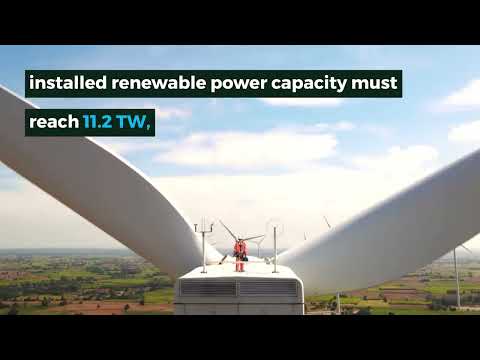
Quindi, mentre un approvvigionamento energetico verde e basato su fonti rinnovabili sembra imminente, rendere la rete elettrica capace di gestirlo sarà fondamentale. Soprattutto se un eventuale guasto della rete, come quello recente, fosse stato davvero causato dall’energia solare, ciò rallenterebbe l’adozione dell’energia solare e, indirettamente, manterrebbe le emissioni di carbonio elevate più a lungo.
Come funzionano le reti elettriche e perché falliscono
Un elemento chiave da comprendere sull’importanza della rete elettrica e sulle difficoltà nel mantenerla operativa è che l’elettricità è molto difficile da immagazzinare.
In teoria, è quello che fanno le batterie, ma la rete elettrica di un paese gestisce livelli di potenza di diversi ordini di grandezza rispetto a quanto anche le più grandi strutture di batterie possano immagazzinare.
Quindi, per ora, l’energia deve essere prodotta nella stessa quantità in cui viene consumata, in tempo reale.
Per aggiungere a questo compito difficile, l’energia deve anche essere consegnata al posto giusto e al momento giusto. Per esempio, l’energia solare generata in Nevada non aiuterà la rete del Kansas se non è collegata ad essa con un numero sufficiente di linee elettriche. Nel caso della Spagna, le interconnessioni con il sistema di rete elettrica francese non erano abbastanza grandi da salvarla dai problemi localizzati.

Fonte: ResearchGate
Infine, è necessario effettuare variazioni di tensione. La trasmissione a lunga distanza di energia può avvenire in modo efficiente solo ad alta tensione, richiedendo trasformatori per aumentare la tensione prima di immettere l’elettricità nelle linee. Il consumo, invece, deve avvenire a tensione più bassa, operazione anch’essa realizzata con trasformatori.

Fonte: EIA
Guasto della rete elettrica spagnola: cosa è andato storto?
Problemi di frequenza
Mentre è probabile che le cause profonde del crollo della rete iberica saranno oggetto di accese discussioni, potenzialmente per mesi e anni a venire, disponiamo di alcuni dati che possono indicare in parte cosa è successo.
Il primo è che il punto di guasto reale non riguardava una generazione di energia eccessiva o insufficiente, ma la frequenza elettrica della rete.
La frequenza di utilità è una caratteristica tecnica della rete, determinata dall’oscillazione della corrente alternata.

Fonte: Wikipedia
Le diverse reti elettriche hanno frequenze standard differenti, rendendole incompatibili tra loro. Per esempio, gli Stati baltici hanno recentemente cambiato alla frequenza europea, dopo decenni di utilizzo della frequenza ereditata dall’URSS.
Se la frequenza si discosta troppo dagli standard, può letteralmente distruggere trasformatori e altre apparecchiature ad alta potenza, oltre ai dispositivi degli utenti comuni. Esistono numerosi meccanismi integrati nei dispositivi elettrici che si disconnettono automaticamente se la frequenza fluttua eccessivamente.
Il solare ha causato il guasto della rete spagnola?
La frequenza della rete veniva generata e stabilizzata dalla rotazione fisica di enormi generatori, solitamente alimentati da combustibili fossili, ma anche da centrali idroelettriche e nucleari. Questo conferiva alla rete molta inerzia, rendendo difficile per la frequenza deviare molto dai livelli previsti. Tuttavia, il solare non genera tale inerzia.

Fonte: SmartGrid
Quindi non è tanto che la generazione solare abbia creato il crollo, ma che la sua mancanza di inerzia non abbia aiutato a stabilizzare la frequenza della rete, fattore chiave del guasto.
Ciò non spiega comunque perché la frequenza sia fluttuata in primo luogo. Oltre alla mancanza di inerzia, che può essere collegata al solare, sembra che alcune pratiche scorrette e progetti vecchi abbiano contribuito al crollo della rete iberica rendendola vulnerabile a quello che l’operatore di rete ha descritto come un “fenomeno meteorologico estremamente raro”.
Aggiornare le reti elettriche per un futuro energetico rinnovabile
Poiché i progetti più vecchi di trasformatori, linee elettriche e altre infrastrutture sono la causa più comune di interruzioni, ha senso che il primo passo per migliorare la rete sia aggiornare le attrezzature.
Un passo avanti è rappresentato dalle cosiddette “smart grid”, che monitorano molto più da vicino ciò che accade a ogni livello della rete elettrica in tempo reale, invece di un’analisi più generale. Questo include anche numerosi sistemi automatici individuali.
In questo modo, una fluttuazione di frequenza localizzata in una zona specifica, dovuta ad esempio a un evento meteorologico, potrebbe essere isolata dal resto della rete immediatamente prima che il problema si propaghi ulteriormente.
Miglioramenti alle linee elettriche possono anche aiutare. Una rete più densa consente di reindirizzare l’energia da una regione all’altra e riduce la sensibilità a un singolo punto di guasto. Un migliore isolamento o l’interramento delle linee può anche proteggerle da tempeste, neve e gelo, incendi boschivi, ecc.
Più connessioni tra regioni distanti possono anche aiutare a mediare le fluttuazioni nella generazione di energia da un’area soleggiata a un’altra. Questo richiede generalmente infrastrutture dedicate per il trasporto di energia a ultra‑lunghe distanze, qualcosa in cui la Cina è leader mondiale, con il suo “super‑grid” che utilizza linee ad altissima tensione (UHV) AC e DC, con già 30 000 km di linee UHV (18 600 miglia).

Fonte: IEEE
È probabile che connessioni transcontinentali simili debbano essere costruite anche in Europa e Nord America, ad esempio tra la Spagna e il Nord Europa, o tra Est e Ovest degli USA, dove molte reti indipendenti non sono ancora così collegate.
In tal senso, non è un caso che i peggiori guasti di rete degli ultimi anni siano avvenuti in Texas e Spagna, entrambe reti relativamente piccole e isolate.

Fonte: ASME
Infine, poiché l’elettrificazione sta diventando la tendenza dominante nei trasporti, nel riscaldamento e nei processi industriali, è necessaria una maggiore capacità di trasmissione complessiva per gestire la crescente domanda che si allontana dal carbone, dal petrolio e dal gas. Questo non richiede un cambiamento di design o una nuova tecnologia, ma più investimenti per costruire ulteriori linee elettriche.
Stabilizzazione della frequenza di rete nei sistemi energetici rinnovabili
Stoccaggio di batterie e inerzia virtuale nelle reti elettriche
Mentre le smart grid sono parte della risposta, esse ridurranno principalmente l’esposizione agli effetti ambientali e conterranno i guasti in aree più piccole e gestibili rispetto a un crollo a livello nazionale.
Per evitare i guasti in primo luogo, soprattutto quando l’energia solare priva di inerzia diventa la fonte primaria di elettricità, sono necessarie altre soluzioni.
Lo Stoccaggio di Batterie su Larga Scala (LSBS) potrebbe fornire un aiuto. Queste batterie saranno comunque necessarie per un sistema energetico prevalentemente basato su fonti rinnovabili, poiché i pannelli solari non producono energia la sera, quando il consumo è al picco.
Possono anche fornire inerzia di frequenza, sebbene in modo diverso rispetto ai tradizionali grandi generatori rotanti. L’inerzia dalle batterie è chiamata inerzia virtuale, o sintetica, simulata o digitale.
Quando vengono rilevate perturbazioni al di fuori della frequenza normale, il FFR spinge la frequenza della rete a tornare nel suo intervallo operativo normale iniettando o prelevando rapidamente energia dalla rete.
L’inerzia virtuale può rispondere ancora più rapidamente dei generatori tradizionali all’instabilità della frequenza, in meno di 2 secondi.
Questo è un servizio che è stato offerto commercialmente per la prima volta nel 2022 da impianti di batterie costruiti da Tesla (TSLA ).
La “Big Battery” è in grado di fornire circa 2 000 “megawatt secondi” (MWs) di equivalenza di inerzia per aiutare a mantenere stabile la rete. Lo fa tramite il servizio Virtual Machine Mode di Tesla. Potrà fornire circa il 15 % del deficit di inerzia del Sud Australia.
I pannelli solari possono aiutare a stabilizzare la frequenza di rete?
Di per sé, i pannelli solari non forniscono inerzia, poiché non c’è rotazione fisica né energia cinetica per crearla. Tuttavia, potrebbero essere usati in modi che supportano la rete.
Ad esempio, i progetti solari sono stati tradizionalmente progettati e incentivati per massimizzare la produzione in ogni momento. Ma mantenendo una certa capacità di generazione di riserva, potrebbero fornire energia in caso di calo della frequenza.
Questo è molto semplice da realizzare tecnicamente e dipende più da come le centrali solari sono compensate dalle compagnie di servizi pubblici e dagli operatori di rete.
Una scala più piccola di stoccaggio energetico a livello di impianto solare potrebbe essere usata similmente per assorbire piccoli picchi di potenza e un aumento di frequenza. L’operatore di rete potrebbe destinare una quantità specifica di generazione da immagazzinare e rendere disponibile per una dispatch immediata se la frequenza diminuisce.
Lo stesso metodo potrebbe essere usato con gli inverter collegati ai pannelli solari. Un controllore dell’impianto potrebbe teoricamente sovrascrivere i controlli dell’inverter per un breve intervallo di tempo per arrestare un calo di frequenza, “facendolo lavorare a caldo”, ma al di sotto del livello che causerebbe danni fisici agli inverter.
In quello scenario, ogni inverter di pannello solare agirebbe come un mini‑stabilizzatore, fornendo ulteriore inerzia virtuale.
Ripristinare l’inerzia della rete con soluzioni meccaniche rotanti
Se è necessaria inerzia, tradizionalmente fornita dalla rotazione di centinaia di tonnellate di metallo ad alta velocità, forse la soluzione a una carenza di inerzia è proprio quella.
Alcuni dispositivi e forme di stoccaggio energetico sono del tipo rotante: condensatori sincroni e volani.
Condensatori sincroni: aggiungere inerzia alle reti elettriche
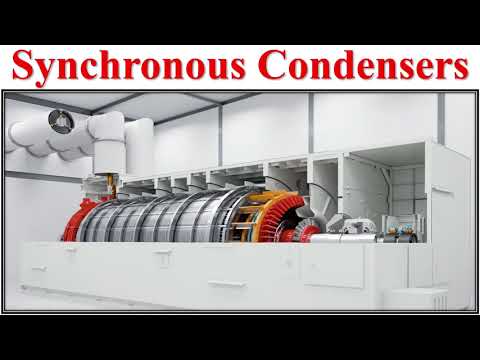
I condensatori sincroni sono motori DC i cui alberi non sono collegati a nulla ma ruotano liberamente. Non generano né consumano energia, ma regolano le condizioni sulla rete di trasmissione elettrica.
Rappresentano in realtà un’ottima opzione per aggiungere inerzia alla rete, ma forniscono pochissimi altri servizi. Quindi, se ne devono aggiungere molti, ciò comporterà un costo aggiuntivo, annullando parzialmente i progressi fatti nella riduzione del prezzo dell’energia rinnovabile.
I condensatori sono anche molto importanti per riavviare una rete in crash, poiché forniscono l’inerzia necessaria quando poca energia è presente nella rete. Possono anche aiutare ad assorbire sovraccarichi nella rete per diversi secondi, riducendo i rischi di cortocircuiti.
Stoccaggio di energia a volano per la stabilità della rete
I volani sono un’altra opzione interessante. Questi dischi rotanti sono essenzialmente batterie meccaniche, che immagazzinano energia in forma meccanica anziché chimica.
Ruotano in vuoto su un cuscinetto magnetico, a velocità comprese tra 20 000 e 50 000 giri al minuto. Il sistema immagazzina o restituisce energia accelerando o rallentando il volano.

Fonte: Stornetic
Fornendo naturalmente “vera” inerzia, invece dell’inerzia virtuale, un volano potrebbe essere una buona opzione da aggiungere al mix di “batterie” necessarie per le reti verdi, fornendo simultaneamente inerzia di frequenza e stoccaggio energetico. Questo lo pone al di sopra dei più semplici condensatori sincroni, i quali non possono immagazzinare e restituire energia.
Soluzioni alternative di stoccaggio energetico rotante
Qualsiasi forma di stoccaggio energetico che ruota può aggiungere inerzia al sistema di rete. Quindi, oltre ai volani, sono possibili anche altre opzioni.
Ad esempio, la startup Cheesecake Energy offre un pacchetto modulare e containerizzato di stoccaggio di energia ad aria compressa. Il calore generato dalla compressione è immagazzinato in ghiaia economica in batterie termiche, e la compressione avviene con motori di vecchi camion riadattati. Lo stoccaggio e la rigenerazione di energia coinvolgono anche alberi metallici rotanti, simili a un generatore convenzionale.
Altri sistemi di stoccaggio non chimico esistono, come batterie gravitazionali, idroelettrico pompato, stoccaggio in calcestruzzo, batterie termiche o energia solare termica, di cui abbiamo parlato nell’articolo dedicato “Alternative non chimiche alle batterie per la transizione energetica”.
Creare un mercato per l’inerzia di rete e il controllo della frequenza
Finora, l’inerzia era in qualche modo un “servizio gratuito” fornito dagli operatori di centrali elettriche con generatori rotanti. O, più precisamente, si presumeva che fosse parte del servizio pagato quando le utilities acquistavano megawatt da loro.
I cambiamenti nella generazione di energia significano che dovrebbe essere creato un mercato più esplicito per la stabilizzazione della frequenza, al fine di incentivare la fornitura di inerzia.
Questo è qualcosa che stanno sperimentando paesi con piccole reti isolate, come gli Stati baltici.
Con il lancio del mercato della frequenza da parte di Litgrid (Lituania), Augstsprieguma tīkls (Lettonia) e Elering (Estonia), i produttori di elettricità possono presentare offerte ogni mattina per il giorno successivo, indicando quanta energia sono disposti a tenere in riserva.
Il prezzo è di circa 0,5 centesimi per kilowatt‑ora, il che equivale a circa €1 al mese per un consumatore domestico.
Principali sfide che rallentano gli aggiornamenti globali delle reti elettriche
Carenze di trasformatori minacciano la modernizzazione della rete
Uno dei problemi più evidenti nel migliorare la rete oggi è la carenza di trasformatori. Decenni di sotto‑investimento nelle infrastrutture di rete hanno portato alla situazione in cui non solo è necessaria nuova attrezzatura per gestire un consumo più elevato, ma anche per sostituire i trasformatori invecchiati.

Fonte: Utility Dive
Un aumento dei danni causati da uragani e incendi boschivi non ha aiutato.
La domanda aggiuntiva incontra anche problemi di fornitura, poiché l’acciaio elettrico speciale, vitale per la riduzione delle perdite di potenza dei trasformatori, rimane costoso e difficile da ottenere.
“La consegna di un nuovo trasformatore ordinato oggi potrebbe richiedere fino a tre anni. Cinque anni fa, quel tempo di attesa era di quattro‑sei settimane.”
Peter Ferrell – National Association of Electrical Manufacturers, o NEMA, Direttore delle Relazioni Governative
Le carenze di rame potrebbero ostacolare le reti energetiche rinnovabili
Un altro problema che potrebbe rallentare gli aggiornamenti della rete è la carenza di risorse naturali. Mentre il litio e altri minerali per le batterie potrebbero essere in offerta adeguata, non è chiaro se la produzione globale di rame sia sufficientemente alta, soprattutto poiché i veicoli elettrici e altre tecnologie importanti per l’elettrificazione stanno aumentando il consumo.
E invertire la direzione dell’offerta di rame potrebbe essere molto lento, con la carenza prevista persisterà per anni.
“La domanda potrebbe essere soddisfatta aprendo tre miniere di “primo livello” (ognuna con una capacità annua di 300 000 tonnellate metriche) ogni anno per i prossimi 29 anni, il che rappresenterebbe un’espansione storica per l’industria, con un costo superiore a 500 miliardi di dollari.
Le approvazioni normative per nuove miniere di rame sono in calo, scese al livello più basso degli ultimi 15 anni. Questo è particolarmente preoccupante, dato che le miniere possono impiegare 10‑20 anni per essere approvate e sviluppate.”
Fonte: International Energy Forum
Tariffe sui componenti della rete potrebbero ritardare gli aggiornamenti negli USA
Per gli USA in particolare, è possibile che guerre commerciali e tariffe ostacolino la fornitura dell’attrezzatura necessaria.
Nel 2024, la Cina ha esportato 46,5 miliardi di dollari di trasformatori elettrici, risultando il 9° prodotto più esportato (su 1 211) in Cina, con gli USA come principale destinazione (4,66 miliardi di dollari di scambi).
Allo stesso modo, batterie e altri componenti elettronici e di potenza sono probabilmente forniti in parte da aziende cinesi e avranno bisogno di fornitori alternativi.
Infine, la maggior parte delle linee elettriche a lunga distanza utilizza alluminio, che quest’anno è stato soggetto a tariffe speciali del 25 %. Ciò potrebbe aumentare i costi dei progetti e ritardare gli aggiornamenti tanto necessari all’infrastruttura elettrica del paese.
Conclusione: costruire una rete resiliente per un futuro verde
Ricostruire la rete elettrica per gestire il passaggio alle energie rinnovabili è un compito piuttosto arduo. Riducendo l’importanza delle turbine a gas e di altre centrali a combustibili fossili, la transizione energetica rimuove anche una fonte importante di stabilità di frequenza, mentre la produzione di energia diventa più intermittente.
Parallelamente, l’elettrificazione significa che le reti elettriche sono più sollecitate che mai da una domanda costantemente crescente per trasporti, riscaldamento e attività industriali.
L’energia verde è probabilmente la soluzione al problema che essa stessa genera. I pacchi batteria, già necessari in dimensioni massicce per bilanciare l’intermittenza della produzione, probabilmente diventeranno il principale fornitore di stabilità di frequenza. Anche gli inverter delle centrali solari saranno probabilmente mobilitati per questo compito.
Nel frattempo, altre tecnologie come l’aria compressa, i volani e i condensatori sincroni sono destinate ad aiutare.
Nel breve termine, la produzione insufficiente di trasformatori e il tipo speciale di acciaio di cui hanno bisogno ostacolerà i miglioramenti della rete. Nel lungo periodo, la capacità di premiare adeguatamente i fornitori di stabilità di frequenza, la volontà politica di migliorare la rete elettrica e una fornitura costante di soluzioni di stoccaggio energetico saranno i fattori chiave per una transizione energetica di successo.
Investire nella rete elettrica
GE Vernova
GEV Grafico dei prezzi
GE Vernova (GEV ) è il risultato della scissione del colosso conglomerato GE nel 2024 in GE Aerospace (GE ), GE HealthCare e GE Vernova, con Vernova nel segmento energetico.
In tal senso, ciò rende GE Vernova l’erede diretto del nucleo originale di 130 anni della General Electric (GE.TO ).
Con attualmente 75 000 dipendenti in oltre 100 paesi, l’azienda ha prodotto 55 000 turbine eoliche e 7 000 turbine a gas, contribuendo a generare circa il 25 % dell’elettricità mondiale.
È presente a tutti i livelli della produzione e distribuzione di elettricità, specialmente nei segmenti legati alle turbine come eolico, idroelettrico e nucleare, ma anche nella rete elettrica, dove ha progetti per 16 miliardi di dollari in backlog.

Fonte: GE Vernova
L’azienda prevede che la domanda di elettricità raddoppierà entro il 2040, con 4 trilioni di dollari necessari per sostituire le centrali a carbone, rappresentando una massiccia opportunità per i produttori di apparecchiature elettriche.

Fonte: GE Vernova
GE è un partner stretto di molte delle più grandi compagnie di servizi pubblici al mondo, tra cui la francese Engie, la americana Duke Energy (DUK ), e Southern Company (SOT.DE ) (SO ), la tedesca RWE, la spagnola Iberdrola, la Taiwan Power Company, ecc.
Per quanto riguarda le soluzioni di rete e l’elettrificazione, GE Vernova fornisce sistemi di stoccaggio di energia a batteria, condensatori sincroni, centrali di pompaggio di energia (PSPP), elettrificazione dei forni, stoccaggio termico, inverter solari, compressori di idrogeno, ecc.

Fonte: GE Vernova
GE Vernova è anche una potenza nella ricerca e sviluppo legata all’energia (1 miliardo di dollari di spesa annuale in R&D), in particolare con la cattura del carbonio, cavi HVDC, turbine a gas a idrogeno e un reattore modulare piccolo (SMR) in partnership con Hitachi.

Fonte: GE Vernova
Le problematiche di fornitura e le carenze di attrezzature industriali negli USA potrebbero rappresentare un’opportunità per l’azienda, grazie a un piano di investimento cumulativo globale di 9 miliardi di dollari in CAPEX e R&D fino al 2028 per nuove strutture di produzione. Questo include 50 milioni per la progettazione di combustibile nucleare di nuova generazione, 300 milioni per l’esportazione di energia a gas e LNG, 600 milioni di dollari in fabbriche negli USA entro il 2026, ecc.
A causa della vasta attività di GE Vernova, gli investitori in azioni della società non devono essere certi di quale tecnologia vincerà la transizione energetica nei prossimi 5 o 10 anni:
- Se il gas naturale rimarrà importante, GE Vernova è già un attore principale nel segmento.
- Se il nucleare subirà davvero una rinascita, le turbine nucleari e gli SMR avranno successo.
- Se l’idrogeno, l’energia eolica, l’idroelettrico pompato o la cattura e sequestro del carbonio decolleranno, GE Vernova potrà conquistare anche questi mercati.
Quindi, nel complesso, GE Vernova è un’azione valida da considerare per gli investitori consapevoli della crescente domanda di elettricità, della necessità di una rete migliore, e fiduciosi che GE sarà parte della risposta, sia con idroelettrico, eolico, nucleare, o quasi qualsiasi altra forma di energia.
Ultime notizie su GE Vernova



