
Spazio
Lockheed Martin (LMT) Spotlight: Un leader nella difesa e nell’aerospazio

 Aggiungi Securities.io alle tue fonti preferite su Google

Il potere aereo al centro della potenza militare
Innovazione e tecnologia militare sono strettamente legate, soprattutto dall’avvento della guerra industriale. Alcuni grandi fornitori della difesa investono molto in ricerca e sviluppo.
Negli Stati Uniti numerose aziende private forniscono tecnologie al Dipartimento della Difesa. In altri paesi operano anche imprese pubbliche o partecipate dallo Stato; la struttura varia da paese a paese.
Allo stesso modo, la tecnologia spaziale e l’esplorazione dello spazio sono il risultato di enormi investimenti dell’era della Guerra Fredda nella corsa allo spazio contro l’Unione Sovietica, che a sua volta si basava sulla tecnologia missilistica tedesca sviluppata nella Seconda Guerra Mondiale.
E al centro di alcune delle tecnologie più avanzate che trovano applicazione sia in ambito militare che civile, c’è un’azienda che ha spinto i limiti di ciò che l’ingegneria può realizzare: Lockheed Martin (LMT ).
LMT Grafico dei prezzi
Storia di Lockheed Martin
Lockheed Martin è il risultato della fusione del 1995 tra le aziende di difesa Lockheed Corporation e Martin Marietta. Queste società sono state a loro volta il risultato di precedenti fusioni e acquisizioni, in una tendenza che ha visto l’industria della difesa statunitense consolidarsi in pochi grandi conglomerati come Boeing (BA ), Raytheon (RTX ), General Dynamics (GD ), e Northrop Grumman (NOC ).

Fonte: Prdctnomics
Le attività storiche di Lockheed contribuirono allo sforzo bellico della Seconda guerra mondiale. Skunk Works nacque nel 1943: il P-38, che volò per la prima volta nel 1939, non fu quindi sviluppato da questa struttura già costituita. Tra i successivi programmi legati a Skunk Works figurano SR-71, F-117, F-22 e F-35.
Attività multiple
Aeromobili / Aeronautica
L’aeronautica rimane una delle attività principali di Lockheed Martin e rappresentava circa il 40% delle vendite nel periodo descritto.
L’offerta comprende gli elicotteri Black Hawk, appartenenti all’attività Sikorsky nel segmento Rotary and Mission Systems, e aerei come F-16, oltre a F-35, sistemi radar aerotrasportati e velivoli da trasporto come C-5 Galaxy e C-130J Super Hercules. Le diverse piattaforme non appartengono tutte allo stesso segmento contabile.

Fonte: Lockheed Martin
Lockheed Martin sviluppa velivoli e numerosi sottosistemi, fra cui radar, navigazione, simulazione, addestramento e centri di controllo.
L’importanza della componente aerea nelle forze statunitensi e alleate sostiene la domanda, senza eliminare rischi di programma e di bilancio.
Missili e controllo del tiro
Nel terzo trimestre 2024 le vendite del segmento Missiles and Fire Control furono 3,175 miliardi di dollari, contro 2,939 miliardi nello stesso trimestre 2023, con un aumento di circa l’8%. Nei primi nove mesi furono 9,270 miliardi contro 8,082 miliardi, in crescita di circa il 15%. Questi dati non rappresentano un confronto tra gli anni completi.
Nel periodo considerato il segmento rappresentava circa il 17% delle vendite complessive.
Tra i sistemi figurano:
- GMLRS: sistema di artiglieria di precisione da oltre 70 km.
- JASSM: missile da crociera aria-superficie a lungo raggio.
- Javelin: missili anti-carro lanciati da spalla.
- ATACMS: artiglieria missilistica con raggio di 300 km
- HIMARS: artiglieria missilistica a lungo raggio.

Fonte: Lockheed Martin
La guerra in Ucraina ha evidenziato l’importanza di artiglieria, missili e capacità produttiva di munizioni.
HIMARS può lanciare munizioni GMLRS e ATACMS. È stato acquistato da paesi dell’Europa orientale come la Polonia e da altri alleati. Le esigenze e gli ordini variano tra le forze armate.
L’aumento della domanda rende importanti capacità produttiva, tempi di consegna e disponibilità dei componenti.
Sistemi ad ala rotante e sistemi di missione
Il segmento Rotary and Mission Systems comprende elicotteri, sistemi navali, radar, difesa e altre tecnologie di missione. I sistemi antimissile dell’azienda sono distribuiti anche in altri segmenti.
Nel periodo descritto questo segmento rappresentava circa il 24% delle vendite.
Tra i sistemi di difesa e di missione dell’azienda si possono citare:
- AEGIS: sistema integrato di combattimento navale e difesa aerea, disponibile anche in una versione terrestre.
- THAAD: sistema per intercettare missili balistici a corto, medio e raggio intermedio nella fase terminale. Non costituisce da solo la difesa statunitense contro gli ICBM.
- Long Range Discrimination Radar (LRDR) e satelliti di allerta e tracciamento contribuiscono a una più ampia architettura di rilevamento e difesa antimissile. Non sono semplicemente tutti sensori dedicati al THAAD.
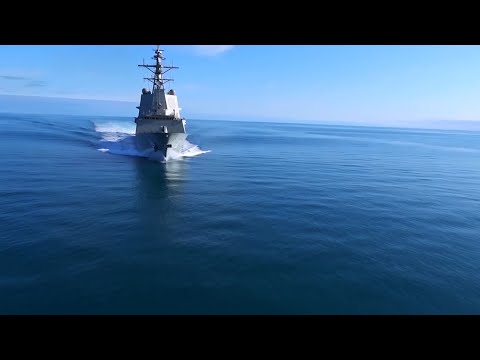
La competizione con avversari dotati di capacità avanzate ha rinnovato l’attenzione verso difesa aerea, scorte di munizioni e resilienza delle reti.
Spazio
Le attività spaziali comprendono applicazioni militari e civili: satelliti di sorveglianza e allerta, GPS, la capsula Orion della NASA e satelliti meteorologici GOES-R.

Fonte: Lockheed Martin
Il segmento rappresentava circa il 19% delle vendite nel periodo considerato.
L’azienda presenta, tra i risultati delle proprie attività spaziali:
- 8 pianeti visitati da veicoli spaziali Lockheed Martin.
- oltre 1.000.000 di ore di operazioni di veicoli spaziali planetari.
- oltre 300 carichi di missione costruiti per i clienti.
La riduzione dei costi di alcuni lanci grazie a razzi riutilizzabili come quelli di SpaceX (SPCX ) può favorire nuove attività. Le possibilità comprendono basi permanenti sulla Luna, energia solare dallo spazio, altre infrastrutture spaziali e missioni umane su Marte. Si tratta di prospettive con tempi e fattibilità differenti, non di ricavi già garantiti.
Finanze di Lockheed Martin
Lockheed Martin registrò circa 67 miliardi di dollari di vendite nel 2023 e 17,1 miliardi nel terzo trimestre 2024. Nel trimestre il flusso di cassa libero fu di circa 2,1 miliardi. Margine operativo e flusso di cassa libero sono misure diverse e non mantengono necessariamente la stessa percentuale delle vendite.
Nel novembre 2024 il rendimento da dividendo indicato era circa il 2,4%, variabile con il prezzo dell’azione. I riacquisti sono una forma distinta di restituzione di capitale.
Contratti pluriennali di acquisto e assistenza sostengono l’attività, ma possono comportare rischi di costo, prestazione e finanziamento pubblico.
Queste caratteristiche possono interessare investitori orientati a flussi di cassa e dividendi. Non equivalgono a una garanzia di stabilità.
Un investimento dipende in parte dalla spesa militare statunitense e alleata, oltre che dall’esecuzione dei programmi.
Debito pubblico, priorità politiche, costi e prestazioni dei sistemi possono influire sugli stanziamenti e sui risultati dell’azienda.
La controversia sull’F-35
Il programma F-35 ha incontrato ritardi, difficoltà tecniche e aumenti di costo.
Alcune valutazioni critiche lo hanno descritto come un grave insuccesso. È necessario distinguere giudizi, indicatori operativi e risultati dei singoli lotti.
Diversi paesi hanno scelto il velivolo e la Romania ha formalizzato la propria partecipazione nel 2024. Le criticità restano rilevanti; per esempio, i dati citati indicavano che circa metà della flotta soddisfaceva determinati criteri di capacità di missione. La definizione e il periodo di misura sono essenziali.
Le vendite e l’assistenza continuano a generare ricavi, ma i contratti possono anche comportare oneri e controversie sui costi.
Secondo la fonte citata, nel 2021 furono assegnati contratti di sostegno alla flotta F-35 fino a 6,6 miliardi di dollari per attività fino al 2023. I valori contrattuali massimi non coincidono necessariamente con ricavi o utili effettivi.
Intervento di Elon Musk?
Le difficoltà dei grandi fornitori della difesa attirano attenzione. Anche Boeing ha affrontato problemi di sicurezza e qualità nell’aviazione civile e problemi tecnici nel programma Starliner. Questo non significa che ogni suo aereo sia insicuro o che tutte le capsule siano inutilizzabili.
Il confronto con SpaceX ha alimentato il dibattito sui costi e sui risultati dei programmi spaziali.
Nel novembre 2024 Trump annunciò un’iniziativa di efficienza governativa con il coinvolgimento di Elon Musk. Non si trattava ancora di un normale dipartimento federale già istituito con poteri definiti.
Musk criticò pubblicamente i caccia con equipaggio, compreso l’F-35, contrapponendoli ai droni. Queste dichiarazioni non costituiscono da sole una decisione di cancellare il programma.

Fonte: Elon Musk
Gli investitori possono considerare tali posizioni nel valutare il rischio politico, senza presumere che una presidenza repubblicana favorisca automaticamente tutti i titoli della difesa.
Futuro dei sistemi militari
Nel settore si discute del compromesso tra sistemi molto sofisticati, costi, affidabilità e quantità producibili.
Altri approcci privilegiano semplicità, robustezza e produzione su larga scala, accettando eventualmente capacità inferiori per singola piattaforma.
Le priorità di acquisto potrebbero spostarsi verso un diverso equilibrio.
Ciò potrebbe influire sui programmi più complessi e sugli investimenti di aziende come Lockheed Martin.
Le capacità industriali e ingegneristiche possono agevolare l’adattamento, ma il successo dipende da contratti, tempi e requisiti.
Innovazioni di Lockheed Martin
Nonostante le difficoltà di alcuni programmi, Lockheed Martin continua a investire in tecnologie militari e spaziali. La competizione geopolitica può sostenere la domanda, senza garantire il successo dei progetti.
Armi ipersoniche
La deterrenza strategica comprende la capacità di risposta a un attacco. Le nuove armi possono modificare tempi di allerta e requisiti difensivi.
I sistemi ipersonici volano generalmente oltre Mach 5. Non tutti raggiungono Mach 10 e non sono necessariamente impossibili da intercettare; velocità, traiettoria e manovrabilità rendono la difesa più difficile.
I progressi russi e cinesi hanno aumentato l’attenzione statunitense su questi programmi. Lockheed ha ricevuto un contratto da 756 milioni di dollari per attività relative al Long Range Hypersonic Weapon (LRHW). L’azienda ha lavorato anche su HALO, ARRW e Conventional Prompt Strike. Stato e finanziamento dei programmi possono cambiare.

Fonte: Lockheed Martin
Questi progetti richiedono materiali resistenti al calore, guida e comunicazioni avanzate. Possibili applicazioni ulteriori non equivalgono a un valore commerciale futuro già certo.
Cyberdifesa, Comando Integrato e IA
Le operazioni militari dipendono da dati, comunicazioni resilienti, valutazione delle minacce e coordinamento delle difese.
Droni e sistemi autonomi aggiungono ulteriori esigenze di controllo e integrazione.
Lockheed dispone di una propria «fabbrica di soluzioni di intelligenza artificiale» e sviluppa, tra l’altro, reti 5G integrate. Offre anche soluzioni di difesa e operazioni informatiche, in un ambito considerato parte delle moderne operazioni militari.
Drone e armi autonome
La guerra in Ucraina ha mostrato la crescente importanza dei droni e dei sistemi senza equipaggio.
La cooperazione tra piattaforme con e senza equipaggio può ridefinire alcuni ruoli degli aerei pilotati. L’obiettivo è coordinare capacità complementari, non necessariamente sostituire ogni velivolo.

Fonte: Lockheed Martin
Questo concetto potrebbe ampliare il ruolo operativo dell’F-35, che dispone di sensori e capacità di elaborazione e condivisione dei dati.
Lockheed ha dimostrato capacità sperimentali di impiego di un velivolo controllato dall’intelligenza artificiale con compiti assegnati da un pilota vicino.
L’azienda ha inoltre provato un volo autonomo del Black Hawk nel 2022. Il Raider X era invece un dimostratore per il programma FARA, terminato dall’esercito statunitense nel febbraio 2024; non era un successore approvato del Black Hawk.

Fonte: Lockheed Martin
Armi a energia diretta e guerra elettronica
La diffusione di droni poco costosi crea problemi economici e di scorte per difese basate su missili più costosi. Le contromisure devono però essere valutate per efficacia, portata e condizioni operative.
Il costo di alcuni missili navali può superare due milioni di dollari, mentre certi droni costano molto meno. Il rapporto varia secondo il sistema e la minaccia.
Le navi dispongono inoltre di un numero limitato di celle di lancio e possono dover raggiungere strutture attrezzate per rifornirsi.
La guerra elettronica può interrompere o disturbare comunicazioni e navigazione. Le microonde ad alta potenza sono un’altra categoria di contromisure; non tutti questi sistemi consumano soltanto elettricità senza altri costi o limiti.
Anche le armi a energia diretta, soprattutto i laser, possono essere installate su diverse piattaforme. Prestazioni, raffreddamento e condizioni atmosferiche restano importanti.
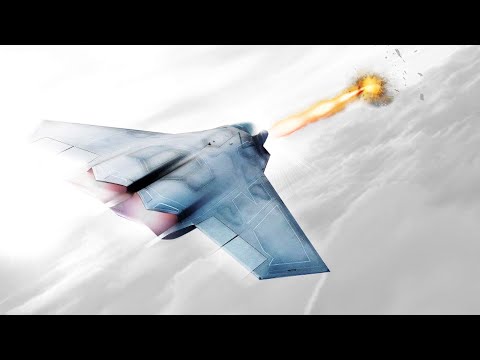
Nuove armi
Lockheed Martin partecipa allo sviluppo di diversi sistemi di nuova generazione:
- Veicolo di rientro per missili balistici intercontinentali: il Mk21A è un veicolo di rientro integrato per il programma Sentinel. Non è l’intero ICBM; Northrop Grumman è il contraente principale del programma Sentinel.
- Precision Strike Missile a lungo raggio (PrSM) per attacchi di precisione. La portata varia con la versione e lo sviluppo.
- Next Generation Interceptor (NGI): programma di intercettazione di missili balistici a lungo raggio.
Conclusione
Lockheed Martin è un importante fornitore statunitense e alleato in aeronautica, difesa antimissile, sistemi digitali, spazio e altre tecnologie. Le difficoltà dell’F-35 mostrano però i rischi dei grandi programmi.
Anche se cambiano priorità e stanziamenti, il gruppo dispone di una base industriale rilevante. Ciò non rende ogni flusso di ricavi immune da riduzioni.
La spesa militare può sostenere la domanda, ma non implica un rischio limitato o guadagni sicuri. Costi, contratti, concorrenza e valutazione di mercato restano essenziali.
Le competenze spaziali potrebbero aprire opportunità in nuove missioni e infrastrutture. Habitat, estrazione di risorse e turismo spaziale sono però mercati con maturità e incertezze molto diverse.



