
Energia
Voiko tuulivoima valloittaa maailman?

 Lisää Securities.io suosikkilähteisiisi Google-palvelussa

Nouseva tuuli
Aurinkoenergia, erityisesti fotovoltaisessa, on ajava voima siirtymisessä uusiutuvaan energiaan ja saattaa jopa tulla hallitsevaksi tulevaisuudessa.
Silti aurinkoenergiassa on joitakin vakavia rajoituksia, jotka tekevät siitä parhaan toimimaan yhdessä muiden teknologioiden kanssa. Näihin voi kuulua akut ja pitkän matkan yhteydet sähköverkossa. Toinen vaihtoehto on ottaa käyttöön samanaikaisesti myös muita vihreän energian muotoja, jotta tuotantoa voidaan täydentää, kun aurinkoenergia on vähemmän tuottavaa (pilvinen, talvikuukaudet) tai ei tuota lainkaan (yöllä).
Kaikkien muiden edellä, tuuli (alla keltainen ja oranssi) on johtava vihreän energian muoto aurinkoon rinnakkain, erityisesti kun vesivoiman (vaaleansininen) odotetaan pysähtyvän lähivuosina.

Lähde: EIA
Vuonna 2022 maailmanlaajuinen tuulivoiman tuotanto saavutti 2100 TWh (kasvu 14 %). Ja Net Zero Emissions -tavoitteiden saavuttamiseksi vuoteen 2050 mennessä, kokonaisuudessaan tavoitteet Net Zero Emissions vuoteen 2050 -skenaariosta, yhteensä 7 400 TWh odotetaan vuoteen 2030.
Saavuttaakseen tämän tavoitteen tuotannon kasvu on nopeuduttava edelleen 17 %:n yhdistetyksi kasvuvauhdiksi. Tämä tarkoittaa, että nykyinen vuosittainen tuulivoiman kapasiteetin lisäys 75 GW vuodessa on nostettava 350 GW vuoteen 2030 mennessä.
Näistä 75 GW:stä 37 GW lisättiin pelkästään Kiinassa, eli yli puolet maailman kokonaismäärästä.
Miten tällainen kunnianhimoinen tavoite voidaan saavuttaa? Se on todennäköisesti mahdollista vain teknologisten parannusten, massiivisten investointien sekä tiiviisti koordinoitujen energia- ja teollisuuspolitiikkojen yhdistelmällä.
Nykyinen tuuliteollisuus
Maa- tuuli
Tähän mennessä maatuulivoimalat ovat hallinneet alaa. Ne edustavat 93 % asennetusta kapasiteetista, selvästi enemmän kuin merituulivoimapuistot.

Lähde: EIA
Yksi tärkeimmistä syistä on ollut puhtaasti tekninen. Maatuuli on yksinkertaisesti helpompi toteuttaa, sillä projekteja tukevat tiet, kuorma-autot ja paikalliset betonitehtaat.
Tämä helppo pääsy myös helpottaa ylläpitoa, sillä teknikot voivat asua lähellä ja päästä kohteeseen autolla, ja heille voidaan toimittaa osia ja kulutustarvikkeita usein projektin aikana rakennetun pääsytien kautta, toisin kuin itse tuuliturbiineille.

Lähde: GEvernova
Kaiken kaikkiaan helpompi rakentaminen ja ylläpito johtavat alhaisempiin kustannuksiin ja korkeampaan kannattavuuteen. Maatuuliturbiinit eivät myöskään joudu kamppailemaan suolaisen veden korroosion kanssa, toisin kuin merituuliturbiinit, mikä vähentää ylläpitokustannuksia entisestään.
Toinen keskeinen etu maatuuliturbiineilla verrattuna aurinkovoimaloihin on se, että maa-alue voidaan suurimmaksi osaksi edelleen viljellä tai jättää luonnolliseksi. Vertailun vuoksi, maata käytetään samanaikaisesti aurinkovoiman ja maatalouden (ns. agrivoltaics) tuotantoon, on vielä vasta kehittyvä ala.
Merituuli
Kuten selitetty, merituuli on edelleen vähemmistys tuulivoiman tuotannosta.
Tämä johtuu siitä, että meressä rakennettavat projektit ovat luonnollisesti pääomavaltaisempia. Etäisyys asutetuista alueista ja suolaveden korroosio lisäävät myös ylläpitokustannuksia ja voivat lyhentää tuuliturbiinien ja niiden komponenttien käyttöikää.
On kuitenkin melko paljon etuja merituulilla:
- Tehokkaampi tuotanto: merituuli on vakaampaa, voimakkaampaa ja puhaltaa useammin kuin maalla.
- Tämä johtaa paitsi suurempaan tuotantoon myös ennustettavampaan tuotantoon, lähempänä peruskuormitusvoiman tuotantoa kuin maatuulen epäsäännöllisempi tuotanto.
- Monilla alueilla merituuli voimistuu iltapäivällä ja illalla, jolloin kysyntä on suurimmillaan.
- Koska suurin osa maailman väestöstä asuu lähellä rannikkoa, merisijainnit ovat usein lähellä kuluttajia.
- Hyvä merituulipaikka voi olla paljon suurempi kuin maalla. Tämä mahdollistaa suuremman mittakaavan.
- Vähemmän ympäristövaikutuksia. Vähentämällä maankäyttöä eikä häiritsemällä paikallista ekosysteemiä pääsytien ja liikenteen avulla syrjäisillä alueilla, merituuli voi olla ympäristöystävällisempi kuin maatuuli.
- Tuulipuistojen rajoitettu alue voi jopa tukea meriekosysteemejä.
- Vähemmän vastustusta: etäisyys väestökeskuksista ja näkymästä rajoittaa merkittävästi vastustusta merituuliprojekteille. NIMBY-reaktiot (ei minun takapihallani) ovat näin ollen paljon vähemmän vaikuttavia.
Etäisyydestä ja syvyydestä riippuen erilaisia ankkurointimenetelmiä voidaan käyttää merituuliturbiineissa.

Lähde: DoE
Kun valmis, Dogger Bank -tuulivoimapuisto Pohjanmerellä on maailman suurin tuulivoimapuisto. Sillä on asennettu kapasiteetti 3,6 GW, mikä riittää virittämään jopa 6 miljoonaa Yhdistyneen kuningaskunnan kotia vuosittain.
Kuinka parantaa tuuliturbiineja
Aina suurempia ja korkeampia
Kestävä suuntaus tuuliteollisuudessa on ollut rakentaa tuuliturbiineja yhä suuremmiksi ja voimakkaammiksi. Yleisesti odotetaan, että tämä trendi jatkuu.

Lähde: DoE
Keskeinen syy on perusfysiikassa ja geometriassa. Lapojen pituuden kaksinkertaistaminen kasvattaa kokonaispyörimisaluetta nelinkertaiseksi.
Koska pyörimisalue määrää kerätyn tuulen määrän ja tehon tuotannon, turbiinin koon kaksinkertaistaminen nelinkertaistaa tuotannon, ja sen uudelleenkaksinkertaistaminen lisää tuotantoa 16‑kertaiseksi alkuperäiseen verrattuna.
Toinen fysiikasta johtuva tekijä on, että mitä voimakkaampi tuuli, sitä enemmän tehoa syntyy. Tämä ei ole suora muunnos: jos tuulen nopeus kaksinkertaistuu, turbiini voi tuottaa 8‑kertaisesti enemmän tehoa.
Siksi suuremmat turbiinit JA voimakkaammat tuulet voivat tuottaa 10‑kerran tai enemmän tehoa kuin pienemmät mallit.
Korkeammat tornit tarkoittavat yleensä vakaampaa ja voimakkaampaa tuulta, mikä lisää sähkön tuotantoa entisestään.
Tänä päivänä voimakkain tuuliturbiini on 18 MW:n prototyyppi, jonka on kehittänyt Dongfang Electric, otettu käyttöön kesäkuussa 2024. Sen roottorin halkaisija on 853 jalkaa (260 m). Yksi tuuliturbiini pystyy tuottamaan vastaavan energian kuin 40 000 kotitalouden vuotuinen sähkönkulutus.
Tuuliturbiinit ovat kasvaneet niin suuriksi, että ainoa realistinen tapa kuljettaa niiden lapoja tehtaasta kohteeseen on ilmakuorma. Tästä syystä yritys Raida rakentaa maailman suurinta lentokonettat, ja muut kuten Straightline Aviation tarkastelevat ilmalaivojen/zeppelinien mahdollisuutta tuoda tuuliturbiinin lapoja paikalle.

Lähde: Straightline Aviation
Lopuksi, toinen vaihtoehto on olla rakentamatta jättiläispilaria jättiläisturbiinille, vaan vieläkin suurempi “turbiiniseinä”. Joitakin yksiköitä kehitetään 40 MW-malleille, ja ne voivat saavuttaa jopa 126 MW.
Tällainen järjestelmä sopisi parhaiten alueille, joilla on erittäin vahvat ja lähes jatkuvat tuulet, kuten Pohjanmeri.

Lähde: Recharge News
Kestävämpiä ja kierrätettäviä tuuliturbiineja
Riippumatta siitä, kuinka hyvin ne on valmistettu, tuuliturbiinit vaurioituvat ajan myötä, koska ne altistuvat jatkuvan liikkeen aiheuttamalle mekaaniselle rasitukselle.
Tämä on äskettäin aiheuttanut ongelmia alalla, kun erityisesti Gamesa (Siemens) ilmoitti markkinoille, että joidenkin turbiinimoottorien on vaihdettava paljon aikaisemmin kuin odotettiin, aiheuttaen pienen romahduksen tuulivoiman osakkeissa.
Vaikka nämä ongelmat voidaan ratkaista parantamalla turbiinien kestävyyttä, toinen huolenaihe koskee turbiinien lapoja.
Aiemmin epoksilaput päätyivät kaatopaikoille, mikä ei ollut kovin vihreä ratkaisu. Vestas Wind Systems on äskettäin esitellyt uuden epoksikemian, joka mahdollistaa täyden kierrätyksen. Tämä antaa tuuliteollisuudelle mahdollisuuden muodostaa täysin kiertotalouden arvoketju.

Lähde: Vestas
Voimme odottaa, että muu teollisuus seuraa esimerkkiä ja ratkaisee materiaalin hukkaamisen sekä kaatopaikkojen täyttämisen lopullisen käyttöiän saavuttaneilla lapuilla.
Lapasetön tuulivoima
Jättiläislapat, kuten tuulettimessa, ovat tähän mennessä olleet suosituin tapa kerätä tuulienergiaa. Mutta tämä ei ole ainoa vaihtoehto. Useita muita on ehdotettu tai ne ovat kehitteillä.
Ensimmäinen idea on pystyakseliturbiinit. Nämä turbiinit ovat usein hiljaisempia, pienempiä ja suunniteltu keräämään heikompia tuulia.
Tämä tekee niistä sopivampia kaupunki- tai esikaupunkialueille sekä kattokohteisiin. Esimerkkejä ovat Windspire-turbiinit tai Eddy-tuuliturbiini.

Lähde: Inhabitat
Toinen idea on luopua turbiineja pitävästä pylväästä ja rakentaa lentäviä tuuliturbiineja sen sijaan. Tämä tarkoittaa, että etsitään vahvinta tuulta niiden sijainneista, 300–600 m korkeudelle. Miksei siis kiinnittää tuuliturbiinia kelluvaan heliumilla täytettyyn ilmapalloon, kuten Altaeros-malli:
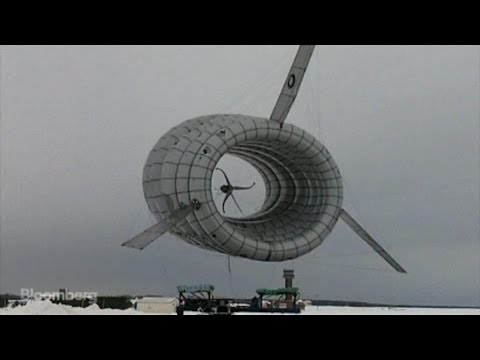
Tämä tarjoaa muita etuja, kuten mahdollisuuden liikkua ylös ja alas löytääkseen vahvemman tuulen, poistaen kokonaan betonipohjan, pylvään, nostureiden ym. kustannukset. Järjestelmä voidaan myös helposti siirtää uusiin kohteisiin muutamassa tunnissa tai päivässä.
Lopuksi, vielä radikaalimpi idea on liikkumaton tuulienergian kerääminen. Tämä voidaan esimerkiksi toteuttaa liikuttamalla “tikkuja” kuten Vortex Bladeless- tai Windstalk-laitteissa, jotka käyttävät sähkömagneettista induktiota energian tuottamiseen.
Tämä tarkoittaa, että järjestelmässä ei ole vaihteistoa eikä se tarvitse öljyä, mikä pidentää sen käyttöikää.
Muut liikkumattomat järjestelmät käyttävät tuulen aiheuttamaa ilmanpaine-eroa energian tuottamiseen, kuten Aeromine-kattojärjestelmä.

Lähde: Aeromine
Kaksoiskäyttöiset ja monikäyttöiset tuuliturbiinit
Toinen tapa parantaa tuuliturbiineja on käyttää niitä samanaikaisesti sekä sähkön tuotantoon että muihin toimintoihin.
Esimerkiksi merituuliturbiineilla on jo vankka ankkurointi merenpohjaan, ja ne sijaitsevat melko kaukana rannikosta. Tämä tekee niistä täydellisen mahdollisen ankkuripisteen muille järjestelmille:
- Passiivinen kalastus, kuten kalastuskennojen avulla kalojen, hummerien, rapujen, mustekalan jne. pyydystäminen.
- Meriviljely, kuten simpukoiden tai levien viljely.
- Kalankasvatus, esimerkiksi lohet.
- Ekologiset kunnostushankkeet, kuten keinotekoiset koralliriutat.
- Vuorovesi- ja aallonenergian kerääminen, mikä mahdollistaa kaksinkertaisen ankkurointi- ja huoltopalveluiden käytön energian tuotannossa.

Lähde: Research Gate
Maa-alueella kaksoiskäyttömahdollisuudet ovat rajoitetumpia, ja viimeisin esimerkki on matkapuhelinantenni, joka on lisätty tuuliturbiinin pylväseen.
Tuulivoiman ongelmat
Koska ne voivat tuottaa vihreää energiaa eri aikoina kuin aurinko, tuulivoima on loistava vaihtoehto hiilidioksidipäästöjen vähentämiseen sähköverkossa samalla kun vähennetään kalliiden akkaparkkien tarvetta.
Siinä on kuitenkin joitakin ongelmia, jotka on otettava huomioon.
Vaarat eläimistölle
Eläimistö voi vahingoittua fossiilisista polttoaineista ja muusta energian tuotannosta, mutta myös tuuliturbiineista. Tämä koskee erityisesti lintuja, jotka usein lentävät liian lähelle turbiineja ja kuolevat nopeasti liikkuvien lapojen vuoksi.
Tutkimuksesta ja sijainnista riippuen näyttää siltä, että jokainen turbiini tappaa noin 4–18 lintua vuodessa, tai 0,45–2,8 lintua per tuotettu GWh. Vaikka luku vaikuttaa suurelta, se on vähäistä verrattuna kissojen, autojen tai torjunta-aineiden tappamiin lintuihin.

Lähde: Sustainability In Numbers
Tämä voi kuitenkin olla suurempi huolenaihe tietyille lajeille, erityisesti petolinnuille kuten kotkille, korppikotkille jne., sekä muuttolinnuille. Lepakotkin voivat vahingoittua vakavasti tuuliturbiineista.
- Turbiinin pysäyttäminen, kun se liikkuu hyvin hitaasti, on erityisen vaarallinen lepakkoja kohtaan.
- Vältä turbiinien rakentamista alueille, joita petolinnut käyttävät nousu- ja muuttoreitteinä.
- Suosi muutamaa suurta turbiinia monien pienten sijaan.
- Maalaa turbiinit mustiksi, jotta ne ovat lintujen silmissä paremmin havaittavissa.
Harvinaisten maametallien toimitus
Toinen huolenaihe tuulivoiman suhteen on, että turbiinien sähkön tuotanto riippuu pysyvämagneteista. Nämä magnetit vaativat harvinaisia mineraaleja, kuten neodyymiä.
A large direct drive offshore wind turbine equipped with one of these generators can contain upwards of 5 tons of magnets
Vaikka harvinaiset maametallit muodostavat vain noin 30 % näiden magnettien painosta, se voi silti tarkoittaa satoja kiloja neodyymiä per megawatti tuotettua sähköä, sekä pienempiä määriä dysprosiumia ja terbiumia.
Alla Kolesnikova – data- ja analytiikkajohtaja Adamas Intelligence – Gristissä
Harvinaisten maametallien tuotanto voi olla erittäin saastuttava prosessi, ja se tehdään suurimmaksi osaksi Kiinassa.
Siksi on kehitettävä paitsi puhtaampia prosesseja harvinaisten maametallien tuotantoon, myös tehokkaampia kierrätysmenetelmiä.
Geopolitiikka
Puhuttaessa Kiinasta, sen täydellinen hallinta uusiutuvan energian toimitusketjussa on herättänyt huolta länsimaissa.
Kiina tuottaa 66 % maailman uudesta tuulivoimakapasiteetista.

Lähde: Enerdata
Tämä hallinta on vieläkin selkeämpi tarkasteltaessa muita mittareita:
- 426 uutta tuuliturbiinimallia verrattuna 29:ään Kiinan ulkopuolella vuosina 2020–2024.
- Kiina tuottaa 60 % maailman harvinaisten maametallien tuotannosta ja jalostaa siitä 85 %, mukaan lukien 92 % harvinaisten maametallimagneettien tuotannosta.
Näin ollen, kun Kiinan ja lännen välinen geopoliittinen jännite kasvaa, tuulivoiman toimitusketju voi olla riskialtis. Tämä teoriassa pitäisi auttaa paikallisia tuottajia, vaikka kustannusero tekee kiinalaisista tuonnista riippuvuuden vähentämisestä vaikeaa.
Sijoittaminen tuulivoimaan
Voit sijoittaa tuulivoimayrityksiin monien välittäjien kautta, ja täältä, securities.io-sivustolta, löydät suosituksemme parhaista välittäjistä Yhdysvalloissa, Kanadassa, Australiassa ja Yhdistyneessä kuningaskunnassa sekä monissa muissa maissa.
Jos et halua valita yksittäisiä tuulivoimayrityksiä, voit myös tarkastella ETF:iä, kuten Global X Wind Energy ETF (WNDY), Invesco Wind Energy UCITS ETF (WNDE) tai First Trust Global Wind Energy ETF (FAN), jotka tarjoavat monipuolisemman altistuksen tuulivoima-alalle.
Tai voit lukea artikkelimme “Top 10 Wind Power Stocks To Invest In”, sekä “Top 10 Renewable Energy Stocks To Invest In” ja “Top 10 Battery Metals & Renewable Energy Mining Stocks”.
Sijoittaminen tuuliyrityksiin
1. Ørsted A/S
Tanskalainen energiantuottaja oli ensimmäinen yritys, joka perusti merituulivoimapuiston vuonna 1991, ja se operoi myös maailman suurinta tuulivoimapuistoa.
Se on käynyt läpi valtavan muutoksen: vuodesta 2006, jolloin 83 % energiasta tuotettiin fossiilisista polttoaineista, on vuoteen 2023 mennessä fossiilisten polttoaineiden osuus pudonnut 8 %:iin, vuonna 2024 3 %:iin, ja tavoitteena on saavuttaa 99 % uusiutuva tuotanto vuoteen 2025 mennessä.

Ørstedillä on puistoja Tanskassa, Yhdistyneessä kuningaskunnassa, Saksassa, Yhdysvalloissa, Taiwanissa ja Vietnamissa.
Puolikas tästä sähköntuotannosta tulee merituulipuistoista, ja maatuulivoiman tuotanto on suunnilleen tasaisesti jaettu aurinkovoiman ja maatuulipuistojen kesken.
Suurin osa suunnitellusta kasvusta kohdistuu merituulivoiman tuotantoon, jonka jälkeen seuraa maatuuli. Tämä kasvusuunnitelma rahoitetaan täysin omista toiminnoista.

Lähde: Ørsted
Pioneerina ja tuulivoiman johtajana Ørsted on merkittävin tuulivoimaosake sijoittajille, jotka hakevat altistusta alalle hyödyntämisen puolella.
2. Vestas Wind Systems A/S
Vestas on tuuliturbiinien suunnittelija, valmistaja ja asentaja. Yhteensä asennettuna on 177 GW, ja se on valmistanut ja asentanut enemmän turbiineja kuin mikään muu yritys.
Yrityksellä on 29 GW:n projektiputki. Se hallitsee 35 % tuuliturbiinien valmistusmarkkinoista, lukuun ottamatta Kiinaa, mikä on nousu 20 %:sta vuonna 2010. Lisäksi sillä on enemmän liikevaihtoa, tilauksia ja korkeammat EBIT-marginaalit kuin kilpailijoillaan.
Yksi tuulivoiman vakavista ongelmista oli tuulilapujen kierrättämättömyys, mikä johti niiden päätymiseen kaatopaikoille, tehden ratkaisusta vähemmän vihreän. Vestas on äskettäin esitellyt uuden epoksikemian, joka mahdollistaa täyden kierrätyksen. Tämä antaa tuuliteollisuudelle mahdollisuuden muodostaa täysin kiertotalouden arvoketju.
Lähde: Vestas
Vestas on yleisesti selättänyt vuoden 2023 kriisin tuulienergiateollisuudessa, ja tilaukset ovat vahvistuneet Euroopan ja Aasian‑Tyynenmeren alueiden johdosta, vaikka Yhdysvaltain markkinat ovat supistuneet.

Lähde: Vestas
Vestas tutkii myös tuulen mahdollisuutta voimanlähteenä maailman ensimmäiselle vihreälle ammoniakalialle, jota voidaan käyttää vedyn kuljettamiseen tai lannoitteiden tuotantoon ilman maakaasua.
Koon, teknologisen etulyöntiaseman ja korkeamman marginaalin vuoksi Vestas on suhteellisen turvallinen sijoitus tuulivoiman toimitusketjuun, ja sen turbiinit ovat alan parhaita.
3. Lynas Rare Earths Limited (LYSCF)
Harvinaiset maametallit eivät ole teknisesti harvassa maapallolla, vaikka ne ovat usein vaikeasti saatavilla, koska ne esiintyvät pääosin hyvin alhaisina pitoisuuksina, eivät tiheinä malmeina tai nuggareina kuten muut metallit.
Harvinaiset maametallit ovat keskeisiä tietotekniikassa ja uusiutuvassa teknologiassa, erityisesti pysyvien magneettien tärkeänä osana, joita tarvitaan tuuliturbiineissa, sekä sähkömoottoreissa (myös sähköautoissa) ja kehittyneessä aseistuksessa.
Tällä hetkellä suurin osa harvinaisten maametallien tuotannosta ja vielä enemmän jalostuksesta tapahtuu Kiinassa. Äskettäin Kiina on alkanut “aseistaa” tätä lähes monopolia, erityisesti rajoittamalla vuonna 2023 germaniumin ja galliumin vientiä, kaksi puolijohdeteollisuudelle tärkeää harvinaista maametallia, vastineena Yhdysvaltojen asettamiin kauppasanktioihin puolijohdeteknologioita vastaan.
Lynas on harvinaisten maametallien kaivaja, jonka kaivokset sijaitsevat Australiassa. Yritys rakentaa myös jalostuslaitosta, jotta suurempi osa jalostustoiminnoista tapahtuu Australiassa sen sijaan, että ne lähetettäisiin Kiinan kumppaneille.
Tämä toteutetaan Kalgoorlen harvinaisten maametallien jalostuslaitoksen lähes valmiiksi saattamisella (katso linkki rakennuksen aikavideosta) ja siihen liittyvillä laitoksilla Malesiassa, sekä projektilla, jonka odotetaan olevan toiminnassa Texasissa vuosina 2025–2026.
Keskellä vuotta 2024 tehtiin ensimmäinen lähetys Kalgoorleesta, ja laitoksen odotetaan lisäävän tuotantoa vuoden loppuun mennessä.

Lähde: Lynas
Harvinaiset maametallit katsotaan nyt strategiseksi omaisuudeksi, ja riippuvuus Kiinan toimituksista nähdään kriittisenä riskinä, erityisesti sotilaallisen konfliktin tapauksessa.
Tämä tarkoittaa, että Lynasin tuotanto saattaa pystyä vaatimaan premiumia kansainvälisen kriisin tai Kiinan päätöksen rajoittaa muiden harvinaisten maametallien vientiä yhteydessä.
Se edustaa myös hyödykemarkkinasektoria, joka on usein korreloimaton muiden metallien, kuten raudan, kuparin tai litiumin, kanssa, tarjoten sijoittajille hajautusta.



