
Nostot
Air Products & Chemicals (ADP): Vihreän siirtymän selkäranka

 Lisää Securities.io suosikkilähteisiisi Google-palvelussa

Kun ajattelemme teollisuusmateriaaleja, useimmiten mieleemme tulevat raaka-aineet kuten teräs, kivihiili, alumiini, keramiikka ja muut helposti tunnistettavat kiinteät materiaalit. Mutta yhtä tärkeät ovat kaikki kemian- ja metallurgiateollisuuden käyttämät erilaiset kaasut.
Vetyä käytetään lukemattomissa kemiallisissa reaktioissa tuotteisiin, jotka vaihtelevat ruoasta, lääkkeistä ja kemikaaleista, ja siitä on tulossa keskeinen tuote vihreässä teräksessä ja alumiinissa.
Hiilidioksidi (CO2) ja hiilimonoksidi (CO) ovat myös tärkeitä perusaineita loputtomalle kemiallisten yhdisteiden listalle. Maakaasu energioi suurimman osan metallurgisista prosesseista. Heili on keskeinen komponentti suprajohtavissa magneeteissa (maglev, MRI, ym.) ja puolijohdeteollisuudessa.
Typpi ja happi ovat myös tärkeitä monissa valmistusmenetelmissä ja elintärkeitä lääkekaasuja. Muita erikoiskaasuja, kuten argonia, xenonia, rikkafluoridia ja muita, pidetään myös tärkeinä tarvikkeina, jotka ylläpitävät nykyaikaista sivilisaatiotamme.

Lähde: Air Products & Chemicals
Tämä tekee teollisuuskauasien kanssa toimivat yritykset ehdottoman tärkeäksi osaksi toimitusketjua, joka liittyy uudelleenteknologiseen teollistumiseen, puolijohdeteollisuuteen ja vihreään siirtymään.
Vahva tämän segmentin johtaja on Air Products & Chemicals, yli kahdeksankymmentä vuotta vanha yritys, joka on ollut eturintamassa tukemassa Amerikkaa ja maailman teollisuustuotantoa.
ADP Hintakaavio
Air Products & Chemicals – Yleiskatsaus
Air Products & Chemicals – Historia
Air Products perustettiin Detroitissa vuonna 1940 tuottamaan ja myymään erilaisia teollisuuskaasuja asiakkaiden toimipaikoilla silloisen Yhdysvaltain teollisuuden ydinalueella, muun muassa ajoneuvo- ja lentokoneteollisuudelle.
Kun Yhdysvallat liittyi vuotta myöhemmin toiseen maailmansotaan, Air Products alkoi toimittaa happea Yhdysvaltain ja liittoutuneiden ilmavoimien korkealla lentäville koneille, mikä kasvatti myyntiä. Sodan loppuvaiheessa vuonna 1944 yhtiö muutti Tennesseehen ja myöhemmin Pennsylvaniaan, jossa sen pääkonttori sijaitsee yhä Lehigh Valleyn teollisuuskeskittymässä. (lähde)
1950-luvulla yhtiö muutti nestemäisen vedyn laboratoriokuriositeetista teolliseksi hyödykkeeksi. Se toimitti myös happea ja typpeä Yhdysvaltain kasvavaan ohjus- ja avaruusohjelmaan. Vuonna 1957 toiminta laajeni Isoon-Britanniaan.

1960-luvulla Air Products alkoi valmistaa polymeerejä ja reaktiivisia kemikaaleja muoviteollisuudelle. Yhtiö nousi myös maailman johtavaksi heliumin tuottajaksi kehitettyään menetelmän tämän harvinaisen kaasun talteenottamiseksi maakaasun tuotannosta. Samalla se laajeni Belgiaan, Länsi-Saksaan ja Etelä-Afrikkaan.
1970-luvulla yhtiön myynti ylitti ensimmäisen kerran miljardin dollarin sen laajentuessa elektroniikkaan. Se tuli myös kehittyville kryogeniikkamarkkinoille kaasujen kuljetuksessa ja varastoinnissa sekä Cryo-Quick-pakastusmenetelmällään, joka mahdollisti elintarvikkeiden yhdenmukaisen pakastamisen nopeasti kasvaville yrityksille, kuten McDonald’sille.
1980-luvulla laajentuminen jatkui vähemmistöosuuksien hankinnoilla teollisuuskaasuyhtiöistä Koreassa, Japanissa, Malesiassa, Hongkongissa, Kiinassa, Thaimaassa, Taiwanissa ja Meksikossa sekä epoksin tuotannolla.
Sama kehitys jatkui 1990-luvulla yritysostoilla Japanissa, Koreassa, Meksikossa, Italiassa, Indonesiassa ja Espanjassa. Yhtiöstä tuli myös tärkeä puolijohdeteollisuuden toimittaja esimerkiksi typpitrifluoridin ansiosta.
2000-luvulla Air Products osallistui maakaasun nesteytykseen ja rakensi aseman, joka myöhemmin hyötyi LNG:n eli nesteytetyn maakaasun kysynnän kasvusta. Se laajeni myös Keski-Eurooppaan ostamalla entisiä neuvostoaikaisia teollisuuslaitoksia.
Vuonna 2012 Air Products osti määräysvallan INDURAsta, joka oli tuolloin Etelä-Amerikan suurin riippumaton teollisuuskaasuyhtiö.
In 2013, it added liquid CO2 to its product offering.
Vuonna 2015 se rakensi, omisti ja otti käyttöön maailman suurimman teollisuuskaasukompleksin Saudi Aramcon rakenteilla olevan Jazan-jalostamon toimittajaksi Saudi-Arabiassa.
Vuonna 2018 yhtiö käynnisti uuden maailmanluokan teollisuuskaasukompleksin BPCL:n Kochin-jalostamon integroidussa laajennushankkeessa Intiassa. Samalla vuosikymmenellä se rakensi Kiinaan lukuisia laitoksia suuriin hiilen kaasutus- ja öljyhankkeisiin.
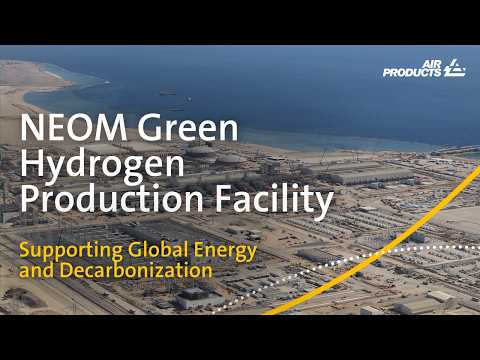
2020-luvulla yksi yhtiön suurimmista hankkeista on Saudi-Arabian NEOM-tulevaisuuskaupungissa sijaitseva maailmanluokan, uusiutuvalla energialla toimiva hiilettömän vetypohjaisen ammoniakin tuotantolaitos. Valmistuttuaan laitos vie vuosittain jopa 1,2 miljoonaa tonnia vihreää ammoniakkia ja tukee maailmanlaajuista energiantuotantoa ja hiilestä irtautumista. Hanke toteutetaan yhdessä saksalaisen Thyssenkrupp-konsernin (TKA.DE) kanssa. (lähde) (lähde) (lähde) (lähde)
Vuonna 2024 Air Products myi LNG-prosessiteknologia- ja laiteliiketoimintansa Honeywellille noin 1,8 miljardin dollarin käteiskaupalla (lue Honeywell-raporttimme linkistä). (lähde)
Käänne ja valtakirjakamppailu
Air Productsin vuosikymmenten kehitys kertoo tasaisesta kasvusta, mutta viime vuosia on leimannut voimakas yhtiön sisäinen valtataistelu. Aktivistisijoittaja Mantle Ridge käynnisti loppuvuonna 2024 aggressiivisen valtakirjakampanjan ja arvosteli yhtiön pääomavaltaista strategiaa.
Mantle Ridge katsoi, että miljardien sijoittaminen vielä todistamattomiin jättimäisiin vihreän vedyn hankkeisiin vaaransi oman pääoman tuoton suhteessa Linden kaltaisiin kilpailijoihin. Se arvosteli myös selkeän seuraajasuunnitelman puuttumista pitkäaikaisen toimitusjohtajan Seifi Ghasemin jälkeen.
Kiista ratkesi tammikuun 2025 yhtiökokouksessa, jossa Ghasemi menetti hallituksen määräysvallan. Helmikuussa 2025 hän poistui yhtiöstä, ja uudistettu hallitus nimitti teollisuuskaasualan veteraanin Eduardo Menezesin toimitusjohtajaksi. Menezesin tehtävänä on tasapainottaa yhtiön valtavat ja riskialttiit vihreän energian perintöhankkeet Wall Streetin tiukan pääomakurin kanssa. (lähde)
Air Products & Chemicals – Luvut
Air Products & Chemicals on kasvanut vakaasti perustamisestaan lähtien ja palvelee 85 vuotta myöhemmin 250 000 asiakasta yli 21 300 työntekijän voimin.
Yhtiöllä on yli 750 tuotantolaitosta 50 maassa ja yli 30 toimialalla.
Tuotantoa tukee myös tiheä, 1 800 mailin pituinen teollisuuskaasuputkisto. Vuonna 2025 yhtiö oli maailman suurin vedyn toimittaja.
Yhtiön liiketoimintamalli on pääomavaltainen, sillä laajan fyysisen infrastruktuurin rakentaminen ja käyttö vaativat rahaa, aikaa ja osaamista. Tämä näkyy taseen lähes 30 miljardin dollarin aineellisissa hyödykkeissä, kuten laitoksissa, rakennuksissa ja koneissa.
Vuonna 2025 yhtiö käytti investointeihin 5 miljardia dollaria ja sijoitti lisäksi 2,4 miljardia dollaria hanketta varten perustettuun NEOM Green Hydrogen Company -yhteisyritykseen (NGHC) tuotantolaitosten ja laitteiden lisäysten rahoittamiseksi. Air Products arvioi tilikauden 2026 investoinneiksi noin 4 miljardia dollaria.
Yhtiö on kasvattanut osinkoaan yhtäjaksoisesti yli 40 vuotta. Vuonna 2025 tätä tukivat 12 miljardin dollarin myynti ja 2,86 miljardin dollarin liikevoitto.
Vuonna 2025 oikaistu liikevoittomarginaali oli 23,7 % ja oikaistu sijoitetun pääoman tuotto 10,1 %, joten yhtiö on kannattava ja sen nettotulos positiivinen.
Muilla alueilla tehdyistä laajentumisista ja yritysostoista huolimatta Pohjois-Amerikka on edelleen yhtiön ydinmarkkina: Kanada ja Yhdysvallat tuovat 42 % myynnistä. Kaksi muuta päämarkkinaa ovat Eurooppa/MENA ja Kiina.

Lähde: Air Products & Chemicals
Air Products – Toimialat ja mallit
Yhtiön hyvin monipuolinen asiakaskunta tarjoaa hajautetun tulopohjan, joka todennäköisesti vaihtelee lähinnä maailmantalouden mukana. Suurimmatkaan asiakastoimialat, kuten energia, kemikaalit tai elektroniikka, eivät yksittäin muodosta yli viidennestä liikevaihdosta.

Lähde: Air Products & Chemicals
Liiketoimintamalli jakautuu tuotantopaikan ja omistusmallin mukaan. Osa kaasuista tuotetaan suoraan niitä käyttävällä teollisuuslaitoksella, kun taas muut valmistetaan keskitetyissä laitoksissa ja kuljetetaan loppukäyttäjälle.
Nestemäiset bulkkikaasut, kuten nestemäinen ilma, happi ja vety, ovat yhtiön suurin tuoteryhmä. Keskitettyjen tuotantolaitosten nestekaasu toimitetaan niistä asiakkaille.

Lähde: Air Products & Chemicals
Paikan päällä toimivat HyCO-laitokset tuottavat vetyä ja hiilimonoksidia erikseen tai yhdessä synteesikaasuna, ja ASU-ilmanerotuslaitokset erottavat ympäröivästä ilmasta hapen, typen ja argonin. Nämä ovat yhtiön seuraavaksi suurimmat palvelut ja muodostavat yhdessä 52 % liikevaihdosta.
Paikan päällä tapahtuva myynti on erittäin vakaata, sillä se perustuu vuosikymmenten mittaisiin toimitussopimuksiin, joissa energia- ja raaka-ainetoimitusten riskit on rajattu.
Nestemäisten bulkkikaasujen toimitukset perustuvat sen sijaan lyhyempiin, paikallisesta toimitusketjusta riippuviin sopimuksiin. Ne voivat olla nousukaudella kannattavampia mutta toimituskriiseissä tai alhaisten hintojen aikana riskialttiimpia.
Pakattu kaasu on tarkoitettu pienempiin määriin, kuten lyhyillä sopimuksilla toimitettaviin kaasupulloihin.
“Paikan päällä olevien kaasujen toimitustapa palvelee asiakkaita, jotka tarvitsevat suuria kaasumääriä ja joilla on suhteellisen vakaa kysyntä. Sekä nestebulkkien että pakkauskaasujen myynti ei sisällä vähimmäisostovaatimuksia, koska ne perustuvat sopimuksiin ja/tai tilausmääräyksiin, jotka heijastavat asiakkaan erityistarpeita.”

Lähde: Air Products & Chemicals
Tämä jaottelu paikan päällä ja nestebulkin välillä riippuu voimakkaasti maantieteestä. Aasiassa nestebulk on pienempi osa kokonaisliiketoimintaa, kun taas Euroopassa pakkauskaasu muodostaa 1/3 kokonaismyynnistä, kun taas muilla alueilla se on alle 5 %.

Lähde: Air Products & Chemicals
Air Products – Kaasut
Vety
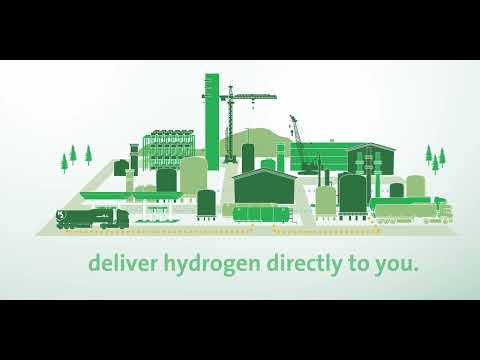
Kuten todettiin, Air Products on maailman suurin vedyn tuottaja. Nykyisen vedyn tavoin se valmistetaan pääosin maakaasua käyttämällä. Koska vetyä on tunnetusti vaikea varastoida ja kuljettaa, suurin osa tuotetaan käyttöpaikalla suoraan siellä, missä se kulutetaan.
Vetyä käytetään joko sellaisenaan tai yhdistetään hiilimonoksidiin synteesikaasun valmistamiseksi.
Nykyisin vetyä käytetään eniten öljynjalostamoissa vähärikkisten ja puhtaammin palavien liikennepolttoaineiden valmistukseen. Metalliteollisuus käyttää sitä metallioksidien pelkistämiseen ja hapettumisen estämiseen lämpökäsittelyssä.
Puolijohde- ja lasiteollisuudessa vetyä käytetään pelkistävien olosuhteiden luomiseen ja hapettumisen estämiseen.
Kemian-, lääke- ja elintarviketeollisuudessa hydrausprosesseilla yhdistetään vetymolekyylejä muihin yhdisteisiin, kuten öljyihin ja rasvoihin, ja pidennetään siten tuotteiden säilyvyyttä.

Lähde: Air Products & Chemicals
Kaksi uutta vedyn sovellusta nousee esiin, joilla on lopulta paljon suurempi potentiaali kuin koko nykyinen vedyn markkina:
- Metallurgia, jossa “vihreä teräs” korvaa koksi‑hiilen vedyllä, ja vihreä alumiini, jossa se korvaa maakaasun.
- Polttoaineena, joko suoraan polttokennoissa tai muodossa vihreä ammoniakki.
Happi
Maapallon helpoimmin saatavilla olevana hapettavana kaasuna happea käytetään monissa teollisuusprosesseissa, kuten palamisessa, hapetuksessa, käymisessä, jätevedenkäsittelyssä ja vesiviljelyssä.
Happea käytetään polttokaasujen tai argonin (Ar) ja hiilidioksidin (CO₂) kanssa myös metallien leikkaamiseen, hitsaamiseen, talttaukseen, karkaisuun, puhdistukseen ja sulatukseen.
Elintarviketeollisuudessa happi auttaa säilyttämään punaisen lihan tuoreen luonnollisen värin.
Sitä käytetään tietenkin myös hengityksen tukijärjestelmissä lentokoneissa, sairaaloissa ja muualla.

Lähde: Air Products & Chemicals
Hiilidioksidi ja hiilimonoksidi
Hiilimonoksidia (CO) käytetään raaka-aineena valmistettaessa kemikaaleja etikkahaposta polykarbonaatteihin ja polyuretaanin välituotteisiin. Sitä päätyy näin kemikaaleihin, muoveihin, pesuaineisiin ja muihin tuotteisiin.
Koska hiilimonoksidi on ihmisille erittäin myrkyllistä, sitä saavat käsitellä asiantuntijat. Siksi useimmat asiakkaat antavat Air Productsin hoitaa tuotannon, varastoinnin ja jakelun.
Hiilidioksidia (CO₂) käytetään kryogeenisenä aineena poistamaan lämpöä ja säätelemään tuotteen ja prosessin lämpötilaa taloudellisesti ja tarkasti elintarvikkeiden jäähdytyksessä ja pakastuksessa sekä laadun ja säilyvyyden ylläpitämisessä. Lisäksi sillä luodaan yhdenmukainen aromi, hiilihappoisuus ja maku alkoholijuomiin ja alkoholittomiin juomiin.
Hiilidioksidi voi myös tehostaa kasvihuonekasvien kasvua, ja se on sellu- ja paperitehtaiden, teollisuuslaitosten sekä kunnallisten vedenpuhdistamojen vedenkäsittelyssä happoja ja kemikaaleja turvallisempi ja edullisempi vaihtoehto.

Lähde: Air Products & Chemicals
Erikois‑ ja harvinaiskaasut
Argon on palamaton kaasu, joka muodostaa 0,9 % maapallon ilmakehästä. Metalliteollisuudessa sitä käytetään puhtaana kaasuna metallien tuotannossa, käsittelyssä ja valmistuksessa suojaukseen, peittämiseen ja hehkutukseen.
Kemiallinen inerttiys tekee argonista suositun myös lasiteollisuuden kaksoislaseissa, elintarviketeollisuudessa hapen poistamisessa viinitynnyreistä sekä analyysilaboratorioissa kaasukromatografian kantajakaasuna ja 3D-tulostuksen jäähdytysaineena.

Lähde: Air Products & Chemicals
Muita hyvin harvinaisia kaasuja, kuten neonia, kryptonia ja ksenonia, voidaan erottaa kaupallisesti vain suurissa ilmanerotuslaitoksissa, jotka tuottavat yli 1 000 tonnia happea päivässä. Tämä suosii Air Products & Chemicalsin kaltaisia suuryrityksiä. Kaasuja käytetään monissa kapeissa mutta tärkeissä kohteissa:
- Ionisyräke satelliiteille ja avaruusluotaimille (xenon).
- Laser (krypton ja neon).
- Double and triple-insulated windows (krypton + xenon).
- Electronics like optical readers and wafer dicing (neon + helium).
Kirkkaan valkoinen valo ja pitkäikäiset hehkulamput (krypton), valomainokset (neon) sekä erittäin kirkkaat sovellukset, kuten stadionit, autojen HID-ajovalot ja IMAX-teatterit (ksenon).
Elintarvikelaatuista typpeä käytetään erittäin nopeaan pakastamiseen nestemäisenä typpenä tai suojakaasupakkauksiin hapettavan hapen tai kosteuden poistamiseksi. Kaasulla voidaan myös muodostaa elintarvikkeisiin kuplia vaahdottamalla ilman hapettumista.
Helium
Helium on maailmankaikkeudessa hyvin yleinen mutta maapallolla erittäin harvinainen alkuaine, jota on ympäröivässä ilmassa alle 0,001 %. Maakaasussa sitä voi kuitenkin olla 0,1 %, koska maakaasu kerää maankuoren raskaiden alkuaineiden, erityisesti uraanin ja toriumin, luonnollisesta radioaktiivisesta hajoamisesta syntyvää heliumia.
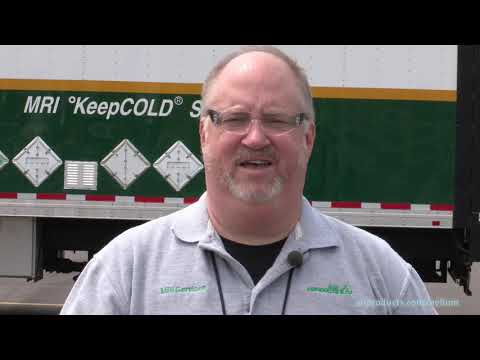
Vaikka helium on argonin tavoin inertti jalokaasu, sen harvinaisuuden vuoksi sitä käytetään ennen kaikkea nestemäisen heliumin äärimmäisen alhaisen lämpötilan vuoksi (< -269 °C / -452,20 °F). Näin materiaaleista voidaan tehdä suprajohtavia esimerkiksi magneettikuvauksen (MRI), ydinmagneettisen resonanssispektroskopian (NMR) ja hiukkasfysiikan tutkimuksen voimakkaissa magneeteissa.
Kaasumaisena heliumia käytetään myös inerttinä suojakaasuna metalli- ja laserhitsauksessa. Suuren lämmönjohtavuuden ansiosta se siirtää lämpöä tehokkaasti jäähdytysaineena valokuitu- ja elektroniikkateollisuudessa. Analyysilaboratorioissa se toimii kaasukromatografian kantajakaasuna ja monilla toimialoilla vuotojen havaitsemiskaasuna.

Lähde: Air Products & Chemicals
As helium comes from natural gas production, the world is preparing for potential serious helium shortages in the aftermath of the bombing of Iranian and Qatari gas processing facilities in the Middle East.
Kaikkiaan kolme lähdettä tuotti 75 % maailman heliumista, ja Qatar yksin vastasi 35 %:sta. Qatarin laitokset ovat vaurioituneet pahoin, ja normaalitilaan palaamisen arvioidaan kestävän useita vuosia, vaikka pommitukset loppuisivat heti.
Air Products tuottaa suurimman osan heliumistaan turvallisissa yhdysvaltalaisissa laitoksissa sekä osan Algeriassa ja Qatarissa, joten nykyinen kriisi voi muuttua yhtiölle mahdollisuudeksi. Se omistaa Yhdysvalloissa myös erityisen heliumvarastoluolan, joka tarjoaa vahvan toimituspuskurin.

Lähde: Air Products & Chemicals
Yhtiö voisi kasvattaa nopeasti asemaansa heliummarkkinoilla etenkin Aasiassa, jossa tekoälybuumin vauhdittamaa puolijohdetuotantoa uhkaa heliumpula.
Koska elektroniikkateollisuus tuskin on kovin hintaherkkä niin kauan kuin tekoälysirujen tuotanto jatkuu, tilanne voi tuoda odottamattoman hyödyn yhtiön heliumliiketoiminnalle ja sen varastojen arvolle.
Air Products & Chemicals – Tulevaisuus
NEOM
Mahdollisen heliumbuumin lisäksi Air Products kehittää useita megahankkeita. Ensimmäinen on jo mainittuun NEOM-hankkeeseen kuuluva maailman suurin vety- ja ammoniakkilaitos. Iranin sota voi kuitenkin vaarantaa hankkeen.
Voit lukea lisää maailman suurimmasta puhtaan polttoaineen keskuksesta, jossa on 2,2 GW:n arvoiset elektrolyysilaitteet, artikkelissamme, joka on omistettu tälle aiheelle.
Louisianan puhtaan energian kompleksi
Hanke voisi nousta Yhdysvaltain johtavaksi vähähiilisen vedyn ja ammoniakin tuotantolaitokseksi ja palvella Meksikonlahden rannikon sekä maailman teollisuusmarkkinoita.
Laitos ottaa talteen ja varastoi pysyvästi 95 % hiilidioksidipäästöistään, yli viisi miljoonaa tonnia vuodessa, Louisianan soveltuviin geologisiin huokostiloihin.
Se olisi myös Air Productsin suurin investointi Yhdysvalloissa ja maailman suurin pysyvään varastointiin tarkoitettu hiilidioksidin talteenottohanke.

Lähde: Air Products & Chemicals
Under a 25-year offtake agreement, Air Products will supply hydrogen to fertilizer-producer Yara (YAR.OL) to produce 2.8 million tons of low-carbon ammonia annually. Yara will also commercialize and distribute renewable ammonia globally from Air Products’ facilities in Saudi Arabia.
Kanadan nettonollapäästöjen vetyenergia‑kompleksi
Hankkeen tavoitteena on parantaa teollisen vedyn tuotannon hiilidioksidin talteenottoa. Perinteisellä höyrymetaanireformoinnilla (SMR) vain noin 55 % päästöistä voidaan ottaa talteen kustannustehokkaasti.
Sen sijaan kehittynyt autoterminen reformointi (ATR) mahdollistaa yli 90 %:n kustannustehokkaan talteenoton ja turvallisen pysyvän varastoinnin maan alle.
Laitos integroidaan Imperial Oil Limitedin uuteen uusiutuvan dieselin tuotantolaitokseen. Imperial valmistaa uusiutuvaa dieseliä paikallisista öljyttömistä raaka-aineista. Prosessin biogeeninen uusiutuva poistokaasu (ROG) käytetään Air Productsin vetykompleksin raaka-aineena fossiilisen maakaasun sijasta. (IMO )
Yhteenveto
Air Products & Chemicals kuuluu maailman suurimpiin teollisuuskaasujen tuottajiin, ja sillä on erityisen vahva asema Yhdysvalloissa, Kanadassa ja eräissä niiden läheisissä liittolaismaissa, kuten Saudi-Arabiassa.
Yhtiön asema on erityisen vahva vedyssä, jossa se on maailman suurin tuottaja juuri kaasun muuttuessa teollisuusprosessien raaka-aineesta tärkeäksi energiavarastoksi, polttoaineeksi ja hiilen sekä maakaasun vaihtoehdoksi. Tulevat markkinat voivat olla moninkertaiset nykyisiin nähden, ja Air Products tavoittelee muutosta aktiivisesti, mikä tekee siitä mahdollisen vihreän vedyn osakkeen.
Air Products on vahva myös hapen, typen, hiilimonoksidin, hiilidioksidin ja muiden kaasujen markkinoilla. Ne tuovat vakaata liikevaihtoa ja tulosta sekä mittakaavaetuja suunnitteluun, tutkimukseen ja kaasunkäsittelylaitteiden hankintaan.
Yhdysvaltain heliumtuotanto voi lisäksi hyötyä Iranin sodasta ja mahdollisesti korvata saman geopoliittisen levottomuuden aiheuttamaa Saudi-Arabian investointien hidastumista.
Yhtiö on kokonaisuutena keskeinen toimittaja teollisuuslaitoksille eri puolilla maailmaa. Se voi osoittautua ratkaisevaksi Pohjois-Amerikan uudelleenteollistamisessa ja muovi-, metalli-, elintarvike- ja puolijohdeteollisuuden vakaan toimitusketjun turvaamisessa.
Air Products & Chemicals (ADP) – Viimeisimmät kehitykset



