
Landwirtschaft
Warum die Landwirtschaft der größte Produktivitätsgewinner für KI sein könnte

 Securities.io zu deinen bevorzugten Quellen auf Google hinzufügen

Wenn man die Auswirkungen von KI auf die Wirtschaft diskutiert, konzentriert sich die öffentliche Debatte meist auf IT‑bezogene Jobs (Programmierung, digitale Künstler usw.), akademische Berufe (Anwälte, Ärzte) oder die wissenschaftliche Forschung. Dabei könnten jedoch wichtige Anwendungsbereiche übersehen werden, die ganze Branchen transformieren werden.
Im Allgemeinen wird KI die Produktivität dort am stärksten steigern, wo sie physische Inputs direkt optimieren, Menschen bei repetitiven Entscheidungen ersetzen und die Ressourcenzuteilung verbessern kann. Sie wird zudem in Umgebungen gedeihen, die komplex genug sind, um noch nicht automatisiert zu sein, aber nicht so komplex, dass ein höheres Maß menschlicher Intelligenz weiterhin erforderlich ist.
Eine aktuelle Studie von zwei Forschern des Korea Advanced Institute of Science and Technology und der Hana Financial Group (Südkorea) untersuchte den Zusammenhang zwischen KI‑Durchdringung und der Leistung auf Branchenebene.
Sie stellte fest, dass KI zwar die wertschöpfende Leistung in Produktion, Fertigung und Transport signifikant beeinflusst, jedoch den stärksten positiven Effekt in der Landwirtschaft hat.
Sie veröffentlichten ihre Ergebnisse in der Fachzeitschrift International Review of Economics & Finance1, unter dem Titel „Künstliche Intelligenz und Produktivitätsgewinne: Eine empirische Analyse der Branchenheterogenität“.
KI & Produktivität
KI nach Branche
Seit der öffentlichen Einführung von ChatGPT wird KI in zahlreichen Branchen eingesetzt, in der Hoffnung, Produktivitätsgewinne zu realisieren und frühen Anwendern einen Wettbewerbsvorteil zu verschaffen.
Allerdings ist es schwierig, das Tempo der Einführung und ihre Wirkung genau zu messen. Historisch war ein Anstieg der Investitionen in Informations- und Kommunikationstechnologie um 10 % mit einem Produktivitätszuwachs von 0,5 bis 0,6 % verbunden. Wie hoch der endgültige Wert speziell bei KI ausfallen wird, ist noch offen.
Bisher wurde KI vor allem in Dienstleistungsfunktionen eingesetzt, etwa bei der Kundenbetreuung in Echtzeit sowie bei Diagnose und Überwachung im Gesundheitswesen.
Bei körperlichen Tätigkeiten liegen die wichtigsten Anwendungen bislang in der Fertigung. Dort unterstützen KI-gestützte intelligente Fabriken die vorausschauende Wartung und die Betriebsoptimierung und sorgen so für Kostensenkungen und Effizienzgewinne.
In traditionellen Branchen wie Chemie und Papier verläuft die KI-Einführung bislang deutlich langsamer. Gründe dafür sind fehlende klare Digitalstrategien, Fachkräftemangel, kultureller Widerstand, geringes Verbrauchervertrauen und regulatorische Unsicherheit.
KI‑Produktivitätsdatensatz
Die Forscher sammelten für den Zeitraum 2010 bis 2019 Daten aus einem Panel von 103 Ländern. Länder wurden vor allem dann ausgeschlossen, wenn nicht genügend Daten vorlagen.
Daten zur Bruttowertschöpfung nach Art der Wirtschaftstätigkeit stammten aus UN Data und dienten als Hauptvariable zur Erfassung der Wirtschaftsleistung verschiedener Sektoren und Länder.
Daten zu ausländischen Direktinvestitionen, Bruttonationalausgaben, Inflation, Erwerbsbeteiligung und Handel stammten aus den World Development Indicators (WDI). Außerdem nutzten die Forscher Werte des Menschenrechtsindex von Our World in Data.
Daten zur Zahl KI-bezogener Start-ups wurden aus Crunchbase erhoben. Sie zeigen, dass die Gründungen in diesem Datensatz 2017 ihren Höhepunkt erreichten und die KI-bezogene Gründungsaktivität Mitte der 2010er-Jahre insgesamt deutlich zunahm.

KI‑gesteuerte Produktivität nach Branche
Die Forscher stellten fest, dass KI in der Landwirtschaft den stärksten positiven Zusammenhang mit der Leistung aufwies, während der Zusammenhang im Baugewerbe statistisch nicht signifikant war.
Weitere Branchen mit messbarer KI-Wirkung waren Fertigung, Produktion und Verkehr.
(Es sollte auch beachtet werden, dass dieselbe Analyse mit Daten für den Zeitraum 2019‑2025 interessant wäre, angesichts des schnellen Fortschritts der KI‑Technologie)
Ein wahrscheinlicher Grund für die starke Wirkung in der Landwirtschaft ist, dass die Branche bereits in erheblichem Maße automatisiert ist. Gegenüber der Situation vor einem Jahrhundert ist sie wesentlich stärker mechanisiert: Traktoren, automatische Bewässerung, Melksysteme und andere Geräte verringern den Bedarf an Handarbeit.
Zugleich fallen viele dieser landwirtschaftlichen Aufgaben in Kategorien, die KI bereits bewältigen kann, darunter Fahren, Sprühen und Unkrautbekämpfung.
Hinzu kommt, dass die Landwirtschaft in den vergangenen zwei Jahrzehnten auf neue Methoden umgestellt, deutlich mehr Daten erzeugt und gelernt hat, danach zu handeln: multispektrale Satellitenbilder, chemische Bodenzusammensetzung, Optimierung von Pestiziden und Herbiziden, Maschinenauslastung und Personalmanagement.
KI kam somit genau zur richtigen Zeit, um diese Daten zu nutzen und sie über zwei Mechanismen stärker in konkrete Maßnahmen umzusetzen:
- Landwirten helfen, ihre Daten besser zu verstehen und effizient zu nutzen.
- Direkt auf den Feldern durch Computer Vision, autonomes Fahren, Unkrauterkennung, Drohnen und robotische Systeme unterstützen.
Investor‑Erkenntnisse
Viele Anlagestrategien müssen heute die bevorstehenden Auswirkungen der KI-Revolution berücksichtigen. Häufig bedeutet dies, mögliche Schäden für eine bestimmte Tätigkeit oder ein Geschäftsmodell im Blick zu behalten. KI kann die Produktivität jedoch auch drastisch steigern – offenbar in kaum einer Branche stärker als in der Landwirtschaft.
Dies ist ein gutes Beispiel für eine entstehende Anlagethese rund um physische KI: Der Einsatz von KI in realen Anwendungen wirkt sich unmittelbar auf die Produktivität eines gesamten Wirtschaftssektors aus.
Anleger sollten daher erwarten, dass der gesamte Sektor produktiver und potenziell profitabler wird, zumindest für Anbieter branchenspezifischer KI-Systeme und von Maschinen, die KI-gestützte Entscheidungen auf die Felder bringen.
Solche Anwendungen erfordern tiefes branchenspezifisches Fachwissen und ein solides Vertriebsnetz mit bestehenden Kontakten zu Landwirten. Davon dürften Maschinenhersteller profitieren, die KI in ihre Geräte integrieren und unter realen Bedingungen effizient einsetzen können, insbesondere wenn dadurch teure Betriebsmittel eingespart werden.
Investieren in KI für die Landwirtschaft
Deere & Company
DE Preisdiagramm
John Deere ist vor allem als Hersteller der ikonischen grün‑gelben Traktoren, Mähdrescher und anderer landwirtschaftlicher Geräte bekannt.
Weniger der breiten Öffentlichkeit bekannt ist, dass John Deere auch ein Technologieunternehmen ist, das seit langem in Sensoren und Software investiert und Pilotprojekte zur Nutzung von KI, Robotik, Drohnen und maschinellem Sehen in der Landwirtschaft betreibt.
Fast zwei Jahrhunderte nach seiner Gründung (1837) hat das Unternehmen stets die neuesten Innovationen in der Landwirtschaft vorangetrieben – vom verbesserten Pflugblatt bis zu den ersten Traktoren. Kürzlich hat das Unternehmen seine F&E‑Ausgaben erhöht und fokussiert sich dabei auf einige technologische Schwerpunkte: Sensoren, Konnektivität, Autonomie und alternative Energie.

Quelle: John Deere
Zum Beispiel nutzt das 2021 eingeführte System See & Spray Ultimate 36 Kameras, um Nutzpflanzen von Unkraut zu unterscheiden und den Herbizideinsatz durch Computer Vision und maschinelles Lernen zu optimieren.
Oder das John Deere Operations Center, ein digitaler Zwilling eines Bauernhofs, der Händlern Fernwartung, Programmierung und Over‑the‑Air‑Updates ermöglicht.

Quelle: John Deere
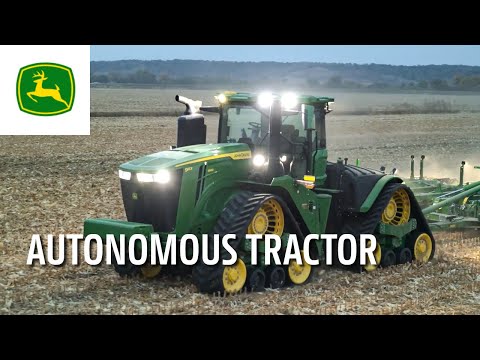
Im Bereich Autonomie arbeitet John Deere zudem daran, die automatisierten Mähdrescher aus dem Science‑Fiction‑Film Interstellar zur Realität zu machen. John Deere brachte 2022 seinen ersten vollautonomen Traktor auf den Markt, eine fahrerlose Version seines 8R‑Reihentraktors. Er orientiert sich dank GPS und sechs Paaren Stereo‑Kameras an einer 360‑Grad‑Hinderniserkennung und Navigation. Diese Markteinführung folgte der Übernahme des Start‑ups Bear Flag Robotics für 250 Mio. $ durch Deere.
Zuletzt treibt das Unternehmen die Elektrifizierung voran, insbesondere durch die Einführung eines elektrischen Baggers, der eine Kreisel‑Batterie nutzt, ein österreichisches Unternehmen, an dem Deere 2022 die Mehrheitsbeteiligung erworben hat im Jahr 2022. Deere arbeitet außerdem an der Entwicklung eines 9‑Liter‑Ethanol‑Verbrennungsmotors, um Biokraftstoff für schwere Maschinen wie Mähdrescher zu nutzen.
Da KI und maschinelles Sehen immer effizienter und intelligenter werden, können Unternehmen wie John Deere die Effizienz ihrer kamera‑ und sensorintensiven Traktoren weiter steigern.
John Deeres Vorteil gegenüber generischen KI‑Unternehmen liegt in seinem Händlernetzwerk und seiner tiefen Erfahrung in der Landwirtschaft, was es ihm ermöglicht, diese Technologie in nützlichen, kosteneffizienten Anwendungen zu implementieren, indem bestehende Beziehungen zu Landwirten genutzt werden.
Dennoch sollten Investoren bedenken, dass Deere ein zyklischer Gerätehersteller bleibt. Die Einführung von KI kann seine Wettbewerbsposition stärken und technologie‑bezogene Einnahmen wie Software‑Abonnements erhöhen, doch Einkommen der Bauern, Erntepreise, Zinsen und Ersatzzyklen von Maschinen werden weiterhin das Ergebnis beeinflussen.
Es ist auch möglich, dass kleinere, agilere Start‑ups oder ausländische Konkurrenz die laufende KI‑ und Robotik‑Revolution in der Landwirtschaft nutzen, um die Position etablierter Marktteilnehmer wie John Deere herauszufordern.
Neueste Nachrichten und Entwicklungen zu Deere & Company (DE) Aktien
Studie Referenziert
1. Eunjung Park and Sangyoon Yi. Künstliche Intelligenz und Produktivitätsgewinne: Eine empirische Analyse der Branchenheterogenität. International Review of Economics & Finance. 22 August 2026. Artikel: 105726. 10.1016/j.iref.2026.105726



