
Biotecnologia
Top 5 Empresas Públicas de Biologia Sintética (outubro 2026)

 Adicione Securities.io às suas fontes preferidas no Google

Um Guia sobre Biologia Sintética
A biologia sintética é o método de reprojetar organismos para lhes conferir propriedades novas e úteis. Ela vai além da edição de genoma, que geralmente consiste apenas em reparar ou alterar um ou dois genes.
A biologia sintética envolve a adição de sequências muito longas de material genético ou até a criação de genes totalmente novos a partir do zero. Você pode ler mais sobre essa tecnologia neste artigo ou assistir este vídeo rápido.
A biologia sintética pode até envolver a geração artificial do genoma inteiro de um organismo, como já foi feito com vírus, bactérias e até leveduras mais complexas, começando a partir de uma bactéria artificial criada pelo J. Craig Venter Institute. O campo emergente de criação de estruturas celulares totalmente novas, por exemplo, adicionando organelas ou novas bases de DNA em seu código genético, também será considerado biologia sintética.
Devido aos seus métodos mais ambiciosos, a biologia sintética tem o potencial de resolver problemas que a edição de genes “simples” simplesmente não pode. Se você está interessado em aprender mais sobre este campo e acompanhar os desenvolvimentos recentes, a página de notícias da Synbiobeta sobre notícias da indústria de biologia sintética é para você.
Seleção das 5 Principais Empresas de Biologia Sintética
Esta lista das cinco principais empresas foi elaborada com base nos critérios abaixo.
(Isto não constitui aconselhamento de investimento. A ordem segue a avaliação de mercado e pode não refletir a qualidade relativa das empresas.)
- Ter ações negociadas em bolsa.
- Atuar de forma ativa, exclusiva ou predominante no campo da biologia sintética, o que exclui grandes empresas presentes no setor, mas sem foco central nessa área.
- Ter um bom histórico de inovação no setor.
- Ter um bom histórico de desenvolvimento bem-sucedido de produtos, já comercializados ou licenciados, ou apoiados por parceiros de reputação reconhecida.
- Apresentar perspectivas razoáveis de comercializar um produto resultante dos atuais esforços de P&D.
5. LanzaTech Global
LNZA Gráfico de preços
Embora a redução das emissões de carbono por meio, por exemplo, do uso de energia solar possa ajudar, algumas emissões continuarão ocorrendo. Por isso, também é necessário capturá-las e transformá-las em produtos úteis. Esse é o objetivo da Lanza, que pretende fazer isso com biologia sintética e carbono proveniente de diversas fontes, desde emissões industriais e resíduos até a própria atmosfera.

Fonte: Lanza
Uma tecnologia importante da Lanza é a produção de biocombustíveis neutros em carbono ou que capturam carbono, especialmente o etanol, que pode ser usado na aviação, em combustíveis para veículos ou convertido em plásticos, polímeros e têxteis. Agora, isso também inclui o etileno, por meio do projeto SECURE do Departamento de Energia dos EUA, uma iniciativa de US$ 200 milhões em parceria com a Technip para produzir 30.000 toneladas anuais de etileno a partir de carbono capturado.
A Lanza está se transformando gradualmente em uma incubadora de empresas de biologia sintética e economia circular. Em 2020, lançou a LanzaJet para comercializar combustível sustentável de aviação. A Microsoft (MSFT ) investiu na empresa, que firmou parcerias com British Airways, Virgin Atlantic e All Nippon Airways.
Em breve, a Lanza pretende lançar da mesma forma a LanzaX, seu segmento de biologia sintética. Ao final, a LanzaTech deterá 50% da LanzaX, e o restante ficará com a Tharsis Capital e outros investidores.

Fonte: Lanza
A LanzaX se concentrará em compostos de alto valor, como fragrâncias e produtos químicos especiais, produzidos com microrganismos geneticamente modificados proprietários (microrganismos C1) e fermentação de gases ricos em carbono em biorreatores.

Fonte: Lanza
Por fim, a Lanza também explora a produção sintética de proteínas para alimentos. A produção de etanol já gerou 25.000 toneladas de subprodutos proteicos até o momento. Desde então, foi desenvolvido um novo processo, com novos microrganismos, voltado especificamente à produção de proteínas. A produção-piloto foi bem-sucedida em 2023, e o caminho até a escala comercial deve levar à primeira produção em massa de 260 toneladas anuais em 2026 e de 30.000 toneladas anuais em 2028.

Fonte: Lanza
A Lanza ainda busca alcançar a lucratividade, apesar do rápido crescimento de sua receita. Assim, os investidores terão de apostar que a ampliação da produção de etanol e etileno, a produção comercial de proteína de célula única e a cisão da LanzaX, com a entrada de novo capital nesse braço do grupo, ajudarão a melhorar as finanças da empresa.
4. Codexis
CDXS Gráfico de preços
A empresa se concentra em uma classe muito específica de proteínas: as enzimas. Essas proteínas podem fazer com que reações químicas ocorram, ou seja, catalisá-las, quando de outra forma seriam impossíveis ou muito lentas.
O objetivo da Codexis é substituir processos químicos por processos bioquímicos conduzidos por enzimas. Ela usa aprendizado de máquina para criar milhares de variantes de enzimas e otimizar seu desempenho, seja em produtividade, especificidade, estabilidade ou concentração no organismo hospedeiro. Depois, pode oferecer enzimas personalizadas a fabricantes industriais.
Uma dessas aplicações é a produção para ciências da vida, especialmente genômica e síntese de DNA e RNA (mRNA e siRNA). As terapias de RNA recebem cada vez mais aprovações da FDA — a sétima terapia de siRNA foi aprovada em 2025 —, mas sua produção em escala industrial para tratar pacientes é cara, poluente e complexa.
A plataforma ECO Synthesis da Codexis poderia viabilizar essa produção com 70% menos investimento de capital e em 50% menos tempo.

Fonte: Codexis
Anteriormente, a Codexis também desenvolvia terapias de edição genética em parceria com a Takeda, mas esses programas foram vendidos em troca de possíveis royalties futuros, para que a empresa pudesse voltar seu foco à plataforma ECO Synthesis para RNA.
“Com uma mudança mais ampla em favor de soluções de fabricação enzimática e iniciativas recentes para internalizar a produção, o lançamento da nossa tecnologia ECO Synthesis ocorre em um momento bastante oportuno.
Mostramos como nossa tecnologia pode solucionar algumas limitações dos métodos atuais de síntese química, incluindo etapas intensivas de purificação e a falta de controle sobre a estereoquímica.”
Stephen Dilly, MBBS, PhD, presidente do conselho e diretor executivo da Codexis
3. Precigen
PGEN Gráfico de preços
A empresa atua na edição genética humana e desenvolve células modificadas para tratar pacientes. Um exemplo são glóbulos brancos modificados para combater tumores o mais rápido possível com a terapia celular UltraCAR-T, que pode ser preparada em apenas um dia, em vez das quatro semanas normalmente exigidas por outros tipos de terapia CAR-T (há quatro ensaios clínicos, todos em estágio pré-clínico ou de fase 1).

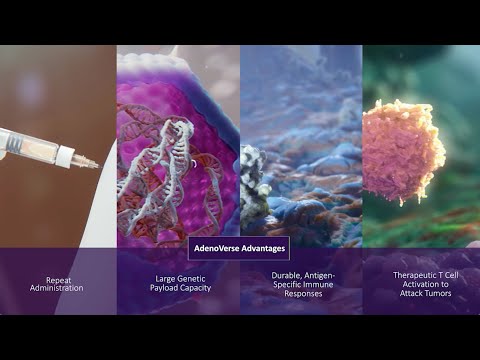
A outra plataforma tecnológica central é a Adenoverse, capaz de transportar uma carga genética muito maior do que outros vetores virais para terapia genética (12 quilobases, contra 2 a 5 quilobases), além de apresentar eficiência muito superior em tratamentos repetidos.
Essa inovação de plataforma está dando resultados, com vacinas terapêuticas para doenças relacionadas ao papilomavírus humano sendo desenvolvidas a partir dela. Uma delas, destinada à papilomatose respiratória recorrente (PRR), está em processo de aprovação pela FDA e deve chegar ao mercado dos Estados Unidos pela primeira vez em 2025.

Fonte: Precigen
Essa doença, que até então não dispunha de tratamento, afeta até 27.000 pacientes nos Estados Unidos e mais de 125.000 no mundo.
A Precigen está deixando de ser uma empresa experimental de biologia sintética, voltada à produção de células imunes e vírus profundamente modificados, para se tornar uma empresa de biotecnologia com uma terapia comprovada e aprovada, capaz de gerar fluxo de caixa significativo.
A aprovação do tratamento para PRR também valida a abordagem geral da empresa, concentrada em vetores únicos e biologia sintética para solucionar casos médicos que normalmente não podem ser tratados por métodos convencionais.
2. Ginkgo Bioworks
DNA Gráfico de preços
A empresa produz organismos sob demanda para aplicações específicas, incluindo usos biomédicos e programas de ciências industriais e de materiais.
Ela também possui um grande segmento de biossegurança, que cresceu muito durante a pandemia. Na maioria dos casos, alguma forma de evolução dirigida é usada na produção e seleção dos produtos da Ginkgo, assim como técnicas avançadas de engenharia genética.
A Ginkgo Bioworks (DNA ) diversificou amplamente suas aplicações, com muitos programas de pesquisa e parcerias:
- Canabinoides
- Microrganismos programáveis para doenças intestinais
- Biorremediação de microplásticos
- Reciclagem de resíduos e contaminantes
A empresa obtém receita ao receber primeiro um pagamento antecipado pelo processo de desenvolvimento e, depois, royalties sobre o produto final.
As parcerias da Ginkgo continuam se expandindo e incluem:
- Uma parceria crescente com a Novo Nordisk.
- Uma parceria com a trading japonesa Sojitz Corporation.
- Financiamento da DARPA para novas proteínas capazes de controlar o gelo em ambientes de frio extremo.
- Um acordo de US$ 490 milhões com a Merck para otimizar a fabricação de produtos biológicos.
- Um acordo de US$ 406 milhões com a Boehringer Ingelheim para alvos considerados intratáveis.
A Ginkgo Bioworks também mantém parcerias com todas as grandes empresas agrícolas, muitas das quais têm interesses na produção de biocombustíveis e na microbiologia. Entre elas estão Bayer, Cargill, Syngenta, Corteva, ADM, Exacta e outras.

Fonte: Ginkgo Bioworks
A experiência da Ginkgo em projetos personalizados de sequências genéticas, organismos e processos de seleção, além do monitoramento de biossegurança, faz dela uma fornecedora importante para qualquer setor que pretenda usar enzimas e anticorpos em aplicações específicas.
Como prestadora de serviços, a Ginkgo está bem posicionada para se beneficiar do crescimento do setor como um todo.
Seu modelo de negócios está evoluindo, com várias opções possíveis para o futuro. Uma delas seria migrar para uma direção mais voltada a equipamentos, movimento já iniciado com a venda de laboratórios automatizados a pesquisadores, depois de a empresa ter operado diretamente a maior parte dessas instalações.
Outra possibilidade seria a Ginkgo ampliar a fabricação por contrato de bioprodutos em escala. Sua experiência em biociências, projeto de equipamentos laboratoriais e otimização da produção para gigantes como a Merck lhe confere credenciais sólidas para seguir esse caminho.
Por fim, também cabe observar que os ativos da empresa, como laboratórios automatizados avaliados em bilhões de dólares, estão fortemente descontados em relação à sua atual capitalização de mercado.
Você também pode conhecer a empresa em mais detalhes no relatório dedicado: “Ginkgo Bioworks (DNA): Construindo Vida Sob Demanda”.
1. Twist Biosciences
TWST Gráfico de preços
A empresa é especializada em síntese de DNA e aplica métodos de miniaturização da indústria de semicondutores à produção de sequências genéticas, economizando tempo e dinheiro dos pesquisadores.
Essa miniaturização nos permite reduzir o volume das reações em um fator de 1.000.000 e, ao mesmo tempo, aumentar a capacidade de processamento em um fator de 1.000, possibilitando a síntese de 9.600 genes em um único chip de silício em escala plena.
Essa tecnologia permite à empresa produzir material genético de forma extremamente rápida e econômica para aplicações como “leitura” (NGS, ou sequenciamento de nova geração), “escrita” (produção de DNA e RNA) e descoberta e produção de anticorpos.

Fonte: Twist Biosciences
A Twist desenvolveu uma tecnologia de armazenamento de dados em DNA que pode preservar dados independentemente de sistemas eletrônicos, com bilhões de terabytes de informações digitais armazenados em moléculas de DNA que exigem pouca energia e sofrem perdas mínimas. A iniciativa agora está sendo desmembrada na Atlas Data Storage (DTST ), que acaba de captar US$ 155 milhões em uma rodada de financiamento semente.
“A oportunidade de criar um meio de armazenamento inteiramente novo não aparece com frequência. Na Atlas Data Storage, somos pioneiros no uso de DNA para armazenamento de alta capacidade.
O DNA permite um armazenamento de dados altamente escalável, ultradenso, seguro e permanente, e seu potencial para transformar o setor é enorme. A Atlas tem a equipe e a tecnologia certas para concretizar essa promessa.”
Varun Mehta, diretor executivo da Atlas Data Storage.
A empresa ainda não é lucrativa, mas sua receita cresceu rapidamente, de apenas US$ 11,5 milhões em 2019 para US$ 93 milhões em 2025. Como 75% a 80% do crescimento incremental da receita é incorporado à margem bruta, a expansão futura deverá ajudar a empresa a depender menos da captação de capital.
Como Montar uma Carteira de Biologia Sintética
Como já mencionado, isto não constitui aconselhamento de investimento. Ainda assim, algumas informações adicionais podem ajudar você a incorporar a biologia sintética a uma carteira de investimentos.
Em primeiro lugar, todas as empresas deste setor são extremamente inovadoras em uma área que muda rapidamente. Isso exige cautela com qualquer projeção futura. Um campo ou uma tecnologia promissora hoje pode se tornar obsoleta poucos anos depois. Ao mesmo tempo, oportunidades novas e imprevistas podem melhorar radicalmente a tese de investimento.
De todo modo, isso significa que investir neste setor exige acompanhamento atento do desenvolvimento científico, dos ensaios clínicos, quando pertinentes, e das tendências comerciais. Em geral, é preferível escolher empresas muito concentradas em poucos mercados ou que dominem uma tecnologia específica e diferenciada. Em uma área de extrema complexidade técnica, o foco é fundamental.
Investidores conservadores podem preferir empresas fornecedoras, como a Twist Bioscience, que se aproximam mais de fabricantes do que de companhias puramente dedicadas à pesquisa e ao desenvolvimento. O relacionamento com clientes industriais tende a ser duradouro e a dar previsibilidade ao fluxo de caixa futuro. Um fluxo de caixa operacional sólido e já existente, ou uma grande reserva de caixa, ajudará a reduzir o risco.
Investidores arrojados podem se interessar mais por empresas que atuam em vários setores, como a Ginkgo Bioworks, ou que desenvolvem medicamentos para doenças órfãs, como Codexis e Precigen. Nesse caso, a proximidade da lucratividade ou uma grande reserva de caixa oferecem maior segurança. A atenção a catalisadores, como estudos clínicos e contratos de parceria e licenciamento, será importante para antecipar oscilações no preço das ações.
Como sempre nos investimentos, a diversificação e a gestão cuidadosa de riscos são essenciais para reduzir o perigo de perda de capital. Investir depois de uma forte queda nos preços também pode ser uma boa forma de evitar pagar caro demais, desde que a queda não reflita uma mudança nos fundamentos da empresa.
Perguntas Frequentes
O que é biologia sintética e como difere da edição de genoma?
A biologia sintética envolve projetar e construir sequências genéticas inteiramente novas ou organismos do zero, enquanto a edição de genoma foca em reparos ou modificações direcionadas em genes existentes.
Por que investir em empresas de biologia sintética agora?
Avanços na síntese de genes, engenharia de enzimas e biomanufatura estão criando oportunidades de alto crescimento em mercados como biocombustíveis, terapêuticos e químicos especiais.
Quais indústrias utilizam inovações de biologia sintética?
As aplicações abrangem farmacêuticos (por exemplo, terapias celulares e genéticas), agricultura sustentável, materiais baseados em bio, biocombustíveis de captura de carbono, ingredientes alimentares e até armazenamento de dados em DNA.
Como posso acompanhar os avanços nas empresas de biologia sintética?
Monitore sites de notícias da indústria como SynBioBeta, siga revistas revisadas por pares (por exemplo, Nature, Science) e fique de olho em comunicados de imprensa corporativos, bases de dados de ensaios clínicos e anúncios de parcerias.
Quais riscos os investidores devem considerar neste setor?
Riscos incluem atrasos regulatórios, altos custos de P&D, obsolescência tecnológica e a necessidade de capacidades de manufatura em larga escala para alcançar a lucratividade.



