
Databehandling
Vertiv (VRT): Holder AI‑datasentre kjølige

 Legg til Securities.io blant dine foretrukne kilder på Google

AI‑infrastrukturboomen
Mens AI-boomen og utgiftene til bygging av datasentre når hundrevis av milliarder dollar, har finansmarkedenes oppmerksomhet vært rettet mot Nvidia (NVDA ), som er ledende innen levering av de avgjørende GPU-ene (grafikkprosessorene) som driver AI-beregninger. Som følge av dette er Nvidia nå verdens mest verdifulle selskap, foran etablerte teknologigiganter som Microsoft (MSFT ) og Alphabet (GOOG ) (GOOGL ).
Men GPU‑er er ikke alt som trengs for å bygge datasentre for AI og andre applikasjoner. For eksempel er tilkobling en like viktig del, med selskaper som Broadcom (AVGO ) som drar stor nytte av datasenterboomen. (følg lenkene for detaljerte investeringsrapporter om disse selskapene)
Et annet kritisk element i et datasenter er en tilstrekkelig strømforsyning og nok kjøling for å kompensere for den enorme mengden energi de forbruker.
Og i den delen har ett selskap fremstått som en sterk global leder: Vertiv.
VRT Prisdiagram
De mange komponentene i et datasenter
Selv om beregningsutstyret er den dyreste og mest sentrale delen av datasentre, fungerer de bare pålitelig når de kombineres med en rekke støttesystemer.
Jensen Huang (Nvidias administrerende direktør) har tidligere anslått at omtrent 50 % av kostnadene til et datasenter går til den infrastrukturen, og de resterende 50 % går til beregning, nettverk og lagring.
Når strømmen er levert fra strømnettet, fordeles den videre gjennom hovedfordelingen og den avbruddsfrie strømforsyningen.
Som reserve for å garantere kontinuerlig drift støttes strømforsyningen også av store dieselgeneratorer og batteripakker.
En annen nøkkelkomponent er kjøling. Enten strømmen brukes effektivt til beregninger eller går tapt, blir all elektrisitet som kommer inn i datasenteret, til slutt omdannet til spillvarme. Uten kraftig og effektiv kjøling ville brikkene raskt blitt ødelagt av varmen de selv produserer.
Det kreves derfor solide klima- og kjølesystemer for å holde datasenteret i drift med full effekt uten å skade den verdifulle maskinvaren på innsiden.

Kilde: Public Comps
Denne støtteinfrastrukturen er enda større enn selve datasenteret, noe som har ført til at noen av de største hyperskala-datasentrene dekker mer enn én million kvadratfot, tilsvarende omtrent 25 fotballbaner.
Vertiv‑oversikt
Vertivs historie
Før Vertiv ble ledende innen strømforsyning og kjøling for datasentre, hadde selskapet en lang historie innen kjøleteknikk, som startet i Columbus i Ohio i 1946.
Selskapet het da Capitol Refrigeration Industries og skapte den første store industrielle varmepumpen og var en pioner i utviklingen av frysetørket mat og kaffe.
Senere utviklet selskapets grunnlegger Ralph Liebert den første prototypen på et presisjonsklimaanlegg i garasjen sin. I 1965 ble prototypen presentert for IBM, som senere tok den i bruk, og Liebert Corporation ble grunnlagt for å kommersialisere det nye produktet.
Emerson kjøpte senere Liebert Corporation i 1987 og dannet Emerson Network Power (ENP). Dette fulgte oppkjøpet av Franklin Electric (FELE ) sitt datterselskap Programmed Power Corporation, som tilførte avbruddsfrie strømforsyningssystemer (UPS) og andre databehandlingsrelaterte produkter til sortimentet.
Da et private equity-selskap kjøpte ENP fra Emerson, ble Vertiv lansert som et selvstendig selskap i 2016 og børsnotert på New York Stock Exchange i 2020.

Kilde: Vertiv
Oppkjøp
Swipe to scroll →
| År | Oppkjøp | Legg til evne | AI-relevans | Kilde |
|---|---|---|---|---|
| 2018 | Energy Labs / Geist / MEMS | Luftbehandling, rack-PDUer, generatorvedlikehold | Bredere termisk + strømfordelingsstabel | Vertiv IR/press |
| 2021 | E+I Engineering | Brytere, busway, modulær kraft | Høykapasitetsfordeling for AI-rack | Vertiv IR |
| 2023 | CoolTera | Direkte-til-brikke væskekjølingsteknologi | Støtter tette GPU-klynger | Vertiv PR |
| 2024 | BiXin Energy Technology (BSE) | Sentifugal kjøleanlegg, varmegjenvinning | Effektiv varmeslipp/ gjenbruk | PR |
| 2025 | Great Lakes Data Racks & Cabinets | Tilpassede rack og integrerte innkapslinger | Raskere prefabrikert utrulling (AI-poder) | PR |
| 2025 | Waylay NV | Hyperautomatisering & GenAI driftsprogramvare | AI-drevet overvåking & optimalisering | PR |
Siden 2016 har Vertiv solgt ikke-kjernevirksomheter som strømbrytere og kjøpt opp en rekke selskaper for å styrke posisjonen i bransjen og sikre seg nøkkelteknologi.
Salgssynergier bidrar også til lønnsomheten i disse oppkjøpene, fordi et kommersielt kundeforhold som er anskaffet i én produktkategori, kan brukes til kryssalg av produkter fra et annet Vertiv-segment.
Blant de viktigste oppkjøpene finner vi:
- Energy Labs, Geist og MEMS i 2018 (luftbehandling, rack-strømfordelingsenheter og generatorvedlikehold).
- E+I Engineering i 2021, som legger til brytere, busway og modulære kraftløsninger.
- CoolTera Ltd i 2023 for væskekjølingsteknologi for AI-datasentre med høyt strømforbruk.
- BiXin Energy Technology(BSE) i 2024 for sentrifugal kjøleteknologi, varmegjenvinning‑ og gjenbruks‑løsninger, som gir et inngangspunkt i de kinesiske og asiatiske markedene.
“Dette oppkjøpet støtter vår kapitalallokeringsstrategi, som inkluderer å legge til teknologier som er tidlig i modenhetskurven i vår portefølje.
Siden tidlig 2024 har Vertiv samarbeidet med BSE for å produsere Vertiv‑merkede produkter for eksisterende kunder i Kina og over hele Asia.”
I 2025 ble ytterligere to oppkjøp lagt til Vertivs portefølje:
- Great Lakes Data Racks & Cabinetsfor tilpassede rack‑innkapslinger og integrerte infrastruktur‑løsninger.
- Waylay NV, for sine hyperautomatiserings‑ og generative AI‑programvareplattformer, muliggjør AI‑drevet overvåking og kontrollteknologier for strøm‑ og kjølesystemer.
Vertiv i tall
Selskapet har mer enn 31 000 ansatte, hvorav over 4 000 er feltserviceingeniører. Det driver 24 produksjonsanlegg og 310 servicesentre og har kunder i mer enn 130 land.

Kilde: Vertiv
Vertiv har fortsatt hovedkontor i Ohio, mens mesteparten av produksjonen foregår i Nord-Amerika, Europa og India.

Kilde: Vertiv
Vertiv omsatte for 8 milliarder dollar i 2024 og var rangert som nummer én innen både termisk styring, UPS og strømbryting og -fordeling.
Amerika er selskapets største marked, mens Asia-Stillehavsregionen og EMEA-regionen hver står for 22 % av inntektene.

Kilde: Vertiv
Den største delen av virksomheten er salg av utstyr til datasentre, mens deler, vedlikehold og tjenester bare står for 22 % av inntektene. Så langt har dette vært positivt for Vertiv fordi byggingen av AI-datasentre blomstrer, men investorer bør huske at det kan bli en svakhet dersom kapitalutgiftene avtar.
Selskapet har vokst raskt siden 2021, med en årlig organisk salgsvekst på 16 %, en driftsmargin på 19 % i 2024 og en fri kontantstrøm som nærmer seg 1 milliard dollar. Målet er en driftsmargin på 25 % innen 2029, fordi selskapet nå har nådd en størrelse som muliggjør høyere effektivitet.

Kilde: Vertiv
Vertivs vekst støttes av veksten i hovedmarkedet. Datasenterkapasitet på 13–20 GW (13 000–20 000 MW) forventes å bli lagt til hvert år frem til minst 2029. For hver MW beregningskapasitet som bygges, ser Vertiv et mulig produktsalg på 2,75–3,5 millioner dollar.

Kilde: Vertiv
Dette tallet øker også over tid, ettersom hver nye generasjon brikker og AI-datasentre får høyere effekttetthet og krever tilsvarende tettere og mer kompakt strømforsyning og kjøling. Dermed øker Vertivs salgspotensial per MW.

Kilde: Vertiv
Vertiv‑produkter
Oversikt
Termisk styring (kjøling) og strømforsyning står hver for omtrent en tredel av selskapets inntekter. Resten kommer fra service på installert utstyr og andre støtteprodukter, som programvare og annen infrastruktur.

Kilde: Vertiv
Selv om selskapet er globalt og diversifisert, er den tekniske ekspertisen fortsatt svært konsentrert, til tross for at Vertiv er til stede på nesten alle nivåer av et datasenters støttesystemer.
[caption id="attachment_286517" align="aligncenter" width="739"]
For å møte stadig strengere tekniske krav investerer Vertiv tungt i forskning og utvikling. Det årlige FoU-budsjettet har vokst med 15 % per år, og selskapet vil redusere tiden det tar å bringe nye produkter til markedet med opptil 50 %.

Kilde: Vertiv
Strømforsyning
UPS
En viktig del av Vertivs strømvirksomhet er UPS (avbruddsfri strømforsyning). Disse enhetene sikrer at datasenteret fortsetter å fungere problemfritt selv når strømforsyningen er ustabil, og kan bytte til en alternativ strømkilde som en dieselgenerator eller et batteri uten å forstyrre pågående beregninger.
UPS gir dermed generatorene tid til å starte eller systemene tid til en sikker nedstenging dersom det blir nødvendig.
Vertiv PowerUPS 9000 er for eksempel utviklet for høy effekttetthet (250–1 250 kW per enhet) og har en høy dobbeltkonverteringseffektivitet på opptil 97,5 % (lading og utlading), samtidig som det fysiske fotavtrykket er 32 % mindre enn i tidligere generasjoner.

Kilde: Vertiv
Strømfordeling (Brytere, Busway, rPDUs)
Strøm-rack blir stadig kraftigere, og den gjennomsnittlige energitettheten har mer enn doblet seg siden 2017. Utviklingen er enda mer markant i AI-klynger, der server-rack som trener store AI-modeller, krever høyere effekt, med enkelte konfigurasjoner på opptil 50 kW per rack.

Kilde: Vertiv
Derfor er Vertivs erfaring med å produsere DC-strømforsyning, strøm-rack, brytere og strømskinner med høy kapasitet et sterkt konkurransefortrinn. Svikt i denne typen utstyr kan ikke bare forstyrre driften av et datasenter, men også skade de verdifulle brikkene.
Energilagring
Mens UPS gir en midlertidig stabil strømforsyning, kan batteripakker erstatte strømnettet eller en lokal generator helt ved nettforstyrrelser eller pristopper.
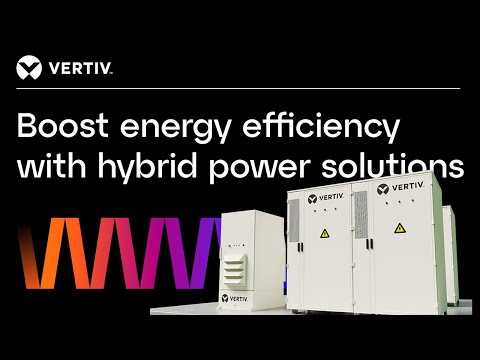
Vertiv EnergyCore Grid bruker UL9540A LFP-batterier som tåler temperaturer fra −40 °C til 60 °C, har en tur-retur-effektivitet på 98,7 % og utlades over 1–4 timer.

Kilde: Vertiv
Væskekjøling & varmehåndtering
Datasentre var tidligere hovedsakelig luftkjølte, men økende beregnings- og effekttetthet gjør dette stadig mindre praktisk. En overgang til enten ren væskekjøling eller en kombinasjon av luft- og væskekjøling er derfor i gang.
Vertiv er godt posisjonert i denne sektoren, særlig med Vertiv CoolPhase CDU. Denne væske-til-kuldemedium-kjølevæskefordelingsenheten tilbyr direkte væskekjøling av brikken uten behov for komplekse sløyfer med kjølt vann. Det gjør den enkel å ettermontere i eksisterende anlegg.
“Spredningen av AI kan kun skje med støtte fra avanserte kjølingsteknologier.
Vertivs nye væskekjølte løsninger og tjenester gjør det mulig for både nye og eksisterende datasentre å sømløst innføre væskekjøling, noe som gjør AI‑utrullinger enklere, raskere og mer kostnadseffektive enn tradisjonelle tilnærminger.
John Niemann – konserndirektør for Vertivs termiske virksomhet.

Kilde: Vertiv
Prefabrikkerte & modulære (360AI)
Oppkjøpene de siste årene har forvandlet Vertiv fra en utstyrsleverandør til en leverandør av prefabrikkerte modulkomponenter for datasentre.
Selskapet kan for eksempel levere komplette strømforsyningsenheter eller kjølesystemer ferdigmontert i en container. Disse kan settes i drift 50 % raskere enn ved tradisjonelle byggemetoder, der utstyr fra forskjellige produsenter monteres på stedet.
Samtidig er det fortsatt mulig å tilpasse utformingen til kravene i hvert datasenter. Fotavtrykket er også 30 % mindre.
Sammen med den nå komplette programvarepakken for strøm- og varmestyring, IT-systemer, overvåking med mer, gjør dette det mulig for Vertiv å levere en helhetlig utforming for AI i virksomheter.
Prefabrikkerte moduler er bare én del av Vertivs 360AI-plattform, som leverer både kjøling og strøm. Den fungerer både for nye bygg og ved ombygging av eldre datasentre.

Kilde: Vertiv
Store selskaper begynner å bygge AI-datasentre for sin egen interne AI-infrastruktur, i stedet for å overlate dette bare til hyperskalere og teknologigiganter. Fordi disse selskapene har mindre erfaring med å bygge AI-datasentre, kan en nøkkelferdig løsning fra Vertiv være mer attraktiv i dette markedssegmentet.
Fremtidige teknologier og trender i AI‑datasentre
Som et selskap som ofte utfordrer sin egen bransje, er Vertiv klar over at det trengs nye strøm- og kjøleteknologier for å holde tritt med veksten i beregningskraft og tetthet.
Selskapet forutser allerede flere nye trender og utvikler enten produkter for å møte dem tidlig eller har eksisterende utstyr som kan tilpasses:
- Arbitrasjon mellom strømkilder (grønn energi, nettstrøm, lokal produksjon, batteri osv.).
- Fleksibilitet mellom væske‑ og luftkjøling, ettersom beregningsbelastningen endres over tid, og dermed også kjølingsbehovet.
- En ekstra varmesstyringsløsning som håndterer nye begrensninger fra fotavtrykk, mikroklima (lokaliserte varmespotter) osv.
- Gjenbruk av generert varme (kraftproduksjon, lokal oppvarming, industriell varme osv.) for å forbedre datasenteres miljøpåvirkning.
“Det som gjør Vertiv så annerledes er at de var forberedt på det som kom med AI‑innovasjon og vekst… enten det er i IT‑tjenestebransjen, kraftvirksomheten eller den termiske virksomheten… den brede bredden av tjenester og støtte … å ha Vertiv som skalerer med oss er en stor tillitsbygger”
Chad Williams – Tidligere Vertiv‑administrerende direktør
Samarbeid (NVIDIA, Oklo, Compass)
I tillegg til oppkjøp har Vertiv vært svært aktivt med å bygge nære relasjoner til de fleste ledende aktørene i datasentermaskinvarebransjen.
Det viktigste samarbeidet er med Nvidia:
- En referansearkitektur for kjøling og strøm på 142 kW for NVIDIA GB300 NVL72-plattformen, tilgjengelig i NVIDIA Omniverse Blueprint for utforming og drift av AI-fabrikker.
- En 800 VDC-strømportefølje som følger NVIDIAs AI-veikart for innføring av 800 VDC-strømarkitekturer. Lanseringen er planlagt til andre halvdel av 2026, før utrullingen av NVIDIA Kyber- og NVIDIA Rubin Ultra-plattformene.
Et annet samarbeid er med Oklo (OKLO ), en kjernekraftoppstart innen SMR (små modulære reaktorer).
Samarbeidet skal forbedre energieffektiviteten i både Vertivs kjølesystem og OKLOs SMR, samtidig som karbonnøytral kjernekraft brukes til å forsyne datasenteret med strøm.
Ved å utnytte varmen fra Oklo‑s anlegg på stedet for å drive Vertivs kjølesystemer, vil samarbeidet betydelig forbedre datasenterets energieffektivitet.
Ved å co‑designe energi‑ og termisk styring fra starten, og ved å implementere på et sted ved siden av kundens etterspørsel, vil Oklo og Vertiv levere en samlet løsning som forenkler utrulling og muliggjør forbedret ytelse og energieffektivitet i datasentre.
Konklusjon
Vertivs lange erfaring med kjøling av store databehandlingsanlegg har gjort selskapet til en gigant i denne svært spesialiserte industrinisjen, som takket være AI-boomen også er blitt en av tiårets heteste investeringssektorer.
Gjennom sin lange historie har selskapet både vært en drivkraft for fremskritt innen overlegen strøm- og kjølekapasitet og en sterk konsolidator som har kjøpt konkurrenter og komplementær teknologi.
Dette har skapt dagens Vertiv, som nå kan tilby en helhetlig løsning for de fleste av datasentrenes behov for støtteinfrastruktur. Selskapets størrelse og ekspertise gjør det til en foretrukket partner ikke bare for teknologiselskaper og hyperskalere, men også for alle selskaper som ønsker å styrke sin AI-infrastruktur.
Vertiv kan dermed være en god investering for å satse på AI og lykkes uansett hvilken teknologi som til slutt vinner AI-kappløpet.
For Vertiv spiller det ingen rolle om AI ender opp som åpen eller lukket kildekode, bruker GPU-er eller annen AI-maskinvare, eller om beregningskapasiteten leveres av skyleverandører eller internt. Alt vil kreve mye strøm, mye kjøling og mye vedlikehold når datasenteret først er bygget.
Vertiv er trolig best posisjonert til å levere det mest kompakte utstyret av siste generasjon i denne industrinisjen.
Siste Vertiv (VRT) aksjenyheter og utviklinger



