
원자재
Rio Tinto (RIO): 미래 금속 채굴

 Securities.io를 Google의 선호 소스에 추가
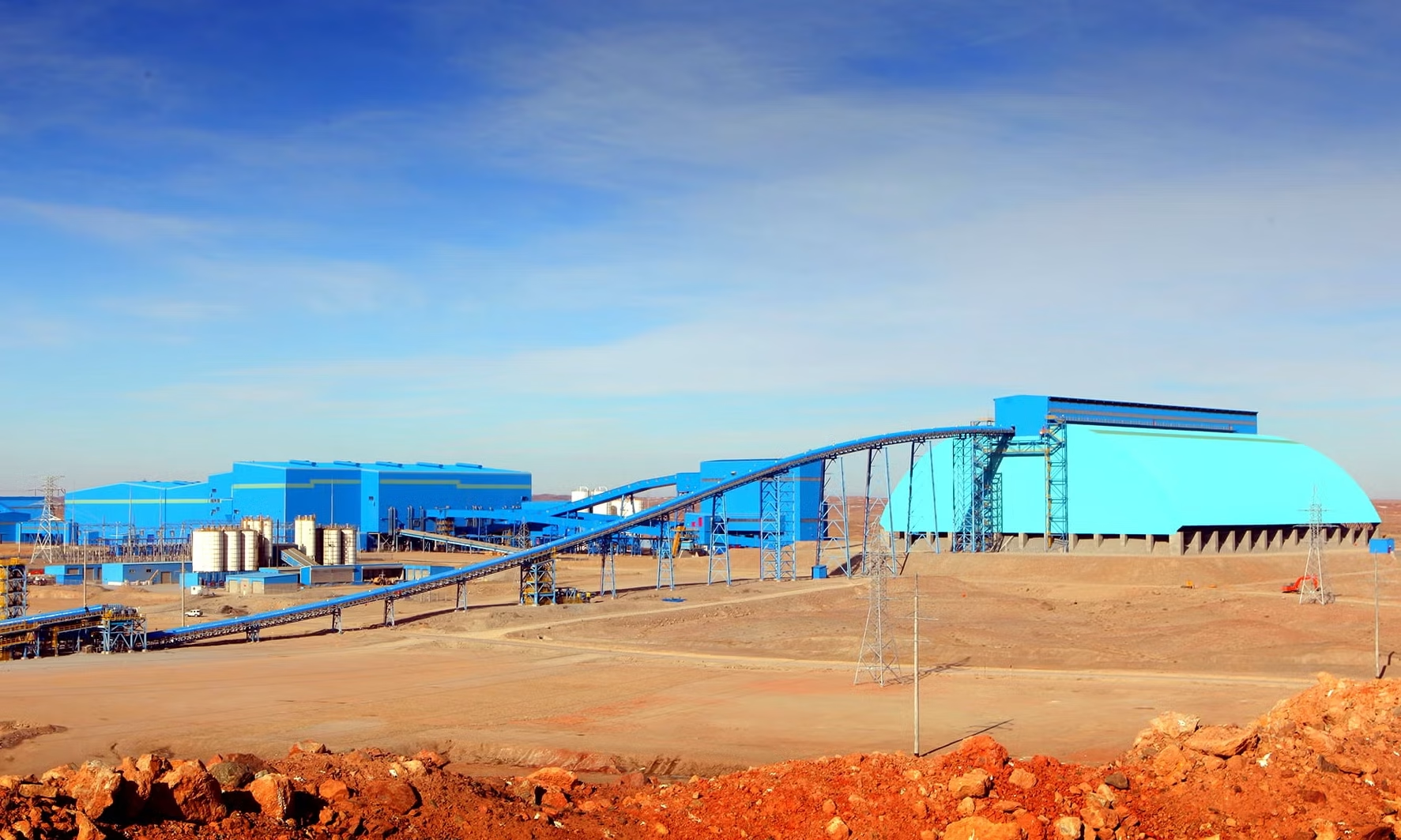
에너지 전환을 위한 채굴 준비
광업은 일반 대중에게 흔히 더럽고 기술 수준이 낮은 산업으로 인식되며, 혁신적인 산업과 비교하면 매력적이지 않은 투자로 여겨지기도 합니다.
그리고 이는 산업의 많은 부분에 대해 확실히 사실이며, 자원을 가능한 가장 저렴한 방법으로 추출하는 데 더 큰 관심이 있습니다.
하지만 동시에 현대 세계는 채굴업자가 추출한 금속, 즉 리튬, 구리, 알루미늄, 티타늄, 희토류 위에 구축되어 있습니다. 이 모든 재료는 AI 데이터 센터, 전기차, 태양광 패널, 배터리, 우주선 등 다양한 분야의 기반이 됩니다.
RIO 가격 차트
따라서 에너지 전환과 혁신의 가장 화려한 부분은 아니지만, 여전히 중요한 구성 요소입니다. 그리고 일부 기업은 단순한 채굴을 넘어선 활동을 하고 있습니다.
대형 채굴업체들은 또한 연구개발(R&D) 강자로, 막대한 규모를 활용해 에너지와 물 소비, 오염을 줄이고 이러한 핵심 금속의 생산 방식을 전반적으로 개선하고 있습니다. 또한 석탄과 기본 금속에서 벗어나 미래에 전략적으로 중요한 리튬과 구리와 같은 금속으로 전환하고 있습니다.
전 세계 상위 5대 채굴업체 중, 리오 틴토만큼 지속 가능한 채굴 산업으로의 전환을 잘 보여주는 기업은 없습니다.
요약
- 리오 틴토는 여전히 철광석에 의해 주도되지만, 미래는 점점 구리, 리튬, 알루미늄 및 기타 핵심 금속과 연결되고 있습니다.
- 회사는 가나의 시만두, 몽골의 오유 톨고이, 미주 지역의 새로운 구리 프로젝트 및 Arcadium 리튬 인수를 통해 필바라 철광석을 넘어 확장하고 있습니다.
- Rincon과 Arcadium과 같은 성장 프로젝트는 리오 틴토가 배터리, 전기차 및 전력망 구축에 대한 영향력을 제공합니다.
- 리오 틴토는 구리를 위한 Nuton 바이오리칭, 직접 리튬 추출(DLE) 및 ELYSIS 저탄소 알루미늄 제련 등 새로운 기술을 도입하고 있습니다.
- 경영진은 기본 이익의 40–60%를 주주에게 반환하는 것을 목표로 하며, 9년 동안 약 60%의 배당금을 지급해 왔지만, 배당은 상품 가격에 따라 순환적입니다.
Rio Tinto 사업 개요: 핵심 금속 및 전략
Rio Tinto (RIO )는 세계에서 두 번째로 큰 광산 기업입니다. 사업의 가장 큰 비중은 철광석이 차지하며, 호주에 오랜 핵심 자산을 보유하고 있고 아프리카에서는 새로운 초대형 광산을 개발하고 있습니다.
하지만 구리와 알루미늄의 대규모 생산업체이기도 하며, 구리 생산 확대 계획도 강력합니다.
마지막으로, 몇몇 프로젝트와 2024년 Arcadium 리튬 인수를 통해 리튬 시장으로 빠르게 확장하고 있습니다.
한편, 회사는 티타늄, 붕소 및 알루미늄 생산에서도 선두주자이며, 마지막 금속은 희토류로의 확장 기회를 제공합니다(아래 참조).

출처: Rio Tinto
이는 리오 틴토를 세계에서 가장 큰 상품 시장 중 일부의 주요 생산업체로 자리매김하게 합니다. 더 중요한 것은 대부분의 광산이 매우 크거나 고품질 광석을 포함하고 있어 효율적인 채굴 운영과 전 세계에서 가장 낮은 생산 비용을 가능하게 합니다.
호주, 미주 및 아프리카에 집중된 광산 덕분에 리오 틴토는 서방에 이 금속을 제공하는 가장 중요한 전략적 공급업체 중 하나이며, 생산량의 81% 이상이 OECD 국가에서 이루어집니다. 이는 위험이 높은 관할 구역에서 국유화와 재산권 남용이 투자자에게 큰 위험이 될 수 있기 때문에 중요합니다.

출처: Rio Tinto

출처: Rio Tinto
철광석: 필바라와 시만두가 리오 틴토의 핵심
필바라 – 호주
다른 금속이 추가 현금흐름을 창출하거나 회사의 미래를 형성할 수 있지만, 철광석 생산은 Rio Tinto의 역사적 출발점이자 여전히 사업의 중심입니다.
소규모 생산업체의 자원이 고갈되면서 2020년대 후반 대규모 공급 부족이 나타날 것으로 예상되므로, 향후 철 생산은 수요를 충족하지 못할 가능성이 큽니다.

출처: Rio Tinto
2016년부터 2023년까지 신규 자원 투자는 역사적으로 낮은 수준이었습니다. 새 광산이 프로젝트 단계에서 완전 생산에 도달하려면 수년에서 10년 이상이 걸리므로, 앞으로 10년 동안 철광석 공급이 빠듯할 가능성이 매우 높습니다.

출처: Rio Tinto
Rio Tinto와 전 세계 철광석의 상당 부분은 서호주의 붉은 토양, 특히 필바라 지역에서 생산됩니다. 이곳에서 Rio Tinto는 BHP (BHP ) 및 Fortescue(FMG.AX) 같은 대형 철광석 기업과 함께 사업을 운영합니다.
Rio Tinto의 이 지역 사업은 연간 3억4,500만~3억6,000만 톤의 생산 능력, 13개 광산 허브, 그리고 광석을 전용 항만으로 운송하는 2,000km의 철도를 갖추고 있습니다.

출처: Rio Tinto
시만두 – 기니
회사는 완전 개발 시 연간 6,000만 톤 규모가 될 기니의 아프리카 시만두 광상을 포트폴리오에 추가하기 위해 적극적으로 노력해 왔습니다.

출처: Rio Tinto
그동안 광석을 해안과 국제 시장으로 운송할 인프라가 부족했던 국가에서 추진되는 대형 사업입니다. 600km 철도 건설로 물류가 가능해지면서 기니 정부, 중국 컨소시엄, Rio Tinto가 공동 소유한 광산은 2025년 11월 가동을 시작했습니다.
“오늘 우리는 저탄소 철강 생산을 위해 고객이 요구하는 고품위 철광석의 뛰어난 신규 공급원을 열고, 필바라와 캐나다에 있는 세계적 수준의 철광석 광산 포트폴리오를 강화하고 있습니다.”
현재 철도와 항만은 61%, 광산은 60% 완공되었으며 지금까지 33억 달러가 투입되었습니다.
“시만두 프로젝트의 가동 시작은 양국 정상의 합의를 바탕으로 이룬 중요한 성과입니다. 이는 중국과 기니의 공동 노력과 실용적 협력을 보여 주며, 기니의 산업화와 현대화에 기여합니다.”
구리, 리튬 및 핵심 금속 성장
스크롤하려면 스와이프 →
| 프로젝트 | 금속 | 지역 | 전략에서의 역할 | 예상 규모 / 시기 |
|---|---|---|---|---|
| Pilbara Iron Ore System | Iron ore | Western Australia | 성장과 배당을 지원하는 핵심 현금창출 사업. | 중기적으로 연간 약 3억4,500만~3억6,000만 톤의 시스템 생산 능력 확보. |
| Simandou | High-grade iron ore | Guinea, West Africa | 철광석 공급원을 호주 밖으로 다변화하고 저탄소 철강용 고품위 광석을 공급. | 2025년 11월 가동 시작; 합산 수출 능력은 연간 최대 약 1억2,000만 톤. |
| Oyu Tolgoi | Copper, gold | Mongolia | Rio Tinto의 전기화 노출을 뒷받침하는 대표 구리 자산. | 2025년 그룹 전체 구리 생산 전망 86만~87만5,000톤의 핵심 동력. |
| Rincon | Lithium (brine) | Argentina, Lithium Triangle | 전기차 배터리를 위한 대규모 장기 리튬 생산 기반 구축. | 25억 달러 프로젝트; 연간 Li₂CO₃ 최대 약 6만 톤, 광산 수명 40년, 2028년 첫 생산 예상. |
| Arcadium Lithium | Lithium (various) | Global assets | Rio Tinto를 선도적 DLE 기술을 갖춘 최상위 리튬 생산업체로 전환. | 2025년 초 인수; 세계 최대 자원 기반을 가진 세 번째 규모의 리튬 생산업체. |
| Nuton | 저품위 광석에서 생산하는 구리 | Global applications | 미개발 구리 자원과 광산 폐기물의 가치를 실현하는 기술 플랫폼. | 회수율 최대 약 85%의 생물학적 침출 공정; 2025년 실제 조건에서 첫 구리 생산. |
세계의 금속에 대한 수요
최고 품질의 광체 대부분이 이미 개발되었거나 고갈된 상황에서, 여러 구조적 추세는 더 많은 금속 생산이 필요하다는 점을 보여 줍니다.
첫 번째는 인구 증가입니다. 중국, 인도, 인도네시아와 동남아시아 국가 등 세계 최대 국가 다수가 인프라와 기본 소비재에 대량의 금속이 필요한 개발 단계에 있습니다.
두 번째 추세는 전기화로, 더 많은 배터리, 전기 모터, 변압기, 송전선 등이 필요합니다.

출처: Rio Tinto
한편 신규 광산 개발은 그 어느 때보다 느리고 비용이 많이 들며, 대규모 자원 개발은 Rio Tinto 같은 소수 기업에만 가능한 일이 되었습니다.

출처: Rio Tinto
이에 따라 Rio Tinto는 2024~2033년에 생산량을 연평균 3% 늘리는 전략을 채택했습니다. 시만두는 철광석 사업을 계속 성장시키고 호주 공급원 의존도를 낮추지만, 회사의 가장 큰 변화를 이끌 분야는 구리와 리튬입니다.
전기화를 위한 구리: 오유 톨고이 및 기타 프로젝트
구리는 모든 전기차, 배터리, 변압기, 전력 케이블에 대량으로 필요한 전기화의 핵심 금속으로, 산업 원자재에서 중요한 전략 자원으로 변하고 있습니다. 그러나 대형 구리 광상의 대부분은 이미 개발되었고 고갈되고 있습니다.
몽골의 Oyu Tolgoi 광산은 지하 확장이 진행되면서 Rio Tinto의 구리 성장에 중요한 역할을 하고 있습니다. Rio Tinto는 2025년 전체 채굴 구리 생산량을 86만~87만5,000톤으로 예상하며, Oyu Tolgo이는 광체와 인프라에 대한 수년간의 투자 이후 증가분의 상당 부분을 담당할 전망입니다.

출처: Rio Tinto
몽골산 구리는 칠레와 미국의 기존 생산을 보완합니다. 장기적으로는 칠레의 Nuevo Cobre(Codelco와 공동 개발), 페루의 La Granja, 호주의 Winu, 미국의 Resolution 프로젝트가 추가될 예정입니다.

출처: Rio Tinto
Nuton
Rio Tinto의 또 다른 주요 구리 사업은 지속 가능한 구리 생산 기술 기업인 Nuton입니다. Nuton은 30년 이상 기존 기술보다 훨씬 많은 구리를 광석에서 회수하는 첨단 생물학적 침출법을 개발해 왔습니다.
이 기술은 개발하기 어려운 광석을 경제적으로 활용하게 만들어 세계 구리 공급을 크게 바꿀 수 있습니다. 박테리아와 전기채취를 사용해 최대 85%의 회수율을 달성합니다.
“Nuton 기술은 역사적으로 침출이 어려웠던 황화광을 경제적으로 개발할 수 있게 해 판도를 바꿀 잠재력이 있습니다. 현재 업계 기준을 뛰어넘는 최대 85%의 업계 최고 수준 구리 회수율을 달성합니다.”
또한 지금까지 완전히 활용하지 못했던 광산 폐기물에서 더 많은 구리를 추출할 수 있습니다. Nuton은 2025년 초 실제 운영 조건에서 처음으로 구리를 생산했습니다.
보기: Rio Tinto의 Nuton 기술 실제 적용 영상
리튬: Arcadium, Rincon 및 리오 틴토의 배터리 금속 추진
Arcadium
이 분야에 새롭게 진입한 Rio Tinto는 2025년 초 Arcadium Lithium 인수를 완료하면서 리튬 산업에서 단숨에 주요 기업으로 부상했습니다.
Arcadium Lithium은 대형 리튬 생산업체 Livent와 Allkem의 합병으로 탄생했습니다.

출처: Arcadium
Arcadium은 세계에서 세 번째로 큰 리튬 생산업체이자 가장 큰 자원 기반을 보유한 기업이었으므로, 생산 확대에 가장 유리한 위치에 있었습니다.
“Rio Tinto의 규모, 재무 역량, 운영 및 프로젝트 개발 경험을 Arcadium의 1등급 자산과 기술·상업 역량과 결합해, 선도적인 철광석·알루미늄·구리 사업과 나란히 세계적 수준의 리튬 사업을 구축하고 있습니다.”
이번 인수는 리튬 시장의 깊은 침체가 끝나갈 무렵 이루어졌다는 점도 주목할 만합니다. 당시 리튬 가격이 낮았음에도 Arcadium은 고품위 자원과 최고 수준의 직접 리튬 추출(DLE) 기술 덕분에 2024년 상반기 EBITDA 마진 40%를 유지했습니다.
Arcadium은 1996년부터 증발 연못과 함께 DLE를 활용해 왔으며, 최근에는 독립적인 추출 방식으로서 상업성을 확보하는 데 상당한 진전을 이루었습니다.
Arcadium은 배터리 성능을 높이고 제조비와 리튬 사용량을 줄일 수 있는 인쇄형 리튬 포일 LIOVIX도 개발했습니다.

출처: Arcadium
또 다른 대형 리튬 프로젝트는 아르헨티나 리튬 삼각지대의 Rincon입니다. 2024년 12월 발표된 25억 달러 투자를 통해 연간 최대 6만 톤의 배터리급 탄산리튬을 생산하는 대형 사업으로 성장할 예정입니다.
Rincon 광산의 수명은 40년으로 예상되며, 2028년 첫 생산 후 3년에 걸쳐 완전 생산 능력에 도달할 계획입니다.
세르비아의 또 다른 프로젝트인 Jadar는 EU 시장을 겨냥해 Rio Tinto의 리튬 생산을 더 늘릴 예정이었지만, 시위와 정치적 불안으로 현재 프로젝트가 중단된 상태입니다.
알루미늄
Rio Tinto는 보크사이트 광석에서 알루미나와 알루미늄에 이르는 전체 공급망을 갖춘 대형 알루미늄 생산업체이기도 합니다.
회사는 저탄소의 저렴한 에너지를 확보할 수 있는 지역에 알루미늄 사업을 배치했습니다. 대표적으로 캐나다의 수력발전, 아이슬란드의 수력·지열 에너지, 그리고 미국이 있습니다.
미국 관세로 현지 생산의 수익성이 높아지고 지역 가격이 관세를 반영하는 수준으로 움직였기 때문에 이 부문은 혜택을 받을 수 있습니다.
알루미늄 부문의 또 다른 잠재력은 알루미나에 희토류 원소가 풍부한 경우가 많다는 점입니다. 중국이 희토류 정제와 생산에 전문성을 갖게 된 이유 중 하나는 알루미늄 정제업체에 희토류도 함께 정제하도록 의무화했기 때문입니다.
Rio Tinto는 같은 사업에 진출하는 방안을 검토하고 있으며, 이는 중국의 영향권 밖에서 자국 및 우방국 중심의 희토류 생산을 제공할 수 있습니다. 알루미늄 생산 과정에서 갈륨을 생산할 가능성도 있습니다.
다만 실제 추진을 위해서는 더 명확한 시장 유인이나 새로운 정책이 필요할 가능성이 큽니다.
“다음 단계는 핵심 광물을 좀 더 깊이 살펴보는 것입니다. 반드시 별도의 광산으로만 생각할 필요는 없습니다. 많은 핵심 광물에 견고한 현물시장이 없기 때문에 보통 이 분야에서 세계 5대 광산업체를 보기 어렵습니다.”
기타 프로젝트 및 금속
회사 핵심 사업에서 차지하는 비중은 작지만, Rio Tinto에는 언급할 가치가 있는 다른 광산도 여러 곳 있습니다.
- 캐나다에서 다이아몬드를 생산하는 Diavik.
- 호주에서 천일염을 생산하는 Dampier Salt.
- 호주의 Burra. 알루미늄 합금의 유연성과 열·부식 저항을 높이는 스칸듐 생산 가능성을 검토하는 프로젝트입니다.
- 전 세계 수요의 30%를 공급하는 캘리포니아의 붕소 생산 사업.
- 캐나다 퀘벡의 Rio Tinto Iron and Titanium (RTIT). 철과 스칸듐뿐 아니라 세계 티타늄 수요의 19%를 생산하며, 남아프리카공화국의 Richards Bay Minerals와 마다가스카르의 QIT Madagascar Minerals (QMM)도 포함됩니다.
혁신 및 지속 가능성
Nuton의 새로운 구리 추출 기술과 Arcadium의 직접 리튬 추출 기술 외에도 Rio Tinto는 탄소발자국을 줄이고 신기술을 빠르게 도입하는 데 대규모로 투자하고 있습니다.
예를 들어 BHP와 함께 필바라에서 최초의 Caterpillar 배터리 전기식 광산 운반 트럭을 도입해 디젤 트럭을 대체하기 시작했습니다. (CAT )
“이러한 시험은 배터리 기술, 발전 및 충전 인프라, 전력 관리, 그리고 이를 대규모로 제공할 수 있는 공급망 등 모든 요소가 어떻게 맞물리는지 이해하는 데 도움이 될 것입니다.”
회사는 알루미늄, 구리 음극재, 금속 분말에 대한 지속가능성 인증도 추진하고 있습니다.
저탄소 알루미늄을 생산하는 ELYSIS 기술을 개발하고 있으며, 이 기술은 2025년 8월 세계 최초로 대규모 무탄소 전기분해를 가능하게 했습니다.
First Solar (FSLR ) 같은 박막 태양광 패널에 사용되는 카드뮴 텔루라이드(CdTe)도 Rio Tinto의 Kennecott 구리 광산에서 생산됩니다.
“텔루륨의 90% 이상은 구리 제련과 정제의 부산물로 생산되며, Kennecott은 미국에 남아 있는 두 개의 주요 1차 구리 제련소 중 하나입니다.”
Rio Tinto는 Australian Renewable Energy Agency 및 Sumitomo Corporation과 협력한 수소 기반 알루미나 정제, 선박용 해양 바이오연료, 아이슬란드의 Carbfix 등과 함께하는 탄소 포집, Aymium과의 바이오카본 생산 등 지속가능성에도 투자하고 있습니다.
마지막으로 Rio Tinto는 벤처캐피털 부문을 통해 광업, 정제, 금속 합금, 지속가능성 분야의 스타트업에 투자합니다.
투자자 요점
- 핵심 현금 엔진: Pilbara 철광석과 이제 Simandou는 저비용, 고마진 철광석 노출을 제공하여 Rio Tinto의 배당 능력을 뒷받침합니다.
- 에너지 전환 레버리지: 구리와 리튬 성장(Oyu Tolgoi, Rincon, Arcadium)은 회사를 전기차, 전력망 및 배터리의 핵심 공급업체로 자리매김합니다.
- 저탄소 금속 선택권: 수력 기반 알루미늄, ELYSIS 기술, 텔루륨과 잠재적 희토류와 같은 부산물은 친환경 프리미엄이 등장하면 상승 여지를 제공합니다.
- 매력적인 자본 수익: Rio Tinto는 기본 이익의 40–60%를 주주에게 반환하는 것을 목표로 하며, 9년 동안 약 60%의 배당금을 지급했지만 배당은 순환적입니다.
- 주의할 위험: 상품 가격 사이클, 프로젝트 실행(시만두, Rincon, Resolution), ESG 논란 및 관할 위험으로 인해 RIO는 사이클형 주식이며 채권 대체가 아닙니다.
결론: 리오 틴토 (RIO) 가 미래 금속 주식인가?
Rio Tinto의 제품은 철강 생산에 필요한 풍부한 철광석부터 저탄소 알루미늄, 티타늄, 구리, 리튬에 이르기까지 현대 산업 경제에 필수적입니다.
회사는 기초이익의 40~60%를 주주에게 환원하는 정책을 꾸준히 유지해 왔으며, 9년 동안 약 60%의 배당성향을 기록했습니다.
세계의 지속적인 금속 수요 증가, 에너지 전환, 인구 증가, 향후 10년간 Rio Tinto의 꾸준한 생산 확대를 고려하면, 이 주식은 성장 가능성과 높은 배당을 함께 원하는 투자자에게 매력적입니다.
관할권 위험 측면에서도 비교적 안전한 광산주이지만, 광산업에서는 그러한 위험이 완전히 사라질 수 없다는 점을 기억해야 합니다.
또한 더 효율적인 구리·리튬 추출 기술, 저탄소 철강·알루미늄 생산, 광산 장비의 전기화, 박막 태양광 원료에 이르기까지 광산업 혁신을 주도합니다.
따라서 불안정성과 인플레이션, 나아가 스태그플레이션 가능성이 있는 시기에 전략 원자재에 투자하면서 전기화와 녹색 전환의 수혜를 받고 배당도 확보하는 전략은 합리적인 선택이 될 수 있습니다.
최신 Rio Tinto (RIO) 주식 뉴스 및 개발



