
우주
Artemis II 미션: NASA의 발사 및 우주 프로그램 재설정

 Securities.io를 Google의 선호 소스에 추가

2024년 4월 1일st, Artemis II 미션이 4명의 우주비행사를 태워 달을 10일간 궤도에 올립니다. 이는 SLS(우주 발사 시스템) 발사체와 Orion 우주선을 시험한 Artemis I 미션에 이어, 유인 비행을 안전하게 수행할 수 있음을 의미합니다.
Artemis II는 인류를 달 표면으로 다시 보내는 것뿐만 아니라, 미국 우주비행사(및 미국 동맹국)와 함께 영구적인 달 기지를 구축하려는 더 큰 프로그램의 일환이며, 이는 달과 화성을 향한 새로운 우주 경쟁에서 중국과 러시아의 유사한 계획보다 앞서 나가려는 목표와 맞물립니다.
하지만 Artemis II의 성공적인 발사와 수행은 NASA가 Artemis 프로그램 전체를 완전히 재설정한다는 발표가 있은 지 며칠 뒤에 이루어집니다. 오랜 기간 동안 지연과 비용 초과에 시달려 온 이 프로그램은 이번 재설정을 통해 누적된 문제들을 해결하려 합니다.
이로 인해 Artemis II는 보다 변혁적인 우주 탐사 단계로 나아가기 위한 필수적인 디딤돌이 되며, 초기 계획보다 더 야심찬 달 기지와 향후 화성 탐사를 위한 핵추진 계획까지 포함됩니다.
Artemis 프로그램 개요
Artemis는 인간이 마지막으로 달에 발을 디딘 지 반세기가 넘는 시간 이후, 다시 달에 착륙하기 위한 NASA의 종합 프로그램입니다.
재설계가 진행 중이지만, 핵심 개념은 여전히 유지됩니다: 연속적인 임무를 통해 NASA의 달 탐사 역량을 점진적으로 확대하고, 50년간 달 비행이 없었던 기간 동안 상실된 능력을 재구축하며, 현지 자원 활용을 포함한 보다 진보된 기술과 인프라를 구축하는 것입니다.
- Artemis I은 발사체 SLS와 심우주선 Orion의 핵심 부품을 시험하는 비행 테스트였습니다.
- Artemis II는 Artemis 프로그램의 첫 유인 비행으로, 향후 착륙을 위한 기반을 마련합니다.
- Artemis III는 유인 착륙을 계획했으나, 현재는 Artemis IV로 일정이 변경될 가능성이 있습니다(아래 설명 참고).
- Artemis IV·V 및 이후 임무에서는 유인 착륙과 영구적인 달 기지 구축이 이루어질 예정입니다.
- 초기에는 소수의 우주비행사가 거주하지만, 시간이 지나면서 남극 연구소와 유사한 대규모 정착지로 발전할 수 있습니다.
Artemis II 설명
Artemis II 개요
Artemis II는 원래 2019~2021년 사이 발사를 목표로 했으나, 프로그램 전반의 심각한 지연으로 현실성이 떨어졌습니다. 2023년, 이후 2025년으로 일정이 변경되었고, 우주선 열 차폐와 생명 유지 시스템에 대한 우려가 남아 2026년 4월 1일로 신중히 연기되었습니다.
발사는 플로리다 대부분 지역에서 관측이 가능하며, 하늘 상태에 따라 가시성이 달라집니다.

출처: NASA
Artemis II의 핵심 임무는 Orion 우주선의 모든 기능과 승무원 탑재 시 안전성을 검증하는 것입니다. 여기에는 승무원 인터페이스, 유도·항법 시스템 등이 포함됩니다. Orion은 발사 중 문제가 발생할 경우 승무원을 지구로 귀환시킬 수 있는 발사 중단 시스템을 갖추고 있습니다.

출처: NASA
사용될 궤도는 달을 4,600마일(약 7,400km) 넘어선 뒤 지구로 복귀하는 경로로, 연료 절감과 지구 중력 활용을 목표로 합니다. 이 복잡한 경로는 달 관측, 장비 시험, 과학 실험을 위한 추가 시간을 제공하기도 합니다.

우주비행사
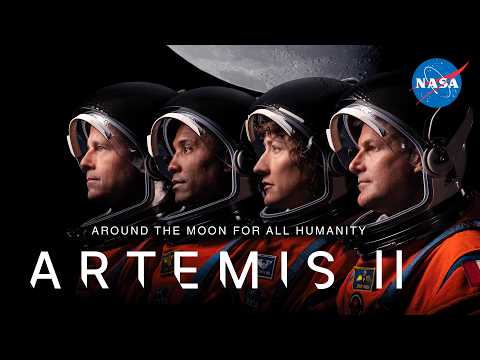
Artemis II 임무는 다음 네 명의 매우 숙련된 우주비행사로 구성됩니다.
- Reid Wiseman: 임무 사령관으로, 볼티모어 출신이며 27년 차 해군 베테랑, 조종사, 아버지, 엔지니어입니다. 2014년 ISS에서 165일 임무를 수행한 경력이 있습니다.
- Victor Glover: 캘리포니아 출신이며 F/A-18 시험조종사로, 40대 이상의 항공기에서 3,000시간 이상 비행했습니다. 이번 임무의 파일럿이며, 이전에 NASA의 SpaceX Crew‑1 임무(Expedition 64)에서 파일럿을 역임했습니다. 달 주위를 도는 최초의 흑인 우주비행사가 될 것입니다.
- Christina Koch: 엔지니어이며 Artemis II의 미션 스페셜리스트 1입니다. 미시간 출신으로 2013년에 우주비행사가 되었으며, ISS에서 328일간 체류해 여성 단일 우주비행 최장 기록을 보유하고 있습니다. 최초의 전 여성 우주유영에도 참여했습니다.
- Jeremy Hansen: 캐나다 출신 전투기 조종사로, 온타리오 주 농가에서 자랐습니다. 여러 일일 장거리 비행을 지하 및 수중 서식지에서 시뮬레이션한 실험에 참여했으며, Artemis II의 미션 스페셜리스트 2를 맡고 있습니다.

출처: NASA
승무원은 시스루 환경에서 더 높은 방사선 수준을 견딜 수 있도록 설계된 새로운 우주복을 착용합니다. 실제 방사선 노출 수준은 이번 임무에서 측정되어 향후 장기 임무의 안전성을 보장하는 데 활용될 것입니다.
Artemis II 발사 카운트다운은 NASA의 실시간 피드에서 확인할 수 있습니다.
Artemis II 과학
건강 및 방사선
Artemis II에서 수행되는 과학 실험의 첫 번째 단계는 우주비행사의 건강을 고도화된 방식으로 모니터링하는 것입니다. 이는 인간이 반세기 만에 지구에서 가장 먼 곳으로 나아가는 실험이기도 합니다.
이러한 장거리 비행은 지구 자기권의 보호를 받지 못하게 되므로, 우주비행사는 우주 방사선에 직접 노출됩니다.
따라서 Orion 내부에 설치된 6개의 방사선 센서, 즉 Hybrid Electronic Radiation Assessors (체코산)는 이번 임무의 핵심 요소이며, 수집된 데이터는 달 표면 장기 체류를 포함한 향후 장거리 임무의 위험성을 평가하는 데 중요합니다.
방사선 탐지는 독일산 M-42 센서 모델의 업데이트 덕분에 Artemis I의 예비 결과보다 6배 높은 해상도로 다양한 에너지 유형을 구분할 수 있게 개선되었습니다.
“이러한 연구는 과학자들이 심우주에서 면역 체계가 어떻게 작동하는지 더 잘 이해하도록 돕고, 화성 임무를 앞두고 우주비행사의 전반적인 복지를 파악하며, 승무원 건강과 성공을 보장할 방법을 개발하는 데 기여합니다.”
Steven Platts, NASA 인간 연구 수석 과학자
우주비행사의 웰빙, 활동량, 수면 패턴 및 상호작용은 착용형 장치 ARCHeR(Artemis Research for Crew Health and Readiness)로 모니터링됩니다. 심리 평가와 머리·눈·신체 움직임 테스트도 분석에 포함됩니다.
임무 전 기간 동안 네 명의 우주비행자 모두에게 혈액 및 타액에서 면역 바이오마커를 정기적으로 채취합니다. 특히, 장기 우주 비행에서 알려진 문제인 잠복 바이러스가 어떻게 재활성화되는지를 조사하여, 장기 우주 정착에 대한 위험을 평가합니다.

마지막으로 Artemis II는 AVATAR(A Virtual Astronaut Tissue Analog Response)라는 장기‑칩 장치를 탑재합니다. USB 드라이브 크기의 이 장치는 뇌·심장·간 등 다양한 조직의 반응을 모사하여 방사선 및 미세중력의 영향을 연구합니다.
달 관측
수십 년간 유인 달 임무가 없었던 상황에서, Artemis II는 특히 달의 뒤편(흔히 “어두운 면”이라 불리지만 실제로는 보이는 면) 관측을 주요 목표로 삼고 있습니다.
발사 시점에 따라 승무원은 달 뒤편의 특정 지역을 최초로 관측할 가능성이 있습니다. 이 거리에서 달은 팔을 뻗어 잡은 농구공 크기 정도로 보일 것입니다.
“Artemis II는 우주비행사들이 훈련을 통해 습득한 달 과학 기술을 실제로 적용할 수 있는 기회이며, 실시간 운영 중에 과학자와 미션 컨트롤 엔지니어가 협업할 수 있는 중요한 순간입니다.”
Kelsey Young, NASA Artemis II 달 과학 책임자
달 남극은 특히 관심이 높은데, 과거 아폴로 임무는 대부분 적도 부근에 집중되었습니다. 남극은 물 자원이 풍부하고 영구적인 햇빛이 비치는 작은 지역이 있어 영구 기지 건설에 유리합니다.
Artemis II 탑재물: CubeSats
Orion 외에도 Artemis II는 CubeSat(신발 상자 크기의 기술 시연 및 과학 실험)들을 탑재합니다. 이들은 독일, 한국, 사우디아라비아, 아르헨티나의 NASA 파트너가 제작했습니다.
실험은 지구 자기권 밖에서의 조건과 영향을 더 잘 이해하는 데 도움이 됩니다:
- 방사선이 인간 조직에 미치는 영향.
- 우주 환경이 미래 달 차량의 전자 부품에 미치는 영향.
- 차폐 방법 및 장거리 통신.
- 우주 날씨 관측.

출처: NASA
우주 날씨
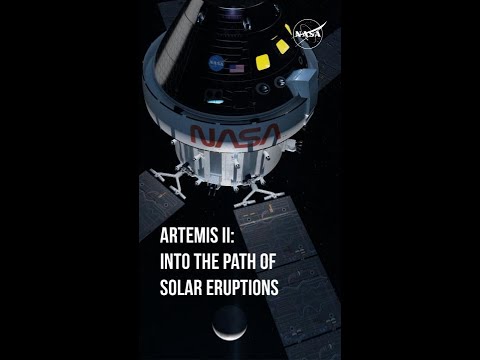
Artemis II는 지구의 보호 자기권 밖을 비행하기 때문에 우주 날씨를 연구하기에 최적의 위치에 있습니다.
따라서 팀은 코로나 질량 방출(CME)과 태양 플레어와 같은 폭발 현상을 추적할 수 있으며, 이는 살아있는 조직과 전자 장비(특히 GPS와 Starlink 같은 위성)에 방사선 손상을 일으킬 수 있습니다.
NASA에 의한 Artemis 재설정
Artemis 재설계
앞서 언급했듯이 Artemis 프로그램은 수많은 지연에 시달렸으며, Artemis II는 초기 계획보다 수년 늦게 진행되고 있습니다.
2026년 2월 말 발표된 새로운 개정 계획에 따라 2027년에 새로운 Artemis 임무가 추가되고, 유인 착륙 목표가 III에서 IV로 이동합니다.
새로운 설계에서는 Artemis III가 2027년 저궤도에서 중요한 기술 시연을 수행하며, 상업용 달 착륙선과의 도킹 작업을 시험합니다.
“이 임무의 모든 요소는 우주비행사를 달 표면에 내리기 전에 위험을 최소화하는 방향으로 설계되었습니다. 저는 우주비행사들이 저궤도에서 착륙선과 Orion의 통합 시스템을 시험하는 것이 달보다 훨씬 바람직하다고 생각합니다.”
Jared Isaacman – NASA 관리자
Artemis IV의 첫 착륙이 2028년에 이루어진 뒤, 같은 해에 Artemis V의 두 번째 착륙이 이어질 수 있으며, 이후 NASA는 지속적인 달 임무 주기를 확보하게 됩니다. 이는 미국이 중국보다 앞서 나가게 할 것이며, 중국은 늦어도 2030년까지 자체 유인 착륙을 목표로 하고 있습니다.
전체적으로 이전 아키텍처는 너무 많은 것을 너무 빨리 달성하려 했고, 발사 주기가 너무 느려 신뢰성을 유지하기 어려웠다는 것이 핵심 문제입니다.
“SLS와 같은 복잡하고 중요한 로켓을 3년마다 발사하는 것은 성공적인 길이 아닙니다. 3년마다 발사하면 기술이 퇴화하고 근육 기억이 사라집니다.”
Jared Isaacman – NASA 관리자
따라서 SLS가 향후 SpaceX의 수정된 Starship으로 대체될 가능성이 제기되던 시기에, 새로운 계획은 SLS 구성을 표준화하고, 재사용이 불가능하고 비용이 많이 들더라도 더 자주 발사하는 방향으로 전환됩니다.
SLS는 현재까지 유인 비행에 검증된 신뢰성을 가지고 있으며, 이는 민간 기업의 초중량 로켓이 아직 달성하지 못한 수준입니다. 또한 발사대 준비 속도 역시 빨라져야 합니다.
더 빠른 발사 일정은 수성, 제미니, 아폴로 시기에 달에 도달했던 3개월 주기와 유사하게 진행될 것입니다.
Lunar Gateway의 불확실한 운명
초기 Artemis 설계의 핵심 요소 중 하나는 Lunar Gateway였으며, 이는 ISS와 유사한 우주정거대로, 지구가 아닌 달을 공전하는 최초의 정거장이 될 예정이었습니다.
우리는 “Lunar Gateway: Building The First Step To The Stars“에서 이 프로젝트를 상세히 다루었습니다.
하지만 현재 Lunar Gateway의 운명은 불투명합니다. NASA는 대신 200억 달러를 투자해 달 남극에 훨씬 큰 기지를 건설하는 방안을 검토하고 있으며, Gateway 프로젝트를 완전히 포기하고 있습니다.
새 설계에서는 우주비행사들이 Orion에서 직접 달 착륙선으로 이동하게 됩니다.
“기관은 현재 형태의 Gateway를 중단하고 지속 가능한 표면 작전을 가능하게 하는 인프라에 집중할 계획입니다. 기존 하드웨어의 일부 과제에도 불구하고, 적용 가능한 장비를 재활용하고 국제 파트너의 약속을 활용해 목표를 지원할 것입니다.”
Jared Isaacman – NASA 관리자
Gateway 정거장에 계획된 생활 구획, 생명 유지 시스템, 화물 공간, 에어록 등은 모두 더 큰 달 기지에 재활용될 수 있습니다. 정확한 위치는 아직 확정되지 않았지만, 달 남극에 설치될 예정입니다.
Power and Propulsion Element(PPE)와 같은 장비는 다른 임무에 재활용될 수 있으며, 이는 ESA(유럽), JAXA(일본), CSA(캐나다) 등 국제 파트너와 이미 설계·제조된 상태입니다.
이 새로운 계획은 세 단계로 전개됩니다:
- Phase 1: 테스트 – 로버, 장비, 기술 시연을 빈번히 보내 이동성, 전력(핵 포함), 통신, 항법 및 표면 작전을 향상시킵니다.
- Phase 2: 초기 인프라 구축 – 반거주형 인프라를 구축해 반복적인 우주비행사 표면 활동을 지원하고, 가압 로버와 다른 국가의 과학 탑재물, 로버, 운송 능력을 제공할 수 있습니다.
- Phase 3: 장기 인간 존재 가능 – 화물 운반 능력이 있는 인간 착륙 시스템(HLS)을 활용해 무거운 인프라를 지속적으로 공급하고, 영구적인 달 기지를 구현합니다.
Beyond The Moon
NASA는 달을 명백한 우선순위로 삼고 있지만, 수십 년 만에 처음으로 아폴로 프로그램 수준의 야심찬 목표를 달성하고 달을 넘어선 비전을 모색하고 있습니다.
“NASA의 뛰어난 자원을 국가 우주 정책 목표에 집중하고, 불필요한 장애물을 제거하며, 우리와 파트너의 산업 역량을 해방한다면, 달 복귀와 기지 건설은 앞으로 우리가 달성할 일에 비하면 작은 일에 불과할 것입니다.”
Jared Isaacman – NASA 관리자
그 중 하나는 화성으로 향하는 핵추진 우주선인 Space Reactor‑1 Freedom 개발입니다. SR‑1은 거의 완성된 NASA 개발 우주선 버스인 Power and Propulsion Element를 재활용합니다. (SPCX )
2028년 발사를 목표로 하는 이 핵반응로는 고효율 전기 이온 추진기를 구동하기 위해 핵 에너지를 활용합니다. 이를 통해 Skyfall 탑재물인 세 대의 Ingenuity‑급 헬리콥터를 기록적인 시간 안에 화성에 보낼 예정입니다.
이는 최초의 핵추진 시도는 아니지만, 실현을 위해 가장 결단력 있게 추진되는 프로젝트입니다.
“지난 60년간 미국은 수십 개의 우주 핵 프로그램에 200억 달러 이상을 투자했으며, 단 한 번인 SNAP‑10A(1965년)만 궤도에 올렸습니다. SR‑1은 그 패턴을 깨고, 2028년 12월 화성 발사 창을 맞추기 위해 필요한 결정을 촉진합니다.”
핵 에너지는 달에서도 활용될 예정이며, Lunar Reactor‑1(LR‑1)은 어두운 기간에도 달 기지를 운영하도록 설계된 핵분열 기반 전력 시스템입니다.
또한 달과 화성 외에도 NASA는 노후화된 ISS에 부착되는 정부 소유 코어 모듈을 조달하고, 이후 상업용 모듈을 ISS 기능을 활용해 검증한 뒤 자유 비행으로 전환할 계획입니다.
앞으로 ISS는 최종적으로 폐기될 것이며, NASA는 축적된 경험과 테스트를 바탕으로 저궤도에서 ISS 후속기를 구축할 적절한 기술을 선택하게 될 것입니다.
Beyond Artemis II
Artemis II 임무가 계획대로 진행된다면, 이는 미국 및 파트너 국가 우주비행사들의 달 복귀 전 단계가 됩니다.
하지만 이번에는 인간의 존재가 단순히 짧은 방문이 아니라, 현재 기술 역량의 정점에서 장기적인 존재를 목표로 합니다.
첫 유인 착륙은 신중하고 의도적인 전략의 첫 걸음으로, 새로운 소재, AI, 자동화를 활용해 인류 최초의 영구적인 비지구 거주지를 구축하려는 목표를 가지고 있습니다.
장기적으로는 이 달 기지에서 얻은 경험이 화성을 포함한 심우주 유인 임무에 매우 귀중한 자산이 될 것입니다.
이는 SpaceX가 달을 화성보다 우선시하는 새로운 전략과도 일맥상통하며, 예정된 IPO를 앞두고 몇 일 전 NASA가 Artemis 임무를 공개적으로 재설계한 것과 맞물립니다. 가장 유력한 후보는 달 착륙 및 저궤도 연료 보급을 위해 재설계된 Starship HLS가 될 것입니다.
Artemis 프로그램에 투자하기
Lockheed Martin
LMT 가격 차트
Lockheed Martin은 세계 최대의 항공우주·방위 기업 중 하나이며, 2025년 11월에 “Lockheed Martin (LMT) Spotlight: A Leader In Defense and Aerospace (LMT ) ”에서 상세히 다루었습니다. 무기 체계가 전부는 아닙니다.
Lockheed는 Orion 우주선의 설계·개발·시험·생산을 담당하는 주요 계약업체이며, 여기에는 Callisto라는 음성 제어 AI 지원 시스템이 포함됩니다. 이는 Amazon Alexa와의 파트너십을 통해 구현되었습니다(AMZN ).
프로그램이 첫 번째 S, 이후 Starship의 저렴하고 빈번한 발사 덕분에 규모가 확대되면 Orion 생산도 증가할 전망입니다.
Artemis와 관련해, Lockheed는 달 남극에서 작동 가능한 달 태양 전지판 프로토타입의 핵심 시험을 완료했다고 발표했습니다.
이 회사는 GOES‑R 기상 위성, OSIRIS‑REx를 통한 소행성 샘플 수집, JUNO 목성 탐사선, 그리고 착용형 방사선 차폐 조끼 AstroRad 등 다양한 우주 프로그램에 참여하고 있습니다.
요약하면, 이 기업은 NASA 달 프로그램에 깊이 관여하고 있습니다.
우주 활동 외에도 Lockheed는 Black Hawk 헬리콥터와 F‑16 등 항공기, F‑35, 공중 레이더기, C‑5 Galaxy·C‑130J Super Hercules 등 다양한 고급 장비를 생산합니다.

출처: Lockheed Martin
또한 이 회사는 JAASM, Javelin, ATACMS, HIMARS와 같은 미국 군사 핵심 미사일 시스템을 생산하며, 우크라이나 전쟁으로 인한 재고 고갈 상황에서도 높은 수요를 유지하고 있습니다.
또한 해군·공군·공해 방어용 AEGIS와 THAAD(고고도 미사일 방어) 등 반미사일 방어 시스템도 중요한 공급처입니다.

출처: Lockheed Martin
미사일 재고가 예상보다 빨리 소진되고 있는 상황에서, Lockheed는 우크라이나와 이란 분쟁으로 인한 수혜자이며, F‑35 등 항공기 수요 증가와 맞물려 이익을 얻고 있습니다.
우주에서 방위까지, Lockheed Martin은 미국 혁신의 최전선에 서 있으며, 많은 대형 방위업체보다 더 날카로운 경쟁력을 유지하고 있습니다.
이 회사는 향후 Artemis 프로그램의 여러 차수와 장기적인 심우주·화성 중심 임무에서 혜택을 받을 것이며, 2024년에 투자한 스타트업 Helicity Space와의 파트너십을 통해 개발 중인 핵융합 추진 원자로도 포함됩니다.
Latest Lockheed Martin (LMT) Stock News and Developments



