
Additiivinen valmistus
3D-tulostusala keskittyy ja rakentaa valmistuksen tulevaisuutta

 Lisää Securities.io suosikkilähteisiisi Google-palvelussa

Innostuksesta pettymyksiin ja uuteen kasvuun
Materiaalia lisäävä valmistus eli 3D-tulostus on kehittynyt vuosikymmenten ajan. Se ei kuitenkaan ole korvannut perinteisiä valmistusmenetelmiä kokonaan, kuten jotkut varhaiset kannattajat odottivat.
Odotusten ja käytännön eroa voi tarkastella niin sanotun hypekäyrän avulla. Se on uusien teknologioiden kehitystä kuvaava malli, ei väistämätön luonnonlaki:
- Alkuinnostuksen aikana tekninen edistys kasvattaa odotuksia ja saa monet käyttökohteet näyttämään mahdollisilta.
- Pettymysvaiheessa käytännön rajoitukset, kustannukset ja hitaampi käyttöönotto tulevat näkyviin.
- Kypsymisvaiheessa toimivat sovellukset vakiintuvat ja käyttö voi kasvaa tasaisemmin.
Myös 3D-tulostuksessa on nähty tällaisia vaiheita. Alan moninaisuus vaikeuttaa kokonaiskuvaa: eri materiaalit ja käyttökohteet ovat eri kehitysvaiheissa.
Vuonna 2018 tutkimus- ja neuvontayhtiö Gartner tarkasteli 3D-tulostuksen eri sovellusten kypsyyttä.

Lähde: Fabbaloo
Katsaus havainnollisti eri sovellusten suuria eroja. Esimerkiksi toimivien siirtoelinten biotulostus oli vielä kaukana rutiinikäytöstä, kun taas kotikäyttöön tarkoitettu 3D-tulostus kehittyi omilla markkinoillaan. Kaikkien sovellusten etenemistä ei voi päätellä yhdestä hypekäyrästä.
Prototyyppien valmistus ja hammashoidon sovellukset sen sijaan muodostivat jo vakiintuneita liiketoimintoja monille alan yrityksille.
Yritysjärjestelyt kasvun tukena
Kun teknologia ei vastaa odotuksia, sijoittajien kiinnostus voi vähentyä ja rahoituksen hankinta vaikeutua. Tappiolliset yritykset voivat tällöin hakea yhdistymisiä vahvempien toimijoiden kanssa.
Tästä oli vuonna 2024 esimerkkinä Nano Dimensionin heinäkuussa ilmoittama sopimus Desktop Metalin ostamisesta käteisellä noin 183 miljoonalla dollarilla; ehtojen mukaiset alennukset saattoivat pienentää hinnan noin 135 miljoonaan dollariin. Kyse oli vielä sovitusta kaupasta, ei jo toteutuneesta yritysostosta.
Sopimusta edelsivät vuoden 2023 monimutkaiset yritysjärjestelykeskustelut. Stratasys neuvotteli Desktop Metalin kanssa yhdistymisestä sekä sai kilpailevia ehdotuksia 3D Systemsiltä ja Nano Dimensionilta (DDD ) (NNDM ).
Järjestelyt jatkoivat aiempaa kehitystä: alan yritysostoja kokoava vuoden 2022 katsaus luetteli ainakin 22 pienempiin 3D-tulostusyrityksiin kohdistunutta kauppaa.
Yritysjärjestelyt voivat keskittää teknologiaa ja asiakassuhteita muutamille toimijoille. Suurempi mittakaava ei kuitenkaan yksin takaa kannattavuutta.
Onnistunut yhdistyminen voi tukea alan kypsymistä ja investointeja. Teknologian kysyntä, integraation kustannukset ja kilpailu ratkaisevat, syntyykö kestävää kasvua.
Seuraavaksi tarkastelemme alan nykyisiä menetelmiä, sovelluksia ja tulevaisuuden mahdollisuuksia vuoden 2024 näkökulmasta.
Miten se toimii?
Yksi tavallinen 3D-tulostusmenetelmä on materiaalin pursotus. Siinä pitkä muovilanka eli filamentti syötetään lämmitettyyn suuttimeen, josta sulanut materiaali levitetään tulostusalustalle. Kaikki 3D-tulostimet eivät toimi tällä tavalla.
Suutin liikkuu tietokoneen ohjeiden mukaan ja muodostaa halutun muodon kerros kerrokselta.

Lähde: ResearchGate
Varhaisissa ja edullisissa pursotustulosteissa kerrosrajat voivat näkyä selvästi ja pinta jäädä karkeaksi.

Lähde: ResearchGate
Parempi liikkeenohjaus, suuttimet, materiaalit ja jälkikäsittely voivat tuottaa tasaisempia ja käyttötarkoitukseen sopivampia pintoja.
Monet menetelmät tarvitsevat tukirakenteita esimerkiksi ulokkeiden ja jyrkkien ylitysten alle. Niiden tarve riippuu geometriasta, materiaalista ja tulostustavasta. Tukien vähentäminen säästää materiaalia ja jälkikäsittelyä.

Lähde: 3D Sculplab
Moniakselinen tulostus ja materiaalin nopea UV-kovetus voivat vähentää tukien tarvetta tietyissä menetelmissä. Ne eivät kuitenkaan poista sitä kaikista geometrioista tai materiaaleista.
Ensimmäiset käyttökohteet
Varhaiset 3D-tulostusmenetelmät käyttivät polymeerejä, esimerkiksi valolla kovetettavia hartseja, ja myöhemmin myös sulatettavaa muovilankaa. Digitaalisesta mallista voitiin tehdä prototyyppejä ja osia ilman erillisiä kalliita muotteja.

Lähde: Formlabs
Tämä avasi useita käyttökohteita:
- Prototyyppien nopea valmistus ja testaus, joka voi nopeuttaa tuotekehitystä ja vähentää kustannuksia.
- Varaosien ja pienten sarjojen valmistus tarpeen mukaan, esimerkiksi huoltoa tai kiireellistä korjausta varten.
- Harrasteprojektit ja yksilölliset esineet, joita ei ole tarkoitus massatuottaa.
Nämä markkinat olivat silti pieniä verrattuna maailman koko valmistusteollisuuteen. Teollisuuden arvonlisäys ja yritysten liikevaihto ovat eri mittareita, joten niitä ei pidä käyttää keskenään vaihdettavina markkinakokoina.
Artikkelissa käytetty noin 20 miljardin dollarin 3D-tulostusmarkkinan arvio ja ARK Investin 500 miljardin dollarin ennuste vuodelle 2030 perustuvat eri oletuksiin. Ennuste ei ole toteutunut tulos, eikä suhde valmistusteollisuuden arvonlisäykseen suoraan kerro, kuinka suuri osuus valmistuksesta siirtyisi 3D-tulostukseen.
Monia muovivaihtoehtoja
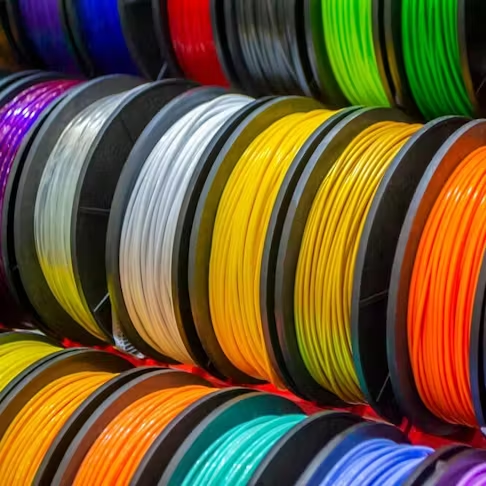
Ensimmäiset käyttökohteet tukivat laitteiden kehitystä. Vähitellen käyttöön tuli tarkempia menetelmiä sekä uusia muoveja ja hartseja.
Lähde: Xometry
Tulostuksessa käytetään esimerkiksi seuraavia materiaaleja:
- Akryylinitriilibutadieenistyreeni (ABS), jota käytetään muun muassa LEGO-palikoissa ja auton osissa.
- Polylaktidi (PLA), usein uusiutuvista raaka-aineista valmistettu muovi. Sen biohajoavuus riippuu olosuhteista; tavallinen PLA ei hajoa nopeasti luonnossa.
- Akryylinitriilistyreeniakrylaatti (ASA), ABS:n kaltainen muovi, jonka hyvä UV-kestävyys sopii ulkokäyttöön.
- Polyeteenitereftalaatti (PET), jota käytetään esimerkiksi pulloissa. Tulostetun esineen elintarvikekelpoisuus on arvioitava erikseen materiaalin, lisäaineiden ja valmistusolosuhteiden perusteella.
- Polykarbonaatti (PC), luja ja usein läpinäkyvä materiaali, jota käytetään muun muassa suojarakenteissa ja kasvihuoneissa.
- Polypropeeni (PP), kemikaaleja ja toistuvaa taivutusta kestävä muovi, jota käytetään esimerkiksi autoissa ja tekstiileissä.
- Korkean suorituskyvyn muovit: polyetereetteriketoni (PEEK), polyetereketoniketoni (PEKK) ja polyeetteri-imidi (PEI, esimerkiksi ULTEM®). Niiden lämmönkesto ja mekaaniset ominaisuudet voivat sopia vaativiin auto-, ilmailu- ja lääketieteen sovelluksiin. Ne ovat kevyitä, mutta eivät kaikilta ominaisuuksiltaan metallien vastineita.
- Muut muovit, kuten polyamidit eli esimerkiksi nailon, polymeeriseokset, iskunkestävä polystyreeni (HIPS) ja vesiliukoinen polyvinyylialkoholi (PVA).
Muoveista muihin materiaaleihin
Muovitulostuksen kehityksessä on pyritty parantamaan nopeutta, laatua ja materiaalivalikoimaa. Myös kierrätettävyys ja ympäristövaikutukset ovat tärkeitä kysymyksiä, kuten muussakin muovituotannossa.
Samalla materiaalia lisäävän valmistuksen periaatteita on sovellettu metalleihin, keramiikkaan, komposiitteihin ja muihin materiaaleihin.
Metallien 3D-tulostus
Muoviosat ovat usein yksinkertaisia ja niitä valmistetaan suurina sarjoina. Tällöin 3D-tulostuksen kilpailukyky kohtaa rajoja.
Ruiskuvalun muotteihin ja automaatioon tehtävät investoinnit voivat olla taloudellisia, kun valmistetaan miljoonia samanlaisia osia. 3D-tulostus on monissa tällaisissa tapauksissa hitaampaa tai yksikkökustannuksiltaan kalliimpaa, vaikka tilanne riippuu osasta ja menetelmästä.
Metalleilla puolestaan on moniin käyttökohteisiin sopivia ominaisuuksia, kuten lujuus, lämmönkesto ja sähkönjohtavuus. Ne vaihtelevat metallin ja seoksen mukaan.
Metalliosia muotoillaan esimerkiksi takomalla, valamalla, leimaamalla ja jyrsimällä. Menetelmien rajoitukset voivat edellyttää useiden erillisten osien valmistusta ja kokoonpanoa.
Yksi tärkeä metallien 3D-tulostuksen menetelmäryhmä on laserilla tehtävä jauhepetisulatus. Siihen kuuluvat SLM- ja DMLS-nimillä tunnetut prosessit:
- Selektiivinen lasersulatus (SLM) muodostaa osan sulattamalla metallijauhetta kerros kerrokselta laserilla.
- SLM:ssä voidaan käyttää myös metalliseoksia; se ei rajoitu puhtaisiin metalleihin.
- Suora metallin lasersintraus (DMLS) on vakiintunut nimitys samankaltaiselle laserjauhepetiprosessille. Nykyaikaisissa järjestelmissä myös jauhe sulaa.
- DMLS:ssä käytetään muun muassa titaani-, alumiini- ja terässeoksia. Menetelmien ero ei ole yksinkertaisesti puhdas metalli vastaan metalliseos.
Tulostuksen etu on mahdollisuus monimutkaisiin rakenteisiin ja sisäisiin kanaviin, joita on vaikea valmistaa perinteisesti. Tämä voi vähentää kokoonpantavien osien määrää tai materiaalin käyttöä. Lujuus on silti osoitettava suunnittelulla, prosessinhallinnalla ja testauksella.

Lähde: Hubs
Metallien 3D-tulostuksen kehitys
Uusia menetelmiä ovat esimerkiksi MIT:n tutkijoiden kehittämä nestemäisen metallin tulostus eli LMP. Siinä sulaa metallia annostellaan muotoon tulostuksen tapaan. Menetelmä yhdistää valun ja digitaalisen valmistuksen piirteitä.
LMP voi nopeuttaa suurten metallirakenteiden valmistusta. Se ei kuitenkaan tarjoa samaa tarkkuutta kuin kaikki muut metallitulostusmenetelmät, joten kyse on eri käyttökohteisiin sopivasta vaihtoehdosta.
Metallitulostus voi laajentua, jos se tuottaa vaatimukset täyttäviä osia kilpailukykyisesti. Artikkelissa viitatun markkinatutkimuksen mukaan metallien osuus oli 53 prosenttia kyseisen tutkimuksen materiaalijaottelusta. Luku riippuu markkinan määritelmästä eikä kuvaa kaikkea maailman valmistusta.

Lähde: Market.us
Komposiitti- ja hybridimateriaalien 3D-tulostus
3D-tulostuksessa voidaan käyttää erilaisia materiaaliseoksia ja yhdistää myös eri materiaaliryhmiä.
Esimerkkinä ovat komposiitit, joissa muovia lujitetaan kuiduilla. Kuitujen tyyppi, määrä ja suunta vaikuttavat osan jäykkyyteen ja lujuuteen.
Lujitteena käytetään esimerkiksi hiilikuitua, lasikuitua tai aramidikuitua, kuten Kevlaria.
Toinen vaihtoehto ovat hybridimateriaalit, joissa muoviin yhdistetään muita aineita. Filamentti voi sisältää esimerkiksi puuta, bambua tai korkkia. Alumide puolestaan yhdistää polyamidin ja alumiinijauheen, mutta sen ominaisuudet eivät vastaa ummetallista osaa.

Lähde: BitFab
Materiaalien yhdistämistä tutkitaan myös FMAP-menetelmällä, joka yhdistää filamentin pursotuksen (FFF), musteen suorakirjoituksen (DIW) ja vapaamuotoisen laserinduktion (FLI).
Kasvavat sovellukset
Ilmailu- ja avaruusteollisuus
3D-tulostuksen mahdollistamat geometriat voivat vähentää materiaalin määrää ja osan painoa säilyttäen vaaditut mekaaniset ominaisuudet.
Painonsäästö on erityisen arvokasta ilmailussa ja avaruustoiminnassa, koska se voi parantaa suorituskykyä tai kasvattaa hyötykuormaa.
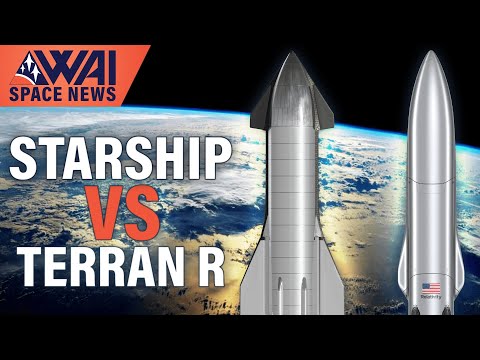
Tätä tavoittelee esimerkiksi Relativity Space rakettien valmistuksessa. Sen Terran R oli vuonna 2024 kehitteillä oleva uudelleenkäytettävä raketti, jonka suunnitelmassa yhdistettiin tulostettuja komponentteja ja muita valmistusmenetelmiä. Koko rakettia ei ollut tarkoitus valmistaa yksinomaan 3D-tulostamalla.
Paikan päällä tapahtuva valmistus
Tavaran kuljettaminen avaruuteen on kallista, ja hinta riippuu kohteesta, kantoraketista ja tehtävästä. Pitkillä lennoilla varaosia on varattava etukäteen, mikä lisää kuljetettavaa massaa.
Tämä vaikeuttaa kuutukikohtien ja Mars-lentojen taloutta. Paikallinen valmistus voisi tukea avaruustalouden kehittymistä ja pitkällä aikavälillä myös avaruudesta tuotettavan energian tutkimusta. Energiantuotanto ei silti olisi käytännössä rajatonta.
Vaihtoehtona on joidenkin osien valmistus paikan päällä, mahdollisesti myöhemmin myös paikallisista raaka-aineista. Tämä edellyttää tulostuksen lisäksi materiaalien hankintaa, käsittelyä ja laadunvarmistusta.
Tiettyihin tehtäviin sopiva tulostin voi olla perinteistä tuotantolinjaa pienempi ja valmistaa erilaisia varaosia tarpeen mukaan. Kaikkia osia tai materiaaleja ei kuitenkaan voida korvata samalla laitteella.
Ensimmäisiä kokeita on jo tehty: ESA:n noin 180 kilogramman metallitulostin aloitti onnistuneet testitulostukset kansainvälisellä avaruusasemalla vuonna 2024.
Uudelleenkäytettävät raketit, paikallinen valmistus ja tulevaisuudessa paikalliset raaka-aineet voivat täydentää toisiaan avaruustehtävissä. Niiden laaja käyttö vaatii kuitenkin vielä kehitystä.
Terveydenhuolto
Terveydenhuolto on prototyyppien ja teollisuusosien ohella tärkeä 3D-tulostuksen sovellusalue.
Yksilöllinen anatomia voi tehdä potilaskohtaisista implanteista hyödyllisiä. Kaikkia hammas- tai lonkkaimplantteja ei kuitenkaan valmisteta yksilöllisesti: myös vakiokokoisia sarjavalmisteisia tuotteita käytetään laajasti.
Potilaskohtaisia rakenteita voidaan käyttää esimerkiksi leuan, kallon tai rintakehän korjauksissa sairauden tai vamman jälkeen. Soveltuvuus ja turvallisuus arvioidaan lääketieteellisesti.

Lähde: 3D Natives
Tutkimuksessa on valmistettu myös silikonisia sydänläppäprototyyppejä, huokoisia luurakenteita ja rintarekonstruktion tukirakenteita. Kaikki kokeelliset ratkaisut eivät ole hyväksyttyjä tai rutiinikäytössä olevia hoitoja. Silikoni on eri materiaali kuin puolijohteissa käytettävä pii.

Lähde: 3D Natives
3D-tulostusta voidaan käyttää myös diagnostiikan ja lääketutkimuksen työkalujen valmistamiseen.
Esimerkiksi elin sirulla- ja keho sirulla -järjestelmät jäljittelevät tiettyjä kudosten toimintoja ja vuorovaikutuksia. Ne voivat auttaa lääkekehityksessä, mutta eivät muodosta täydellistä ihmiskehoa tai automaattisesti poista kliinisten tutkimusten epäonnistumisia.

Lähde: Harvard
Toinen mahdollisuus ovat 3D-tulostetut lääkemuodot, joilla voidaan tutkia yksilöllisiä annoksia ja erilaisia vapautumisominaisuuksia. Lääkkeiden yhdistäminen tai paikallinen valmistus edellyttää kuitenkin tehoa, turvallisuutta ja laatua koskevien vaatimusten täyttämistä.
Biotulostus ja pehmeä robotiikka
Biotulostuksen tavoitteena on käyttää elävien solujen ja biomateriaalien yhdistelmiä toimivien kudosten rakentamiseen. Kokonaisten, siirtokelpoisten ihmiselinten tulostus oli vuonna 2024 edelleen tutkimustavoite.
Biotulostuksen menetelmiä ja siihen liittyviä yrityksiä tarkastelimme aiemmassa artikkelissamme.
Tutkijat kehittävät myös tulostettua hermokudosta ja pieniä aivojen toimintaa jäljitteleviä kudosmalleja. Ne eivät ole kokonaisia aivoja, ja biotulostus sekä organoidien kasvatus ovat eri, toisiaan täydentäviä menetelmiä. Myös verkkokalvon solurakenteiden tulostamista tutkitaan:
3D-tulostus voi tukea pehmeää robotiikkaa ja biologisia rakenteita jäljitteleviä eli biomimeettisiä järjestelmiä. Tavoitteena ovat turvallisemmat ja monipuolisemmat robotit, mutta hyödyt riippuvat toteutuksesta.
Elektroniikka ja laskenta
Materiaalia lisäävää valmistusta voidaan soveltaa suurten metalliosien ohella pieniin elektronisiin rakenteisiin.
Johtavilla ja eristävillä musteilla sekä keramiikalla voidaan valmistaa esimerkiksi piirilevyjä ja erikoiskomponentteja. Alan toimija Nano Dimension ilmoitti vuonna 2024 sopimuksesta Desktop Metalin ostamiseksi, mutta kauppa ei tuolloin ollut vielä toteutunut.
Nano Dimension esitti valmistusmenetelmästään ympäristövertailun: sen mukaan hiilidioksidipäästöt vähenivät 94 prosenttia, veden käyttö 100 prosenttia, materiaalin käyttö 98 prosenttia ja kemikaalien käyttö 82 prosenttia. Nämä ovat yhtiön tiettyyn vertailuun perustuvia väitteitä, eivät kaikkien sen tuotteiden tai koko valmistuksen yleisiä vähennyslukuja.
Tulostettavan elektroniikan tutkimusta edustavat myös nestemäiseen metalliin perustuvat joustavat muistirakenteet. Laboratoriotulokset eivät vielä tarkoita valmiita kaupallisia muistipiirejä.
Betonin 3D-tulostus
3D-tulostusta voidaan käyttää myös rakennusten seinärakenteisiin. Esimerkiksi Saudi-Arabian Jeddassa avattiin vuonna 2024 maailman ensimmäiseksi 3D-tulostetuksi moskeijaksi kuvattu rakennus. Tällaiset hankkeet sisältävät myös perinteisiä rakennustöitä; koko rakennus ei synny yhdellä tulostuksella.
Rakentaminen edellyttää huomattavasti pöytätulostimia suurempia koneita, materiaalinsyöttöä ja työmaajärjestelyjä.

Lähde: Cornell University
Seinien tulostus voi vähentää eräitä työvaiheita ja kustannuksia. Koko rakennuksen hinnanmuutos riippuu kuitenkin hankkeesta, kuten käsittelimme artikkelissa ”Asunnon ostaminen on Pohjois-Amerikassa yhä vaikeampaa – voiko 3D-tulostus auttaa?”.
Rakennustulostuksen mahdollisuuksia tutkitaan myös avaruuskäyttöön:
NASA myönsi ICONille vuonna 2022 noin 57,2 miljoonan dollarin kehityssopimuksen Kuun rakentamisteknologioiden kehittämiseksi. Project Olympus tutkii paikallisen regoliitin hyödyntämistä esimerkiksi laskeutumisalueissa, teissä ja rakennelmissa. Kyse on kehitystyöstä, ei valmiista kuutukikohtien tuotantojärjestelmästä. Mars-sovellukset vaatisivat omaa tutkimustaan.

Lähde: ICON
Materiaalia lisäävän valmistuksen tulevaisuus
Teknologian parantaminen
Perinteiset valmistusmenetelmät ovat kehittyneet teollisen vallankumouksen jälkeen yli kahden vuosisadan ajan. Metallurgian historia ulottuu vielä paljon kauemmas.
Myös 3D-tulostuksen täyden potentiaalin saavuttaminen edellyttää jatkuvaa kehitystä.
Virheiden havaitseminen
Esimerkiksi ilmailun metalliosia tarkastetaan röntgen- ja tietokonetomografialla sisäisten vikojen löytämiseksi. Tarkastus vie aikaa ja rahaa. Syväoppiminen voi auttaa CT-kuvien analyysissä ja laadun arvioinnissa, mutta CT-kuviin perustuva menetelmä ei poista itse kuvantamisen tarvetta.
Toinen tutkittu lähestymistapa on akustinen seuranta, jossa prosessin ääniä analysoimalla pyritään tunnistamaan vikoja jo tulostuksen aikana.
Uudet tuotantomenetelmät
Kaksifotonipolymeroinnissa eli TPP:ssä materiaalin reaktio perustuu kahden fotonin absorptioon, ei kahden erillisen femtosekuntilaserin välttämättömään käyttöön. Uudet kahteen valokenttään perustuvat, pienempitehoisia lähteitä hyödyntävät menetelmät voivat alentaa mikromittakaavan tulostuksen kustannuksia. Käyttökelpoisuus riippuu muun muassa tarkkuudesta, nopeudesta ja materiaalista.
3D-tulostus ei rajoitu filamentin tai jauheen sulattamiseen: käytössä on myös nestemäisiä hartseja ja muita prosesseja. Uusi tutkimussuunta on höyryn käynnistämään faasierottumiseen perustuva VIPS-3D. Se voi auttaa huokoisten ja monimutkaisten polymeerirakenteiden valmistuksessa. Materiaali- ja energiasäästöt on arvioitava tapauskohtaisesti.
4. teollinen vallankumous ja hajautettu valmistus
3D-tulostus on pitkään edellyttänyt teknistä osaamista ja investointeja laitteisiin. Väärin mitoitettu kapasiteetti voi sitoa pääomaa tai rajoittaa tuotantoa.
Palvelumalli pienentää asiakkaan alkuinvestoinnin tarvetta: 3D-tulostuspalvelujen tarjoajat yhdistävät laitteet ja osaavan henkilöstön. Useiden asiakkaiden tilausten yhdistäminen voi tasata kapasiteetin käyttöä.
Palveluihin voidaan yhdistää CNC-koneistus eli tietokoneohjattu työstö, 3D-skannaus ja suunnittelu.
Joissakin järjestelmissä työn tilaaminen, valmistelut tai seuranta onnistuvat myös pilvipalvelun kautta.
Laboratorioissa voidaan joskus korvata kallis erikoiskomponentti edullisella tulosteella. Esimerkkinä on tutkimus, jossa tulostettua osaa kokeiltiin massaspektrometrin näytteenottoratkaisussa. Muutaman dollarin tuloste ei tarkoita koko noin 100 000 dollarin laitteen korvaamista tai kaikkien sen ominaisuuksien säilymistä.
Tällainen kehitys voi lisätä toimitusketjujen joustavuutta ja mahdollistaa joidenkin tuotteiden valmistuksen lähempänä käyttöpaikkaa.
Materiaalia lisäävä valmistus voi siten olla osa 4. teollista vallankumousta yhdessä tekoälyn, robotiikan, älytehtaiden ja verkottuneiden laitteiden kanssa.
Sijoittaminen 3D-tulostukseen
3D-tulostuksen monet sovellukset ovat vakiintuneet, kun taas osa on edelleen kokeellisia. Alan yritysjärjestelyt voivat muuttaa kilpailua. Teknologian hyödyllisyys ei kuitenkaan yksin takaa yksittäisen yrityksen kannattavuutta tai osakkeen tuottoa.
Alan osakkeita voi ostaa niitä tarjoavien välittäjien kautta. Sivustolla on välittäjävertailuja Yhdysvalloista, Kanadasta, Australiasta, Britanniasta ja muista maista.
Muita teknologia-alan yrityksiä esittelemme artikkelissa ”Kymmenen nanoteknologiaosaketta”.
Yksittäisten yhtiöiden sijaan voi tarkastella myös alan rahastoja, kuten ARK Investin 3D Printing ETF:ää (PRNT). Rahaston tuotto riippuu sen sijoituksista, arvostuksista ja kuluista, eikä alan kasvu takaa voittoa.
3D-tulostusyritykset
(Lisää alan yhtiöitä esitellään artikkelissa ”Kymmenen seurattavaa materiaalia lisäävän valmistuksen ja 3D-tulostuksen osaketta”.)
1. Nano Dimension
NNDM Hintakaavio
Monet alan yritykset keskittyvät muovisiin tai metallisiin mekaanisiin osiin. Nano Dimension tunnetaan myös tulostettavasta elektroniikasta sekä johtavista ja eristävistä musteista. Sen tarjonta liittyy muun muassa piirilevyihin, keraamisiin osiin ja erikoiskomponentteihin.
Pienten rakenteiden tulostusta käsittelimme artikkelissa ”Nanomittakaavan 3D-tulostus etenee kohti kaupallista käyttöä”. Tulostettu elektroniikka ei kuitenkaan automaattisesti tarkoita, että kaikki rakenteet olisivat nanomittakaavassa.
Nano Dimension on laajentunut yritysostojen sekä oman tutkimuksen ja kehityksen avulla.

Lähde: Nano Dimension
Heinäkuussa 2024 ilmoitettu sopimus Desktop Metalin ostamisesta tähtäsi tuotevalikoiman laajentamiseen metalli-, keramiikka- ja muihin tulostussovelluksiin. Mahdollisen yhdistymisen hyödyt riippuivat kaupan toteutumisesta ja integraatiosta.
Yhtiöt esittelivät asiakkainaan muun muassa SpaceX:n (SPCX ), Teslan (TSLA ), GE:n, Honeywellin, Emersonin, Raytheonin, NASAn ja Medtronicin. Yhteinen asiakaskunta voisi tarjota ristiinmyynnin mahdollisuuksia, mutta asiakasluettelo ei osoita tulevan myynnin määrää.
Yhtiöiden mukaan niiden maantieteellinen myyntijakauma oli toisiaan täydentävä: Nano Dimensionin suhteellinen paino oli suurempi Euroopassa ja Desktop Metalin Yhdysvalloissa. Tämä ei tarkoita, että Nano Dimension olisi eurooppalainen yhtiö; se perustettiin Israelissa.

Lähde: Nano Dimension
Nano Dimensionin esittämät ympäristöhyödyt koskivat sen omaa valmistusvertailua. Niitä ei pidä sellaisinaan ulottaa kaikkiin Desktop Metalin menetelmiin tai tulevan yhdistyneen yhtiön toimintaan.
Yhtiön tavoite oli vahvistaa asemaansa digitaalisessa valmistuksessa. Johtavan aseman tai kannattavuuden saavuttaminen oli silti epävarmaa.

Lähde: Nano Dimension
Molempien yhtiöiden rahavirta oli ennen suunniteltua yhdistymistä negatiivinen. Kannattavuuden parantaminen edellyttäisi esimerkiksi kustannusten hallintaa, myynnin kasvua tai parempaa tuote- ja palvelujakaumaa.
2. 3D Systems Corporation
DDD Hintakaavio
3D Systems kertoi vuonna 2024 materiaalivalikoimansa kattavan noin 130 materiaalia ja asiakkaidensa valmistavan sen teknologioilla yli miljoona osaa päivässä. Luku ei tarkoita, että yhtiö itse tuottaisi kaikki nämä osat. Vuoden 2023 viimeisellä neljänneksellä se esitteli viisi materiaalia ja kolme tulostinpäivitystä.
Vuoden 2023 liikevaihto laski 9,3 prosenttia noin 488,1 miljoonaan dollariin. Erityisesti oikomishoidon asiakkaiden kysyntä heikkeni. Muut sovellukset, kuten ilmailu ja korut, kehittyivät osin paremmin, mutta eivät poistaneet kokonaislaskua.
Yhtiö kehitti myös biotulostusta ja kudosrakenteita yhteistyökumppaneidensa kanssa. Vuoden 2024 esityksessä keuhko-ohjelman tavoitteeksi mainittiin ihmiskokeiden aloittaminen vuonna 2026 ja noin neljän miljardin dollarin markkinamahdollisuus. Nämä olivat kehitys- ja markkinatavoitteita, eivät hyväksytty hoito tai toteutunut liikevaihto.
Työhön kuului monimutkaisen keuhkokudoksen tukirakenteen tulostaminen. Se ei vielä ollut valmis toimiva siirtoelin. Systemic Bio -tytäryhtiö puolestaan kehitti kudosmalleja lääkekehitykseen ja kertoi sopimuksista kahden suuren lääkeyhtiön kanssa.

Lähde: 3D Systems
Aikaisemmat (ja tulevat?) fuusiot
Vuonna 2023 Stratasysin osakkeenomistajat hylkäsivät Desktop Metalin kanssa suunnitellun yhdistymisen. 3D Systemsin kilpaileva tarjous oli erillinen neuvotteluprosessi. Nano Dimensionin vuoden 2024 Desktop Metal -sopimus saattoi lisätä kilpailijoiden järjestelypaineita, mutta sen vaikutus ei ollut vielä varma.
Yksi mahdollinen kehityssuunta oli markkinan keskittyminen 3D Systemsin, Stratasysin ja Nano Dimensionin kaltaisten toimijoiden ympärille. Velo3D:n ja Markforgedin kaltaiset pienemmät yritykset saattoivat hakea kumppanuuksia tai järjestelyjä, mutta niiden sulautuminen suurempiin ei ollut väistämätöntä.



