
Energia
Resfriamento Radiativo Combate a Mudança Climática Usando o Espaço como Dissipador de Calor

 Adicione Securities.io às suas fontes preferidas no Google

À medida que as cidades crescem e se adensam, aumentam as superfícies de concreto e asfalto. Edifícios e vias absorvem calor, aquecendo o entorno e elevando a necessidade de climatização. As emissões também dependem da fonte de energia. Por isso, uma equipe de pesquisadores da Universidade de Maryland desenvolveu uma solução: um revestimento microporoso chamado vidro refrigerante, apresentado em 2023, que utiliza resfriamento radiativo. Trata-se de um revestimento que contém vidro, não do vidro transparente comum das janelas.
Um avanço no resfriamento radiativo
O combate às mudanças climáticas também envolve usar com mais eficiência a eletricidade produzida. O vidro refrigerante combina dois mecanismos: elevado albedo, que reflete grande parte da radiação solar, e emissão de calor como radiação infravermelha para o espaço, em faixas de comprimento de onda às quais a atmosfera é relativamente transparente. A reflexão da luz solar e a emissão de radiação térmica são processos distintos. O fundo cósmico, a cerca de −270 °C, funciona como referência fria; o vácuo não transporta calor por convecção.
Em seu artigo científico, os autores descrevem o material da seguinte forma:
“Um compósito fotônico desordenado constituído por uma estrutura de vidro microporoso com emissão seletiva no infravermelho de onda longa e refletância solar relativamente elevada, além de partículas de óxido de alumínio que espalham intensamente a luz solar e impedem a densificação da estrutura porosa durante a fabricação.”
O revestimento apresentou bons resultados em diferentes condições. O método de fabricação pode ser adequado a uma escala maior, mas, em 2023, os pesquisadores continuavam os testes e o desenvolvimento de aplicações práticas.

Fonte: www.cera.cool
Quanto ao desempenho, o resumo do estudo afirma:
“Este revestimento de vidro microporoso permite uma queda de temperatura de aproximadamente 3,5 °C ao meio-dia e 4 °C à noite, mesmo em ambientes com umidade elevada, de até 80 por cento.”
As medições detalhadas esclarecem as condições: ao meio-dia, o revestimento estava cerca de 3,5 °C abaixo do ar ambiente a 30 °C, com umidade relativa de 30 por cento. À noite, ficava cerca de 4 °C abaixo do ar a 17,5 °C, com umidade de até 80 por cento. Simulações de telhados de edifícios residenciais de altura intermediária indicaram uma possível redução de aproximadamente 10 por cento nas emissões anuais de dióxido de carbono relacionadas ao resfriamento. Não se tratava de uma redução genericamente medida de todas as emissões do edifício.
O resfriamento radiativo não é novo. O interesse está na combinação de desempenho, resistência ao ambiente externo e possibilidade de produzir o material em escala maior.
O que é um dissipador de calor?
Um dissipador absorve calor de outro objeto e o transfere ao ambiente. Em sistemas eletrônicos e mecânicos, ajuda a evitar o superaquecimento. O contato com um componente quente geralmente envolve condução térmica; a transferência ao ambiente pode ocorrer por convecção e radiação. O vidro refrigerante descrito aqui libera energia como radiação infravermelha em direção ao céu e ao espaço.
Os principais processos e as características de um dissipador são os seguintes:
Condução Térmica: O princípio principal por trás de um dissipador de calor é a condução térmica, um processo físico onde o calor é transferido através de um material. Quando um componente que gera calor (como uma CPU em um computador) esquenta, ele transfere seu calor para o dissipador.
Material: alumínio e cobre são comuns porque conduzem bem o calor. Eles o afastam do componente e o distribuem por uma área maior.
Design e Área de Superfície: Um aspecto chave do design de um dissipador de calor é sua área de superfície. Muitos dissipadores possuem aletas ou outras estruturas para aumentar sua área de superfície. Isso permite que mais ar entre em contato com o dissipador, aprimorando a dissipação de calor.
Convecção: Ar ou líquido que se movimenta sobre a superfície do dissipador facilita o resfriamento convectivo. No resfriamento passivo, o fluxo de ar natural dissipa o calor, enquanto em sistemas de resfriamento ativo, ventiladores ou bombas são usados para aumentar o fluxo de ar ou líquido, respectivamente, aprimorando o efeito de resfriamento.
Radiação: Os dissipadores de calor também dissipam calor através da radiação. O calor absorvido pelo dissipador é emitido como radiação infravermelha, o que ajuda ainda mais a resfriar o dispositivo.
A eficácia depende da condutividade térmica do material, do projeto e da área superficial, da temperatura ambiente e do fluxo de ar ou líquido. Uma boa gestão térmica contribui para a confiabilidade e a vida útil dos sistemas eletrônicos e mecânicos.
O que é resfriamento radiativo?
É um processo natural no qual um objeto perde energia ao emitir radiação, geralmente infravermelha nas temperaturas próximas às da superfície terrestre. Ele faz parte do balanço energético da Terra e pode ser utilizado em diferentes tecnologias.
Os princípios físicos incluem os seguintes:
Radiação infravermelha: os objetos emitem radiação eletromagnética cujo espectro e intensidade dependem da temperatura. Nas temperaturas usuais da superfície terrestre, ela se concentra principalmente no infravermelho. O objeto esfria quando as perdas de energia superam os ganhos, levando em conta também as demais formas de troca de calor.
Emissão para o espaço: algumas faixas de comprimentos de onda infravermelhos atravessam a atmosfera com relativa facilidade, incluindo a janela em torno de 8–13 micrômetros. Uma superfície adequada pode assim liberar calor para o espaço. Umidade, nuvens e outras condições ambientais influenciam o resultado.
Resfriamento diurno e noturno: sem sol, é mais fácil atingir uma temperatura inferior à do ar ambiente. Durante o dia, a energia solar absorvida se opõe ao resfriamento. Mesmo assim, um material muito refletivo e devidamente projetado pode produzir resfriamento radiativo diurno, como demonstrado neste estudo.
Relação com o albedo: o albedo descreve a fração da radiação solar refletida, não apenas sua parte visível. Um albedo elevado reduz a absorção de energia solar. O resfriamento radiativo diz respeito à emissão de radiação térmica. As propriedades se complementam; uma superfície escura pode emitir infravermelho e continuar quente por absorver mais luz solar.
Aplicações: o resfriamento radiativo é estudado para edifícios, veículos e instalações técnicas. Conforme o projeto e as condições, pode reduzir a eletricidade necessária à climatização ou melhorar a eficiência dos sistemas de resfriamento existentes.
A reflexão da luz solar e a emissão de radiação infravermelha são, portanto, processos distintos que, juntos, influenciam o balanço térmico das superfícies naturais e artificiais.
Empresas do Setor que Enfrentam a Mudança Climática
As empresas de capital aberto a seguir fornecem tecnologias de energia ou mobilidade. Não são apresentadas como fabricantes do vidro refrigerante deste estudo.
As tabelas preservam os números históricos do artigo de novembro de 2023, não dados atuais de mercado verificados. O lucro por ação pode refletir a estrutura acionária da época. Um P/L negativo não é um múltiplo de avaliação significativo para uma empresa com prejuízo. Os gráficos e as cotações incorporados podem mostrar informações mais recentes.
1. FuelCell Energy, Inc.
FCEL Gráfico de preços
FCEL Gráfico de preços
| Valor de Mercado | P/L projetado para um ano | Lucro por Ação (EPS) |
| 522,017,258 | -4.32 | $-0.31 |
A FuelCell Energy (FCEL ) desenvolve, fabrica, opera e mantém usinas de células a combustível. A conversão eletroquímica pode melhorar a eficiência e reduzir alguns poluentes em comparação com tecnologias de combustão semelhantes. Porém, as instalações podem usar gás natural, biogás ou outros combustíveis e não são automaticamente livres de fontes fósseis ou de emissões de dióxido de carbono. O benefício climático depende do combustível, da eficiência e do eventual aproveitamento do calor residual.
2. Brookfield Renewable Partners L.P.
BEP Gráfico de preços
BEP Gráfico de preços
| Valor de Mercado | P/L projetado para um ano | Lucro por Ação (EPS) |
| 11,640,020,573 | -86.17 | $-0.49 |
A Brookfield Renewable Partners (BEP ) opera um amplo portfólio de hidrelétricas, parques eólicos, usinas solares e armazenamento na América do Norte, América do Sul, Europa e Ásia. Suas unidades também são negociadas em Toronto (BEP.UN.TO ). A Brookfield Renewable Corporation (BEPC ) é uma estrutura societária separada, cujas ações permutáveis buscam proporcionar exposição economicamente equivalente às unidades da parceria. Os títulos pertencem a categorias jurídicas diferentes. O grupo se concentra na criação de valor de longo prazo com ativos de energia renovável.
3. ChargePoint Holdings, Inc.
CHPT Gráfico de preços
CHPT Gráfico de preços
| Valor de Mercado | P/L projetado para um ano | Lucro por Ação (EPS) |
| 711,322,655 | -1.84 | $-1.06 |
A ChargePoint Holdings (CHPT ) fornece equipamentos de recarga de veículos elétricos, serviços de software e suporte. As soluções atendem residências, empresas, frotas e espaços públicos. Ao facilitar o transporte elétrico, podem reduzir a dependência de combustíveis derivados do petróleo. O resultado em emissões também depende da geração de eletricidade e dos veículos.
Outras empresas que desenvolvem resfriamento radiativo
A CeraCool, empresa não cotada em bolsa, trabalha na aplicação prática e na ampliação da produção de tecnologias de resfriamento radiativo. Ela foi fundada por pesquisadores responsáveis pelo vidro refrigerante apresentado no estudo.
CeraCool desenvolveu uma tinta que reflete a luz solar e emite calor infravermelho. A empresa descreve isso como resfriamento sem consumo próprio de eletricidade pelo revestimento, por meio de reflexão de mais de 95 por cento da radiação solar e emissão simultânea de calor para o espaço através da janela de transparência atmosférica. Isso não significa que a tinta substitua toda a climatização em quaisquer condições. Segundo a empresa, ela pode ser aplicada por pulverização ou pincel em superfícies que esquentam, como telhados e algumas superfícies viárias.
Outro exemplo de empresa privada que inova com tecnologia de resfriamento radiativo é a SkyCool Systems.
SkyCool Systems desenvolve soluções de resfriamento com materiais altamente refletivos que emitem radiação infravermelha. Seus painéis podem, entre outras aplicações, melhorar a eficiência de sistemas baseados em compressão de vapor. A tecnologia busca benefícios energéticos e ambientais cuja magnitude depende da instalação e das condições de operação.
Considerações Finais
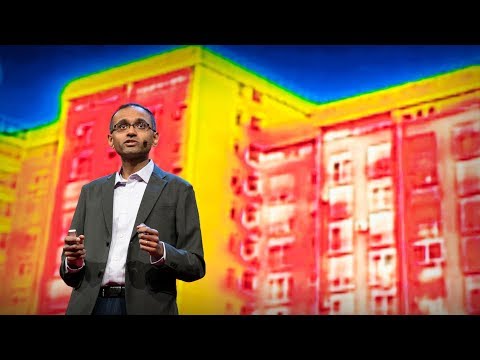
A ação climática também precisa reduzir o uso ineficiente de energia, complementando as fontes sustentáveis. O resfriamento radiativo pode contribuir. Em uma palestra TED, Aaswath Raman discute o possível ciclo de aumento da temperatura, maior demanda por climatização e emissões associadas, e como essa tecnologia pode ajudar a limitá-lo.
Juntamente com outros avanços, como células fotovoltaicas micrométricas com contatos traseiros, iniciativas de empresas como a CeraCool podem gerar benefícios nos anos posteriores ao artigo. O resultado depende da ampliação da produção e do desempenho prático.



