
Råvarer
Rio Tinto (RIO): Utvinning av fremtidens metaller

 Legg til Securities.io blant dine foretrukne kilder på Google
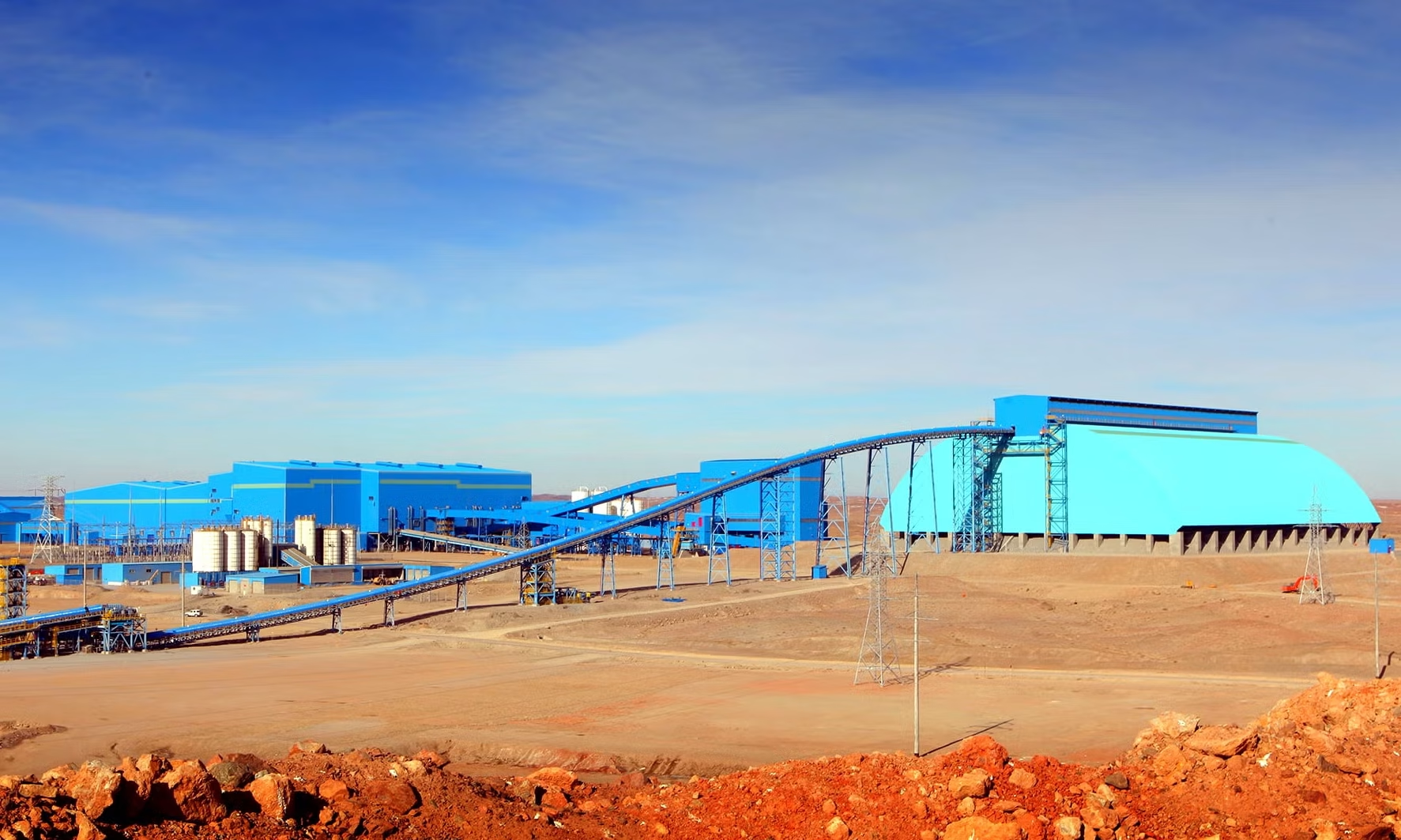
Forberede gruvedrift for energiovergangen
Gruvedrift blir ofte betraktet som en skitten og lavteknologisk bransje, og som en svak investering sammenlignet med mer innovative sektorer.
Dette gjelder riktignok mange deler av bransjen, der hovedfokuset ligger på å utvinne ressurser så billig som mulig.
Samtidig bygger den moderne verden på metaller som gruveselskaper utvinner: litium, kobber, aluminium, titan og sjeldne jordarter. Alle er grunnleggende for AI-datasentre, elbiler, solpaneler, batterier, romfartøy og mye annet.
RIO Prisdiagram
Gruvedrift er derfor kanskje ikke den mest glamorøse delen av energiomstillingen og innovasjonen, men den er likevel avgjørende. Enkelte selskaper går dessuten langt utover ren utvinning.
De største gruveselskapene er også FoU-kraftverk som bruker sin enorme skala til å redusere energi- og vannforbruk, begrense forurensning og forbedre produksjonen av kritiske metaller. De beveger seg også bort fra kull og basemetaller og mot fremtidige strategiske metaller som litium og kobber.
Blant verdens fem største gruveselskaper er det ingen som bedre illustrerer overgangen til mer bærekraftig gruvedrift enn Rio Tinto (RIO ).
Sammendrag
- Rio Tinto er fortsatt drevet av jernmalm, men fremtiden er i økende grad knyttet til kobber, litium, aluminium og andre kritiske metaller.
- Selskapet utvider seg utover Pilbara jernmalm med Simandou i Guinea, Oyu Tolgoi i Mongolia, nye kobberprosjekter i Amerika og oppkjøpet av Arcadium Lithium .
- Vekstprosjekter som Rincon og Arcadium gir Rio innflytelse på batterier, elbiler og utbygging av strømnett i energiovergangen.
- Rio ruller ut ny teknologi inkludert Nuton bioutvasking for kobber, direkte litiumutvinning (DLE) og ELYSIS lavkarbon aluminiumssmelting.
- Ledelsen har som mål å returnere 40–60 % av underliggende inntjening til aksjonærene og har levert nær 60 % utbytte i ni år, selv om utbyttet er syklisk med råvarepriser.
Oversikt over Rio Tintos virksomhet: kjernemetaller og strategi
Rio Tinto er verdens nest største gruveselskap. Jernmalm utgjør den største delen av virksomheten, med betydelige historiske eiendeler i Australia og en ny gigantgruve i Afrika.
Selskapet er også en svært stor produsent av kobber og aluminium og har omfattende planer om å øke kobberproduksjonen.
Det har dessuten raskt ekspandert i litiummarkedet gjennom flere prosjekter og det store oppkjøpet av Arcadium Lithium i 2024.
Rio Tinto er samtidig en ledende produsent av titan, bor og aluminium, der aluminium gir mulighet til å ekspandere innen sjeldne jordarter.

Kilde: Rio Tinto
Denne kombinasjonen gjør Rio Tinto til en stor produsent i noen av verdens største råvaremarkeder. Enda viktigere er det at de fleste gruvene enten er svært store eller har rik malm, noe som gir effektiv drift og produksjonskostnader blant de laveste i verden.

Kilde: Rio Tinto
Med hovedvekt på gruver i Australia, Amerika og Afrika er Rio Tinto en av Vestens viktigste strategiske leverandører av disse metallene, og mer enn 81 % av produksjonen skjer i OECD-land. Dette er viktig fordi nasjonalisering og brudd på eiendomsretten kan være en betydelig risiko for investorer i gruveselskaper i mer usikre jurisdiksjoner.

Kilde: Rio Tinto
Jernmalm: Pilbara og Simandou som Rio Tintos kjerne
Pilbara – Australia
Selv om andre metaller gir ekstra kontantstrøm eller kan forme selskapets fremtid, er jernmalm Rio Tintos historiske opphav og fortsatt kjernen i virksomheten.
Produksjonen av jernmalm vil bli utilstrekkelig i årene som kommer, med et massivt tilbudsgap som utvikler seg på slutten av 2020‑årene, på grunn av at mindre produsenters ressurser tømmes.

Kilde: Rio Tinto
Investeringene i nye ressurser var dessuten historisk lave fra 2016 til 2023. Ettersom nye gruver bruker flere år eller mer enn et tiår på å gå fra prosjekt til full produksjon, vil tilbudet av jernmalm nesten uunngåelig være stramt det neste tiåret.

Kilde: Rio Tinto
En stor del av Rio Tintos og verdens jernmalm kommer fra den røde jorden i Vest-Australia, særlig Pilbara, der Rio Tinto opererer sammen med gruvegiganter som BHP (BHP ) og Fortescue (FMG.AX).
Rio Tintos virksomhet i regionen har en kapasitet på 345–360 millioner tonn i året, fordelt på 13 gruveknutepunkter og 2 000 kilometer jernbane som frakter malmen til egne havner.

Kilde: Rio Tinto
Simandou – Guinea
Selskapet har arbeidet målrettet med å innlemme Simandou-forekomsten i Guinea, som kan nå 60 millioner tonn i året når den er fullt utbygd.

Kilde: Rio Tinto
Dette er et enormt prosjekt i et land som tidligere manglet infrastrukturen som trengtes for å frakte malmen til havet og videre til internasjonale markeder. En 600 kilometer lang jernbane gjorde logistikken mulig, og gruven, som eies sammen av Guineas regjering, et kinesisk konsortium og Rio Tinto, startet driften i november 2025.
«I dag åpner vi en eksepsjonell ny kilde til høyverdig jernmalm som kundene etterspør til produksjon av stål med lave karbonutslipp, og styrker vår verdensledende portefølje av jernmalmgruver i Pilbara og Canada.»
Jernbanen og havnene er nå 61 % ferdige, gruven er 60 % ferdig, og hittil er 3,3 milliarder dollar investert i prosjektet.
«Oppstarten av Simandou-prosjektet er en viktig prestasjon, ledet av enigheten som statsoverhodene i de to landene har oppnådd. Den gjenspeiler Kinas og Guineas felles innsats og pragmatiske samarbeid og bidrar til Guineas industrialisering og modernisering.»
Vekst i kobber, litium og kritiske metaller
Sveip for å bla →
| Prosjekt | Metall | Region | Rolle i strategi | Indikativ skala / tidsramme |
|---|---|---|---|---|
| Pilbara-jernmalmsystemet | Jernmalm | Vest-Australia | Kjernevirksomheten som genererer kontanter og finansierer vekst og utbytte. | På vei mot en systemkapasitet på omtrent 345–360 millioner tonn i året på mellomlang sikt. |
| Simandou | Høykvalitets jernmalm | Guinea, Vest‑Afrika | Diversifiserer jernmalm bort fra Australia; leverer premiummalm for lavkarbonstål. | Drift startet november 2025; opptil ca. 120 Mtpa kombinert eksportkapasitet. |
| Oyu Tolgoi | Kobber, gull | Mongolia | Flaggskip kobberaktiv som understøtter Rio sin eksponering mot elektrifisering. | Nøkkeldriver for 2025 kobberveiledning på 860–875 kt gruppenivå. |
| Rincon | Litium fra saltlake | Argentina, Litiumtriangelet | Bygger en langvarig, storstilt litiumposisjon for elbilbatterier. | Prosjekt til 2,5 milliarder dollar; opptil omtrent 60 000 tonn batterikvalitets Li₂CO₃ i året, 40 års levetid og første produksjon ventet i 2028. |
| Arcadium Lithium | Litium (ulike) | Globale eiendeler | Transformerer Rio til en førsteklasses litiumprodusent med ledende DLE‑teknologi. | Oppkjøpt tidlig i 2025; tredje største litiumprodusent med den største ressursbasen. |
| Nuton | Kobber (fra lavkvalitetsmalmer) | Globale anvendelser | Teknologiplattform for å utnytte tidligere utilgjengelige kobberressurser og gruveavfall. | Biolakingsprosess med opptil omtrent 85 % utvinning; første kobber produsert under reelle forhold i 2025. |
Verdens etterspørsel etter metaller
Flere strukturelle trender understreker behovet for økt metallproduksjon i en verden der de fleste av de beste malmforekomstene allerede er utnyttet eller uttømt.
Den første er befolkningsvekst. Mange av verdens største land, blant annet Kina, India, Indonesia og land i Sørøst-Asia, er i en utviklingsfase som krever store mengder metall til infrastruktur og grunnleggende forbruksvarer.
Den andre trenden er elektrifisering, som krever flere batterier, elektriske motorer, transformatorer og kraftlinjer.

Kilde: Rio Tinto
Samtidig har det aldri vært tregere eller dyrere å utvikle nye gruver, noe som begrenser utviklingen av store forekomster til noen få selskaper som Rio Tinto.

Kilde: Rio Tinto
Rio Tinto har derfor vedtatt en ny strategi for å øke produksjonen med gjennomsnittlig 3 % årlig i perioden 2024–2033. Simandou skal videreutvikle jernmalmvirksomheten og redusere avhengigheten av australske kilder, men selskapets mest omveltende satsing gjelder kobber og litium.
Kobber for elektrifisering: Oyu Tolgoi & andre prosjekter
Kobber er et nøkkelmetall for elektrifisering og kreves i store mengder i elbiler, batterier, transformatorer og kraftkabler. Det går dermed fra å være en industriell råvare til en verdifull strategisk ressurs. Samtidig er de fleste store kobberforekomstene allerede utbygd og i ferd med å tømmes.
Den mongolske gruven Oyu Tolgoi er en viktig drivkraft for Rio Tintos kobbervekst når den underjordiske utvidelsen trappes opp. Selskapet forventer samlet gruveproduksjon på 860–875 tusen tonn kobber i 2025, der Oyu Tolgoi står for en betydelig del av økningen etter mange års investeringer i malmforekomsten og infrastrukturen.

Kilde: Rio Tinto
Kobberet fra Mongolia supplerer eksisterende produksjon i Chile og USA. På lengre sikt kommer Nuevo Cobre i Chile, utviklet sammen med Codelco, La Granja i Peru, Winu i Australia og Resolution i USA.

Kilde: Rio Tinto
Nuton
En annen stor kobbersatsing er Nuton, et teknologiselskap for mer bærekraftig kobberproduksjon. Det har over 30 år utviklet en avansert biolakingsmetode som kan utvinne langt mer kobber fra malm enn tidligere teknologi.
Teknologien kan endre verdens kobbertilbud ved å gjøre vanskelig malm lønnsom. Den bruker bakterier og elektroutvinning for å oppnå utvinningsgrader på opptil 85 %.
«Nuton-teknologien kan endre spillereglene ved å gjøre historisk vanskelig utlakbare sulfidmalmer økonomisk levedyktige. Vi oppnår bransjeledende kobberutvinning på opptil 85 %, over dagens bransjenormer.»
Den kan også utvinne mer kobber fra gruveavfall som tidligere ikke kunne utnyttes fullt ut. Nuton produserte sitt første kobber under reelle driftsforhold tidlig i 2025.
Se: Rio Tintos Nuton-teknologi i praksis (video)
Litium: Arcadium, Rincon og Rio Tintos satsning på batterimetaller
Arcadium
Som ny aktør i sektoren gjorde Rio Tinto et stort innrykk i litiumindustrien da oppkjøpet av Arcadium Lithium ble fullført tidlig i 2025.
Arcadium Lithium var selv resultatet av sammenslåingen av de store litiumprodusentene Livent og Allkem.

Kilde: Arcadium
Arcadium var verdens tredje største litiumprodusent og hadde den største ressursbasen, noe som også ga selskapet de beste forutsetningene for å øke produksjonen.
«Ved å kombinere Rio Tintos skala, finansielle styrke og erfaring med drift og prosjektutvikling med Arcadiums førsteklasses eiendeler og tekniske og kommersielle kompetanse skaper vi en litiumvirksomhet i verdensklasse ved siden av våre ledende virksomheter innen jernmalm, aluminium og kobber.»
Det er verdt å merke seg at oppkjøpet ble gjennomført mot slutten av en dyp nedtur i litiummarkedet. Til tross for lave litiumpriser hadde Arcadium fortsatt en EBITDA-margin på 40 % i første halvår 2024, takket være rike ressurser og markedsledende teknologi for direkte litiumutvinning.
Arcadium har arbeidet med direkte litiumutvinning siden 1996 i kombinasjon med fordampningsdammer og har nylig gjort store fremskritt med å gjøre metoden kommersielt levedyktig som en selvstendig utvinningsmetode.
Arcadium utviklet også LIOVIX, en trykkbar litiumfolie som kan forbedre batteriytelsen, redusere produksjonskostnadene og senke litiumforbruket.

Kilde: Arcadium
Et annet stort litiumprosjekt er Rincon i Argentinas litiumtriangel. Investeringen på 2,5 milliarder dollar, kunngjort i desember 2024, skal skape en stor produsent med kapasitet på opptil 60 000 tonn batterikvalitets litiumkarbonat i året.
Rincon-gruven forventes å ha en levetid på 40 år. Første produksjon er planlagt i 2028, etterfulgt av tre års opptrapping til full kapasitet.
Prosjektet Jadar i Serbia skulle øke Rio Tintos litiumproduksjon ytterligere for EU-markedet, men protester og politisk ustabilitet har foreløpig stanset prosjektet.
Aluminium
Rio Tinto er også en stor aluminiumprodusent med virksomhet gjennom hele verdikjeden, fra bauksitt via aluminiumoksid til aluminium.
Selskapet har lagt aluminiumvirksomheten til regioner med rimelig energi og lave utslipp, særlig vannkraft i Canada og vannkraft og geotermisk energi på Island, men også USA.
Virksomheten kan dra nytte av amerikanske tollsatser, fordi lokal produksjon blir mer lønnsom og de regionale prisene har tilpasset seg for å inkludere tollen.
En annen mulighet er at aluminiumoksid ofte er rikt på sjeldne jordartsmetaller. En grunn til Kinas ekspertise innen raffinering av slike metaller er at landet påla aluminiumraffineriene å rense sjeldne jordarter samtidig.
Rio Tinto vurderer den samme virksomheten, som kan gi innenlandsk og alliert produksjon av sjeldne jordarter utenfor Kinas innflytelse. Selskapet kan også utvinne gallium fra aluminiumproduksjonen.
Det kreves trolig tydeligere markedsinsentiver eller nye politiske tiltak før satsingen blir gjennomført.
«Neste steg er å se litt nærmere på kritiske mineraler og ikke nødvendigvis betrakte dem som separate gruver. Mangelen på et robust spotmarked for mange kritiske mineraler er grunnen til at de fem største gruveselskapene vanligvis ikke er aktive på dette området.»
Andre prosjekter & metaller
Selv om de ikke er avgjørende for hovedvirksomheten, har Rio Tinto flere andre gruver som er verdt å nevne:
- Diavik i Canada, som produserer diamanter.
- Dampier Salt i Australia, som produserer havsalt.
- Burra i Australia, et prosjekt med potensial til å produsere skandium som brukes i aluminiumlegeringer for bedre fleksibilitet og motstand mot varme og korrosjon.
- Produksjon av bor i California, som dekker 30 % av den globale etterspørselen.
- Rio Tinto Iron and Titanium (RTIT) i Quebec, som produserer jern, skandium og 19 % av verdens titan, samt Richards Bay Minerals i Sør-Afrika og QIT Madagascar Minerals (QMM) på Madagaskar.
Innovasjon & bærekraft
I tillegg til Nutons nye kobberutvinning og Arcadiums teknologi for direkte litiumutvinning investerer Rio Tinto tungt i å redusere karbonavtrykket og raskt ta i bruk ny teknologi.
Selskapet har for eksempel sammen med BHP begynt å bruke de første batterielektriske Caterpillar-gruvetransportene i Pilbara som erstatning for dieselkjøretøy. (CAT )
«Disse forsøkene vil hjelpe oss å forstå hvordan alle brikkene passer sammen: batteriteknologi, produksjons- og ladeinfrastruktur, energistyring og forsyningskjedene som kreves for å levere dette i stor skala.»
Tim Day – leder for BHPs jernmalmvirksomhet i Vest-Australia
Selskapet fremmer bærekraftsmerking for aluminium, kobberkatoder og metallpulver.
Det utvikler teknologien ELYSIS for aluminium med lave utslipp, som muliggjorde storskala karbonfri elektrolyse for første gang i august 2025.
Kadmiumtellurid (CdTe), som brukes i tynnfilmsolpaneler som dem fra First Solar (FSLR ), produseres også ved Rio Tintos kobbergruve Kennecott.
«Mer enn 90 % av telluret produseres som et biprodukt fra kobbersmelting og raffinering, og Kennecott er ett av bare to større primære kobbersmelteverk som fortsatt finnes i USA.»
Rio Tinto investerer også i bærekraft gjennom blant annet hydrogenbasert raffinering av aluminiumoksid sammen med Australian Renewable Energy Agency og Sumitomo Corporation, marint biodrivstoff til skipene, karbonfangst med islandske Carbfix og andre partnere samt produksjon av biokarbon med Aymium.
Til slutt har Rio Tinto en risikokapitalvirksomhet som investerer i oppstartsbedrifter innen gruvedrift, raffinering, metalllegeringer og bærekraft.
Investorinnsikter
- Kjerne kontantmotor: Pilbara jernmalm og nå Simandou gir lavkost‑, høy‑margin jernmalm‑eksponering som understøtter Rio Tintos utbyttekapasitet.
- Utnyttelse av energiovergangen: Kobber‑ og litiumvekst (Oyu Tolgoi, Rincon, Arcadium) posisjonerer selskapet som en nøkkelleverandør til elbiler, strømnett og batterier.
- Lav‑karbon metall‑alternativ: Vannkraft‑basert aluminium, ELYSIS‑teknologi, og biprodukter som tellur og potensielle sjeldne jordarter gir oppside dersom grønne premie dukker opp.
- Attraktive kapitalavkastninger: Rio Tinto har som mål 40–60 % av underliggende inntjening returnert til aksjonærene og har levert ~60 % utbytte i ni år, selv om utbyttet er syklisk.
- Risikoer å følge med på: Råvarepris‑sykluser, prosjektgjennomføring (Simandou, Rincon, Resolution), ESG‑kontroverser og jurisdiksjonsrisiko betyr at RIO forblir en syklisk, ikke en obligasjons‑proxy.
Konklusjon: Er Rio Tinto (RIO) en fremtidens metallaksje?
Rio Tinto produserer varer som er helt avgjørende for den moderne industrien, fra rikelig jern til stålproduksjon til aluminium med lave utslipp, titan, kobber og litium.
Selskapet har også en solid historikk med en aksjonærpolitikk som fordeler 40–60 % av det underliggende resultatet, og har i ni år betalt ut omkring 60 %.
Sammen med verdens stadig økende metallbehov, energiomstillingen, befolkningsveksten og Rio Tintos jevne produksjonsøkning det neste tiåret gjør dette aksjen attraktiv for investorer som søker solid utbytte kombinert med noe vekst.
Det er også en relativt trygg gruveaksje når det gjelder jurisdiksjonsrisiko, selv om investorer bør huske at slike risikoer aldri kan elimineres helt i gruveindustrien.
Rio Tinto er dessuten en innovasjonskraft i sektoren, fra mer effektiv teknologi for kobber- og litiumutvinning til lavkarbonproduksjon av stål og aluminium, elektrifisert gruveutstyr og råmaterialer til tynnfilmsolceller.
I en periode med ustabilitet og inflasjon, kanskje til og med stagflasjon, kan det derfor være klokt å få eksponering mot strategiske råvarer samtidig som man drar nytte av elektrifisering og grønn omstilling og mottar utbytte underveis.
Siste Rio Tinto (RIO) aksjenyheter og utviklinger



