
재료 과학
‘ShAPE’를 이용한 금속 폐기물 업사이클링이 우리의 재활용 습관을 바꿀 수 있다

 Securities.io를 Google의 선호 소스에 추가

더 나은 재활용
산업 문명이 발전하고 생산 규모가 커지면서 자원을 더 효율적으로 활용할 필요성이 분명해지고 있습니다. 금속 재활용도 그중 하나입니다. 금속은 원칙적으로 반복해서 재활용할 수 있는 재료입니다.
실제로는 여러 금속이 섞인 폐기물을 처리하는 데 어려움이 있습니다. 금속 자체가 합금이거나 제품에 서로 다른 금속이 함께 들어 있어 분리가 복잡하고 비용이 많이 들 수 있습니다.
이러한 혼합물을 적절히 처리하지 않고 재사용하면 불순물 때문에 강도나 연성이 떨어질 수 있습니다. 따라서 최종 제품이 요구되는 품질과 안전 기준을 충족하도록 관리해야 합니다.
일부 기존 알루미늄 재활용 공정에서는 불순물을 희석하기 위해 새로 생산한 알루미늄을 섞습니다. 이 방식도 자원 절약에 도움이 되지만, 새 알루미늄 없이 폐금속만으로 품질을 확보하는 공정보다는 순환성이 제한됩니다.
이 문제를 해결하기 위해 미국 태평양북서부국립연구소(PNNL) 연구진은 ShAPE(전단 보조 가공 및 압출)라는 공정을 활용했습니다. 연구진은 새로운 1차 알루미늄을 추가하지 않고 스크랩을 고성능 합금으로 업사이클링하는 연구 결과를 Nature Communications에 “고상 합금화를 통한 스크랩 유래 고강도 알루미늄 합금의 업사이클링1”이라는 제목으로 발표했습니다.
알루미늄 재활용 문제
기존 알루미늄 재활용에서는 금속을 다시 녹이는 단계가 비용과 에너지 소비, 이산화탄소 배출에 기여합니다.
스크랩에 섞인 철 등의 불순물은 제품의 성능에 영향을 줄 수 있어, 새로운 알루미늄을 넣어 희석하는 방법이 사용됩니다.
ShAPE
PNNL 연구진은 많은 에너지와 새로운 원료를 투입해 일반적인 알루미늄 제품을 만드는 대신, 중간 공정을 줄이면서 더 우수한 합금을 만드는 방법을 연구했습니다.
이 공정은 스크랩을 용융·주조하는 단계 없이 고상 압출로 직접 처리합니다. 회전 전단과 압력을 함께 이용하는 방식입니다.
고상 압출은 금속을 완전히 녹이는 대신 마찰열과 기계적 변형으로 연화하고 혼합합니다. 따라서 에너지 투입을 줄이면서 균일한 재료를 만들 수 있습니다. 아래 짧은 영상에서 작동 모습을 볼 수 있습니다.
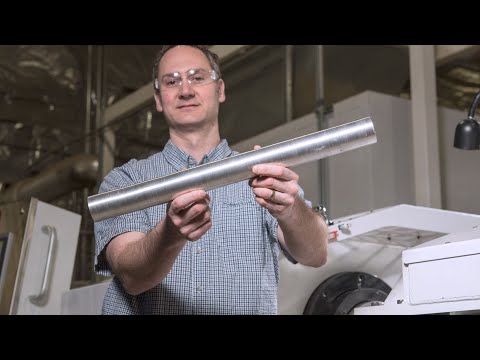
영상에 소개된 장비의 회전 헤드는 분당 500회 회전하며 2,200파운드피트의 토크를 냅니다. 반대쪽 유압 프레스는 회전 헤드를 향해 200,000파운드의 힘을 가할 수 있습니다.

알루미늄 스크랩에 구리(Cu) 분말, 아연(Zn) 분말, ZK60 마그네슘(Mg) 합금 리본을 섞습니다. 이를 균일하게 혼합하면 몇 분 안에 고강도 알루미늄 합금 제품을 만들 수 있습니다. 기존의 여러 단계에 걸친 재활용 공정은 훨씬 오래 걸릴 수 있습니다.
관련 ShAPE 공정에서는 기존 방식보다 에너지 사용을 약 50% 줄인 사례도 보고되었습니다. 절감 폭은 공정과 비교 기준에 따라 달라집니다.

출처: PNNL
우수한 구조 및 성능
현미경으로 관찰하면 업사이클링한 재료의 미세구조가 기존 재활용 알루미늄과 크게 다릅니다. 연구에서 결정립 크기는 기존 재료의 43.1 µm보다 작은 7.7 µm로 나타났습니다.

ShAPE 공정에서는 합금 내부에 기니에-프레스턴 영역이라는 원자 수준의 구조가 형성됩니다. 이러한 구조는 금속 합금의 강도 향상에 기여하는 것으로 알려져 있습니다.
시험한 업사이클링 합금은 비교 대상인 기존 재활용 합금보다 강도가 200% 이상 높았으며, 인장 성능도 향상되었습니다.

알루미늄 형재, 튜브 등 부품을 고상에서 생산한다는 점도 장점입니다. 기존의 용융 공정으로 만들기 어려운 새로운 합금을 개발하는 데 도움이 될 수 있습니다.
고상 합금은 이론적으로 상상할 수 있는 모든 금속 조합에 적용 가능하며, 제조가 완전히 고상 상태에서 이루어진다는 사실은 이전에 만들 수 없었던 완전히 새로운 합금을 고려할 수 있게 합니다.
Cindy Powell – PNNL 에너지 및 환경 담당 최고 과학기술 책임자
재활용 알루미늄을 넘어선 발전
이 기술은 분리하거나 재활용하기 어려운 다른 금속에도 응용할 가능성이 있습니다.
더 강하고 안전한 자동차 구조물처럼 성능이 우수한 합금을 만들거나, 더 적은 재료로 같은 성능을 구현하는 데 활용할 수도 있습니다.
이 접근법은 다른 고상 제조 공정으로도 확장할 수 있습니다. 예를 들어 콜드 스프레이 또는 마찰 교반 용접 및 가공 등이 있습니다.
“스크랩을 업사이클링할 수 있다는 점도 흥미롭지만, 이 연구에서 가장 흥미로운 점은 고상 합금화가 알루미늄 합금과 폐원료에만 국한되지 않는다는 것입니다.”
신디 파월 — PNNL 에너지·환경 부문 최고 과학기술 책임자
금속 3D 프린팅
이 공정은 금속 3D 프린터용 고품질 원료를 만드는 데에도 활용할 수 있습니다.
추가 금속의 양을 정밀하게 조절할 수 있으므로 적층 제조의 특정 요구에 맞춘 합금을 제조하는 데 유용할 수 있습니다.
개선된 미세구조는 최종 3D 프린팅 제품의 강도를 높이는 데에도 도움이 될 가능성이 있습니다.
“와이어 기반 적층 제조를 위해 맞춤형 조성을 가진 공급 와이어를 얻는 것은 어렵습니다. 고상 합금은 2% 구리 또는 5% 구리와 같이 정확한 조성의 맞춤형 합금을 생산하는 환상적인 방법입니다.”
Xiao Li – PNNL 소재 과학자
알루미늄 재활용 기업
Radius Recycling
향상된 재활용을 위한 새로운 방법이 개발됨에 따라, 업계의 기존 기업들은 1차 생산자로부터 시장 점유율을 빼앗아 이익을 얻을 수 있습니다.
우리가 점점 더 많은 재료를 재활용하고 난방 및 운송의 전기화로 전환함에 따라, 재활용 기업들의 업무량은 서서히 그러나 꾸준히 증가할 것으로 보입니다. 금속 재활용 시장은 2024년 9,150억 달러에서 2033년 1조 2,900억 달러로 성장할 것으로 예상되며, 연평균 성장률은 3.9%입니다.
Radius Recycling은 1906년에 설립되었으며 현재 3,500명 이상의 직원을 고용하고 있습니다. 캐나다와 미국 전역에 100개 이상의 금속 및 자동차 재활용 시설과 하나의 철강 제조 시설을 보유하고 있어, 이 지역에서 가장 큰 금속 재활용업체 중 하나입니다.

출처: Radius Recycling
회사는 다음과 같은 금속을 처리합니다.
- 철을 함유한 철금속(케이블, 드럼, 금속 지붕, 자전거, 자동차, 가전제품 등).
- 비철금속: 알루미늄, 구리, 스테인리스 스틸, 아연, 납산 배터리, 와이어, 코일, 전동기, 라디에이터 등.
비철금속 부문에서는 구리와 알루미늄이 큰 비중을 차지합니다.

출처: Radius Recycling
회사는 주주 환원, 부채 비용 관리, 성장 재투자 사이에서 자본을 배분합니다. 이 기사 작성 당시에는 1993년 상장 이후 매 분기 배당을 지급했고 배당수익률은 약 4.5%로 소개되었습니다. 미국 서부 해안의 신규 회수 시설 두 곳도 투자 사례에 포함됩니다.
재활용 산업과 순환경제, 북미 시장 중심의 사업에 관심이 있는 투자자가 검토할 수 있는 기업입니다. 다만 배당과 사업 실적은 변할 수 있으며 안정적인 수익을 보장하지는 않습니다.
연구 참고문헌:
1. Wang, T., Li, X., Li, Z., et al. (2024). 스크랩을 통한 고상 합금을 이용한 고강도 알루미늄 합금의 업사이클링. Nature Communications, 15, 10664. https://doi.org/10.1038/s41467-024-53062-2



