
Energia
Iranin sota tähän mennessä: Yhteenveto, analyysi ja sijoitusjohtopäätökset

 Lisää Securities.io suosikkilähteisiisi Google-palvelussa

Yhdysvallat ja Israel aloittivat laajat iskut Iraniin 28. helmikuuta 2026, ja Iran vastasi iskuilla Israeliin sekä alueen muihin kohteisiin. Tämä artikkeli tarkastelee sodan ensimmäisiä päiviä ja maaliskuun alun markkinareaktioita. Sen historialliset kartat, kaaviot ja lausunnot eivät kuvaa tämänhetkistä tilannetta; myöhemmin tarkentuneita tietoja on erotettu alkuvaiheen arvioista.
Taustalla oli muun muassa kesäkuun 2025 12 päivän sota. Uuden konfliktin laajuutta ei kuitenkaan voi päätellä suoraan aiemmasta yhteenotosta. Väite Lähi-idän suurimmasta sodasta vuoden 2003 jälkeen vaatisi määritellyn vertailumittarin ja sivuuttaisi muuten esimerkiksi Syyrian ja Jemenin pitkät sodat.
Seuraavassa erotetaan tapahtumat, osapuolten ilmoitukset ja mahdollisia kehityskulkuja koskeva analyysi. Sodan kulku, uhriluvut ja markkinahinnat muuttuvat nopeasti, joten yksittäistä alkuvaiheen havaintoa ei pidä käyttää ajantasaisena tilannekuvana tai sijoitussuosituksena.
Yhteenveto:
- Alueellinen kärjistyminen: Helmikuun lopun iskut ja vastaiskut ulottivat turvallisuusriskit useisiin Lähi-idän maihin. Yksittäisen iskun alkuperä ja vaikutukset on varmistettava erikseen.
- Siviiliuhrit ja infrastruktuurivauriot: Alkuvaiheen luvut olivat keskeneräisiä ja osin ristiriitaisia. Diplomaattisten ratkaisujen vaikeus ei tarkoita, että pitkä sota olisi väistämätön.
- Markkinareaktiot vaihtelivat: Energia, osakkeet ja jalometallit reagoivat eri tavoin. Maaliskuun alun hintaliikkeitä ei pidä kuvata koko sodan kattavaksi kehitykseksi.
- Sijoitusnäkökulma: Energiayhtiöt ja vaihtoehtoiset toimituslähteet voivat hyötyä joissakin skenaarioissa, mutta niiden osakkeet eivät takaa suojaa salkulle.
Iranin sodan alku: keskeiset tapahtumat ja epävarmuudet
Ensimmäiset iskut ja vastaiskut
Yhdysvaltojen ja Israelin 28. helmikuuta aloittamissa iskuissa kuoli Iranin korkein johtaja Ali Khamenei ja muita johtohenkilöitä. Iskujen kutsuminen yksiselitteisesti ennalta ehkäiseviksi omaksuisi yhden osapuolen perustelun; niiden oikeutuksesta ja kansainvälisen oikeuden mukaisuudesta esitettiin vastakkaisia kantoja.
Iran iski Israeliin sekä Yhdysvaltojen joukkoihin ja muihin kohteisiin Persianlahden alueella. Tästä ei seuraa, että kaikki kantaman sisällä olevat tukikohdat olisivat joutuneet iskujen kohteiksi. Eri maissa raportoitiin myös torjuttuja ohjuksia, putoavia sirpaleita ja muiden toimijoiden hyökkäyksiä; esimerkiksi Kyproksen tapausta ei pidä automaattisesti kirjata Iranista tehdyksi iskuksi.

Alkuvaiheen kartan lähde: BBC
Alkuvaiheessa julkaistiin erilaisia arvioita laukaistujen ohjusten ja droonien määristä. Niitä ei voi käsitellä yhtenä vahvistettuna kokonaislukuna ilman ilmoittajaa ja ajankohtaa. Iskut aiheuttivat sotilas- ja siviiliuhreja sekä vahinkoja muun muassa tukikohtiin ja liikenneinfrastruktuuriin, mutta kohdekohtaiset tiedot tarkentuivat vähitellen.
Teheraniin kohdistui laajoja iskuja. Paljon huomiota saanut koulu oli kuitenkin Minabissa Etelä-Iranissa, ei Teheranissa. Maaliskuun 3. päivän uutisessa esitettiin Iranin viranomaisiin perustuva 165 kuolleen arvio; myöhemmissä tiedoissa esiintyi 168. AP:n 9. syyskuuta julkaistun selvityksen mukaan kouluun osui ainakin yksi yhdysvaltalainen ohjus; Pentagonin lopullisia tutkintatuloksia ei ollut julkaistu. Uhriluvut, vastuutaho ja tutkinnan vaihe on erotettava toisistaan.
Alueelliset iskut ja niiden arvioinnin rajat
Sodan aikana tietoa julkaistaan nopeasti, ja osapuolilla on vahvoja viestinnällisiä intressejä. Virallinenkin sotilastiedote kertoo ensin sen julkaisijan arvion. Riippumaton varmistus ja myöhempi tutkinta voivat muuttaa kuvaa tapahtumista.
Vahinkojen syntyminen osoittaa, ettei puolustus suojaa kaikkia kohteita täydellisesti. Se ei yksin mittaa ohjuspuolustuksen torjuntaprosenttia tai todista koko järjestelmän tehottomuutta. Arvio edellyttäisi tietoa hyökkäysten määrästä, torjuntapäätöksistä, suojattavista kohteista ja myös torjuntajätteiden aiheuttamista vahingoista.
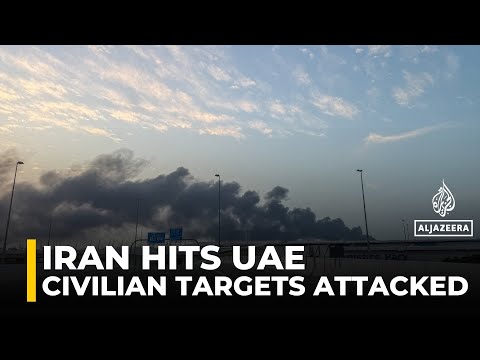
Yhdistyneissä arabiemiirikunnissa raportoitiin lentoliikenteen häiriöitä ja vahinkoja eri kohteissa. Dubaissa hotellien, lentoaseman ja sataman läheisyydessä sattuneissa tapauksissa on erotettava suorat osumat torjuntajätteistä ja muista vahingon syistä. Pitkittynyt turvattomuus voisi heikentää matkailua ja liiketoimintaa, mutta rahoitusjärjestelmän kriisi ei seuraa siitä automaattisesti.
Sodan ensimmäisten päivien jyrkät lausunnot ja keskeytyneet neuvottelut eivät osoittaneet, että kaikki diplomaattiset yhteydet olisivat lopullisesti sulkeutuneet. Yhdysvallat, Israel ja Iran esittivät omia lukujaan iskuista ja tuhotuista kohteista. Näistä ei voi yksin päätellä johdon todellista neuvotteluhalukkuutta, jäljellä olevaa suorituskykyä tai sodan kestoa.
Hormuzinsalmen liikenne häiriintyi voimakkaasti sodan alussa turvallisuus- ja vakuutusriskien vuoksi. Salmen kautta kulki EIA:n mukaan vuoden 2025 alkupuoliskolla noin 20,9 miljoonaa öljybarrelia päivässä, mikä vastasi noin viidennestä maailman nestemäisten öljytuotteiden kulutuksesta. Tämä ei tarkoita viidennestä kaikista hiilivedyistä; LNG-kaupalla on oma erillinen osuutensa. Liikenteen vähentyminen ja oikeudellisesti julistettu sulkeminen ovat eri asioita.
Energiainfrastruktuuria koskevat arviot olivat alkuvaiheessa puutteellisia. Vaurioita ei pidä kuvata yleisesti vähäisiksi eikä myöhempiä toimituksia olettaa turvatuiksi. Tuotantoseisokit, henkilöstön turvallisuus ja vientireittien katkokset voivat vähentää tarjontaa myös ilman öljykentän fyysistä tuhoutumista.

Lähde: Forbes
Kolme yhdysvaltalaista F-15E-konetta menetettiin Kuwaitissa 2. maaliskuuta. CENTCOM ilmoitti syyksi Kuwaitin ilmatorjunnan erehdyksessä avaaman tulen ja kertoi kaikkien kuuden miehistön jäsenen pelastuneen. Tapausta ei siten pidä käyttää näyttönä Iranin onnistuneesta ilmatorjunnasta. Myöskään lentotukialusten sijainnista ei voi yksin päätellä Iranin jäljellä olevaa sotilaallista kykyä.
Pyyhkäise nähdäksesi koko taulukon →
| Aihe | Sodan alkuvaiheen tiedot ja rajaukset |
|---|---|
| Tämän sotavaiheen alku | 28. helmikuuta 2026 |
| Iskujen ja häiriöiden alue | Iran ja Israel sekä useat Persianlahden maat. Iranin tekemät iskut, muiden toimijoiden iskut, torjunnat ja sirpalevahingot eivät ole sama asia. Irania ei pidä listata oman vastaiskunsa kohteeksi. |
| Uhrilukujen tulkinta | Iranissa kuoli johtohenkilöitä ja siviilejä; alkuvaiheen kokonaisluvut eivät olleet riippumattomasti kattavia.
Yhdysvaltalaisten sotilaiden menetyksistä julkaistiin eri ajankohtina päivittyviä tiedotteita. Myös Israelin uhriluvut vaativat ajankohdan ja siviili- ja sotilasuhrien erottelun. Eri päivien arvioista ei muodosteta tässä vahvistettua yhteissummaa. |
| Infrastruktuuri ja toimitusketjut | Sotilaskohteita, siviilirakennuksia ja liikenneinfrastruktuuria vaurioitui eri maissa.
Hormuzinsalmen kautta kulki ennen sotaa noin viidennes maailman öljynkulutusta vastaavasta määrästä ja erikseen merkittävä osuus LNG-kaupasta. Öljyn ja LNG:n tuotanto- ja vientihäiriöitä on arvioitava laitos- ja ajankohtakohtaisesti. Lentoliikenne, satamat, vakuutukset ja matkailu altistuivat turvallisuusriskeille. |
Miksi sota alkoi?
Valtioiden välinen aseellinen voimankäyttö voi muodostaa kansainvälisen aseellisen selkkauksen ilman virallista sodanjulistusta. Yhdysvaltojen käyttämä nimitys ”laajat taisteluoperaatiot” ei yksin ratkaise oikeudellista luokittelua. Sekä voimankäytön oikeutus että sodankäynnin säännöt on arvioitava erikseen.
Iranin ydinohjelma oli keskeinen jännitteiden lähde, mutta rikastettu uraani, kyky valmistaa ase ja päätös rakentaa ydinase ovat eri asioita. Iranin valvontaan ja ydinaineiden selvittämiseen liittyi vakavia avoimia kysymyksiä. Niitä ei pidä esittää sellaisenaan todisteena valmiista aseesta tai varmennetusta käynnissä olevasta aseohjelmasta.
Iranin, Israelin ja Yhdysvaltojen pitkä vastakkainasettelu sekä alueelliset liittolaissuhteet lisäsivät epäluottamusta. Iran kuvasi ydinohjelmaansa rauhanomaiseksi, kun taas sen vastustajat vetosivat turvallisuusuhkiin. Osapuolten retoriikka ei korvaa kansainvälistä valvontaa tai riippumatonta näyttöä.
Ydinohjelmaa koskeva diplomatia oli sisältänyt sekä sopimuksia että vakavia takaiskuja. Yhdysvallat vetäytyi JCPOA-ydinsopimuksesta vuonna 2018. Sopimuksen heikentyminen ja myöhemmät valvontaongelmat ovat dokumentoitavia tapahtumia; väite siitä, että kaikki neuvottelut olisivat vain ajanpeluuta, on osapuolten motiiveja koskeva tulkinta.
Sota voi muuttaa ydinaseisiin liittyviä kannustimia, mutta sen vaikutusta Iranin päätöksiin ei voi mitata varmasti. Khamenein ydinaseita vastustavan fatwan merkityksestä ja poliittisesta sitovuudesta on kiistelty. Se ei yksin todista ohjelman tarkoitusta, eikä johtajan kuolema osoita päätöstä ydinaseen rakentamisesta. Fatwa on islamilaista oikeutta koskeva uskonnollinen kannanotto.
Julkisten tietojen perusteella ei voida varmasti sanoa, kuinka laajoihin vastaiskuihin Yhdysvaltojen hallinto varautui tai mitä riskejä se piti hyväksyttävinä. Poliittiset arviot sodan kestosta eivät ole luotettavia aikatauluja.
Maaliskuun alun uutisessa Trump kuvasi alkuperäiseksi arvioksi neljästä viiteen viikkoa mutta sanoi operaatioiden voivan jatkua pidempään. Tämä oli tuolloinen poliittinen arvio, ei toteutunut kestoennuste.
Lähde: CNN, 4. maaliskuuta 2026
Strategiset tavoitteet eivät ole täysin tiedossa
Osapuolten julkiset vaatimukset voivat vaikeuttaa sovittelua, mutta tavoitteet ja neuvotteluasemat voivat muuttua. Seuraavat näkökulmat ovat mahdollisia strategisia tulkintoja, eivät varmistettua tietoa johdon sisäisistä suunnitelmista.
Yhdysvaltojen ja Israelin näkökulmasta Iranin ydinaseen estäminen on ollut keskeinen tavoite. Israelilla arvioidaan yleisesti olevan ydinaseita, mutta se ei virallisesti vahvista eikä kiistä niiden hallussapitoa. Iranin tilannetta ei siksi pidä verrata yksiselitteisesti julkisesti vahvistettuun alueelliseen asevarastoon.
Iranin tuki Hizbollahille, hutheille ja eräille Irakin aseellisille ryhmille on vaikuttanut alueellisiin jännitteisiin. Ryhmillä on kuitenkin myös omia tavoitteitaan ja toimintakykyään. Historiallinen tuki Syyrian Assadin hallinnolle on erotettava nykyisistä suhteista ja yksittäisten hyökkäysten vastuusta.
Iranin sotilaallisen suorituskyvyn heikentäminen oli iskujen julkinen perustelu. Hallinnon horjuttamista koskevia lausuntoja ja arvioita esitettiin myös, mutta niistä ei voi päätellä yhtä muuttumatonta tai kaikkien osapuolten jakamaa lopputavoitetta.
Iranin johdon näkökulmasta iskuissa saattoi olla kyse hallinnon ja valtion turvallisuuteen kohdistuvasta uhasta. Väite, että Yhdysvaltojen vahvistettu tavoite olisi maan jakaminen etnisiin osiin, ei kuitenkaan perustu tässä esitettyyn näyttöön.
Neuvottelujen aikana tapahtuneet hyökkäykset voivat heikentää luottamusta diplomatiaan. Ne eivät silti osoita, että Iran tai sen vastapuolet olisivat pysyvästi luopuneet neuvotteluista. Diplomaattisten kanavien tilaa on arvioitava ajantasaisista tiedoista.
Yksi mahdollinen sotilaallinen vaikutus on torjuntaohjusvarastojen kuluminen. Varastot, tuotanto ja eri järjestelmien käyttömahdollisuudet vaihtelevat. Ukrainan sodan aiheuttamaa kysyntää ei voi suoraan rinnastaa kaikkien Lähi-idässä käytettävien torjuntaohjusten saatavuuteen, eikä varastopaine takaa hyökkääjän onnistumista.
CSIS arvioi joulukuussa 2025 julkisten toimitus- ja käyttötietojen perusteella kesäkuun 2025 sodan kulutusta. Esimerkiksi 100–250 THAAD-ohjuksen käyttö vastaisi sen laskelmassa noin 20–50:tä prosenttia arvioidusta varastosta. Kyse oli epävarmuuksia sisältävästä skenaarioarviosta, ei vahvistetusta vuoden 2026 varastotilanteesta.
Lähde: CSIS
Persianlahden arabivaltiot joutuivat suojaamaan alueitaan ja punnitsemaan suhteitaan sodan osapuoliin. Niiden asemat eivät olleet keskenään samanlaisia, eikä vahingoista seurannut automaattista päätöstä liittyä sotaan.
Uskonnollinen sunnalais–šiialainen jako ei yksin selitä valtioiden ulkopolitiikkaa. Turvallisuus, kauppa, sisäpolitiikka ja diplomaattiset suhteet vaikuttavat myös. Vastatoimia koskeva uhkaus on erotettava niiden toteuttamisesta.
Qatarin ulkoministeriön tiedottaja korosti sodan alkuvaiheessa infrastruktuuriin ja asuinalueisiin kohdistuvien iskujen vakavuutta sekä johdon mahdollisuutta vastatoimiin. Lausunto kuvasi tuolloista poliittista kantaa, ei kaikkien Persianlahden maiden yhteistä toimintapäätöstä.
Miten sota voi vaikuttaa maailmanmarkkinoihin?
Maaliskuun alun kaupankäyntipäivät näyttivät nopeita ja keskenään erilaisia reaktioita. Niistä ei voinut päätellä sodan lopullista taloudellista vaikutusta. Alla olevat hintakaaviot ovat historiallisia kuvia, eivät reaaliaikaisia noteerauksia.
Sijoituspäätöksissä on erotettava toteutunut toimitushäiriö, sen kestosta tehty ennuste ja hintaan jo sisältyvät odotukset. Myös sijoittajan aikahorisontti, velkavipu ja riskinsietokyky muuttavat saman uutisen merkitystä.
Pitkä tai laaja konflikti voi lisätä taloudellisia vahinkoja, mutta vaikutus ei kasva yksinkertaisessa suorassa suhteessa sotatoimien kestoon. Varastot, korvaavat toimitukset, politiikkatoimet ja kysynnän sopeutuminen voivat lieventää tai voimistaa vaikutuksia.
Öljy ja kaasu
Lähi-idän tuotanto- ja kuljetushäiriöt voivat vaikuttaa maailman öljyn ja LNG:n tarjontaan. Hintavaikutus riippuu häiriön kestosta, käytettävissä olevista varastoista, vaihtoehtoisista reiteistä ja kysynnästä.
Öljyn hintareaktiota ei pidä kuvata pysyvästi hillityksi alkuvaiheen kaavion perusteella. Hinnat voivat nousta, laskea tai vaihdella voimakkaasti odotusten muuttuessa. Yksittäinen prosenttiluku edellyttää vertailulaatua, sopimusta ja tarkkaa ajankohtaa.
Markkinoiden reaktiota ei voi palauttaa vain huolettomuuteen tai uskoon lyhyestä sodasta. Siihen voivat vaikuttaa myös jo hinnoitellut riskit, tuotanto-odotukset, varastopolitiikka, korkotaso ja yleinen talousnäkymä.

Historiallisen kaavion lähde: OilPrice
Kaasumarkkinoilla Qatarin LNG-tuotantoon ja Hormuzinsalmen kuljetuksiin liittyvät häiriöt lisäsivät huolta tarjonnasta. Tuotannon keskeytykset ja toimitusten palautuminen on kuitenkin tarkistettava erikseen; alkuvaiheen seisokkia ei tule kuvata muuttumattomana nykytilana.
Eurooppa ei ole riippuvainen vain Yhdysvaltojen tai Australian LNG:stä. Sillä on myös putkikaasutoimituksia esimerkiksi Norjasta ja Algeriasta sekä muita LNG-lähteitä. Venäläisestä kaasusta luopuminen etenee siirtymäaikojen kautta. Alkuperäisen artikkelin noin 75 prosentin nousu ilman yksilöityä sopimusta ja kellonaikaa ei ole käyttökelpoinen nykyhintatieto.
Vuoden 2022 energiakriisi tarjoaa vertailukohdan, mutta mielekäs vertailu edellyttää samaa kaasusopimusta, valuuttaa ja aikajaksoa. Varastotilanne, sää ja kysyntä poikkeavat vuosien välillä. Historiallisesta kuvasta ei voi päätellä tämänhetkisen kriisin voimakkuutta.

Historiallisen kaavion lähde: Trading Economics
Konfliktialueen ulkopuolella toimiva energiantuottaja voi hyötyä korkeammista hinnoista, mutta sen osake ei ole riskitön suoja. Tuotantokustannukset, suojaukset, verotus, velka ja osakkeen arvostus vaikuttavat tuottoon. Läntinen sijainti ei yksin tee yhtiöstä turvallista sijoitusta.
Kulta ja hopea
Kullan ja hopean lyhyen aikavälin liikkeet eivät seuraa sotauutisia yhdenmukaisesti. Artikkelin alkuperäinen tarkastelu liittyi maaliskuun alkuun ja loppuvuoden 2025 ja alkuvuoden 2026 voimakkaisiin hintavaihteluihin. Aiempi nousu tai lasku ei ratkaise tulevaa kehitystä.

Historiallisen kaavion lähde: Trading Economics
Kultaa käytetään usein arvonsäilyttäjänä epävarmuudessa, mutta senkin hinta voi laskea esimerkiksi dollarin, reaalikorkojen tai likviditeettitarpeiden muuttuessa. Hopeaan vaikuttaa lisäksi merkittävästi teollinen kysyntä. Niitä ei siksi pidä kuvata samanlaisiksi tai vakaiksi turvasatamiksi.
Osa turvallisuushakuisesta kysynnästä voi sisältyä hintaan jo ennen kriisiä, mutta tämä on mahdollinen selitys, ei varmistettu syy yksittäiselle hintaliikkeelle. Sijoittajan on huomioitava myös ostohinta ja sijoitustuotteen rakenne.
Bitcoin
Lohkoketjuanalyysiyhtiöt ovat arvioineet Iranin kryptotoiminnan arvoa eri menetelmillä, eikä arvioitu transaktiovolyymi ole sama asia kuin kansalaisten nettosijoitukset. Maaliskuun 3. päivän uutinen käsitteli varojen ulosvirtauksia iranilaisista pörsseistä. Siirto pörssistä ei yksin todista varojen siirtymistä ulkomaille; vastaanottajan sijainti ja siirron tarkoitus voivat jäädä tuntemattomiksi.
Bitcoinin aiempaa heikkoutta kuvattiin joissakin analyyseissä uudeksi kryptotalveksi. Maaliskuun alun yksittäinen nousupäivä ei kuitenkaan osoita syy-yhteyttä sotaan eikä takaa, että aiempi lasku olisi päättynyt.
CoinSharesin James Butterfill tulkitsi maaliskuun 3. päivän uutisessa Bitcoinin tuolloisen suhteellisen vahvuuden mahdolliseksi merkiksi sijoittajien positioiden sopeutumisesta. Kyse oli ajankohtaisesta markkinatulkinnasta, ei todistetusta turvasatamaominaisuudesta.
James Butterfill – CoinSharesin tutkimusjohtaja kyseisessä uutisessa (CSHR )
Bitcoin on voimakkaasti vaihteleva omaisuuserä, eikä lyhyt poikkeama muiden riskisijoitusten kehityksestä osoita uutta pysyvää käyttäytymismallia. Sitä ei pidä rinnastaa vakaaseen käteispuskuriin tai luvata suojaksi geopoliittisilta tappioilta.
Uusiutuva energia, vihreä ammoniakki ja kemikaalit
Fossiilienergian kallistuminen voi parantaa joidenkin vaihtoehtoisten tuotantomuotojen suhteellista kilpailukykyä. Hyöty ei kuitenkaan jakaudu automaattisesti kaikille alan yhtiöille, eikä energialähteitä voi korvata toisillaan nopeasti kaikissa käyttötarkoituksissa.
Uusiutuvan sähkön tuottajan tulokseen vaikuttavat muun muassa pitkäaikaiset myyntisopimukset, hintasuojaukset, verkkomaksut ja sää. Korkeampi markkinahinta ei siten aina tarkoita vastaavaa lisätuloa yhtiölle tai osakkeenomistajalle.
Öljy ja kaasu ovat myös kemianteollisuuden raaka-aineita. Edullinen paikallinen kaasu voi antaa kustannusetua, mutta viennin kannattavuuteen vaikuttavat kuljetuskapasiteetti, rahdit, tullit, kysyntä ja tuotantokustannukset. Raaka-aine-ero ei yksin takaa suuria voittoja.
Tämä koskee myös uusiutuvaan energiaan perustuvaa vihreää ammoniakkia. Sen sähkökustannus ei välttämättä pysy muuttumattomana, ja investointi-, rahoitus- ja kuljetuskulut voivat nousta. Lannoitteiden kallistuminen voi tukea tuottoja joissakin oloissa, mutta tuotannon skaala ja sopimukset ratkaisevat todellisen hyödyn.
Merikuljetukset
Punaisenmeren hyökkäykset saivat monet varustamot kiertämään Afrikan, mikä pidensi matkoja ja sitoi aluskapasiteettia. Reitti ei kuitenkaan sulkeutunut kaikelle liikenteelle. Pidemmät matkat voivat nostaa rahtihintoja, mutta myös kustannukset ja turvallisuusriskit kasvavat.
Hormuzinsalmen pitkä häiriö voi vähentää kuljetettavia määriä, mutta säiliöalusten tuottoihin vaikuttavat samalla korvaavien toimitusten pidemmät reitit, vakuutukset ja sopimusmarkkina. Seuraukset voivat siis erota kontti-, LNG- ja öljykuljetusten sekä yksittäisten varustamojen välillä.
Tuotantolaitosten vakavat vauriot voivat vähentää vientiä pitkäksi aikaa. Kuljetusyhtiön vaikutusarvio edellyttää kuitenkin tietoa sen reiteistä, asiakkaista, sopimuksista ja siitä, korvataanko menetettyä tuotantoa muualla.
Eurooppa ja Aasia
Vuoden 1973 sota ja sitä seurannut öljysaarto olivat osa 1970-luvun öljykriisiä; vuosikymmenen stagflaatiolla oli muitakin syitä. Yhdysvaltojen kotimainen tuotanto vähentää suoraa tuontiriippuvuutta, mutta ei eristä maailmanmarkkinahinnoista. Myös Kiina on suuri öljyntuoja, joten sitä ei voi yleisesti rajata Aasian haavoittuvuuden ulkopuolelle.
Etelä-Korean KOSPI-indeksi laski 4. maaliskuuta 2026 päätöksessä 12,06 prosenttia, mikä oli sen suurin yhden päivän prosenttilasku. Kyse oli maaliskuusta, ei helmikuusta. Myös muilla Aasian markkinoilla nähtiin voimakkaita liikkeitä, mutta saman päivän vertailussa on erotettava indeksit, päätöskurssit ja päivänsisäiset noteeraukset.
Maaliskuun 4. päivän uutisessa Saxon Charu Chanana kuvasi sijoittajien huolta Aasian energiariippuvuudesta ja laajenevista myynneistä. Lausunto koski tuota kaupankäyntitilannetta, eikä se ennusta koko alueen myöhempää tuottoa.
Charu Chanana – Saxon sijoitusstrategi Singaporessa kyseisessä uutisessa
Kallis tuontienergia voi rasittaa vaihtotasetta, yritysten katteita ja kotitalouksia. Osakemarkkinoiden reaktioon vaikuttavat lisäksi valuuttakurssi, toimialarakenne ja talouspolitiikka. Maakohtaista tuottoa ei voi päätellä pelkästä tuontiriippuvuudesta.
Puolustusteollisuuden osakkeet
Sota voi lisätä puolustushankintojen tarvetta, mikä herättää kiinnostusta alan osakkeisiin. Julkinen budjetti, tilaus, toimitus ja toteutunut tulos ovat kuitenkin eri vaiheita, eikä kasvava tarve muutu välittömästi yhtiön voitoksi.
Ohjuspuolustukseen ja sotilasilmailuun liittyviä yhtiöitä ovat esimerkiksi Northrop Grumman (NOC ) (linkissä yhtiötä käsittelevä analyysi) ja RTX/Raytheon (RTX ). Nimet ovat esimerkkejä toimialasta, eivät todiste siitä, että niiden ostaminen olisi sodan vuoksi hyvä sijoituspäätös.
Arvostus, tilauskanta, tuotantokapasiteetti, toimitusketjut ja sopimusten katteet on arvioitava yhtiökohtaisesti. Aiempi kurssinousu ei yksin osoita osakkeen olevan kallis, eikä pitkän aikavälin kysyntä takaa tuottoa nykyisestä ostohinnasta.
Yhdysvaltojen 7. tammikuuta 2026 antama toimeenpanomääräys koski puolustushankintojen suorituskykyä ja mahdollisia toimia heikosti suoriutuvia toimittajia kohtaan. Osinkoja ja omien osakkeiden ostoja koskenut keskustelu ei tarkoittanut yksinkertaista välitöntä kieltoa kaikille puolustusyhtiöille. Oikeudellinen vaikutus riippuu määräyksen toimeenpanosta, toimittajan tilanteesta ja sopimusehdoista.
Toimialan arvioinnissa on huomioitava sekä mahdollinen kysynnän kasvu että sopimus-, sääntely- ja toteutusriski. Pitkä sijoitusaika tai yksittäisen yhtiön valinta ei poista tappion mahdollisuutta. Hajautuksen ja oman riskirajan arviointi on tärkeämpää kuin varman sotahyötyjän etsiminen.
Sijoittajan keskeiset huomiot:
- Energia ja korvaavat toimitukset: Hyödyt riippuvat hinnoista, kustannuksista, sopimuksista ja tuotantokyvystä. Ne eivät kasva automaattisesti samassa suhteessa Lähi-idän häiriöihin.
- Turvasatama ei tarkoita vakautta: Kulta, hopea ja Bitcoin voivat kaikki menettää arvoaan, ja niiden riskit sekä kysynnän taustatekijät eroavat toisistaan.
- Keskeinen riski on laajeneminen: Infrastruktuurivauriot ja pitkät toimituskatkokset voivat levittää taloudellisia vaikutuksia kauas taistelualueelta.
- Vaikutukset jakautuvat epätasaisesti: Tuontiriippuvuus, varastot, valuutta ja talouden rakenne ratkaisevat. Eurooppa ja monet Aasian maat, myös Kiina, altistuvat eri tavoin.
- Puolustusala kohtaa myös riskejä: Lisätilaukset voivat tukea kysyntää, mutta kapasiteetti, budjetit, sopimusehdot ja osakkeen hinta vaikuttavat sijoittajan lopputulokseen.



