
Computação
Microsoft inventa um novo estado da matéria para o chip de computação quântica Majorana‑1

 Adicione Securities.io às suas fontes preferidas no Google

Majorana 1: uma aposta experimental em qubits topológicos
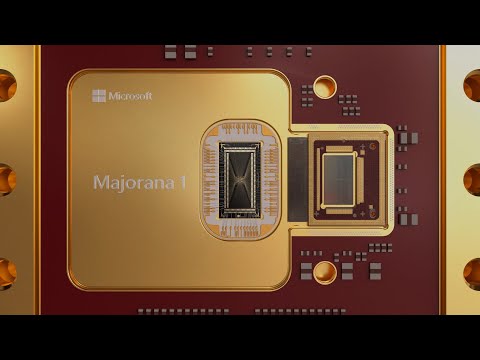
Em fevereiro de 2025, a Microsoft (MSFT ) apresentou o Majorana 1, um protótipo de chip para sua arquitetura de computação quântica topológica. A empresa afirmou ter criado uma nova classe de material, que chamou de «topocondutor», e descreveu um caminho de engenharia para chegar a um milhão de qubits físicos em um único chip.
Essas afirmações precisam de contexto. O artigo publicado na Nature demonstrou uma medição de paridade de disparo único em dispositivos híbridos de arseneto de índio e alumínio. Ele não demonstrou um computador quântico com um milhão de qubits, correção de erros em escala nem, segundo vários especialistas independentes, prova conclusiva de um qubit topológico funcional. A Microsoft descreve a arquitetura e a interpretação como um avanço; parte da comunidade científica continua cética.
MSFT Gráfico de preços
O que são estados topológicos e modos zero de Majorana?
Um estado topológico é definido por propriedades globais do sistema que podem permanecer estáveis diante de pequenas perturbações locais. Na computação quântica, a expectativa é codificar informação de forma distribuída, tornando-a menos sensível a certos tipos de ruído.
Os modos zero de Majorana são excitações quasipartículas previstas para aparecer nas extremidades de determinadas estruturas supercondutoras. Eles não são partículas fundamentais livres observadas diretamente como num detector. A proposta é produzi-los em nanofios semicondutores acoplados a supercondutores e controlados por campos magnéticos e portas elétricas.

Fonte: Microsoft
O dispositivo da Microsoft combina arseneto de índio, um semicondutor, com alumínio supercondutor. Em temperaturas criogênicas e sob condições controladas, a estrutura pode exibir assinaturas compatíveis com uma fase topológica. Assinaturas semelhantes também podem surgir de efeitos não topológicos, razão pela qual replicação e testes discriminantes são essenciais.

Fonte: Physical Review

Fonte: Microsoft
Como é feita a leitura
A arquitetura usa pontos quânticos acoplados às extremidades das estruturas. A capacitância e a carga observadas no ponto quântico dependem da paridade do estado no nanofio. Sinais de micro-ondas permitem inferir essa paridade sem depender de um ajuste analógico complexo para cada medição.

Fonte: Microsoft

Fonte: Nature
Uma medição de paridade rápida e confiável seria um componente importante de um qubit topológico e da detecção de erros. Ainda assim, medir paridade não equivale a demonstrar todas as operações lógicas, o entrelaçamento, a proteção topológica ou a correção de erros repetida de um processador útil.

Fonte: Microsoft
A arquitetura proposta
A unidade conceitual chamada tetron reúne nanofios, modos zero de Majorana e pontos quânticos. Matrizes dessas unidades poderiam, em princípio, implementar medições conjuntas e códigos de correção de erros. O tamanho físico reduzido é a base da meta declarada de alta densidade.

Fonte: Microsoft
Entre o diagrama e um computador tolerante a falhas existem etapas difíceis: fabricação uniforme, rendimento, controle de muitos dispositivos, prova de proteção topológica, portas lógicas, leitura de baixa latência, decodificação e integração criogênica. A meta de um milhão de qubits é um roteiro, não a capacidade do Majorana 1.

Fonte: Microsoft
Atualização: Majorana 2 e o debate em 2026
Em junho de 2026, a Microsoft anunciou o Majorana 2 com uma nova pilha de materiais. A empresa afirmou que a confiabilidade dos qubits melhorou mil vezes, com vida média de 20 segundos e ocorrências de até um minuto. Esses números foram apresentados pela Microsoft e associados a um preprint; devem ser avaliados com revisão por pares e replicação independente.
A atualização não encerrou a controvérsia. Pesquisadores ouvidos pela Nature continuaram questionando se os dispositivos demonstram inequivocamente o regime topológico necessário. A distinção entre uma assinatura compatível com modos de Majorana e a demonstração completa de um qubit topologicamente protegido é central.
Correção de erros e utilidade prática
Computações longas acumulam erros, por isso o indicador importante é o número de qubits lógicos com taxa de erro suficientemente baixa, não apenas o total de componentes físicos. A proteção de hardware poderia reduzir a sobrecarga, mas não elimina todas as fontes de erro nem a necessidade de códigos, medição e decodificação.
A Microsoft pesquisa códigos adaptados à sua arquitetura. As estimativas de redução de sobrecarga dependem das taxas de erro e das correlações que o hardware futuro realmente alcançar. Elas não são resultados medidos em um processador de grande escala.
Possíveis aplicações
Química e materiais
Computadores quânticos tolerantes a falhas podem ajudar a simular moléculas e materiais quando o espaço de estados se torna difícil para métodos clássicos. Isso pode apoiar catálise, baterias e descoberta de fármacos. O ganho varia conforme o algoritmo, a precisão exigida e o custo da correção de erros; promessas de aceleração de milhões ou trilhões de vezes não devem ser generalizadas.
Criptografia e defesa
Um computador quântico suficientemente grande poderia ameaçar sistemas de chave pública usados hoje. Ainda não existe uma máquina capaz de executar esse ataque em escala, mas organizações devem planejar inventário criptográfico e migração para padrões pós-quânticos. Dados que precisam permanecer secretos por muitos anos exigem atenção antecipada.
A participação da Microsoft nos programas de avaliação da DARPA é uma validação de que a abordagem merece análise técnica, não uma certificação de que alcançará computação quântica em escala útil dentro de um prazo determinado.

Microsoft como investimento em computação quântica
MSFT Gráfico de preços
A Microsoft é uma empresa diversificada de software empresarial, nuvem, segurança, inteligência artificial, redes profissionais e jogos. A computação quântica é uma aposta de pesquisa dentro de um negócio muito maior; o valor da ação não depende apenas do sucesso do Majorana.

Fonte: Statista
Azure oferece acesso a hardware quântico de parceiros e ferramentas híbridas. Esse ecossistema pode gerar experiência com clientes antes que o hardware próprio esteja maduro. Também significa que a Microsoft não depende exclusivamente de uma única modalidade de qubit para oferecer serviços experimentais.

Fonte: Microsoft
A pesquisa AI4Science e modelos como MatterGen buscam acelerar a descoberta de materiais com inteligência artificial. Eles são complementares à computação quântica e já podem produzir valor com computação clássica; não comprovam a utilidade comercial de um futuro processador topológico.

Fonte: Microsoft

Fonte: Microsoft
Riscos para o investidor
Os principais riscos específicos incluem falha de replicação, atrasos, rendimento de fabricação, concorrência de qubits supercondutores, íons aprisionados, átomos neutros e fotônica, além de custos criogênicos e falta de aplicações economicamente superiores. Para a Microsoft como um todo, regulação antitruste, segurança cibernética, gastos em centros de dados, concorrência em nuvem e IA e avaliação de mercado são mais relevantes no curto prazo.
O Majorana 1 e o Majorana 2 devem ser tratados como programas experimentais promissores e contestados. O possível retorno de longo prazo é grande, mas ainda não há base para atribuir receita garantida a um computador topológico em escala. Este conteúdo é informativo e não constitui recomendação personalizada de investimento.
Referência do estudo
Microsoft Azure Quantum, Aghaee, M., Alcaraz Ramirez, A. et al. (2025). Interferometric single-shot parity measurement in InAs–Al hybrid devices. Nature 638, 651–655.



