
Kecerdasan buatan
AI Menemukan Deposit Litium Besar di Quebec Dari Luar Angkasa

 Tambahkan Securities.io ke sumber pilihan Anda di Google

AI Menemukan Deposit Litium Besar di Quebec
Seiring meningkatnya kebutuhan sumber daya akibat teknologi baru, perkembangan ekonomi, dan pertumbuhan populasi, metode yang semakin canggih digunakan untuk menemukan deposit mineral baru.
Kebutuhan akan lebih banyak sumber daya ini terutama terasa untuk mineral yang beberapa dekade lalu tidak begitu penting. Akibatnya, banyak deposit potensial masih belum diketahui atau diperkirakan secara buruk.
Hal ini terutama berlaku untuk litium, yang digunakan dalam baterai untuk elektrifikasi transportasi dan sistem energi serta telah bertransformasi dari komoditas minor menjadi sumber daya strategis dalam satu dekade terakhir.
Saat ini, sebagian besar litium dunia berasal dari Segitiga Litium (Bolivia, Chile, Argentina) dan Australia, dengan bahan mentah diubah menjadi litium kelas baterai sebagian besar di China.
Namun deposit baru sedang ditemukan dan dipertimbangkan untuk dieksploitasi, misalnya, brine kaya litium di Arkansas, kolam geotermal, atau proyek baru di AS dan Kanada, secara perlahan membentuk super koridor litium pan-Amerika.
Sudah menjadi negara yang kaya akan sumber daya mineral (minyak, gas, uranium, emas, dll.), Kanada memiliki potensi yang sangat kuat, berkat regulasi yang ramah pertambangan, keahlian lokal, dan geologi yang kaya. Kami sebelumnya telah membahas bagaimana 6 situs pertambangan baru di Kanada dapat menjadi penting bagi produksi litium.
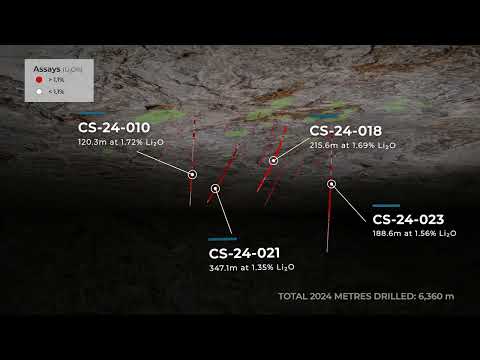
Deposit lain, proyek litium Cisco milik Q2 Metals Corp, telah menggunakan deteksi berbasis luar angkasa untuk mengevaluasi sumber daya mineralnya dan mengungkap potensi lebih dari 300 juta ton batuan kaya litium.
Analisis ruang angkasa dan seismik berbasis AI telah mengidentifikasi formasi pembawa litium yang berpotensi sangat besar di proyek Cisco milik Q2 Metals di Quebec. Meski masih dalam tahap eksplorasi, penemuan ini menyoroti peran Kanada yang kian besar dalam mengamankan pasokan litium Amerika Utara dengan teknologi eksplorasi canggih yang berdampak lebih rendah.
Proyek Litium Cisco di Quebec
Gambaran Umum Proyek dan Lokasi
Cisco dikembangkan oleh Q2 Metals Corp, yang terdaftar di Kanada dan pasar OTC AS (QTWO.V / QUEXF), dan berlokasi di wilayah Eeyou Istchee James Bay, Quebec.

Sumber: Q2 Metals Corp
Klaim mineral seluas 41.253 hektare (159 mil persegi) ini dilintasi jalan raya dan berada dekat dengan koneksi rel kereta.

Sumber: Q2 Metals Corp
Hal ini memungkinkan koneksi ke Bécancour, yang terletak di antara Montreal dan Kota Quebec dan diproyeksikan menjadi pusat litium utama di Amerika Utara.
Matagami merupakan titik akhir jalur kereta CN yang terhubung ke pelabuhan Montreal dan Kota Quebec, serta ke Bécancour.
Bécancour sedang dikembangkan sebagai pusat baterai dan telah menarik investasi besar dari pemerintah federal dan provinsi, serta Ford, General Motors (GM ), POSCO (PKX ), EcoPro, dan pihak lainnya.
Mineral sudah ditambang di wilayah ini, dan proyek-proyek juga sedang dikembangkan di kawasan yang disebut “greenstone belt” oleh perusahaan tambang seperti Rio Tinto (RIO ) dan Patriot Battery Metals (PMETF).
Teknologi Eksplorasi Antariksa dan Seismik Berbasis AI
Dalam kemitraan dengan Fleet Space, sekumpulan satelit kecil dihubungkan dengan sensor darat yang merekam getaran batuan dasar dan mengirimkan hasil pengukuran langsung ke orbit.
Eksplorasi mineral menghadapi tekanan besar untuk memperpendek waktu penentuan target, mengurangi risiko program pengeboran, dan mengoptimalkan anggaran eksplorasi di lingkungan dengan keterbatasan modal.
ExoSphere dari Fleet membawa kami dari prospek ke target yang siap dibor dengan lebih cepat, lebih presisi, dan lebih sedikit ketidakpastian.
Dengan tomografi kebisingan seismik ambien, sensor-sensor ini dapat menganalisis bawah tanah dan memetakan struktur bawah permukaan tanpa bahan peledak. Perusahaan lalu menggabungkan data tersebut dengan data gravitasi, magnetik, dan geologi, serta menggunakan AI untuk menafsirkan semua data yang beragam itu dan menghasilkan gambaran jelas mengenai sumber daya bawah tanah.

Sumber: Fleet Space
Dengan cara ini, algoritme mencari sifat batuan yang sesuai dengan ciri-ciri pada deposit litium yang telah diketahui.
Perangkat lunak kemudian memeringkat target, menandai tren struktural yang mungkin mengandung pegmatit, dan menyusun hasilnya menjadi peta serta penampang yang dapat ditelaah oleh ahli geologi.
Dari sana, tim memilih anomali yang akan dibor, dengan mengetahui bahwa ExoSphere dapat memperbarui modelnya dalam 48 jam ketika data lubang bor tersedia.
Secara keseluruhan, deposit Cisco dapat mengandung hingga 300 juta ton batuan litium dengan kadar satu persen litium oksida, atau 3 juta ton litium murni—sekitar 6% dari keseluruhan Segitiga Litium dalam satu deposit ini saja.
Data yang dihasilkan AI juga menunjukkan bahwa seluruh wilayah tersebut dapat memiliki potensi penambangan litium yang besar, melampaui batas proyek Cisco.
“Dengan para pemimpin pertambangan global menggunakan informasi bawah permukaan waktu nyata dari ExoSphere untuk menyempurnakan target pengeboran, kami memungkinkan hasil yang lebih cepat, lebih cerdas, dan lebih berkelanjutan sepanjang siklus eksplorasi dan pengembangan sumber daya.
Kami bangga mendukung Q2 dalam memajukan proyek yang berpotensi memperkuat ketahanan rantai pasokan litium di benua Amerika secara berarti.”
Flavia Tata Nardini – CEO & Salah Satu Pendiri Fleet Space
Swipe to scroll →
| Metode Eksplorasi | Eksplorasi Mineral Tradisional | Eksplorasi Berbasis AI & Antariksa |
|---|---|---|
| Sumber Data | Pemetaan permukaan, sampling, geofisika terbatas | Sensor seismik, satelit, data gravitasi, magnetik & geologi |
| Waktu ke Target Bor | Bulan hingga tahun | Minggu hingga bulan |
| Efisiensi Modal | Risiko tinggi bor kering atau sub‑optimal | Risiko bor berkurang melalui target AI berperingkat |
| Dampak Lingkungan | Survei fisik ekstensif dan uji bor | Gangguan permukaan lebih rendah sebelum pengeboran |
| Pembaruan Model | Interpretasi statis | Pembaruan AI berkelanjutan saat data baru tiba |
Mengapa Quebec Merupakan Lokasi Strategis untuk Penambangan Litium Rendah Karbon
Keuntungan lainnya adalah Quebec merupakan wilayah yang relatif kaya air, sehingga kegiatan pertambangan tidak terlalu membebani sumber daya lokal yang digunakan penduduk setempat.
Ketersediaan air yang melimpah ini juga berarti adanya tenaga air yang melimpah. Listrik rendah karbon dan murah ini sudah digunakan oleh perusahaan seperti Rio Tinto untuk memproses bijih bauksit menjadi aluminium dengan biaya lebih rendah dan emisi karbon lebih sedikit.
Karena litium sebagian besar ditambang sebagai “mineral hijau” untuk baterai dan dekarbonisasi, profil emisi rendah karbon dapat membantu menjadikan penambangan litium di wilayah ini lebih ekologis dan memperoleh premi di banyak pasar.
Listrik murah juga mungkin penting bagi proses penambangan itu sendiri, tidak hanya untuk pengolahan bijih, tetapi juga untuk kendaraan tambang (ekskavator, truk, dll.) yang dapat di‑elektrifikasi dengan cepat.
Namun, salah satu hal yang dapat menunda proyek adalah lokasinya di wilayah tradisional Eeyou Istchee, tempat masyarakat Cree memiliki sejarah panjang penggunaan lahan dan kepentingan dalam keputusan pertambangan.
Aturan perizinan Quebec mengharuskan penilaian lingkungan dan konsultasi dengan pemerintah adat sebelum proyek bergerak. Hal ini menambah waktu tetapi membantu membangun legitimasi ketika konsultasi berhasil.
Biasanya perusahaan tambang mencari cara untuk membantu masyarakat setempat sebagai bagian dari kesepakatan. Penambangan litium juga secara umum tidak terlalu merusak lingkungan dibandingkan ekstraksi mineral lainnya.
Proyek litium Cisco menegaskan dua tema investasi yang saling bertemu: pentingnya rantai pasokan litium domestik secara strategis dan semakin cepatnya peran AI dalam eksplorasi mineral. Meski estimasi sumber daya masih awal, infrastruktur, tenaga air, dan dukungan pemerintah Quebec menempatkan proyek seperti Cisco sebagai calon kontributor jangka panjang bagi ketahanan pasokan kendaraan listrik dan baterai di Amerika Utara.
Peran Kanada dalam Rantai Pasokan Litium Global Masa Depan
Kanada sedang berkembang menjadi produsen litium penting yang setara dengan negara-negara produsen utama dunia, sekaligus memungkinkan produsen baterai dan kendaraan listrik Amerika Utara memindahkan kegiatan mereka lebih dekat ke rantai pasokan.
Hal ini terutama didukung oleh tenaga air yang melimpah dan transportasi yang efisien, sementara pemerintah lokal dan federal telah menetapkan industri litium sebagai prioritas pembangunan ekonomi.
Berita ini juga menggambarkan meningkatnya pemanfaatan teknologi ruang angkasa dan AI untuk meningkatkan, mempercepat, dan mengurangi dampak eksplorasi mineral.



