
Kestävyys
Aurinko, joka ei koskaan laske – Reflect Orbitalin suuret suunnitelmat aurinkoenergian mullistamiseksi

 Lisää Securities.io suosikkilähteisiisi Google-palvelussa

Aurinko nousee
Aurinkoenergia on noussut merkittäväksi energialähteeksi runsaan saatavuutensa ansiosta. Paneelit tuottavat sähköä ilman polttoaineen polttamista ja suoria käytönaikaisia hiilidioksidipäästöjä. Valmistukseen ja muuhun elinkaareen liittyy silti päästöjä myös silloin, kun tuotannossa käytetään uusiutuvaa sähköä.

Lähde: Clean Energy Review
Käsittelimme aihetta tarkemmin artikkelissa ”Aurinkoenergian aikakausi – valoisampi tulevaisuus ihmiskunnalle”. Hyötysuhteen paraneminen ja valmistuskustannusten lasku ovat vahvistaneet aurinkovoiman kilpailukykyä fossiilisiin polttoaineisiin nähden.

Lähde: News Channel 3
Aurinkovoiman keskeinen rajoite on tuotannon vaihtelu. Paneelit eivät tuota auringonvalosta sähköä yöllä, ja pilvisyys vähentää tuotantoa vaihtelevasti. Pilvinen päivä ei kuitenkaan aina merkitse lähes olematonta tuotantoa.
Aurinkovoiman laaja käyttö edellyttää ratkaisuja, joilla tuotanto ja kulutus sovitetaan yhteen eri aikoina.
Akkuihin voidaan varastoida päivällä tuotettua sähköä myöhempää käyttöä varten. Laajat siirtoverkot puolestaan yhdistävät alueita, joiden tuotanto- ja kulutusolosuhteet eroavat toisistaan. Myös kysyntäjousto ja muut tuotantomuodot voivat tasata vaihtelua.
Varastointi ja siirtoverkot tarvitsevat investointeja ja materiaaleja. Niiden kustannukset ja hyödyt riippuvat käyttöpaikasta ja järjestelmän kokonaisuudesta.
Yksi tutkittu vaihtoehto on kerätä aurinkoenergiaa avaruudessa. Sopivalla kiertoradalla auringonvaloa voidaan saada pitkiä jaksoja ilman pilvien vaikutusta. Kaikilla kiertoradoilla valaistus ei kuitenkaan ole keskeytymätöntä, ja energia on vielä toimitettava käyttäjille.
Aurinkoenergiaa kiertoradalta
Laukaisukustannusten lasku on lisännyt kiinnostusta avaruusaurinkovoimaan. SpaceX (SPCX ) on edistänyt rakettien osien uudelleenkäyttöä, mutta ei keksinyt kaikkia uudelleenkäytettäviä avaruusaluksia. Kustannusten kymmenkertaista alenemista koskevat arviot riippuvat vertailukohdasta ja hyötykuormasta; uusi vastaava pudotus on ennuste, ei toteutunut tulos.

Lähde: Ark Invest
Energiasatelliitit
Yksi pitkään tutkittu ratkaisu on asentaa suuri aurinkopaneelikenttä satelliittiin ja siirtää sähköstä muunnettu energia Maahan mikroaaltoina. Sopivilla taajuuksilla pilvet vaimentavat mikroaaltoja paljon vähemmän kuin näkyvää valoa.

Tämä ratkaisu on maahan asennettua aurinkovoimaa monimutkaisempi:
- Maassa: auringonvalo muunnetaan tasavirraksi, tasavirta vaihtovirraksi ja sähkö siirretään verkkoon.
- Avaruudessa: auringonvalo muunnetaan sähköksi ja edelleen mikroaalloiksi; vastaanottimessa mikroaallot muunnetaan takaisin sähköksi ja tarvittaessa vaihtovirraksi ennen verkkosiirtoa.
Lisävaiheet edellyttävät enemmän laitteistoa ja kiertoradalle kuljetettavaa massaa. Jokainen muunnosvaihe aiheuttaa myös energiahäviöitä.
Pidempi auringonvalon saatavuus ei yksin takaa maassa tuotettua sähköä halvempaa energiaa. Muunnoshäviöt, laitteiston hinta, laukaisut ja ylläpito vaikuttavat kokonaiskustannuksiin.
Myydäänkö auringonvaloa?
Reflect Orbital tutkii toisenlaista lähestymistapaa.
Ajatuksena on viedä kiertoradalle suuri peili paneelien ja mikroaaltolähettimen sijasta. Peili ohjaisi auringonvaloa maanpinnalle, jossa olemassa olevat aurinkopaneelit voisivat hyödyntää sitä. Pilvet vaikuttaisivat edelleen heijastettuun näkyvään valoon.

Lähde: Reflect Orbital
Heijastamista kokeiltiin Venäjän Znamya-hankkeessa 4. helmikuuta 1993. Kokeilu osoitti perusperiaatteen, mutta ei kaupallisesti kannattavaa energiantuotantoa. Rahoitus, laukaisukulut ja järjestelmän käytännön toteutus olivat keskeisiä haasteita.
Peilikonseptilla voi olla seuraavia etuja paneeleihin ja energiansiirtoon perustuvaan avaruusjärjestelmään verrattuna:
- Energiasatelliittien komponentit kuluvat, ja niiden huolto sekä kierrätys avaruudessa ovat vaikeita. Myös peilien käyttöikä ja poistaminen kiertoradalta on silti ratkaistava.
- Ohut heijastava kalvo voi olla aurinkopaneelikenttää kevyempi. Pienempi massa voi vähentää laukaisukuluja, mutta mukaan on laskettava myös tukirakenne ja ohjauslaitteet.
Reflect Orbitalin liiketoiminta-ajatuksena on myydä lisävalaistusta aurinkopuistoille esimerkiksi ilta-aikaan, jolloin sähkön hinta voi olla korkea. Käytettävissä oleva aika ja tuotannon lisäys riippuvat kiertoradasta, säästä ja peilin ominaisuuksista.
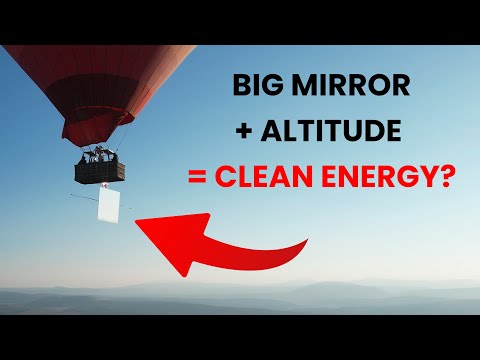
Yritys esitteli periaatetta ilmapalloon kiinnitetyllä peilillä. Maanpäällinen demonstraatio havainnollisti valon suuntaamista, mutta ei ollut toimivan kiertoratajärjestelmän osoitus.
Kuinka toteuttamiskelpoinen hanke on?
Tiimi
Yrityksen toinen perustaja ja toimitusjohtaja on Ben Nowack. Hänen taustaansa kuuluu työskentely SpaceX:llä muun muassa Crew Dragonin propulsiojärjestelmään liittyvien komponenttien parissa.
Teknologiajohtaja Tristan Semmelhack työskenteli nuorena insinöörinä droonikuljetuksia kehittävässä Zipline-yhtiössä.
Heliostaattien suunnittelija Robert Salazar on työskennellyt NASA:n Jet Propulsion Laboratoryssa Starshade-hankkeen valosuojan parissa. Hänen kokemukseensa kuuluvat myös erittäin kevyet avautuvat heliostaatit Kuun ääriolosuhteisiin suunnatussa Transformers-hankkeessa.

Lähde: NASA
Tiimillä on siis avaruustekniikkaan ja heijastaviin rakenteisiin liittyvää kokemusta. Tämä tukee kehitystyötä, mutta ei yksin osoita hankkeen teknistä tai kaupallista onnistumista.
Nowackin kokemus voi auttaa ymmärtämään laukaisujen vaatimuksia. Se ei kuitenkaan takaa SpaceX:n palvelujen saatavuutta, erityisehtoja tai kumppanuutta.
Tekninen toteutettavuus
1990-luvun kokeet osoittivat peiliheijastuksen periaatteen. Uusi järjestelmä voi hyödyntää aurinkopurjeiden, avautuvien antennien ja taiteltavien rakenteiden tutkimusta. Suuren kalvon pakkaaminen, avaaminen ja tarkka suuntaaminen ovat silti vaativia tehtäviä.
Erittäin kevyitä heijastavia pintoja osataan valmistaa, mutta niiden toiminta avaruusolosuhteissa vaatii huolellista suunnittelua. Maanpinnalta peilit voisivat näkyä kirkkaina pisteinä; kirkkaus ja valaistun alueen koko riippuvat järjestelmästä.

Lähde: Glasgow’n yliopisto
Vuoden 2022 tutkimuksessa ”Enhancing solar energy generation and usage: Orbiting solar reflectors as an alternative to energy storage” mallinnettiin 30 heijastimen kokonaisuutta. Kunkin halkaisija oli kilometri, oletettu käyttöikä 20 vuotta ja massa noin 7 860 kg. Kyse oli laskennallisista oletuksista, ei rakennetusta satelliittiverkosta.
Hankintakustannukseksi oletettiin 375 dollaria kilogrammalta, eli pyöristettynä noin 3 miljoonaa dollaria heijastimelta ja 90 miljoonaa dollaria koko verkolta. Mallissa arvioitiin noin 100 MWh:n lisäenergian tuotantoa. MWh mittaa energiaa, ei hetkellistä tehoa; tulos riippui mallin aurinkopuistoista ja käyttöehdoista.
Taloudellinen kannattavuus
Tutkimuksessa käytettiin laukaisukustannuksena 1 400 dollaria kilogrammalta, Falcon Heavyn vuoden 2018 hintatietoihin perustuen. Todellinen hinta riippuu tehtävästä ja hyötykuormasta. Alle 1 000 dollarin tasoa ja Starshipin mahdollista vaikutusta koskevat arviot eivät tarkoita kaikille asiakkaille toteutunutta yleishintaa.
Mallin oletuksilla järjestelmä ei ollut kannattava käytetyllä laukaisuhinnalla. Tutkijat arvioivat myös kustannusrajoja, joilla kannattavuus voisi syntyä erilaisissa sähkömarkkinoissa. Kustannuksia jaettiin mallissa viiden aurinkopuiston kesken.
Ensimmäisessä markkinatilanteessa sähkön päivänsisäinen hinta vaihteli melko vähän, ja esimerkkinä käytettiin Intian vuoden 2020 tietoja. Kannattavuusrajaksi saatiin noin 257 dollaria kilogrammalta.

Lähde: Applied Energy (LC = laukaisukustannus, PC = hankintakustannus)
Toisessa tilanteessa sähkön hinta vaihteli voimakkaasti, ja esimerkkinä käytettiin Kalifornian vuoden 2020 tietoja. Mallin kannattavuusraja oli noin 558 dollaria kilogrammalta. Nämä rajat eivät ole yleispäteviä lupauksia hankkeen tuotosta.

Lähde: Applied Energy (LC = laukaisukustannus, PC = hankintakustannus)
Mahdolliset sovellukset
Ensimmäinen esittelyhanke
Vuonna 2024 yritys mainosti mahdollisuutta varata valaistu alue noin neljäksi minuutiksi ja viiden kilometrin alueelle. Rajattua saatavuutta suunniteltiin vuoden 2025 viimeiselle neljännekselle. Aikataulu oli tuolloin tavoite, ei toteutunut palvelu.
Esittelysuunnitelmassa käytettiin noin 35 paunan painoisia satelliitteja, eli noin 16 kg:n laitteita. Niihin suunniteltiin kiertoradalla avautuva 33 × 33 jalan eli noin 9,9 × 9,9 metrin Mylar-peili.
Pienen järjestelmän ensisijainen tarkoitus olisi demonstroida ja markkinoida toimintaa, ei tuottaa merkittävää määrää sähköä. Yritys esitteli ajatuksen yöllisen valon tilaamisesta puhelinsovelluksella.
Aurinkovoiman tuotanto
Ilmeinen käyttökohde olisi lisävalon toimittaminen suuriin aurinkopuistoihin korkean iltahinnan aikana. Markkina on valittava huolellisesti, sillä akut ja muut joustoratkaisut kilpailevat samasta tarpeesta.
Kiertoradan valinnassa on huomioitava asiakkaiden sijainti, näkyvyys satelliittiin ja se, milloin peili voi vastaanottaa sekä suunnata auringonvaloa.
Lisävaloa voitaisiin tutkia myös pohjoisten aurinkopuistojen tuotannon kasvattamiseen esimerkiksi Kanadassa ja Skandinaviassa. Talven heikko luonnonvalo ei kuitenkaan yksin tee ratkaisusta toimivaa: pilvet, kiertorata ja saavutettava valaistus määräävät hyödyn.
Keinotekoinen kaupunkivalaistus
Yksi ehdotettu käyttökohde on suurten kaupunkien valaistus.
Tällainen ratkaisu voisi kuitenkin olla vaikea perustella verrattuna paikallisiin valaisimiin, jotka käyttävät esimerkiksi aurinkopaneeleja ja akkuja. Lisäksi valaistuksen suuntaus ja ympäristövaikutukset olisi ratkaistava.
Maatalous
Kasvien yhteyttäminen tarvitsee valoa. Avaruuspeilien lisävalaistusta on mahdollista pohtia myös kasvihuoneille, joissa käytetään nykyisin LED-valoja.
Taloudellisesti mahdollinen käyttö vaatisi todennäköisesti suuria viljelyalueita ja tarkkaa kustannusvertailua. Alankomaiden ja Etelä-Espanjan laajat kasvihuonealueet ovat esimerkkejä mahdollisista tutkimuskohteista, eivät todistettuja asiakkaita.
Pohjoisten alueiden lyhyttä kasvukautta voisi periaatteessa pidentää lisävalolla. Vaikutukset kasvien rytmeihin, lämpötilaan ja ympäristöön sekä palvelun hinta olisi kuitenkin tutkittava ennen käytännön johtopäätöksiä.
Kiertoratapeilien rajoitukset
Teknisten ja taloudellisten kysymysten lisäksi peilikonseptiin liittyy ympäristöön ja tähtitieteeseen kohdistuvaa kritiikkiä.
Laajasti käytetyt peilit voisivat lisätä valosaastetta ja haitata maanpäällisiä tähtitieteellisiä havaintoja. Haitan laajuus riippuisi muun muassa satelliittien määrästä, kirkkaudesta ja käyttöajoista. Kaiken tähtitieteen muuttuminen mahdottomaksi ei ole tämän perusteella osoitettu tulos.
Yövalaistus voi häiritä yöeläimiä, muuttoa ja hyönteispopulaatioita. Avaruuspeilien vaikutukset näihin ilmiöihin olisi arvioitava huolellisesti ennen laajaa käyttöönottoa.
Sijoittaminen aurinkoenergiaan
Aurinkoenergian tuotanto on kasvanut nopeasti ja voi auttaa vähentämään päästöjä. Fossiiliset polttoaineet tuottivat vuonna 2024 edelleen suurimman osan maailman sähköstä ja vielä suuremman osuuden kokonaisenergiasta. Tämä jättää paljon tilaa energiajärjestelmän muutokselle.
Aurinkopaneelimarkkinoiden kova kilpailu korostaa mittakaavaetuja ja kustannusten hallintaa. Uudet teknologiat voivat silti muuttaa vakiintuneiden piipaneelivalmistajien asemaa. Suuri tuotanto ei yksin takaa kannattavuutta.
Peilit voisivat lisätä olemassa olevien aurinkopuistojen tuotantoa joillakin tunneilla, jos järjestelmä toimii suunnitellusti. Kannattavuus riippuisi lisäenergian arvosta sekä peilipalvelun ja vaihtoehtoisten ratkaisujen kustannuksista.
Aurinkoenergiayhtiöiden osakkeita voi ostaa monien välittäjien kautta. Securities.io esittelee välittäjiä Yhdysvalloissa, Kanadassa, Australiassa, Isossa-Britanniassa ja monissa muissa maissa.
Vuoden 2024 artikkeli mainitsi yksittäisten osakkeiden vaihtoehtoina rahastot Global X Solar ETF (RAYS), Invesco Solar ETF (TAN) ja Global X China Clean Energy ETF (2809.HK). Rahasto voi hajauttaa yhtiöriskiä, mutta ei poista toimiala- tai markkinariskiä. Saatavuus ja ehdot on tarkistettava erikseen.
Lue myös artikkelimme ”10 tarkasteltavaa aurinkoenergiaosaketta”.
Aurinko- ja avaruusyritykset
1. Rocket Lab
RKLB Hintakaavio
Rocket Lab (RKLB ) kehittää laukaisupalveluja ja avaruusjärjestelmiä. Sen Electron-raketti on suunnattu pienille hyötykuormille, ja yhtiö on tutkinut ensimmäisen vaiheen talteenottoa. Artikkelissa mainitut 320 kg:n kapasiteetti sekä 177 satelliittia 44 laukaisulla kuvaavat aiempaa kehitysvaihetta, eivät pysyviä tai tämänhetkisiä toimintalukuja.
Rocket Lab kehitti vuonna 2024 Neutron-rakettia, jonka ensimmäinen vaihe suunniteltiin uudelleenkäytettäväksi. Aiemmissa suunnitelmissa mainittiin 8 000 kg matalalle Maan kiertoradalle ja 1 500 kg Marsiin tai Venukseen suuntautuviin tehtäviin. Nämä olivat Neutronin silloisia suunnittelulukuja, eivät Falcon 9:n ominaisuuksia tai täysin uudelleenkäytettävän raketin toteutunutta suorituskykyä. Neutronin Archimedes-moottori käyttää metaania ja happea.
Rocket Lab valmistaa satelliittien osia ja kokonaisia järjestelmiä. Sen Space Development Agencyn sopimuksen enimmäisarvo oli noin 515 miljoonaa dollaria optioineen. Globalstarin satelliitteihin liittyvä noin 143 miljoonan dollarin työ oli MDA:n alihankintasopimus, ei NASA:n sopimus.
Vuonna 2022 tehty SolAero Technologies -yrityskauppa vahvisti Rocket Labin avaruuskäyttöön tarkoitettujen aurinkokennojen ja -paneelien tuotantoa. Artikkelin historiallisten yhtiötietojen mukaan tuotteita oli käytetty yli 1 000 satelliitissa ja aurinkokennoja oli valmistettu yhteensä noin 4 MW:n kapasiteettia vastaava määrä.

Lähde: Rocket Lab
Rocket Lab on tavoitellut laajaa vertikaalista integraatiota sekä omalla kehitystyöllä että yritysostoilla. Ulkopuolisten toimittajien tarve ja oman valmistuksen laajuus vaihtelevat eri komponenteissa; integraatio ei tarkoita täysin riippumatonta toimitusketjua.
Yhtiö on pohtinut myös omien avaruuspalvelujen mahdollisuuksia toistuviin tuloihin. Varda Space Industriesin kanssa tehty työ liittyy avaruudessa valmistamiseen ja hyötykuorman paluuseen Maahan. Avaruusromun tarkastus on erillinen käyttökohde, eikä Varda-yhteistyötä pidä sekoittaa siihen.
Rocket Labin strategia yhdistää tutkimus- ja kehitystyötä sekä yritysostoja. Satelliittijärjestelmien osaamista pyritään hyödyntämään myös laukaisupalveluissa. Strategian onnistuminen riippuu silti toteutuksesta, kysynnästä ja kustannuksista.
Electron ja avaruusjärjestelmien myynti muodostavat yhtiön liiketoiminnan perustan. Liikevaihto tai kassavirta ei kuitenkaan ole sama asia kuin nettovoitto, eikä näistä luvuista voi päätellä Rocket Labin saavuttavan SpaceX:n mittakaavan. Uusien rakettien kehittäminen vaatii huomattavia investointeja.
2. JinkoSolar Holding Co., Ltd.
JKS Hintakaavio
JinkoSolar on suuri aurinkopaneelivalmistaja, jonka tuotantoa on pääosin Kiinassa sekä muissa maissa. Vuoden 2024 esityksessä mainittiin piikiekkojen valmistusta Vietnamissa, kennoja Malesiassa ja paneelimoduulien valmistusta Yhdysvalloissa. Yhdysvaltain tehdas ei ollut aurinkokennojen tuotantolaitos. Maantieteellinen hajautus auttaa vastaamaan toimitusketjuihin ja kauppapolitiikkaan liittyviin tarpeisiin.

Lähde: Jinko Solar
Kiina, muu Aasian ja Tyynenmeren alue sekä kehittyvät markkinat olivat tärkeitä Jinkon liiketoiminnalle. Tämä ei poista länsimaisiin markkinoihin, tulleihin tai kansainvälisiin toimitusketjuihin liittyviä riskejä.

Lähde: Jinko Solar
Jinkon vuoden 2024 ensimmäisen neljänneksen esityksessä ilmoitettiin noin 230 GW:n kumulatiiviset paneelimoduulitoimitukset. Neljänneksen moduulitoimitukset olivat 19,99 GW, noin 53,3 prosenttia enemmän kuin vuotta aiemmin. Kyse oli moduuleista, ei pelkistä aurinkokennoista; alkuperäinen 14,5 GW:n vertailuluku ei vastaa ilmoitettua vuosikasvua.
Toimitusmäärät nostivat Jinkon alan suurimpien valmistajien joukkoon. Sijoitus riippuu käytetystä mittarista ja ajankohdasta.
Jinkon N-tyypin aurinkokennoille ilmoitettiin noin 25,8 prosentin hyötysuhde. Kennon hyötysuhdetta ei pidä sekoittaa kokonaisen paneelin hyötysuhteeseen. Yhtiö tarjoaa myös kaksipuolisia paneeleja.
N-tyypin tuotteiden osuus oli noin 80 prosenttia vuoden 2024 ensimmäisen neljänneksen moduulitoimituksista, ei koko vuoden 2023 toimituksista. Shanxin 56 GW:n tehdaskokonaisuus suunniteltiin neljään vaiheeseen. Vuodelle 2024 odotettiin kahden ensimmäisen 14 GW:n vaiheen etenemistä, ei koko 56 GW:n kokonaisuuden valmistumista. N-tyypin osuudelle asetettu 90 prosentin tavoite oli ennuste.
Vuoden 2024 lopulle ilmoitetut tuotantokapasiteettitavoitteet olivat noin 120 GW piikiekoille, 110 GW kennoille ja 130 GW moduuleille vuodessa. Eri tuotantovaiheiden vuosikapasiteetteja ei pidä summata eikä verrata suoraan koko historian kumulatiivisiin toimituksiin.
Jinko esitteli NeoGreen-paneelin, jonka valmistuksessa käytettiin yhtiön mukaan uusiutuvista lähteistä hankittua sähköä. Tämä koskee tuotannon sähkönkäyttöä eikä tarkoita paneelin koko elinkaaren päästöttömyyttä tai kaikkien raaka-aineiden päästötöntä tuotantoa.
Kapasiteetin kasvu osoitti Jinkon panostusta N-tyypin teknologiaan ja kansainvälisiin markkinoihin. Suuret investoinnit voivat lisätä toimituksia, mutta ylitarjonta ja hintakilpailu voivat samalla heikentää kannattavuutta.
Aurinkoenergian kasvu tarjoaa toimialalle mahdollisuuksia. Mahdolliset avaruuspeilit ovat kuitenkin vielä epävarma lisä, eikä niiden tai kapasiteetin kasvun perusteella voi luvata Jinkolle parempaa kannattavuutta.



