
Sorotan
DuPont (DD): Pemimpin Bahan yang Lebih Ramping Muncul

 Tambahkan Securities.io ke sumber pilihan Anda di Google

Pentingnya Bahan Kimia
Peradaban modern ditopang oleh berbagai teknologi utama yang terkenal, seperti mesin pembakaran, motor listrik, dan antibiotik. Peradaban juga bergantung pada bahan kimia serta material khusus yang jauh kurang dikenal, tetapi sama pentingnya.
Material tersebut memiliki sifat fisik atau kimia yang unik sehingga sering kali benar-benar tidak tergantikan dalam produksi air bersih, perangkat elektronik, bangunan, kendaraan, dan pesawat.
Umumnya, bahan kimia ini dilindungi paten atau merek dagang, sehingga perusahaan penemunya memiliki kekuatan dalam menentukan harga.
Namun, banyak di antaranya berisiko menjadi komoditas ketika patennya berakhir. Karena itu, biaya produksi rendah juga sangat penting untuk mempertahankan keunggulan merek atas pesaing selama puluhan tahun.
Dalam industri kimia, biaya produksi rendah biasanya berkaitan dengan produksi berskala besar. Akibatnya, industri ini berkembang menuju beberapa puluh produsen raksasa yang menguasai sebagian besar pasar dunia.
Berkat insentif ekonomi tersebut, perusahaan kimia besar dan mapan cenderung lebih menguntungkan serta memberikan imbal hasil lebih tinggi kepada pemegang saham. Selama lebih dari dua abad, satu perusahaan berada di garis depan inovasi produksi kimia: DuPont de Nemours (DD ).
DD Grafik Harga
Sejarah DuPont
Masa Awal
DuPont de Nemours, yang biasa disingkat DuPont, didirikan pada 1802 oleh kimiawan dan industrialis Prancis-Amerika Éleuthère Irénée du Pont de Nemours. Dengan mesin pembuat mesiu yang diimpor dari Prancis, perusahaan ini dengan cepat menjadi pemasok utama bagi negara Amerika Serikat yang baru merdeka.
DuPont memasok sekitar separuh mesiu yang digunakan Angkatan Darat Union selama Perang Saudara Amerika. Kemudian, perusahaan berekspansi ke berbagai bahan peledak lain, termasuk untuk penggunaan sipil.

Sumber: Project Gutenberg
Menjadi Raksasa Kimia
Pada dekade 1910-an, perusahaan mulai melakukan diversifikasi, terutama dengan meneliti bahan kimia berbasis selulosa atau bubur kayu dan lak. Pada 1920-an, DuPont menemukan sutra buatan, yang juga disebut viskosa atau rayon, serta selofan.
Dalam tahun-tahun berikutnya, perusahaan terlibat dalam penemuan neoprena, poliester, Teflon, dan nilon. DuPont juga mulai memproduksi amonia sintetis serta insektisida.
DuPont juga berperan penting dalam pengembangan tekstil untuk program antariksa dan material canggih lainnya, terutama Kevlar, Mylar, Dacron, Orlon, Lycra, Tyvek, Nomex, Qiana, Corfam, dan Corian.
Sementara itu, perusahaan memiliki sebagian saham General Motors (GM ) hingga 1950-an. DuPont membeli perusahaan minyak Conoco pada 1981, lalu menjualnya kembali pada 1999, untuk menjamin pasokan bahan baku minyak bagi pabrik kimianya. Pada 1999, perusahaan juga mengakuisisi bisnis benih besar Pioneer Hi-Bred.
Pemusatan Kembali
Walaupun skala besar umumnya menguntungkan dalam industri kimia, DuPont dapat dikatakan menerapkan konsep tersebut terlalu jauh.
Pada satu titik, perusahaan lebih menyerupai konglomerat yang terlalu besar tanpa fokus strategis.
Akibatnya, DuPont terus melepas aset-aset besar sepanjang 2000-an dan 2010-an. Beberapa divestasi penting meliputi:
- Penjualan divisi farmasi kepada Bristol Myers Squibb pada 2001.
- Penjualan bisnis tekstil konsumen kepada Koch Industries pada 2004.
- Pemisahan produk titanium dan refrigeran menjadi Chemours pada 2015.
- Pemisahan divisi pertanian menjadi Corteva Agriscience (ikuti tautan untuk membaca laporan lengkap mengenai perusahaan tersebut).
Periode tersebut bukan hanya tentang penjualan aset. DuPont juga melepas produk lama dan kembali memusatkan perhatian pada inovasi serta bisnis baru. Pada saat yang sama, perusahaan melakukan akuisisi dan merger:
- Akuisisi perusahaan Denmark Danisco senilai US$6,3 miliar.
- Merger dengan raksasa kimia Dow Chemical pada 2015, yang diikuti rekayasa korporasi kompleks untuk segera membagi perusahaan gabungan menjadi tiga entitas dan menggabungkan kegiatan yang bersesuaian dari Dow dan DuPont:
- Corteva Agriscience untuk benih dan bahan kimia pertanian.
- Dow Chemical untuk bahan kimia khusus.
- DuPont untuk material berkinerja tinggi.

Sumber: DuPont
Rangkaian divestasi, pemisahan, merger, akuisisi, dan reorganisasi yang rumit tersebut menghasilkan DuPont saat ini, perusahaan yang jauh lebih fokus dan mudah dipahami.

Sumber: DuPont
DuPont 2025: Portofolio, Panduan & Target
Penjualan, Jumlah Karyawan & Paten (Panduan Pasca‑Spin)
DuPont yang telah direorganisasi mempekerjakan lebih dari 13.000 orang, memiliki 5.100 paten, dan membukukan penjualan US$6,9 miliar pada 2025.
Setiap segmen saat ini—layanan kesehatan, air, dan industri—berpusat pada pasar serta teknologi dengan profil pertumbuhan kuat dan tren jangka panjang yang lebih menghargai material berkinerja tinggi daripada sekadar harga murah.
Karena itu, perusahaan memperkirakan pertumbuhan penjualan organik sebesar 3–4%, belum termasuk produk baru.
Perusahaan menargetkan rasio pembayaran dividen 35–45% dan mengembalikan kas kepada pemegang saham melalui pembelian kembali saham, didukung pertumbuhan majemuk tahunan laba per saham sebesar 8–10%. DuPont juga menargetkan belanja modal sebesar 3% dari penjualan.
Secara keseluruhan, setengah pendapatan berasal dari Amerika Utara, sedangkan layanan kesehatan, air, dan konstruksi masing-masing menyumbang sekitar seperempat dari total pendapatan.

Sumber: DuPont
Jalur R&D, AI dalam Material & Penjualan Produk Baru ke Pasar
Perusahaan mengalokasikan 2,5% penjualan untuk penelitian dan pengembangan di 19 pusat R&D dan inovasi di seluruh dunia yang mempekerjakan lebih dari 800 peneliti.
Hampir sepertiga penjualan saat ini, yaitu US$2,2 miliar, berasal dari produk yang dibuat setelah 2020.
DuPont kini sepenuhnya memanfaatkan kecerdasan buatan untuk meningkatkan pengelolaan rantai pasok dan siklus hidup produk, sekaligus mempercepat inovasi dalam ilmu material.
Linimasa Spin‑Off Qnity & Lingkup
DuPont awalnya mengumumkan pada 2024 bahwa perusahaan akan dipecah menjadi tiga perusahaan terbuka, dengan memisahkan bisnis elektronik dan air sambil mempertahankan perusahaan industri yang terdiversifikasi.
Rencana tersebut kemudian berubah. Pada 2025 perusahaan mengumumkan bahwa rencana revisi akan mempertahankan divisi air dan hanya memisahkan bisnis elektronik pada November 2025.
Qnity akan menjadi nama divisi elektronik hasil pemisahan, dengan simbol saham yang direncanakan “Q” di Bursa Efek New York.
Segmen DuPont
Tanpa bahan kimia untuk semikonduktor dan elektronik, DuPont akan bergerak dalam bidang layanan kesehatan, air, dan material industri.

Sumber: DuPont
Segmen layanan kesehatan tidak terutama berfokus pada produksi obat, melainkan kemasan berkinerja tinggi, material untuk perangkat medis, dan berbagai solusi lainnya.
Segmen air berfokus pada produksi air kota dan industri; keduanya menggunakan membran untuk menghilangkan senyawa yang tidak diinginkan.
Segmen industri merupakan yang terbesar berdasarkan pendapatan sekaligus paling beragam, mencakup otomotif, fotovoltaik, kedirgantaraan, konstruksi, energi, kemasan, dan bidang lainnya.
Geser untuk menggulir →
| Segmen | Produk Inti | Pasar Utama | Faktor Pertumbuhan Utama | Catatan (2025) |
|---|---|---|---|---|
| Kesehatan | Kemasan medis Tyvek; material perangkat | Perangkat medis, kemasan steril | Populasi menua; sterilisasi sekali pakai; robotika dalam operasi | Divestasi Kevlar/Nomex menunggu ke Arclin |
| Air | Membran RO (FilmTec), resin pertukaran ion | Municipal, industri, mikroelektronik, desalinasi | Kelangkaan air; penggunaan kembali; UPW untuk chip; ekstraksi litium | ~50 juta galon/menit dipurifikasi secara global (perusahaan), pertumbuhan APAC |
| Material Industri | Vespel, Tedlar, MOLYKOTE, Cyrel; pembungkus bangunan Tyvek; busa; Corian | Otomotif/EV, dirgantara, konstruksi, kemasan | Elektrifikasi; pelapisan ringan; efisiensi energi; pembangunan dirgantara | Berfokus pada Amerika Utara; EV menggunakan ~2× konten DuPont dibanding ICE |
DuPont Kesehatan
Di Amerika Serikat, 90% dari 25 perusahaan perangkat medis terbesar menggunakan teknologi DuPont, terutama untuk kemasan steril dan peralatan bedah.
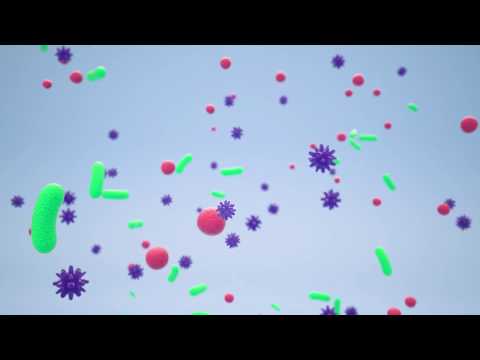
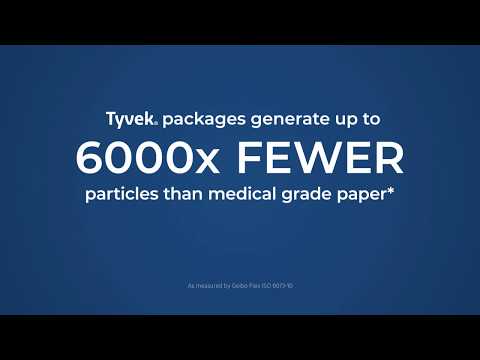
Segmen ini terutama mencakup merek Tyvek, yang juga meliputi perlengkapan serta pakaian pelindung profesional, material kasur anti-tungau, insulasi polistirena, dan solusi pelapis bangunan lainnya.

Sumber: DuPont Tyvek
Lebih dari 200 juta pakaian Tyvek digunakan setiap tahun di hampir seluruh industri.
Perlengkapan Nomex untuk perlindungan terhadap api, yang populer di kalangan petugas pemadam kebakaran, serta Kevlar untuk perlindungan antipeluru akan dijual kepada Arclin dalam transaksi senilai US$1,8 miliar yang diumumkan pada Agustus 2025 dan mencakup seluruh bahan kimia berbasis aramid milik DuPont.
Amerika Utara merupakan pasar terbesar bagi segmen ini, sementara kemasan medis menjadi aplikasi utamanya.

Sumber: DuPont
DuPont Air
Pemurnian air tingkat kota secara umum dilakukan dengan salah satu dari tiga teknik berikut:
- Klorin dan bahan kimia pengoksidasi lain, atau sinar ultraviolet, yang saat ini biasanya digunakan sebagai pelengkap metode lain atau di instalasi air kecil dan terpencil.
- Pembentukan ozon menggunakan listrik untuk membunuh bakteri dan mengoksidasi bahan berbahaya; teknologi ini telah mapan, tetapi sering memiliki biaya operasi lebih tinggi karena konsumsi energi yang besar.
- Membran, teknologi paling modern, yang dapat menyaring bakteri atau bahan kimia tertentu secara selektif dari air.
Untuk produksi air industri, filtrasi membran juga menjadi teknologi dominan.
DuPont melipatgandakan jumlah paten dalam segmen ini sebanyak tiga kali selama lima tahun terakhir, mencerminkan inovasinya dalam teknologi membran dan resin canggih.

Sumber: DuPont
Produk perusahaan mencakup semua jenis sistem filtrasi berbasis membran, dari menghilangkan partikel besar dan bakteri hingga partikel kecil serta ion terlarut.

Sumber: DuPont
Teknologi DuPont digunakan untuk memproses 50 juta galon air setiap menit. Hingga 60% air ultrapurni dunia untuk pemrosesan semikonduktor dimurnikan menggunakan resin penukar ion DuPont.
Teknologi tersebut juga dapat digunakan untuk desalinasi, pasar yang tumbuh cepat seiring kenaikan permintaan air di negara-negara dengan sumber air tawar terbatas.
Sebagai contoh, membran DuPont dipilih pada 2021 untuk instalasi desalinasi terbesar di dunia di kompleks Sorek, Tel Aviv, Israel. Membran tersebut juga digunakan di Tampa Bay Seawater Desalination Plant di Florida, yang terbesar di Amerika Serikat.
Asia-Pasifik merupakan pasar terbesar bagi segmen ini, dengan air industri dan ilmu hayati sebagai beberapa pelanggan terbesar.

Sumber: DuPont
Perusahaan memperkirakan pasar baru akan mendorong pertumbuhan segmen, termasuk ekstraksi litium langsung, hidrogen hijau, dan penghilangan PFAS atau “bahan kimia abadi”.
DuPont Material Industri
Segmen ini secara garis besar terbagi menjadi dua: material konstruksi dan teknologi industri.

Sumber: DuPont
Bisnis konstruksi mencakup lembaran Tyvek, berbagai busa insulasi (Great Stuff dan Froth Pak), serta permukaan padat untuk desain interior (Corian).
Bisnis ini didominasi pasar Amerika Utara yang menyumbang lebih dari tiga perempat total penjualan.

Sumber: DuPont
Segmen industri membuat material khusus untuk aplikasi berpermintaan tinggi. Pasar terbesarnya adalah Amerika Utara, diikuti Eropa dan Asia-Pasifik; otomotif serta industri dan kedirgantaraan menjadi pelanggan utama.

Sumber: DuPont
Segmen ini mencakup berbagai aplikasi penting:
Vespel: komponen poliimida untuk kedirgantaraan, pemrosesan semikonduktor, manufaktur otomotif, dan produksi energi, dengan 80 juta unit diproduksi setiap tahun. Material ini lebih ringan serta menawarkan daya tahan dan kemampuan penyegelan lebih baik berkat ketahanan tinggi terhadap panas, getaran, gesekan, keausan, tekanan, dan benturan.
Tedlar: perlindungan permukaan untuk film plastik, pipa, panel surya, papan reklame, kendaraan, serta permukaan rumah sakit dan pesawat.
MOLYKOTE: pelumas untuk mencegah gesekan dan kerusakan komponen bergerak dalam berbagai kondisi, termasuk bahan kimia keras, suhu beku, kelembapan, debu, arus listrik, dan kontak dengan makanan.
Cyrel: sistem pencetakan fleksografis untuk membuat kemasan berkualitas tinggi bagi minuman, makanan, paket, kosmetik, papan informasi, kertas, dan karton.
Karena armada penerbangan dunia diperkirakan hampir dua kali lipat pada 2044, lebih banyak material DuPont akan digunakan dalam komponennya. Perusahaan juga diuntungkan oleh peralihan ke kendaraan listrik, yang membutuhkan dua kali lebih banyak kandungan DuPont daripada kendaraan bermesin pembakaran.

Sumber: DuPont
Strategi Akuisisi
Mengingat sejarah perusahaan, tidak mengherankan jika DuPont berupaya melakukan akuisisi strategis untuk memperluas portofolio dan penetrasi pasar pada sektor-sektor yang kini menjadi fokusnya.
Prioritas manajemen saat ini adalah segmen layanan kesehatan dan air, dengan fokus pada sinergi dengan lini produk yang ada serta kemampuan perusahaan yang diakuisisi untuk meningkatkan skala usaha.
Sebagai contoh, untuk memperluas produksi sistem osmosis balik di China dan Asia-Pasifik, DuPont mengakuisisi Sinochem (Ningbo) RO Memtech Co pada September 2025.
“Akuisisi ini sejalan dengan strategi kami untuk memperkuat kemampuan manufaktur global bagi elemen osmosis balik FilmTec™ dan melayani pelanggan di China serta Asia-Pasifik dengan lebih baik.”
Jeroen Bloemhard, Presiden segmen Layanan Kesehatan dan Teknologi Air DuPont
Akuisisi lain yang patut disebutkan meliputi:
- Donatelle, produsen kontrak perangkat medis, diakuisisi pada 2024.
- Spectrum Plastics, produsen canggih perangkat dan komponen medis khusus untuk jantung struktural, elektrofisiologi, robotika bedah, dan kardiovaskular, diakuisisi pada 2023.
Kontroversi
Sebagai perusahaan kimia terkemuka yang telah lama berdiri, sejarah DuPont diwarnai skandal dan kontroversi terkait pencemaran serta kerusakan lingkungan.
Perusahaan pernah menjadi produsen utama CFC atau klorofluorokarbon, kelompok refrigeran yang menyebabkan lubang pada lapisan ozon.
DuPont juga memproduksi asam perfluorooktanoat (PFOA), bahan kimia abadi, benih transgenik, serta herbisida Imprelis yang ditarik dari pasar karena merusak pohon. Perusahaan juga menghadapi banyak gugatan pencemaran.
Perkara yang kemungkinan paling penting bagi investor berkaitan dengan PFAS atau “bahan kimia abadi”. DuPont, Chemours, dan Corteva, bersama 3M (MMM ), membayar US$1,2 miliar pada 2023 untuk menyelesaikan perkara pencemaran.
“Walaupun DuPont dan Chemours telah memiliki informasi tentang dampak beracun PFAS terhadap kesehatan manusia dan air minum, kedua perusahaan terus memproduksi dan melepaskan PFAS.
DuPont dan Chemours tampaknya telah memengaruhi Badan Perlindungan Lingkungan Amerika Serikat secara tidak semestinya dan menunda upayanya untuk mengatur bahan kimia PFAS dengan benar.”
Para ahli PBB untuk Kantor Komisaris Tinggi Hak Asasi Manusia
Pada 2025, DuPont menyetujui penyelesaian perkara sebesar US$2,5 miliar, rekor baru, untuk menuntaskan klaim pencemaran PFAS di beberapa lokasi di New Jersey.
Kasus ini mungkin tidak sedramatis gugatan tanpa akhir terhadap herbisida RoundUp milik Bayer (BAYN.DE) yang diduga menyebabkan kanker dan telah menekan saham Bayer selama hampir satu dekade setelah akuisisi Monsanto. Namun, investor DuPont tetap perlu memperhatikan perkara PFAS dan menjadikannya peringatan.

Sumber: Yahoo Finance
Kesimpulan
DuPont adalah salah satu perusahaan kimia tertua di dunia dan telah menemukan sebagian besar material sintetis yang digunakan saat ini.
Perusahaan kini mencapai tahap akhir dari proses panjang penemuan kembali dan reorganisasi yang membuatnya memisahkan atau menjual sebagian besar penemuan serta merek paling ikonis, dari Kevlar hingga refrigeran. DuPont juga telah keluar dari bisnis bahan peledak, titanium, elektronik, pertanian, dan obat-obatan.
Perusahaan yang tersisa jauh lebih mirip dengan DuPont awal daripada konglomerat raksasa beberapa dekade terakhir, dengan fokus pada pasar bertumbuh tinggi, inovasi, dan material khusus berkinerja tinggi.
Kemasan medis, pemurnian air, material insulasi konstruksi, komponen berkinerja tinggi, pelapis, dan pelumas menikmati tren pertumbuhan kuat seperti penuaan dan pertumbuhan penduduk, perubahan iklim, kebijakan penghematan energi, insulasi bangunan, elektrifikasi, serta perluasan pasar kedirgantaraan.
Walaupun masalah lama terkait pencemaran PFAS dapat memengaruhi hasil jangka pendek, prospek jangka panjang tampak kuat dan tidak ada lagi segmen warisan yang menghambat kinerja bagian perusahaan yang lebih dinamis.
Berita dan Perkembangan Terbaru Saham DuPont (DD)



