
Robotiikka
Oceaneering (OII): Merenalaiset robotit autonomisiin järjestelmiin

 Lisää Securities.io suosikkilähteisiisi Google-palvelussa

Teollisuusrobotit on jo otettu käyttöön laajassa mittakaavassa
Tekoälyn ja automaation kehittyessä unelma ihmisiä arjen tehtävissä auttavista humanoidiroboteista on lähempänä todellisuutta kuin koskaan. Autonomisten ja puoliautonomisten laitteiden ensimmäinen käyttökohde on silti todennäköisesti muualla.
Sen sijaan välitön sovellus roboteille on ottaa ne käyttöön paikoissa, joissa ihmisille on yleisesti ottaen turvatonta toimia. Tähän asti tämä on enimmäkseen toteutettu kauko-ohjatuilla järjestelmillä, mutta kun tekoälyn kapasiteetti ja autonomia, joka ohjaa näitä robotteja, kasvaa, yhä useammat tavalliset käyttötarkoitukset leviävät.
Esimerkiksi offshore- ja vedenalaiset työympäristöt ovat pahamaineisesti vaarallisia, esimerkiksi öljynporauslautat, jotka ovat tunnettuja maailman vaarallisimpina työpaikkoina. Tämä sektori onkin ollut autonomisten järjestelmien omaksumisen eturintamassa.
Muita sektoreita, joissa automaatio ja autonomiset robotit ovat kovassa kysynnässä, ovat puolustus ja avaruusteollisuus.
Yksi yritys on hyötynyt merkittävästi offshore- ja vedenalaisesta kysynnästä robottijärjestelmiä kohtaan ja käyttää tätä teknologista perustaa nyt nopeasti laajentaakseen toimintaansa muihin aloihin: Oceaneering.
OII Hintakaavio
Oceaneering – Yleiskatsaus
Historia
Oceaneering perustettiin vuonna 1964, ja se yhdistyi pian kolmen muun öljy- ja kaasuteollisuutta palvelleen sukellusyrityksen kanssa.
1970‑luvuilla yritys keskittyi pääasiassa sukellusteknologian parantamiseen, jotta sukeltajien turvallisuutta ja vedenalaisen työn tehokkuutta voitaisiin lisätä, esimerkiksi offshore‑öljynporauslautoilla tai merenalaisissa putki- ja kaapeliasennuksissa.
1980‑luvuilla yritys alkoi tutkia mahdollisuutta käyttää robottijärjestelmiä vedenalaiseen työhön. Tämä teknologia kiinnitti heti NASA:n huomion, osittain yhteisen sijainnin Houstonissa vuoksi. Tämä johti Oceaneering Space Systemsin perustamiseen vuonna 1988, jonka tavoitteena oli siirtää merenalainen teknologia ja operatiivinen kokemus Yhdysvaltain avaruusasemaprogrammiin (ISS, International Space Station).
Oceaneeringin kokemus äärimmäisissä olosuhteissa suunnitellun laitteiston kehittämisestä laajeni myös muihin avaruustutkimuksen sektoreihin, ja yritys sai vuonna 2008 745 miljonin USD sopimuksen uuden Constellation‑avaruuspuvun suunnittelusta ja valmistuksesta. Valitettavasti Constellation‑ohjelma, jonka tavoitteena oli paluu Kuuhun viimeistään vuonna 2020, peruttiin vuonna 2010 Obama‑hallinnon toimesta.
Samaan aikaan avaruusohjelman rinnalla Oceaneering laajeni myös puolustussektoriin, erityisesti alusten ja nostureiden moduuleihin, joilla siirretään lastia liikkuvien alusten välillä.
1980‑luvuista nykypäivään yritys on myös toteuttanut useita yritysostoja avaruus‑ ja puolustusteknologian alalta hankkiakseen avainteknologioita, kasvattaen Aerospace and Defense Technologies (ADTech) -osaston kokoa.

Lähde: Oceaneering
Vielä hiljattain nämä toiminnot muodostivat vain pienen osan yhtiöstä, jonka liiketoimintaa hallitsi offshore-sektori. Tilanne voi kuitenkin muuttua, kun yhtiö vie robottiteknologiaansa uusiin segmentteihin uusien puolustussopimusten ja autonomisten ajoneuvojen markkinoille laajentumisen ansiosta (ks. jäljempänä).
Oceaneeringin liiketoimintakatsaus
Yhtiö työllistää 12 000 henkilöä ja toimii 50 maassa.
Oceaneering on edelleen vahvasti sidoksissa offshore-energiamarkkinaan, sekä öljyyn ja kaasuun että merituulivoimaan. Tästä sektorista tulee 70–75 % liikevaihdosta. Ilmailu- ja puolustusmarkkinoiden osuus on noin 20 % ja muiden teollisuusmarkkinoiden 5–10 %.

Lähde: Oceaneering
Offshore-työssä palvelut ulottuvat merenalaisista roboteista ja erikoistuotteista kokonaisvaltaiseen projektinhallintaan ja ohjelmistoratkaisuihin.

Lähde: Oceaneering
Öljy- ja kaasualalla yhtiö toimii pääasiassa öljykenttien kehitys- ja tuotantovaiheissa.

Lähde: Oceaneering
Yhtiö on kannattava: vapaa kassavirta on ollut positiivinen 14:nä viimeksi kuluneesta 15 vuodesta. Vuonna 2024 se oli 96,1 miljoonaa dollaria, ja vuoden 2025 arvioksi annettiin 110–130 miljoonaa dollaria.
Offshore‑segmentti
Oceaneering omistaa tai vuokraa 11 syvänmeren monitoimialusta, jotka toimivat pääasiassa Meksikonlahdella ja Länsi-Afrikassa. Aluksissa on nostureita, sukelluslaitteita, robotteja ja muita offshore-rakenteiden rakentamiseen, korjaamiseen ja kunnossapitoon tarvittavia työkaluja.

Lähde: Oceaneering
Merenalaisen robotiikan segmentti koostuu lukuisista erikoislaitteista, joista kukin on sovitettu tiettyyn tehtävään, syvyyteen tai meriolosuhteisiin. Maailmanlaajuisesti käytössä on yli 250 järjestelmää.

Lähde: Oceaneering
Valikoimaan kuuluvat kauko-ohjattavat vedenalaiset ajoneuvot (ROV), niiden työkalut sekä autonomisten vedenalaisten ajoneuvojen (AUV) mittaus- ja paikannuspalvelut. Yhteensä ne ovat kerryttäneet yli 420 000 sukellustuntia ja kartoittaneet yli 400 000 kilometriä (250 000 mailia).
Käytössä oleva ROV tuottaa keskimäärin yli 11 000 dollaria päivässä, ja yhtiö on laskuttanut jokaisella neljänneksellä yli 15 000 käyttöpäivää.

Lähde: Oceaneering
Oceaneering hallitsee sektoria 60 prosentin markkinaosuudella, kun lähimmän kilpailijan osuus on vain 18 prosenttia.
Alusten ja robottien lisäksi yhtiön valmistettujen tuotteiden segmentti myy sähkö- ja hydraulitehoa välittäviä umbilikaalikaapeleita, kriittisten öljy- ja kaasujärjestelmien liittimiä ja venttiilejä, ihmisten ja tuotteiden kuljetusajoneuvoja sekä rahdinkuljettajien lastausratkaisuja.

Lähde: Oceaneering
Uusiutuva energia
Öljy ja kaasu ovat olleet yhtiön toiminnan historiallinen ydin, mutta offshore-osaaminen soveltuu hyvin myös sekä kiinteään että kelluvaan merituulivoimaan.
Tehtäviin kuuluvat muun muassa paikkatutkimukset, mittaus ja paikannus, ROV-palvelut, erikoisaluksilla tehtävät asennukset sekä kaapelien asennus ja korjaus.

Lähde: Oceaneering
Kaksijakoinen asema antaa Oceaneeringille myös hyvät mahdollisuudet nopeuttaa offshore-fossiilienergian tuotannon sähköistämistä, joka on useimmille öljy- ja kaasuntuottajille tärkeä ESG-tavoite.

Lähde: Oceaneering
Puolustus- ja avaruussektori
Puolustus – laivasto
Oceaneering tuli segmenttiin alun perin NASA:n avaruusjärjestelmäyhteistyön kautta, mutta yhtiön osaamisella on ollut suurin merkitys Yhdysvaltain laivastolle.
Ensimmäinen puolustukseen liittyvä toiminta-alue on kaupallisten robottijärjestelmien ja muun merenalaisen teknologian käyttö sotilassovelluksissa. Niihin kuuluvat kauko-ohjattavat vedenalaiset ajoneuvot (ROV), autonomiset vedenalaiset ajoneuvot (AUV), merenalaiset tukikohdat ja sukellusveneiden pelastusratkaisut sekä kriittisen vedenalaisen infrastruktuurin suojaus ja valvonta.

Lähde: Oceaneering
Toinen segmentti on Marine Services Division (MSD), joka valmistaa moduuleja Yhdysvaltain sukellusveneisiin, kuten maan puolustusstrategialle keskeisiin suuriin Virginia- ja Columbia-luokan aluksiin.
Yksi tuotteista on Dry Deck Shelter (DDS), sukellusveneeseen kiinnitettävä irrotettava moduuli, jonka kautta sukeltajat voivat poistua ja palata sukellusveneen pysyessä veden alla.

Lähde: Navy Outlook
Oceaneering huoltaa ja korjaa myös sukellusvene- ja pinta-aluskalustoa. Se on yksi vain kolmesta yksityisestä yrityksestä, joilla on lupa työskennellä kriittisten Submarine Safety (SUBSAFE)- ja Deep Submergence Systems Scope of Certification (DSS-SOC) -järjestelmien parissa.
Sukellusvenejärjestelmien merkityksen kasvaessa Yhdysvaltain laivaston strategiassa droonien ja hypersonisten ohjusten uhkaa vastaan tämän liiketoiminnan odotetaan kasvavan tasaisesti.
Oceaneering vastaa myös sotilaslogistiikan haasteisiin merellä ja ulkomailla merellä tapahtuvan lastinsiirron teknologiallaan. Se mahdollistaa standardikonttien turvallisen siirron alusten välillä Advanced Mooring System (AMS)- ja Interface Ramp Technologies (IRT) -järjestelmien sekä itsekorjautuvien nostureiden avulla.

Lähde: Oceaneering
Lisäksi yhtiö valmistaa monimutkaisia merijärjestelmiä hyödyntäen offshore-lautoilta kertynyttä kokemustaan. Tuotteisiin kuuluvat viestintäjärjestelmät, sukellusveneiden taistelunjohtokeskukset, hyötykuva-alustat, Yhdysvaltain erikoisjoukkojen säilytyskanisterit ja märkävarastomoduulit.
Yhtiö tekee myös uusien ja käytettyjen laitteiden rikkomatonta testausta erittäin erikoistuneilla laitteilla ja asiantuntijoilla, kuten vedenalaisia magneettijauhetarkastuksia, pyörrevirtatarkastuksia ja ultraäänitutkimuksia.
Avaruus
Sukeltajien ilman- ja suojantarpeisiin kehitetty osaaminen siirtyy luontevasti avaruuspukuihin, joissa venttiileille, hapensyötölle ja hygieniaratkaisuille asetetaan samankaltaisia vaatimuksia. Tämän ansiosta yhtiö on toimittanut NASA:lle yli 5 000 avaruuskävelyihin (EVA) tarkoitettua tuotetta.

Lähde: Oceaneering
Sukellusta käytetään laajasti myös astronauttien harjoittelussa erikoisaltaissa, ja Oceaneering on ollut keskeinen kumppani näiden koulutuslaitosten rakentamisessa.

Lähde: Oceaneering
Yhtiön kokemus ääriolosuhteista teki siitä NASA:n kumppanin myös aluksia paluukuumudelta suojaavien lämpösuojajärjestelmien (TPS) sekä lennonohjainten, lukituslaitteiden ja avaruusrobottikäsivarsien valmistuksessa.
Oceaneeringin kasvu ja uudet segmentit
Pyyhkäise vierittääksesi →
| Segmentti | Ydinteknologia | Tuloprofiili | Kasvun ajuri |
|---|---|---|---|
| Merenalainen robotiikka (ROV:t/AUV:t) | Syvänveden autonomia, interventiorobotit | Korkeakatteinen, käyttöön perustuva | Offshore‑energia, merenpohjan turvallisuus |
| Puolustus & Laivasto | UUV:t, sukellusvene‑moduulit, logistiikkajärjestelmät | Pitkäkestoiset sopimukset | Autonominen laivastodoktriini |
| Teolliset mobiilirobotit | Autonomiset trukit & kuljetuslaitteet | Toistuvat laivastokäyttöönotot | Varastojen automaatio & työvoimapula |
| Avaruusjärjestelmät | EVA, TPS, astronauttien koulutus | Alhainen volyymi, korkea arvo | NASA & seuraavan sukupolven tehtävät |
Oceaneering olisi vaikuttava teknologiatoimittaja jo pelkästään siviili- ja puolustuskäyttöön tarkoitetun offshore- ja merenalaisen toiminnan sekä pienimuotoisen avaruusliiketoimintansa ansiosta.
Sen osaaminen alkaa kuitenkin levitä mahdollisesti paljon suuremmille markkinoille, joilla on pitkäaikaista kasvupotentiaalia.
Muu energia
Esimerkiksi Oceaneering valmistaa ydinvoimaloiden komponentteja hyödyntäen vaarallisissa ympäristöissä työskentelystä kertynyttä osaamistaan. Yhtiö tarjoaa robottitarkastuksia reaktoreille, turbiinilavoille, putkistoille ja jäteastioille. Sotilasaluksissa käytettyä rikkomatonta testausta voidaan soveltaa myös ydinvoimaloiden osiin.
Oceaneeringin venttiilejä, putkia ja liittimiä voidaan käyttää myös ydinvoimaloissa, vedyn tuotannossa ja hiilidioksidin talteenotossa. Kun näitä hankkeita, myös pienreaktoreita, rakennetaan lisää, alasta voi muodostua Oceaneeringille kasvusegmentti.
Puolustus
Tähän asti puolustussegmentti on pääasiassa soveltanut yhtiön osaamista ja nykyisiä työkaluja sotilaskäyttöön. Pitkällä aikavälillä Oceaneering näyttää kuitenkin voivan kehittyä itsenäiseksi täysimittaiseksi puolustusurakoitsijaksi.
Selvä merkki suunnasta on Pentagonin Defense Innovation Unitin (DIU) myöntämä hanke rakentaa Yhdysvaltain laivastolle Freedom-autonominen vedenalainen ajoneuvo (AUV) ja perustaa maissa sijaitseva etäoperaatiokeskus (OROC).
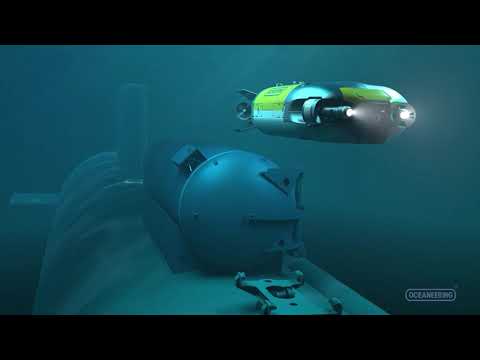
Freedom AUV kerää tietoa 2–3 kertaa perinteisiä AUV-laitteita nopeammin, havaitsee poikkeamia itsenäisesti ja tutkii niitä tarkemmin sekä toimii jopa 6 000 metrin syvyydessä.

Lähde: Oceaneering
Pitkällä aikavälillä pitkän toimintasäteen AUV-laitteista tulee todennäköisesti yhtä keskeisiä Yhdysvaltain laivaston opille kuin ydinsukellusveneistä.
”Edistyneet UUV-laitteet täydentävät lopulta sukellusvenelaivastoja havainnoimalla ja toimittamalla hyötykuormia itsenäisesti vaativissa, hajautetuissa syvänmeren ympäristöissä. Nämä toimet ovat olennaisia perustason arviointeja, joiden avulla ymmärretään suorituskyvyn puutteita ja suunnataan tulevaa kehitystä.”
Peter Buchanan – Oceaneeringin Subsea Robotics -segmentin vanhempi johtaja
Autonomiset ajoneuvot ja logistiikkarobotit
Uusien energia- ja puolustussegmenttien lisäksi Oceaneeringin suurin mahdollinen laajentumisalue ovat maalla toimivat autonomiset ajoneuvot.
Yhtiö on investoinut voimakkaasti nykyisen osaamisensa siirtämiseen maajärjestelmiin, kuten autonomisiin kuljetusjärjestelmiin. Itseohjautuva, akkukäyttöinen kuljettajaton ajoneuvo kuljettaa enintään 22 matkustajaa ja kulkee jopa 25 mailia tunnissa; se on markkinoiden nopein ja kapasiteetiltaan suurin sukkulabussi.
Lähiajan suurin laajamittaisen käyttöönoton potentiaali on kuitenkin materiaalinkäsittely- ja logistiikkaroboteissa. Yhtiöllä on kolme mallia, joita on käytössä maailmanlaajuisesti jo 1 700; yhdessä ainoassa laivastossa niitä on yli 100.

Lähde: Oceaneering
MaxMover korvaa ensisijaisesti ihmisen ohjaamia trukkeja. Sitä voidaan käyttää perävaunujen lastaukseen, varastojen järjestelyyn ja tavaran vastaanottoon. Enimmäiskuorma on 4 400 paunaa / 2 000 kg ja nostokorkeus 500 cm.
UniMover on kuorman alle ajava mobiilirobotti, joka on suunniteltu terveydenhuollon vaativaan sisälogistiikkaan ja kevyen teollisuuden käyttöön. Sen enimmäiskuorma on 1 322 paunaa / 600 kg. Ruostumaton kansi on helppo pitää puhtaana ja steriilinä, ja pieni koko auttaa ahtaissa tiloissa.
CompactMover korvaa tavanomaisia sähkökäyttöisiä lavapinoajia varastoissa, tuotannossa, jakelukeskuksissa ja kokoonpanolinjoilla. Täyssähköinen ratkaisu ei käytä hydrauliikkaa, mikä pienentää huollon monimutkaisuutta ja elinkaarikustannuksia.
Vuonna 2025 yhtiö esitteli alalla useita uudistuksia:
- Fork Pitch Adjustment (FPA) säätää haarukoiden leveyttä automaattisesti erikokoisille lavoille, poistaa käsisäädön tarpeen ja mahdollistaa kuormien käsittelyn yhdellä ajoneuvolla.
- EOD havaitsee korkeat esteet ja pysäyttää ajoneuvon.
- Automatic Pallet Tracking käsittelee lattialla vinoon jääneet lavat sujuvasti.
- Available Location Detection (ALD) skannaa hyllyrivit ja löytää vapaat paikat tehokkaasti.
Johtopäätös
Oceaneering on rakentanut vuosikymmenten aikana hallitsevan aseman merenalaisten palvelujen ja robotiikan erikoisalalla. Alun perin pelkästään öljy- ja kaasutuotantoon keskittynyt yhtiö on vienyt merenalaisen teknologiansa sekä laadukkaiden venttiilien ja muiden osien osaamisensa merituulivoimaan, vedyn tuotantoon, ydinenergiaan ja hiilidioksidin talteenottoon.
Johtava asema on auttanut yhtiötä rahoittamaan ja kehittämään avainteknologioita, jotka ovat saaneet uusia sovelluksia muun muassa puolustuksessa ja avaruustutkimuksessa.
Kehitys jatkuu, ja yhtiöllä on erinomaiset lähtökohdat nousta merkittäväksi urakoitsijaksi tulevien vedenalaisten droonilaivastojen ja muiden sukellusvenejärjestelmien käyttöönotossa.
Nämä vakaat liiketoiminnan tukijalat tarjoavat sijoittajille suojaa ja tekevät osakkeesta puolustavan sijoituksen etenkin uuden avaruuskilvan ja sotilaallisen varustautumisen keskellä, jotka todennäköisesti kasvattavat yhtiön sivuliiketoimintoja.
Suurin potentiaali voi silti olla logistiikan ja autonomisten ajoneuvojen segmentissä. Tekoälyn kehittyessä logistiikkajärjestelmien sähköistäminen ja automatisointi yleistyvät, ja Oceaneeringin maine laadukkaasta suunnittelusta ja korkeista turvallisuusstandardeista tukee myyntiä.
Kokonaisuutena Oceaneering on lyhyellä aikavälillä enimmäkseen puolustava sijoitus, mutta keskipitkällä ja pitkällä aikavälillä sillä on vahvaa kasvuvaraa sekä puolustuksessa että robotiikassa.
Uusimmat Oceaneering (OII) osakeuutiset ja kehitykset



