
Rymden
Dans med stjärnorna – CHEOPS och TESS rymdteleskop upptäcker synkroniserade planetbanor

 Lägg till Securities.io bland dina föredragna källor på Google

Astronomi och rymdforskning väcker stort intresse, från SpaceX:s (SPCX ) planer på Marsfärder till observationerna med rymdteleskopet James Webb (JWST). Den 29 november 2023 meddelade astronomer att de hittat sex planeter i en kedja av banresonanser. Studien löste en till en början svår gåta genom internationellt samarbete med bland annat forskare vid universiteten i Bern och Genève.
Systemet HD 110067
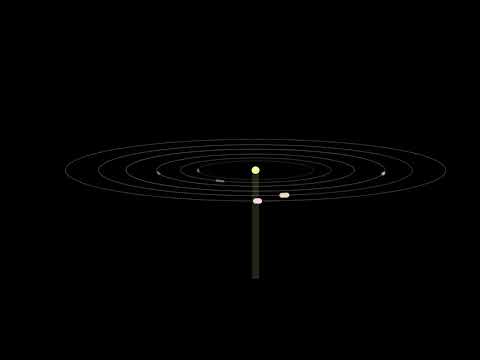
De sex planeterna kretsar kring stjärnan HD 110067. Närliggande par bildar en resonanskedja med förhållandena 3:2, 3:2, 3:2, 4:3 och 4:3. TESS-data gav först omloppstiderna för de två innersta planeterna. Cheops bekräftade den tredjes period. Tillsammans med modeller av gravitationssamspel, markbaserade observationer och en ny analys av TESS-data gick det sedan att bestämma de återstående banorna.
Förhållandena gäller omlopp kring stjärnan, inte planeternas rotation kring sina axlar. I en 3:2-resonans gör den inre planeten ungefär tre varv medan den yttre gör två. Det är en dynamisk resonans, inte en exakt likhet för varje enskild uppmätt period.
Hugh Osborn förklarade 2023 att resonanser och flerplanetsystem inte var ovanliga bland de fler än 5 000 exoplaneter som då var kända.
Det mycket ovanliga var att hitta en så lång resonanskedja med sex planeter. — dr Hugh Osborn, Cheops-forskare vid universitetet i Bern
Förhållandena kan beskrivas med följande idealiserade samband under motsvarande tidsintervall:
- 3 omlopp för planet ett ≈ 2 omlopp för planet två
- 3 omlopp för planet två ≈ 2 omlopp för planet tre
- 3 omlopp för planet tre ≈ 2 omlopp för planet fyra
- 4 omlopp för planet fyra ≈ 3 omlopp för planet fem
- 4 omlopp för planet fem ≈ 3 omlopp för planet sex
Den ljusa stjärnan gör systemet till ett viktigt mål för studier av planeternas atmosfärer och sammansättning. Alla sex är mindre än Neptunus. De uppskattade låga massorna tyder på att de kan vara rika på gas eller vatten. Fortsatta observationer, exempelvis med JWST, kan klargöra strukturen; upptäckten visar inte i sig att planeterna är beboeliga.
Transitmetoden
Upptäckten byggde främst på transitmetoden, som används för att hitta planeter utanför solsystemet. Astronomerna följer en stjärnas ljusstyrka och söker återkommande små minskningar som kan orsakas av en planet framför stjärnan.

*Bild endast för illustrativa ändamål*
Metoden omfattar följande steg:
Observation av stjärnljus: Astronomer följer stjärnors ljusstyrka under längre perioder med rymdteleskop som Kepler och TESS eller med markbaserade instrument. Antalet mål och observationsprogrammen varierar mellan uppdragen.
Passage framför stjärnan: När banan är rätt orienterad passerar planeten mellan stjärnan och observatören. Den täcker en liten del av stjärnskivan och orsakar en minskning av den observerade ljusstyrkan.
Återkommande ljusminskningar: Regelbundna minskningar kan tyda på återkommande planetpassager, men andra förklaringar måste uteslutas. Djupet beror främst på kvadraten på förhållandet mellan planetens och stjärnans radier. Med stjärnans storlek känd går det att uppskatta planetens storlek.
Omloppstid och avstånd: Tiden mellan återkommande passager ger omloppstiden. Tillsammans med stjärnans massa kan den användas för att uppskatta banans storlek enligt Keplers lagar.
Nödvändig orientering: Banan måste ligga nästan längs vår siktlinje så att planeten korsar stjärnskivan. Om den inte passerar framför stjärnan från vårt perspektiv upptäcker metoden ingen transit.
Storlek och atmosfär: Transiter lämpar sig för mätning av radien. För lämpliga mål kan spektroskopi av stjärnljus som passerar genom atmosfären ge information om dess sammansättning.
Uppföljande observationer: Efter upptäckten av en planetkandidat görs ofta fler observationer och analyser för att bekräfta att signalen kommer från en planet och undersöka systemets egenskaper.
Metoden har bidragit till upptäckten av tusentals exoplaneter. Den gynnar planeter nära sina stjärnor, eftersom passagerna upprepas oftare och sannolikheten för rätt orientering är större. En nära bana betyder dock inte automatiskt att planeten ligger i den beboeliga zonen; detta beror på stjärnan och den energi planeten tar emot.
Rymdteleskop
JWST är inte astronomernas enda rymdteleskop. Följande uppdrag var avgörande för upptäckten av detta system.
Cheops – satellit för karakterisering av exoplaneter:
Cheops sköts upp 2019 som ett gemensamt uppdrag mellan ESA och Schweiz, med bidrag från andra europeiska länder. Det studerar kända planeter kring ljusa stjärnor och mäter deras radier noggrant. Om oberoende massmätningar finns kan medeldensiteten beräknas och ge ledtrådar om sammansättningen.

*Bild endast för illustrativa ändamål*
Cheops är särskilt inriktat på planeter från jordens till Neptunus storlek, många upptäckta med andra instrument. Det riktas mot en stjärna i taget och mäter ljusminskningar under transiter.
TESS – Transiting Exoplanet Survey Satellite:
TESS sköts upp 2018 och är ett NASA-uppdrag. Till skillnad från Cheops riktade studier av kända planeter söker det nya planeter kring ljusa närbelägna stjärnor, bland annat jordstora planeter och superjordar.
TESS delar in kartläggningen i sektorer som normalt observeras ungefär 27 dagar vardera; vissa områden följs längre. Teleskopet har identifierat tusentals exoplanetkandidater, vilket inte innebär lika många bekräftade upptäckter. NASA angav 6 788 kandidater och 383 bekräftade planeter den 6 september 2023. Ljusa mål underlättar fortsatta studier.
Uppdragen kompletterar varandra: Cheops karakteriserar kända planeter och TESS hittar nya kandidater för bekräftelse och närmare undersökning. Resultaten hjälper oss förstå planetsystem och bidrar till det långsiktiga sökandet efter potentiellt beboeliga världar.
Företag i branschen
Vetenskap och rymdteknik stöder utforskning bortom jorden. Följande företagsexempel presenteras i sammanhanget från artikeln 2023; gamla ekonomiska uppgifter utgör inte i sig en aktuell investeringsrekommendation.
*Tabellerna är historiska ögonblicksbilder från artikeln 2023, med belopp i amerikanska dollar där det är relevant. Inbäddade kurser och diagram kan uppdateras separat. Ett negativt P/E-tal tolkas inte som en vanlig värderingsmultipel baserad på positiv vinst.*
Börsnoterade företag i 2023 års sammanhang
1. Northrop Grumman Corporation
NOC Prisdiagram
NOC Prisdiagram
| Marknadsvärde | P/E-tal | Vinst per aktie (EPS) |
| 71,421,409,432 | 15.55 | $30.48 |
Northrop Grumman Corporation (NOC ) är ett amerikanskt rymd- och försvarsteknikföretag. Det var huvudentreprenör för James Webb och arbetar med satelliter, bärraketer samt service och försörjning till Internationella rymdstationen. Satsningarna på ny teknik ingår i en bredare försvars- och rymdverksamhet och garanterar inte avkastning.
2. Lockheed Martin Corporation
LMT Prisdiagram
LMT Prisdiagram
| Marknadsvärde | P/E-tal | Vinst per aktie (EPS) |
| 110,459,750,386 | 16.3 | $27.37 |
Lockheed Martin Corporation (LMT ) bygger rymdfarkoster och satelliter och är en stor leverantör till NASA. Det tillverkar Orion för Artemis-uppdrag bortom låg jordbana. Det har även byggt Marslandare och omloppssonder samt skyddande aeroshell-strukturer för roveruppdrag, inte alla kompletta rovrar. Verksamheten omfattar satellitkommunikation, rymdforskning och missilförsvar.
3. Boeing Company
BA Prisdiagram
BA Prisdiagram
| Marknadsvärde | Förväntat P/E nästa år | Vinst per aktie (EPS) |
| 137,855,699,746 | -38.10 | $-4.70 |
Boeing har en lång flyg- och rymdhistoria, från satelliter till rymdfarkoster. Det är en viktig partner för Internationella rymdstationen och utvecklade 2023 CST-100 Starliner för besättningsresor i låg jordbana. Det beskriver programmet vid den tidpunkten och garanterar inte regelbunden trafik. Rymdverksamheten ingår i en bredare portfölj.
Företag som var onoterade 2023
SpaceX
SpaceX, under Elon Musks ledning, var onoterat när artikeln skrevs 2023. Företaget börsnoterades senare på Nasdaq den 12 juni 2026 med symbolen SPCX. Den nuvarande inbäddade aktiekursen behöver skiljas från den historiska beskrivningen.
Återanvändbara raketer är centrala för SpaceX:s arbete med att minska kostnaden för att nå rymden. Falcon-raketer och Dragon-farkoster stöder ISS:s last- och besättningsuppdrag. Starlink utvecklar satellitkommunikation och Starship är avsett för bredare rymduppdrag, även långsiktiga Marsplaner.
Företaget är en betydande aktör, men Marsplanerna är mål med tekniska och operativa risker. Intresse för tekniken garanterar inte investeringsavkastning.
Blue Origin
Upptäcktens betydelse
Studier av system som HD 110067 ökar förståelsen för hur planeter bildas och utvecklas. Grundforskning och teknik kan berika varandra, men denna upptäckt visar inte direkt att bemannade Marsresor eller kommersiell asteroidbrytning är genomförbara.



