
Artificiell intelligens
AI upptäcker massiv litiumdeposition i Quebec från rymden

 Lägg till Securities.io bland dina föredragna källor på Google

AI upptäcker stor litiumdeposition i Quebec
AI upptäcker en stor litiumfyndighet i Quebec
Detta behov av fler resurser är särskilt akut för mineraler som inte var särskilt viktiga för några decennier sedan. Som ett resultat är många potentiella fyndigheter fortfarande okända eller dåligt uppskattade.
Detta gäller särskilt litium, som används i batterier för elektrifiering av transport och energisystem och har under det senaste decenniet gått från att vara en mindre råvara till en strategisk resurs.
Idag kommer största delen av världens litium från Lithium Triangle (Bolivia, Chile, Argentina) och Australien, medan råmaterialet omvandlas till batterikvalitet främst i Kina.
Men nya fyndigheter upptäcks och övervägs för exploatering, till exempel litiumrika brunnar i Arkansas, geotermiska pooler, eller nya projekt i USA och Kanada, som långsamt bildar en panamerikansk litium‑superkorridor.
Som ett land som redan är rikt på mineralresurser (olja, gas, uran, guld osv.) har Kanada en särskilt stark potential, tack vare gruvvänliga regler, lokal expertis och rik geologi. Vi har tidigare täckt hur 6 nya gruvplatser i Kanada kan vara viktiga för litiumproduktion.
En annan fyndighet, Q2 Metals Corp:s Cisco‑litiumprojekt, har använt rymdbaserad detektion för att utvärdera sin mineralresurs och avslöjade en potential för mer än 300 miljoner ton litium-rik bergart.
AI‑driven rymd‑ och seismisk analys har identifierat en potentiellt massiv litiumbärande formation vid Q2 Metals’ Cisco‑projekt i Quebec. Även om den fortfarande är i utforskningsstadiet belyser upptäckten Kanadas växande roll i att säkra Nordamerikas litiumförsörjning med hjälp av avancerad, låg‑påverkande utforsknings‑teknik.
Cisco litiumprojekt i Quebec
Projektöversikt och plats
Cisco ligger i Eeyou Istchee James Bay-regionen i Quebec och utvecklas av Q2 Metals Corp, som är noterat i Kanada och på USA:s OTC-marknad (QTWO.V / QUEXF).

Källa: Q2 Metals Corp
Mineralkoncessionen på 41 253 hektar (159 kvadratmil) korsas av en landsväg och ligger nära järnvägsförbindelser.

Källa: Q2 Metals Corp
Detta möjliggör en förbindelse till Bécancour, halvvägs mellan Montreal och Quebec City, som håller på att bli ett viktigt litiumcentrum i Nordamerika.
Matagami är slutpunkten för CN:s järnvägslinje som kopplar till hamnarna i Montreal & Quebec City, samt till Bécancour.
Bécancour är en batterihubb som utvecklas och har lockat stora investeringar från både den federala & provinsiella regeringen samt Ford, General Motors (GM ), POSCO (PKX ), EcoPro och andra.
I området bedrivs redan gruvdrift, och i det så kallade ”greenstone belt” finns projekt under utveckling av gruvbolag som Rio Tinto (RIO ) och Patriot Battery Metals (PMETF).
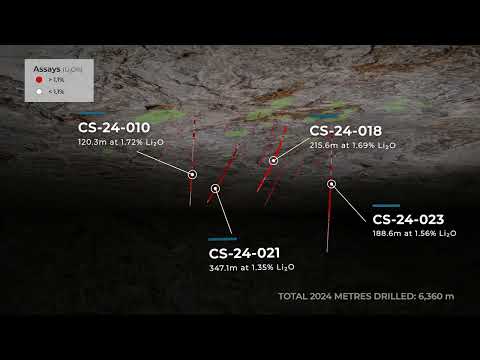
AI‑drivet rymd‑ och seismiskt utforskningsteknik
I samarbete med Fleet Space kopplades en svärm av små satelliter samman med markbaserade sensorer som registrerar vibrationer i berggrunden och skickar mätvärden direkt till omloppsbana.
Mineralprospektering står under enorm press att förkorta tiden till ett mål, minska riskerna i borrprogram och optimera prospekteringsbudgetar i kapitalbegränsade miljöer.
Fleet Spaces ExoSphere tar oss från en lovande fyndighet till borrklara mål snabbare, med högre precision och mindre osäkerhet.
Med hjälp av tomografi baserad på omgivande seismiskt brus kan sensorerna analysera marken och avbilda strukturer under ytan utan sprängämnen. Företaget kombinerade därefter dessa data med gravitations-, magnetiska och geologiska data och använde AI för att tolka de skilda datamängderna och skapa en tydlig bild av resurserna under marken.

Källa: Fleet Space
På så sätt söker algoritmerna efter bergegenskaper som motsvarar signaturerna hos kända litiumfyndigheter.
Programvaran rangordnar sedan målen, markerar strukturella trender som kan innehålla pegmatiter och sammanställer resultaten i kartor och tvärsnitt som geologerna kan analysera.
Därefter väljer teamen vilka anomalier som ska borras, med vetskapen att ExoSphere kan uppdatera sina modeller inom 48 timmar när data från borrhålen kommer in.
Sammanlagt kan Cisco-fyndigheten innehålla så mycket som 300 miljoner ton litiumhaltigt berg med en halt på en procent litiumoxid. Det motsvarar tre miljoner ton rent litium, eller omkring sex procent av hela Litiumtriangelns mängd i en enda fyndighet.
De AI-genererade uppgifterna tyder också på att hela regionen kan ha stor potential för litiumbrytning utanför Cisco-projektets gränser.
”När globala gruvledare använder ExoSpheres realtidsinformation om förhållandena under marken för att förbättra borrmålen möjliggör vi snabbare, smartare och mer hållbara resultat genom hela prospekterings- och resursutvecklingscykeln.
Vi är stolta över att stödja Q2 när de driver ett projekt som har potential att avsevärt stärka motståndskraften i Amerikas litiumförsörjningskedja.”
Flavia Tata Nardini – vd och medgrundare av Fleet Space
Svep för att bläddra →
| Explorationsmetod | Traditionell mineralutforskning | AI‑ & rymdbaserad utforskning |
|---|---|---|
| Datakällor | Ytkartläggning, provtagning, begränsad geofysik | Seismiska sensorer, satelliter, gravitations‑, magnetiska‑ & geologiska data |
| Tid till borrmål | Månader till år | Veckor till månader |
| Kapital‑effektivitet | Hög risk för torra eller suboptimala borrningar | Minskad borrningsrisk genom rankade AI‑mål |
| Miljöpåverkan | Omfattande fysiska undersökningar och provborrning | Mindre ytpåverkan innan borrning |
| Modelluppdatering | Statiska tolkningar | Kontinuerliga AI‑uppdateringar när ny data anländer |
Varför Quebec är en strategisk plats för koldioxidfri litiumbrytning
En ytterligare fördel är att Quebec är en relativt vattenrik region, vilket minskar risken för att gruvverksamheten belastar de lokala vattenresurser som invånarna använder.
Denna rikedom på vatten översätts också till riklig vattenkraft. Den låga koldioxidutsläpps‑ och billiga elen används redan av företag som Rio Tinto för att bearbeta bauxit till aluminium till lägre kostnad och med lägre koldioxidutsläpp.
Eftersom litium främst bryts som ett ”grönt mineral” för batterier och avkarbonisering, kan en låg‑koldioxidprofil hjälpa till att göra litiumbrytningen i området mer ekologisk och ge ett premium i många marknader.
Billig el kan också vara viktig för själva brytningen, inte bara för bearbetning av malmen utan även för gruvfordon (grävmaskiner, lastbilar osv.) som snabbt kan elektrifieras.
Projektet kan dock försenas av att det ligger i Eeyou Istchees traditionella område, där cree-samhällen har en lång historia av markanvändning och ett berättigat inflytande över gruvbeslut.
Quebecs tillståndsregler kräver miljöbedömningar och samråd med ursprungsfolkens regeringar innan projekt får gå vidare. Det tar längre tid men bidrar till legitimitet när samrådet fungerar.
Gruvbolag hittar vanligtvis ett sätt att stödja lokalsamhället i utbyte mot överenskommelser. Litiumbrytning är dessutom i allmänhet mindre skadlig för miljön än utvinning av många andra mineraler.
Cisco-litiumprojektet belyser två sammanfallande investeringsteman: den strategiska betydelsen av inhemska litiumförsörjningskedjor och AI:s allt större roll i mineralprospektering. Resursuppskattningarna är fortfarande preliminära, men Quebecs infrastruktur, vattenkraft och offentliga stöd gör projekt som Cisco till möjliga långsiktiga bidrag till en motståndskraftig försörjning av elfordon och batterier i Nordamerika.
Kanadas roll i den framtida globala litiumförsörjningskedjan
Kanada är på väg att bli en viktig litiumproducent i nivå med världens stora producentländer, vilket gör det möjligt för nordamerikanska batteri- och elfordonstillverkare att flytta närmare sin försörjningskedja.
Detta gäller särskilt eftersom regionen kan erbjuda riklig vattenkraft och effektiva transporter, samtidigt som lokala och federala myndigheter har gjort litiumindustrin till en prioriterad del av den ekonomiska utvecklingen.
Nyheten visar också hur rymdteknik och AI används allt mer för att förbättra och påskynda mineralprospektering samtidigt som dess påverkan minskas.



