Laskenta
Miten kiraalinen spintroniikka voisi mullistaa laskennan

 Lisää Securities.io suosikkilähteisiisi Google-palvelussa

Miten spintroniikka voisi mullistaa laskennan
Laitteistolaskennassa katsotaan vähitellen piisirujen ja jopa perinteisen binäärilaskennan tuolle puolen.
Tämä johtuu siitä, että tietokoneiden ja datakeskusten tavallisten sirujen ja muistien valmistaminen käy yhä vaikeammaksi: uusimman sukupolven transistorit ovat vain muutaman nanometrin kokoisia.
Myös energiankulutuksesta on tulossa ongelma, kun laskentatehon kysyntä kasvaa jatkuvasti etenkin tekoälyjärjestelmissä.
Ratkaisuja on ehdotettu useita. Näkyvimmät vaihtoehdot ovat kvanttilaskenta ja fotoniikka, joilla voidaan joko vähentää tarvittavaa laskentaa tai tehdä siitä nopeampaa ja energiatehokkaampaa.
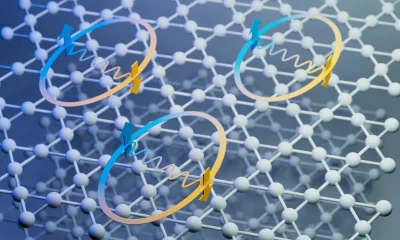
Toinen ratkaisu on spintroniikka, jossa sähkövirran eli elektronien liikkeen sijasta hyödynnetään elektronin spiniä, joka on kvanttimekaaninen ominaisuus.
Spintroniikan edut ja mahdolliset sovellukset
Elektroniset komponentit, kuten transistorit, valmistetaan perinteisesti piistä ja perustuvat puolijohteisiin. Binäärijärjestelmän 0- ja 1-signaalit ilmaisevat sähkövirran kulun tai katkaisun.
Vaihtoehtoinen laskentatapa perustuu spintroniikkalaitteisiin, jotka toimivat elektronien spinin, perustavan kvanttiominaisuuden, eivätkä sähkövirran eli elektronien liikkeen avulla.

Lähde: Insight IAS
Dataa voidaan koodata sekä spin-kulmamomenttiin, jonka voi kuvitella elektronin sisäiseksi ”ylös”- tai ”alas”-suunnaksi, että ratakulmamomenttiin, joka kuvaa elektronien liikettä atomiytimien ympärillä.
Koska spiniin voidaan sisällyttää muutakin tietoa kuin vain 0 ja 1, se voi tallentaa atomia kohti enemmän dataa kuin perinteinen elektroniikka.
Spintroniikalla on useita muitakin etuja perinteisiin elektronisiin järjestelmiin verrattuna, erityisesti:
- Nopeampi tiedonkäsittely, sillä spiniä voidaan muuttaa hyvin nopeasti.
- Pienempi energiankulutus, sillä spinin muuttaminen vaatii vähemmän energiaa kuin sähkövirran synnyttävän elektronivirran ylläpitäminen.
- Yksinkertaisia metalleja voidaan käyttää monimutkaisten puolijohdemateriaalien sijaan.
- Spinin tila on puolijohteen tilaa pysyvämpi, joten data säilyy vakaammin.
Pyyhkäise vierittääksesi →
| Ominaisuus | Perinteinen elektroniikka | Spintroniikka |
|---|---|---|
| Tiedonkantaja | Sähkövirta (0 tai 1) | Elektronin spini (ylös/alas) |
| Energiatehokkuus | Suuri tehontarve | Alhaisempi virrankulutus |
| Nopeus | Sähkövirran rajoittama | Nopeampi spinin kytkentä |
| Materiaalit | Monimutkaiset puolijohteet | Yksinkertaiset metallit/oksidit |
| Datan vakaus | Haihtuva muisti | Vakaa, haihtumaton |
Spintroniikkaa on käytetty kaupallisesti kiintolevyjen lukupäissä 1990-luvulta lähtien, ja se on kasvattanut tallennustiheyttä merkittävästi viime vuosikymmeninä.
”Spin on elektronien kvanttimekaaninen ominaisuus. Se on kuin elektronin mukana kulkeva pieni magneetti, joka osoittaa ylös- tai alaspäin.
Voimme hyödyntää elektronien spiniä tiedon siirtämiseen ja käsittelyyn niin kutsutuissa spintroniikkalaitteissa.”
Talieh Ghiasi – tutkijatohtori, Delftin teknillinen yliopisto
Spintroniikassa on saavutettu viime aikoina huomattavaa edistystä. Esimerkiksi spin-häviö voidaan muuntaa takaisin magnetoitumaksi, mikä parantaa spintroniikan energiatehokkuutta entisestään, ja spintroniikka ja grafeeni voivat antaa tehon seuraavan sukupolven kvanttipiireille.
Tutkijat löytävät yhä uusia tapoja parantaa spintroniikkalaitteita. Soulin kansallisen yliopiston, Korean yliopiston, Korean tiede- ja teknologiainstituutin sekä yhdysvaltalaisen Feinberg School of Medicinen tutkijat loivat magneettisia nanoheliksejä, joilla voidaan hallita elektronien spiniä. Tämä voi synnyttää kokonaan uuden kiraalisen spintroniikan laitteiden alan.
Tutkijat julkaisivat tuloksensa arvostetussa Science-tiedelehdessä1 otsikolla ”Spin-selective transport through chiral ferromagnetic nanohelices”.
Kiraalinen spintroniikka
Mitä kiraalisuus tarkoittaa spintroniikassa?
Luonnossa symmetria on monien asioiden perusominaisuus, mukaan lukien DNA:n rakenneosat ja itse valo. Kaksi lähes identtistä molekyyliä voi erota toisistaan koostumuksen tai muodon sijasta suuntautumisensa perusteella. Tätä ilmiötä kutsutaan kiraalisuudeksi.
Kiraalisuutta voi havainnollistaa vasemman ja oikean käden erolla: kädet ovat muodoltaan, rakenteeltaan ja toiminnaltaan samanlaiset, mutta toistensa peilikuvia eivätkä täysin päällekkäisiä.
Kiraalisuudella on keskeinen tehtävä biologiassa. Luonnonvalinta on suosinut vain tietyn kätisyyden DNA-molekyylejä, sokereita ja aminohappoja.
Kiraalisuus on kuitenkin harvinaista epäorgaanisissa materiaaleissa, jotka ovat yleensä joko järjestymättömiä tai kiraalittomia kiteitä.
Miten metallit saavat kiraalisuuden spintroniikkaa varten
Tutkijat valmistivat sekä vasen- että oikeakätisiä kiraalisia magneettisia nanoheliksejä ohjaamalla metallin kiteytymisprosessia sähkökemiallisesti. Materiaaliksi valittiin koboltti-rautaseos sen ferromagneettisten ominaisuuksien vuoksi.
Prosessin keskeinen innovaatio oli käyttää pieniä määriä kiraalisia orgaanisia molekyylejä, kuten kinkoniinia tai kinkonidiinia, jotka ohjasivat heliksien muodostumista.
”Metalleissa ja epäorgaanisissa materiaaleissa kiraalisuuden hallinta synteesin aikana on erittäin vaikeaa, erityisesti nanomittakaavassa.
Se, että pystyimme ohjelmoimaan epäorgaanisten heliksien suunnan vain lisäämällä kiraalisia molekyylejä, on läpimurto materiaalikemiassa.”
Nanoheliksien kiraalisuus osoitettiin mittaamalla niiden synnyttämät sähkömagneettiset kentät pyörivässä magneettikentässä.
Menetelmä tarjoaa helpon tavan tarkistaa, onko materiaali valmistettu oikein. Vasen- ja oikeakätiset heliksit tuottivat vastakkaiset sähkömagneettiset signaalit, joten kiraalisuus voitiin todentaa määrällisesti ilman magneettisen materiaalin voimakasta vuorovaikutusta valon kanssa, jota tavallinen kiraalisuuden mittaus edellyttää.
Vielä tärkeämpää oli havainto, että nämä kiraaliset magneettiset metallit voivat ohjata myös spiniä valikoivasti: ne päästävät ensisijaisesti yhden spin-suunnan lävitseen mutta estävät vastakkaisen suunnan.
”Kiraalisuus tunnetaan hyvin orgaanisissa molekyyleissä, joissa rakenteen kätisyys määrää usein sen biologisen tai kemiallisen toiminnan.”
Kiraalisen spintroniikan mahdolliset sovellukset
Materiaalin luontainen magnetoituminen eli spinien suuntautuminen mahdollisti pitkän matkan spin-kuljetuksen huoneenlämmössä.
Vaikutus pysyi vakiona kiraalisen akselin ja spinin syöttösuunnan välisestä kulmasta riippumatta. Sitä ei havaittu samankokoisissa ei-magneettisissa nanohelikseissä, joten ilmiö näyttää liittyvän suoraan kiraalisiin magneettisiin helikseihin.
Tämä on ensimmäinen suhteellisen makroskooppisessa materiaalissa havaittu epäsymmetrinen spin-kuljetus.
Tiimi esitteli myös kiinteän olomuodon laitteen, jonka johtavuussignaali riippui kiraalisuudesta, mikä avaa tietä käytännön spintroniikkasovelluksille.
”Näillä nanohelikseillä saavutetaan yli noin 80 prosentin spin-polarisaatio pelkästään niiden geometrian ja magnetismin avulla.
Rakenteellisen kiraalisuuden ja luontaisen ferromagnetismin yhdistelmä on harvinainen. Se mahdollistaa spin-suodatuksen huoneenlämmössä ilman monimutkaisia magneettipiirejä tai kryogeniikkaa ja tarjoaa uuden tavan hallita elektronien käyttäytymistä rakennesuunnittelulla.”
Uuden teknologian etuna on myös suhteellisen yksinkertainen ja edullinen valmistusprosessi, joka ei edellytä harvinaisia materiaaleja eikä monimutkaista tekniikkaa.
”Uskomme, että tästä järjestelmästä voi tulla kiraalisen spintroniikan ja kiraalisten magneettisten nanorakenteiden suunnittelualusta.
Tutkimus yhdistää tehokkaasti geometrian, magnetismin ja spin-kuljetuksen skaalautuvissa epäorgaanisissa materiaaleissa.”
Uuden ajatuksen ja materiaalien mahdollisuuksien täydellinen selvittäminen vaatii vielä paljon tutkimusta. Esimerkiksi säikeiden määrää voidaan muuttaa kaksois- tai monihelikseiksi, mikä voi tuottaa vielä tuntemattomia ominaisuuksia.
Tällä monipuolisella sähkökemiallisella menetelmällä voidaan hallita kätisyyttä eli vasen- tai oikeakätisyyttä ja jopa säikeiden määrää kaksois- ja monihelikseissä. Ominaisuuden odotetaan edistävän merkittävästi uusia sovellusalueita.
Helpon valmistuksen ja pitkän matkan spin-siirron ansiosta tekniikka voisi sopia täysin spiniin perustuvien tietokoneiden ja verkkojen rakentamiseen. Pienempi energiankulutus ja vakaa datan tallennus toisivat myös taloudellisia etuja.
Sijoittaminen spintroniikka‑innovaattoreihin
1. Everspin Technologies
MRAM Hintakaavio
Everspin on Freescalesta, nykyisestä NXP:stä (osaketunnus NXPI), irtautunut yhtiö, joka kehittää MRAM-muistijärjestelmiä. MRAM on nykyään yleisin kaupallisesti käyttökelpoinen spintroniikan muoto. Yhtiö irtautui emostaan ja listautui pörssiin vuonna 2016.
Everspiniä pidetään MRAM-teknologian eli magnetoresistiivisen hajasaantimuistin johtajana. Se jatkaa Freescalen työtä, joka kaupallisti ensimmäisen MRAM-sirun vuonna 2006.
Koska MRAM säilyttää tiedot ilman sähkövirtaa, sitä käytetään yhä enemmän herkissä käyttökohteissa, joissa kriittisten tietojen menettämisen riskiä ei voida hyväksyä.
Laajasti käytetyt sovellukset, kuten data-analytiikka, maanpäällinen ja avaruudessa tapahtuva pilvilaskenta, tekoäly ja reunatekoäly, mukaan lukien teollinen esineiden internet, kasvattavat pysyvän muistin markkinoita. Markkinoiden ennustetaan kasvavan 27,5 prosentin vuotuisella kasvuvauhdilla vuosina 2020–2030.

Lähde: Everspin
Yhtiö arvioi markkinoiden kasvavan 7,4 miljardiin dollariin vuoteen 2027 mennessä. Sillä ei ole ollut velkaa, ja vapaa kassavirta on ollut positiivinen vuodesta 2021 lähtien.
Everspinin MRAM-tuotteet palvelevat pientä mutta kasvavaa markkinarakoa, jossa luotettavuus on ratkaisevaa. Käyttökohteita ovat esimerkiksi ilmailu, satelliitit, datatallentimet ja potilasvalvontalaitteet.

Lähde: Everspin
Piirisarjojen, tekoälyn ja synaptisten järjestelmien kasvu voi pitkällä aikavälillä tukea myös yhtiötä.
2. NVE Corporation
NVEC Hintakaavio
Myös NVE on spintroniikan edelläkävijä. Se on kehittänyt teknologiaa ensimmäisestä, vuonna 1995 saamastaan MRAM-patentista lähtien. Yhtiö valmistaa spintronisia antureita ja erottimia, joita käytetään pääasiassa autojen, vaihteistojen, lääkinnällisten laitteiden, virtalähteiden ja muiden teollisuuslaitteiden mittaus- ja anturijärjestelmissä.

Lähde: NVE
NVE kuuluu hieman eri luokkaan kuin Everspin. NVE on teollisuusyritys, jolla on vahva asema spintroniikkaan perustuvien magnetometrien erikoismarkkinalla, kun taas Everspin on muisti- ja laskentayhtiö, joka tekee yhteistyötä ja kilpailee Intelin (INTC ), Qualcommin (QCOM ), Toshiban ja Samsungin kaltaisten, omia MRAM-tuotteitaan kehittävien yhtiöiden kanssa.
Tämä voi tehdä osakkeesta sijoittajan profiilin mukaan houkuttelevamman tai vähemmän houkuttelevan. NVE:n osake sopinee paremmin varovaisille sijoittajille, jotka hakevat osinkotuottoa ja vakautta.
Viitteet
1. Yoo Sang Jeon, et al. Spin-selective transport through chiral ferromagnetic nanohelices. Science. 4 Sep 2025. Vol 389, Issue 6764. pp. 1031-1036. DOI: 10.1126/science.adx5963