
Rumfart
Inde i X-65, DARPA’s fly med aktiv flowkontrol

 Føj Securities.io til dine foretrukne kilder på Google

Hvordan aktiv flowkontrol kan omdefinere flydesign
Siden luftfartens begyndelse har næsten alle dele af et fly udviklet sig. Propeller blev afløst af turbiner, lydmuren blev brudt, og styringen gik over til elektroniske systemer.
Ét element har dog været stort set uændret i næsten et århundrede: flyets styremekanismer. Alle fly bruger elementer som flaps og sideror til at styre flyets hældning, rulning og drejning.

Kilde: BoffinPanda
Den måde traditionelle flykontroller fungerer på er ved at ændre flyets aerodynamiske profil, ved at øge eller reducere modstanden i en given del af flyet. En radikalt anderledes metode, i det mindste i teorien, er aktiv flowkontrol (AFC). Denne metode fokuserer på aktivt at styre luftstrømmen ved hjælp af energi i stedet for blot passivt at øge eller mindske luftmodstand. Hidtil har dette været et lovende, men hovedsageligt teoretisk koncept, kun testet i laboratorier.
Dette vil snart ændre sig, med den nyligt annoncerede beslutning om at gå videre med X-65, en flyprototype med et unikt udseende, udtænkt som en demonstrator for AFC-teknologi.

Kilde: Aurora Flight Sciences
X-65 bygges af Aurora Flight Sciences, en division af Boeing (BA ). Flyet kan snart stå færdigt og give ingeniørerne praktisk erfaring med at bygge et luftfartøj, der styres med AFC.
TL;DR: X-65 er det første fuldskala fly designet til at teste aktiv flowkontrol (AFC) — et system der styrer fly ved hjælp af luftstråler i stedet for bevægelige kontrolflader. Aurora Flight Sciences og DARPA har til formål at bevise, om AFC kan reducere drag, øge løft, forbedre stealth og efterhånden forenkle flydesign. Tidlige tests vil sammenligne AFC med traditionelle klaffer, før der overgås til fuldt aktiv kontrol. X-65 vil ikke gå i tjeneste, men teknologien kan forme næste generations militære og fremtidige kommercielle fly.
Aktiv flowkontrol forklaret
Aktive kontroller
Normale flyvestyringssystemer bruger faste former eller bevægelige flader til at styre luftstrømmen omkring et fly. Aktiv flowkontrol ændrer derimod strømningsfelternes adfærd direkte ved hjælp af sensorer, aktuatorer og styringsalgoritmer.
Små pust eller luftstrømme tappes eksempelvis fra en jetmotor gennem 1–4 mm brede huller i relevante dele af flyets overflade. Teoretisk gør det AFC langt mere reaktivt og fleksibelt, så systemet kan reagere i realtid på skiftende forhold som turbulens. Metoden bør også gøre flyet mere effektivt.
Udfordringer ved aktive flowkontrolsystemer
En udfordring ved AFC er, at systemet er langt mere komplekst. Det kræver især næsten perfekt koordinering mellem sensorer, aktuatorer og styringsalgoritmer. Enhver fejl, forsinkelse eller forkert reaktion kan hurtigt blive livsfarlig i et rigtigt fly.
Et andet problem er, at enhver strømafbrydelse eller mekanisk fejl på grund af systemets aktive karakter kan ændre flyets adfærd drastisk. Der kræves derfor redundans og meget høj pålidelighed, i endnu højere grad end ved traditionelle flyvestyringssystemer.
Endelig bruger de fleste AFC-design mere energi end traditionelle flyvestyringer, hvilket kan være en udfordring i fly med stramme begrænsninger på strømforsyning og vægt.
X-65 oversigt
X-65 er et fælles projekt mellem DARPA (Defense Advanced Research Projects Agency) og Aurora Flight Sciences. Parterne underskrev i august 2025 en aftale om at udvikle flyet sammen. Programmet indgår i CRANE (Control of Revolutionary Aircraft with Novel Effectors), et forskningsprogram, der skal udvikle “et nyt X-fly, hvor aktiv flowkontrol (AFC) indgår som en central designforudsætning”.
“X-65-platformen vil være en varig flytestressource, og vi er sikre på, at fremtidige flydesign og forskningsmissioner vil kunne udnytte de underliggende teknologier og flytestdata.”
Larry Wirsing – VP for flyudvikling hos Aurora Flight Sciences.
X-65 er således først og fremmest en teknologidemonstrator, der er designet omkring AFC for at lære mere om, hvordan teknologien kan anvendes i egentlige militære og kommercielle fly.
Flyet får et vingefang på 30 fod (9 meter) og en totalvægt på 7.000 pund (3.175 kg). Det bliver helt ubemandet og forventes at kunne nå Mach 0,7.
AFC-design
Flyet bliver i første omgang udstyret med både traditionelle flaps og sideror samt AFC-effektorer.
På den måde kan forskerne sammenligne AFC med traditionel flyvestyring og etablere et udgangspunkt for præstationsmålinger.
Senere forsøg vil gradvist basere sig mere på AFC-effektorer og minimere brugen af bevægelige styreflader.
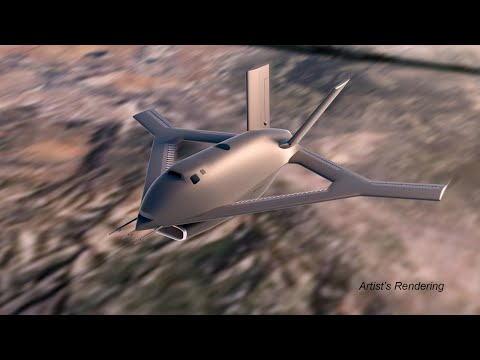
Flyet får indvendige rør og en kraftenhed til at styre luftstrømmen. De 14 forskellige AFC-effektorer er modulopbyggede og kan udskiftes med andre design under testforløbet.
“Vi installerer sensorer, som overvåger, hvordan AFC-effektorernes ydeevne klarer sig i forhold til traditionelle styremekanismer. Dataene vil hjælpe os med bedre at forstå, hvordan AFC i fremtiden kan revolutionere både militære og kommercielle fly.”
Richard Wlezien – DARPAs programleder for CRANE
Stryg for at rulle →
| Funktion | Traditionelle kontroller | Aktiv flowkontrol (AFC) |
|---|---|---|
| Primær mekanisme | Mekaniske overflader (klaffer, roer) | Luftstråler, sensorer, kontrolalgoritmer |
| Energiforbrug | Passiv, lav | Aktiv, højere |
| Responsivitet | Langsommere, mekanisk forsinkelse | Realtids dynamisk kontrol |
| Fejltilstand | Forudsigelig, gradvis | Kræver redundans; fejl pludselig |
| Potentielle fordele | Bevist, simpel | Større løft, mindre luftmodstand og lavere radarsignatur |
X-65 tidslinje
Aurora begyndte arbejdet på CRANE-programmet i 2020, og vindtunnelforsøg blev gennemført i 2022.
Programmet fik sin officielle betegnelse i maj 2023, hvorefter yderligere test gik i gang.
Byggeriet er i gang, og flykroppen forventes færdig i januar 2026 på Auroras produktionsanlæg i Bridgeport i West Virginia. Komponenterne til fremdrift og AFC-systemet er allerede bygget og afventer integration i flyet.

Kilde: Aurora Flight Sciences
Hvad X-65-programmet sigter mod at bevise
Ud over at eksperimentere med AFC er det klare mål at skabe en platform, som senere militære og dernæst civile flydesign kan bygges videre på.
En vigtig fordel ved AFC er, at systemet kan håndtere turbulens langt bedre og på sigt muligvis muliggøre enklere design uden store, komplekse mekaniske styreflader.
Det bør også reducere luftmodstanden og øge løftet, hvilket giver lavere brændstofforbrug og længere rækkevidde.
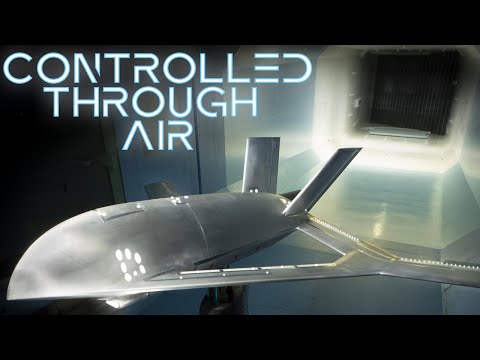
Fra et militært perspektiv kan AFC forbedre stealth-egenskaberne ved at styre kølvand og aerodynamiske signaturer. Det er vigtigt, efterhånden som avancerede halvledere som GaN (galliumnitrid) bruges til at fremstille stadig mere effektive radarer.
Endelig kan AFC stabilisere og forbedre starten, hvilket er særligt nyttigt for kampfly eller droner, der letter fra et hangarskib.
Hvad X-65 betyder for fremtidige fly
X-65 og dets aktive flowkontrol bliver ikke i sig selv et operationelt kampfly eller en drone, men en teknologiplatform, som fremtidige funktionsdygtige fly kan bygges på.
Det er endnu uvist, hvor effektive og praktiske systemerne bliver. Det er netop det, X-65-forsøgene skal afklare.
Den første anvendelse bliver sandsynligvis avancerede militærfly. Kravene til droner eller bemandede fly, der letter fra hangarskibe eller skal være svære at opdage, er langt højere og vil kunne drage særlig nytte af AFC.
Når teknologien senere er dokumenteret og veletableret, vil den sandsynligvis kunne anvendes i civile fly. I begyndelsen kan AFC supplere traditionel flyvestyring og derefter gradvist erstatte den i nye passagerflydesign.
Investorindsigter: Boeings Aurora-division positionerer sig i centrum af næste generations flykontrolforskning gennem X-65-programmet. Selvom AFC forbliver eksperimentel, kan tidlig succes styrke Boeings langsigtede forsvars- og rumfartsplan, og differentiere den fra konkurrenterne, efterhånden som fremtidige stealth- og hangarskibsplatforme udvikles.
For investorer repræsenterer AFC en flerårig teknologimulighed indlejret i Boeings F&R-indsats — en, der på sigt kan forbedre marginerne, opgradere militære kontrakter og påvirke næste generations passagerflydesign, hvis den kommercialiseres.
Investering i aktiv flowkontrol
Aurora Flight Sciences / Boeing
BA Prisdiagram
Aurora Flight Sciences udvikler ikke kun X-65, men også en række andre fly:
- Små ubemandede luftfartøjer (Unmanned Aircraft Systems – UAS), eksempelvis rekognosceringsdronen Skyron-X.
- Centaur Optionally Piloted Aircraft er et mindre fly, der styres fra en jordstation og har en sikkerhedspilot om bord. Det gør omkostningseffektive flyveforsøg i det amerikanske luftrumssystem (NAS) mulige.
- En lang række forsøgsfly — bemandede eller ubemandede, elektriske eller konventionelle — udviklet med hurtig prototyping og avancerede fremstillingsmetoder som 3D-print, femakset CNC-bearbejdning, automatiseret in situ-måleteknik og automatiseret fiberplacering.
- Eksempler er vandflyet “Liberty Lifter”, SPRINT, et X-fly med vertikalt løft og vifter i vingerne, NASAs Electrified Powertrain Flight Demonstration (EPFD) samt NASAs X-66 Sustainable Flight Demonstrator (SFD).
Samlet set gør det Aurora til Boeings forsøgs- og forskningsafdeling.
Den større Boeing-koncern har været igennem en vanskelig periode, blandt andet efter flere flyulykker og den meget omtalte fejl på rumkapslen Starliner.
Boeing er dog fortsat en gigant inden for flyproduktion. Leverancerne fra 777X-programmet stiger, og omsætningen nåede 23,5 mia. dollar i tredje kvartal 2025 mod 17,8 mia. dollar i samme kvartal året før. Samtidig vendte det frie cash flow tilbage til et positivt niveau.
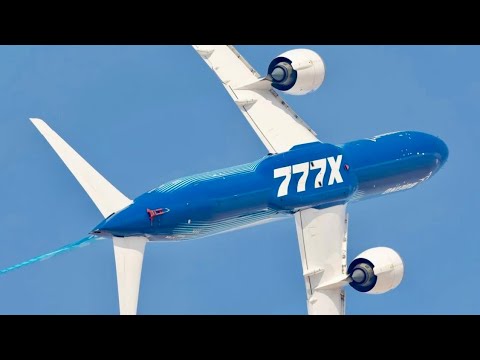
De særligt kraftige motorer på 777X imponerede både eksperter og publikum på Dubai Airshow 2025 med flyets meget hurtige start og stærke manøvredygtighed.
Kommercielle fly er den mest synlige del af virksomheden med en omsætning på 11,1 mia. dollar i tredje kvartal 2025. Forsvars-, rumfarts- og sikkerhedssegmentet bidrog med 6,9 mia. dollar, mens serviceaktiviteter — hovedsageligt reservedele og vedligeholdelse af eksisterende fly — indbragte 5,4 mia. dollar.
Virksomheden er sandsynligvis endnu ikke helt fri af fortidens problemer og må reformere mere af produktionen og omstrukturere forsyningskæden. Blandt andet genkøbte Boeing Spirit AeroSystems for 4,7 mia. dollar i 2024.
Boeing er dog på vej tilbage på sporet. En solid strøm af militære ordrer — blandt andet bestillinger på tankfly og Apache-helikoptere fra Pentagon og Israel til en samlet værdi på 7 mia. dollar — bør understøtte virksomheden, mens omdømmet for den civile flydivision genopbygges.
Seneste Boeing (BA) aktienyheder og udviklinger



