Ilmu material
NUS Menemukan Material Bebas Tembaga dengan Superkonduktivitas Suhu Tinggi

 Tambahkan Securities.io ke sumber pilihan Anda di Google

Potensi Superkonduktivitas
Listrik merupakan salah satu teknologi terpenting dalam peradaban modern. Pada konduktor biasa, hambatan listrik mengubah sebagian energi menjadi panas ketika arus mengalir.
Pemanasan ini membatasi besar arus dan medan magnet yang dapat ditangani suatu sistem, sehingga desain daya tinggi membutuhkan pendinginan dan perlindungan yang memadai.
Superkonduktivitas menawarkan keadaan berbeda: di bawah kondisi tertentu, hambatan listrik turun hingga tidak terukur dan material menunjukkan efek Meissner. Banyak superkonduktor memerlukan suhu sangat rendah, mendekati nol mutlak (0 K atau sekitar −273,15°C).
Terobosan penting terjadi pada 1986 dengan penemuan superkonduktivitas pada oksida tembaga yang dianugerahi Nobel Fisika 1987. Material ini disebut “suhu tinggi” dibandingkan superkonduktor sebelumnya, meskipun tetap harus didinginkan jauh di bawah suhu ruang.
Superkonduktor digunakan dalam teknologi seperti magnet akselerator partikel, termasuk CERN, pemindai MRI, dan sebagian sistem kereta maglev. Teknologi tersebut juga bergantung pada banyak komponen non-superkonduktor.
Superkonduktor juga digunakan atau diteliti untuk proyek seperti ITER dan fusi nuklir, serta calon aplikasi seperti pelontar massa dan beberapa jenis komputer kuantum.
Kabel superkonduktor dapat mengurangi rugi resistif, tetapi jaringan listrik jarak jauh tetap memiliki rugi pada pendinginan, konversi, sambungan, dan peralatan pendukung. Biaya, keandalan, kapasitas arus, medan kritis, serta integrasi jaringan menentukan apakah teknologi ini lebih unggul daripada kabel konvensional.

Sumber: XOT Metals
Suhu Tinggi Superkonduktivitas
Kebutuhan pendinginan membuat superkonduktor saat ini paling ekonomis untuk aplikasi bernilai tinggi atau berkinerja khusus, seperti MRI, magnet penelitian, sebagian sistem maglev, dan perangkat ilmiah.
Superkonduktivitas yang hanya muncul pada tekanan sangat tinggi penting bagi ilmu dasar, tetapi sulit diterapkan karena memerlukan peralatan tekanan khusus dan volume sampel yang kecil.
Sejumlah hasil baru telah memperluas daftar material yang perlu diteliti, tetapi belum menghilangkan kendala suhu, tekanan, manufaktur, dan skala:
- Beberapa material yang dibentuk pada tekanan tinggi sedang diuji untuk mengetahui apakah fase atau sifat tertentu dapat dipertahankan pada tekanan lebih rendah, termasuk protokol pendinginan tekanan (PQP). Hasilnya belum menjadi metode umum untuk menghasilkan superkonduktor praktis.
- WSe₂ bilapis terpuntir menunjukkan superkonduktivitas dalam kondisi eksperimen tertentu, tetapi pada suhu sangat rendah dan bukan sebagai superkonduktor suhu ruang.
- Nikelat berlapis ganda dan nikelat lapisan tak hingga telah memperluas keluarga material kandidat, dengan perilaku yang bergantung pada komposisi, tekanan, regangan, substrat, dan ketebalan film.
- LK-99, suatu apatit timbal yang didoping tembaga, sempat diklaim sebagai superkonduktor suhu dan tekanan ruang.
- Replikasi berikutnya tidak mengonfirmasi superkonduktivitas suhu ruang; sinyal yang diamati dijelaskan oleh fase pengotor dan efek magnetik biasa. Penelitian lanjutan terhadap material terkait tidak menghidupkan kembali klaim awal tersebut.
Mekanisme superkonduktivitas konvensional dipahami dengan baik, tetapi mekanisme lengkap pada banyak superkonduktor suhu tinggi masih diperdebatkan. Karena ruang komposisi material sangat besar, model yang dapat menyaring kandidat tetap bernilai, namun prediksi harus diuji melalui sintesis dan pengukuran independen.
Sebuah studi Januari 2025 mengusulkan batas intrinsik bagi suhu kritis dalam kelas model superkonduktivitas tak konvensional tertentu. Itu bukan batas universal yang telah dibuktikan untuk semua material.
Pada Maret 2025, peneliti National University of Singapore melaporkan film tipis nikelat tanpa tembaga yang menunjukkan superkonduktivitas mendekati 40 K pada tekanan sekitar atmosfer. Hasilnya diterbitkan di Nature1 dengan judul “Bulk superconductivity near 40 K in hole-doped SmNiO2 at ambient pressure”.
Model Superkonduktivitas Baru
Menjelaskan Superkonduktivitas
Tim menggunakan hubungan empiris antara interaksi antarlapis dan suhu kritis untuk membangun model fenomenologis yang menyaring kandidat. Ini bukan teori umum baru yang menjelaskan seluruh mekanisme superkonduktivitas, sehingga beberapa konsep dasar perlu dibedakan:
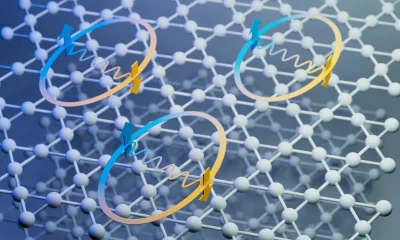
Pasangan Cooper adalah pasangan elektron berkorelasi yang dapat membentuk keadaan kuantum kolektif. Keberadaannya penting bagi superkonduktivitas, tetapi mekanisme pengikatannya tidak sama pada semua kelas material.
Teori Bardeen–Cooper–Schrieffer (BCS), yang berkaitan dengan Nobel Fisika 1972, berhasil menjelaskan banyak superkonduktor konvensional melalui kondensasi pasangan Cooper. Teori BCS sederhana tidak sepenuhnya menjelaskan cuprate dan banyak superkonduktor suhu tinggi tak konvensional.
Pada superkonduktor konvensional, fonon—eksitasi kuantum dari getaran kisi—memediasi pasangan elektron. Pada material tak konvensional, interaksi yang dominan masih menjadi topik penelitian; karena itu tidak tepat menganggap fonon sebagai penjelasan universal.

Sumber: Fiveable
Memprediksi dan Memproduksi Superkonduktor Baru
Model fenomenologis tersebut memprediksi beberapa senyawa tanpa tembaga sebagai kandidat superkonduktor suhu tinggi. Prediksi ini mempersempit pencarian, tetapi tidak membuktikan bahwa setiap kandidat akan dapat disintesis atau menjadi superkonduktor.
Tim kemudian membuat film tipis nikel oksida lapisan tak hingga yang didoping samarium, europium, kalsium, dan stronsium, ditulis sebagai (Sm-Eu-Ca-Sr)NiO₂ dalam laporan ilmiah.
“Seperti yang kami prediksi dan rancang, oksida superkonduktor tanpa tembaga ini menunjukkan superkonduktivitas suhu tinggi pada tekanan atmosfer di permukaan laut, tanpa kompresi tambahan—seperti oksida tembaga.
Temuan ini menunjukkan bahwa superkonduktivitas suhu tinggi tak konvensional mungkin tidak eksklusif pada tembaga dan dapat muncul pada keluarga unsur yang lebih luas.”
Dr. Stephen Lin Er Chow – Peneliti di National University of Singapore
Makalah tersebut melaporkan awal transisi mendekati 40 K, keadaan hambatan nol pada 31 K, dan efek Meissner. Kombinasi transportasi dan respons magnetik mendukung superkonduktivitas, tetapi satu keberhasilan tidak membuktikan semua prediksi model. Materialnya berupa film tipis laboratorium, bukan komponen massal siap industri.

Sumber: National University of Singapore
Mahasiswa doktoral NUS Zhaoyang Luo menggunakan mikroskopi elektron untuk menunjukkan kristalinitas tinggi dan fase yang relatif murni pada film yang disintesis. Karakterisasi ini memperkuat hasil material, tetapi tidak dengan sendirinya membuktikan stabilitas jangka panjang, kemudahan produksi massal, ketangguhan, atau kelayakan biaya.
“Ini pertama kalinya sejak penemuan peraih Nobel bahwa oksida superkonduktor suhu tinggi tanpa tembaga ditemukan bekerja pada tekanan sekitar.
Selain itu, material baru ini sangat stabil dalam kondisi sekitar sehingga lebih mudah diakses.”
Prof. Ariando – Profesor di National University of Singapore
Film tersebut dapat dibuat dengan sangat sedikit cacat struktural tipe Ruddlesden–Popper dalam kondisi penelitian. Hal ini menjanjikan untuk eksperimen lanjutan, tetapi prosesnya masih memerlukan substrat, pertumbuhan film tipis, kontrol komposisi, dan pengujian reproduktibilitas sebelum aplikasi praktis dapat dinilai.
Aplikasi dan Pengembangan Masa Depan
Dengan kandidat yang telah terkonfirmasi, peneliti dapat memetakan pengaruh komposisi, pengisian elektronik, regangan, ketebalan, medan magnet, dan tekanan hidrostatik terhadap suhu kritis dan sifat material.
Penelitian tersebut dapat membantu menemukan anggota baru keluarga nikelat atau material terkait dengan suhu operasi lebih tinggi. Kenaikan suhu kritis tidak dijamin dan tetap harus disertai kepadatan arus kritis, medan kritis, kestabilan, serta kemampuan manufaktur yang memadai.
Jika suatu superkonduktor suhu lebih tinggi dapat diproduksi secara andal dan ekonomis dalam bentuk kawat, pita, film, atau komponen, dampaknya dapat mencakup:
- Menurunkan beban dan biaya pendinginan pada teknologi tertentu yang sudah menggunakan superkonduktor, termasuk magnet MRI dan beberapa sistem transportasi magnetik. Besarnya penghematan bergantung pada keseluruhan sistem.
- Memperluas aplikasi apabila suhu kritis, medan kritis, dan kepadatan arusnya cukup tinggi. Nitrogen cair mendidih pada sekitar −196°C (77 K), sehingga material dengan margin operasi yang memadai di atas 77 K dapat memakai pendingin yang lebih mudah ditangani daripada helium cair.
- Calon penggunaan mencakup kabel daya, penyimpanan energi magnetik, motor, generator, magnet riset, sistem kelautan, dan sebagian konsep propulsi atau peluncuran. Setiap aplikasi masih memerlukan analisis teknik dan ekonomi tersendiri.
“Pengamatan ini memiliki implikasi besar bagi pemahaman teoretis dan realisasi eksperimental cakupan material superkonduktor yang lebih luas untuk kemungkinan aplikasi dalam elektronika modern,”
Prof. Ariando – Profesor di National University of Singapore
Pemimpin dalam Solusi Superkonduktivitas
AMSC Grafik Harga
AMSC menyediakan peralatan kualitas dan pengendalian daya untuk jaringan serta fasilitas industri, sistem kelistrikan turbin angin, dan sistem perlindungan kapal. Perusahaan juga menjual produk berbasis kawat superkonduktor suhu tinggi, tetapi tidak semua produknya memerlukan superkonduktivitas.
Selain solusi superkonduktor, AMSC menawarkan sistem kendali listrik untuk turbin angin. Nama perusahaan tidak berarti seluruh pendapatan atau produknya berasal dari superkonduktor.
Elektrifikasi, pusat data, modernisasi jaringan, manufaktur, energi terbarukan, dan belanja pertahanan dapat mendukung permintaan. Namun, pesanan bergantung pada anggaran pelanggan, proyek besar, waktu pengakuan pendapatan, persaingan, kebijakan energi, dan rantai pasokan.

Sumber: American Superconductor Corporation
Dalam segmen Grid, AMSC menjual solusi kualitas daya, pengendalian, dan transmisi kepada utilitas dan fasilitas industri, termasuk pabrik semikonduktor. Pertumbuhan pesanan tidak selalu stabil dan dapat dipengaruhi oleh konsentrasi pelanggan serta jadwal proyek.
Dalam segmen Wind, AMSC terutama menyediakan electrical control systems (ECS) dan desain teknik turbin. Pendapatan segmen dapat berubah tajam berdasarkan pengiriman kepada pelanggan tertentu; keberhasilan desain 3 MW di India dan pasar lain bergantung pada permintaan serta kemampuan mitra manufaktur.

Untuk kapal militer, AMSC menawarkan ship protection systems yang memakai kabel superkonduktor suhu tinggi untuk mengurangi tanda magnetik dan risiko ranjau magnetik. Pesanan historis dari angkatan laut tidak menjamin kontrak, volume, margin, atau penerimaan baru di masa depan.
AMSC telah mengomersialkan teknologi pada aplikasi khusus yang layak saat ini, tetapi tidak memiliki hak eksklusif atas penelitian NUS ini dan tidak otomatis mendapat manfaat dari setiap kemajuan superkonduktor. Investor perlu menilai laporan terbaru, profitabilitas, arus kas, backlog, akuisisi, pelanggan, persaingan, kontrak pemerintah, volatilitas saham, serta risiko bahwa teknologi baru tidak pernah mencapai skala komersial.
Terbaru tentang American Superconductor Corporation
Studi yang Dirujuk:
1. Chow, S.L.E., Luo, Z. & Ariando, (2025) Bulk superconductivity near 40 K in hole-doped SmNiO2 at ambient pressure. Nature 642, 58–63. Diterbitkan 20 Maret 2025; versi rekaman 21 Mei 2025. https://doi.org/10.1038/s41586-025-08893-4