
Robotika
Investor Harus Memperhatikan: Robotika Mengambil Alih Pertanian

 Tambahkan Securities.io ke sumber pilihan Anda di Google

Pada zaman pra-modern, sebagian besar aktivitas ekonomi didorong oleh sektor primer: pertanian, peternakan, dan produksi makanan lainnya. Dengan revolusi industri, ekonomi kita mula-mula semakin didorong oleh sektor industri, kemudian oleh sektor jasa. Hal ini membuat sektor primer, meskipun tetap bertanggung jawab atas tugas penting produksi makanan, menjadi semakin tidak terlihat dalam hal ekonomi.
Faktor kunci adalah mekanisasi pertanian. Di wilayah miskin dan kurang berkembang seperti Afrika, pertanian dapat menjadi mata pencaharian sebagian besar penduduk dan menyumbang hingga 15% PDB. Di negara seperti AS, pertanian kurang dari 1% PDB.
Mekanisasi dan pertanian industri mendorong sejumlah perkembangan yang dapat merugikan lingkungan:
- Ekspansi monokultur massal seluas ribuan hektar alih-alih ekosistem beragam dengan pagar hidup, banyak spesies, dll…
- Ketergantungan besar pada pupuk kimia.
- Penggunaan intensif pestisida dan herbisida yang menyebabkan kerusakan ekologi dan pencemaran air.
- Degradasi kesuburan tanah akibat pembajakan dalam, pupuk, fungisida, dan pemadatan di bawah beban traktor yang semakin besar.
- Penurunan keanekaragaman hayati tanaman, dengan hanya beberapa varietas yang sering mewakili 80%-90% total produksi.
- Nilai gizi makanan yang diproduksi menurun.
Praktik ini tidak berkelanjutan. Koloni lebah terancam oleh hilangnya lebah pekerja, yang dikenal sebagai colony collapse disorder, suatu fenomena yang berkaitan dengan berbagai faktor, termasuk parasit, penyakit, nutrisi, dan paparan pestisida. Tekanan ekonomi juga dapat membebani petani, yang menurut sejumlah penelitian memiliki risiko bunuh diri lebih tinggi daripada populasi umum. Organisasi Pangan dan Pertanian PBB (FAO) memperingatkan bahwa lebih dari 90% tanah dapat terdegradasi pada 2050 jika tidak ada tindakan. Proyeksi FAO sebelumnya memperkirakan bahwa produksi pertanian perlu meningkat sekitar 70% dari tingkat dasar 2005–2007 hingga 2050. Degradasi tanah mempersulit target tersebut, tetapi tidak berarti sebagian besar tanah pasti menjadi tandus.
Gambaran ini mungkin terlihat suram. Namun, solusi sudah tersedia dan mulai diterapkan.
Beranjak ke Langkah Selanjutnya
Tidak semua dampaknya negatif. Pertanian industri telah sangat mengurangi kelaparan meskipun populasi dunia tumbuh pesat. Pertanian industri juga membebaskan tenaga manusia untuk pekerjaan yang lebih produktif, seperti ilmu pengetahuan dan pendidikan.
Namun, ada beberapa pekerjaan yang masih sulit dilakukan dengan baik oleh pertanian industri:
- Pengendalian gulma dan hama tanpa bahan kimia.
- Pemanenan dan pemetikan, terutama buah-buahan dan beri yang rapuh.
- Perawatan khusus untuk setiap bagian kecil lahan yang dibudidayakan.
- Irigasi optimal yang tidak membuang sumber daya air berharga.
Solusi sejauh ini adalah mengabaikan masalah tersebut dengan tetap menggunakan bahan kimia, atau mengatasinya dengan memanfaatkan tenaga migran berupah murah untuk memetik buah. Dari sudut pandang ekologi maupun etika, mempertahankan praktik yang sama tidak dapat dibenarkan.
Untungnya, robotika kini hadir untuk membantu menjadikan pertanian lebih berkelanjutan.
Bayangkan masa depan di mana pemetikan buah dilakukan oleh robot pintar yang tidak akan melukai punggung mereka dan tidak akan kepanasan di bawah terik matahari; di mana traktor diesel raksasa digantikan oleh armada drone otonom kecil beroda yang berjalan dengan tenaga surya; di mana ladang terus dipantau oleh drone terbang; dan di mana pestisida serta herbisida digantikan oleh air panas atau lengan robotik.
Kabar baiknya, perusahaan di berbagai bagian sektor pertanian sedang mengembangkan solusi ini. Bukan hanya perusahaan rintisan kecil yang antusias, tetapi juga raksasa industri seperti Bayer. Bahkan ada forum robotika pertanian internasional, seperti yang berlangsung pada Desember 2021 di Prancis. Kemajuan terjadi di berbagai bidang dan dapat kita kelompokkan ke dalam beberapa kategori.
Pemetikan Buah dengan Robot
Advanced.farm menggunakan enam lengan robot, visi mesin, dan alat pengisap untuk memanen apel dengan lembut tanpa kehadiran manusia. Mesin ini juga dapat bekerja pada malam hari sehingga memungkinkan pemanenan sepanjang waktu. Perusahaan tersebut juga merancang mesin pemanen stroberi yang menurut perusahaan lima kali lebih efisien daripada pemanen manusia. Jadi, meskipun tampilannya saat bekerja malam hari agak menyeramkan (lihat di bawah), mesin ini dirancang untuk bekerja secara aman dan efisien.

Fieldworkrobotics telah menjalin kemitraan dengan produsen mesin Jerman, Bosch untuk mengembangkan robot untuk memetik buah yang mudah rusak. Perusahaan ini mengkhususkan diri pada buah dan sayuran yang rapuh, seperti rasberi, kembang kol, dan tomat, dengan menggunakan lengan robot canggih.
Manajemen Gulma & Hama dengan Robot
Ecorobotix menciptakan robot yang menggabungkan visi mesin dan penyemprotan presisi untuk mengurangi volume pestisida dan herbisida hingga 95%. Alih-alih menyemprot seluruh lahan, robotnya hanya menyasar tanaman yang benar-benar membutuhkan bahan kimia. Meskipun tidak sepenuhnya menghilangkan bahan kimia dari pertanian, pendekatan ini dapat sangat mengurangi jumlah penggunaannya dan pencemaran terkait.
Naio Technologies justru bertujuan menghilangkan penggunaan herbisida di lahan. Robot otonom yang relatif ringan (1,5 ton, sebanding dengan mobil) bergerak di lahan dan memotong atau mencabut gulma dengan bilah kecil. Robot menggunakan LIDAR, panduan GPS, dan visi mesin untuk bergerak sendiri serta membedakan tanaman budidaya dari gulma tanpa pengawasan langsung.

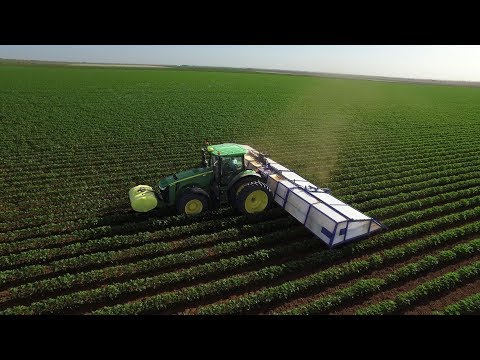
Ada pula perusahaan yang melangkah lebih jauh, seperti Blue River Technology, yang diakuisisi oleh produsen peralatan pertanian John Deere pada 2017. Perusahaan ini menggunakan pembelajaran mesin dan visi mesin untuk mengenali setiap tanaman di lahan. Robot dapat membuang gulma sekaligus menjarangkan tanaman seperti selada, sehingga meningkatkan hasil panen tanpa campur tangan manusia, dengan melakukan pekerjaan setara 9–10 orang. Informasi lebih lanjut tersedia dalam video berikut:
Penerapan serupa dari visi mesin untuk menjarangkan tanaman dan membersihkan gulma juga dikembangkan oleh Vision Robotics, Ekobot, dan Aigro. Kemungkinan banyak perusahaan rintisan lain masih mengembangkan produknya tanpa pengumuman publik atau baru memulai.
Pengairan dengan Robotika
Osiris Agriculture adalah perusahaan Prancis yang mengembangkan robot irigasi. Dengan bergerak sendiri dan mengenali kebutuhan tanaman, robot ini mengurangi konsumsi air sebesar 30% serta menghemat tujuh jam kerja petani per hektar pada musim panas.

Pemantauan dengan Robotika
Precision Hawk menggunakan drone untuk memantau kesehatan tanaman dengan sensor multispektral. Drone ini mendeteksi cahaya tampak dan inframerah untuk memberikan informasi tentang kebutuhan penyiraman suatu area. Perusahaan juga bermitra dengan DJI, produsen drone terbesar di dunia, untuk mengembangkan aplikasi yang memungkinkan drone digunakan memantau tanaman.

Aplikasi Lain untuk Robotika
Masih banyak penerapan lain. Contohnya, pengelolaan ternak menggunakan Beefreeagro, yang menemukan lokasi dan menghitung ternak secara otonom. Sistem ini juga dapat mendeteksi tanda awal penyakit serta memeriksa kondisi pagar dan gerbang.
Robot juga dapat digunakan untuk reboisasi. Biocarbon Engineering menggunakan drone untuk menanam ratusan pohon hanya dalam beberapa menit dalam uji coba pemulihan hutan mangrove di Myanmar. Pendekatan ini dapat sangat efisien untuk wilayah yang sulit dijangkau, seperti pesisir dan pegunungan.
Karena sebagian budidaya, seperti bunga, sering dilakukan di dalam ruangan, tersedia pula robot penanam untuk rumah kaca, seperti Roboplant.
Contoh Khusus
Tidak semua lahan membentang dalam barisan datar sepanjang beberapa kilometer. Banyak lahan berada di lereng atau memiliki susunan yang rumit, misalnya kebun anggur dan lahan dengan tanaman campuran. Ada robot untuk kondisi tersebut. Slopehelper bergerak menggunakan roda rantai seperti tank dan dapat melakukan berbagai pekerjaan sesuai peralatan yang dipasang: menyemprot, memangkas, menyiangi, memasang mulsa, dan membantu pemetik manusia menjangkau buah di kebun buah atau kebun anggur.
Robot multifungsi kemungkinan akan menjadi standar, dengan satu mesin menggabungkan penanaman, irigasi, pengendalian hama, penyiangan, pemetikan, dan pekerjaan lainnya. Hal ini mungkin terjadi melalui penggabungan sejumlah perusahaan rintisan dengan pemimpin teknologi atau kelompok usaha pertanian yang sudah ada, seperti John Deere dan Bayer.
Terakhir, mungkin Anda bukan petani, melainkan penggemar berkebun yang ingin menanam sebagian makanan sendiri di rumah, tetapi tidak memiliki waktu atau kemampuan fisik untuk mengurus kebun. Atau Anda ingin menyaksikan sendiri robot pertanian bekerja? Anda dapat melihat proyek sumber terbuka Farm.Bot. Robot ini menanam, menyiangi, menyiram, dan memupuk secara otonom pada area hingga 3 × 6 meter, dengan harga yang disebutkan saat itu sebesar 3.995 dolar.

Kesimpulan
Penggunaan robot dalam pertanian baru dimulai dan akan terus berkembang. Tenaga kerja masih menjadi komponen besar biaya produksi pangan. Robot dapat membantu menjaga harga pangan tetap terjangkau sekaligus mendukung praktik pertanian yang lebih baik. Dalam beberapa dekade, kita mungkin melihat kembali praktik pertanian saat ini sebagai sesuatu yang merusak dan berpandangan pendek dibandingkan metode pertanian robotik yang jauh lebih maju, yang membantu melestarikan keanekaragaman hayati dan mengurangi pencemaran.
Seiring waktu, robot kemungkinan akan menggantikan banyak traktor dan mengubah cara bertani secara mendasar. Hal ini merupakan ancaman sekaligus peluang bagi pelaku usaha yang sudah mapan. Dari sudut pandang investasi, perusahaan pertanian yang mengadopsi robotika dan mampu beradaptasi dengan perubahan sebesar mekanisasi hampir seabad lalu dapat menarik untuk dicermati.
Investor sebaiknya mencermati sektor pertanian, terutama perusahaan yang menerapkan analitik data dan memanfaatkan robotika.



