
Market समाचार
BRICS+: विस्तार, जोखिम, और भू-राजनीतिक दांव

 Securities.io को Google पर अपने पसंदीदा स्रोतों में जोड़ें

एक बदलता हुआ विश्व शक्ति संतुलन
अंतरराष्ट्रीय संस्थाएँ अक्सर अपनी स्थापना के समय प्रमुख देशों के बीच मौजूद शक्ति-संतुलन को दर्शाती हैं। वे इसलिए आवश्यक हैं क्योंकि वैश्विक स्तर पर व्यापार, आर्थिक असंतुलन, प्रौद्योगिकी हस्तांतरण और सैन्य संघर्षों के प्रबंधन का तरीका तय करती हैं।
उदाहरण के लिए, संयुक्त राष्ट्र की स्थापना 1945 में हुई थी और इसका एक बंद सुरक्षा परिषद है जिसमें केवल पाँच स्थायी सदस्य हैं, प्रत्येक के पास वीटो अधिकार है: चीन, फ्रांस, रूस, यूनाइटेड किंगडम, और संयुक्त राज्य अमेरिका।
यह उल्लेखनीय है कि ये देशों में से कुछ पहले उन देशों में से हैं जिन्होंने परमाणु बम प्राप्त किए थे, और उस समय यूके और फ्रांस दोनों ही बड़े वैश्विक शक्तियाँ थीं जिनके व्यापक उपनिवेशीय साम्राज्य थे। इसलिए यह समझ में आता है कि भारत जैसे देशों को शामिल नहीं किया गया, क्योंकि वे उस समय स्वतंत्र भी नहीं थे।
बेशक, 1945 के बाद से दुनिया में बहुत कुछ बदल गया है। USSR का पतन हुआ, चीन विश्व का कारखाना बन गया, और पुराने उपनिवेशीय साम्राज्य सभी समाप्त हो गए।
इसी कारण से नई अंतरराष्ट्रीय संस्थाएँ बन रही हैं, जो बदलते शक्ति संतुलन को दर्शाती हैं। शायद सबसे अधिक चर्चा और बहस वाला विषय है तथाकथित BRICS, जिसे कुछ लोग विफलता के रूप में वर्णित करते हैं और कुछ इसे अंतरराष्ट्रीय संबंधों का भविष्य मानते हैं, जो द्वितीय विश्व युद्ध के बाद के पुरानी व्यवस्था को बदल देगा।
सच्चाई संभवतः इन दोनों मतों के बीच है: BRICS अंतरराष्ट्रीय संगठनों में उभरती शक्ति है, लेकिन उसे गंभीर सीमाओं और मौजूदा संस्थागत ढाँचों के विरोध का भी सामना करना पड़ता है।
BRICS: संक्षिप्त रूप से अंतरसरकारी ब्लॉक (2001–2025)
दिलचस्प बात यह है कि BRICS शब्द कुछ बड़े देशों की संयुक्त राष्ट्र का विकल्प बनाने की ऊपर से थोपी गई पहल से नहीं आया। इसे 2001 में गोल्डमैन सैक्स (GS ) के वित्तीय विश्लेषक जिम ओ’नील ने अपने-अपने क्षेत्रों में सबसे प्रभावशाली उभरते बाजारों के समूह के लिए गढ़ा था:
- ब्राज़ील।
- रूस।
- भारत।
- चीन।
- दक्षिण अफ्रीका।
इस संक्षिप्त नाम के पीछे विचार यह था कि निवेशकों ने इन देशों की उपेक्षा की, जबकि प्राकृतिक संसाधनों, निरंतर वृद्धि, जनसांख्यिकीय गतिशीलता या औद्योगिक और वैज्ञानिक क्षमता के कारण हर देश में अपार भविष्य की संभावना थी।
यह उन देशों के समूह का भी अच्छा वर्णन करता है जो अधिकांश वैश्विक आर्थिक संस्थानों में प्रभाव से बाहर हैं, जो आमतौर पर पश्चिमी देशों के नियुक्तियों द्वारा नियंत्रित होते हैं, जैसे IMF या World Bank।
इस प्रकार BRICS पश्चिम और जापान व दक्षिण कोरिया जैसे उसके निकट सहयोगियों से बाहर विश्व अर्थव्यवस्था के “दूसरे” हिस्से का संक्षिप्त नाम माना जाने लगा।
2009–2011: प्रथम शिखर सम्मेलन और दक्षिण अफ्रीका का प्रवेश
अंतरराष्ट्रीय व्यवस्था को लेकर BRICS देशों के साझा हित और चिंताएँ होने का विचार जड़ पकड़ने लगा। इन देशों के प्रतिनिधियों की पहली BRICS बैठक 2009 में एक “अनौपचारिक कूटनीतिक क्लब” के रूप में हुई और दक्षिण अफ्रीका 2011 में औपचारिक रूप से शामिल हुआ।

स्रोत: BRICS
कई वर्षों तक BRICS एक वैकल्पिक मंच रहा जहाँ ये देश पश्चिमी देशों से स्वतंत्र होकर साझा मुद्दों पर चर्चा कर सकते थे। लेकिन सामान्य घोषणाओं के अलावा इससे अपेक्षाकृत कम ठोस परिणाम निकले।
2024–2025 विस्तार: BRICS+ सदस्यता & संस्थाएँ
यह स्थिति धीरे-धीरे बदली। BRICS ने न्यू डेवलपमेंट बैंक, 100 अरब डॉलर की BRICS आकस्मिक आरक्षित व्यवस्था, समूह के भीतर 60 संस्थाएँ और थिंक टैंकों का विस्तृत नेटवर्क जैसे नए बहुपक्षीय संस्थान बनाए।
एक अन्य विकास यह रहा कि 2024 में BRICS ने BRICS+ में रूपांतरित हो गया, जहाँ संक्षिप्त रूप मुख्यतः इसकी स्थापना की विरासत है।
कई देशों ने सदस्यता में रुचि दिखाई है और उन्हें पूर्ण सदस्यता या ऐसी स्थिति दी गई है जो बाद में सदस्यता में बदल सकती है। 2024 के विस्तार में सबसे उल्लेखनीय जोड़ियों में संयुक्त अरब अमीरात, ईरान, मिस्र, और इथियोपिया शामिल हैं। इंडोनेशिया ने जनवरी 2025 में औपचारिक रूप से जुड़ गया।

स्रोत: Geopolitical Economy
एशिया, अफ्रीका और दक्षिण अमेरिका के कई अन्य देशों को “भागीदार देश” के रूप में शामिल होने के लिए आमंत्रित किया गया: अल्जीरिया, बेलारूस, बोलीविया, क्यूबा, इंडोनेशिया, कज़ाखस्तान, मलेशिया, नाइजीरिया, थाईलैंड, तुर्की, युगांडा, उज़्बेकिस्तान और वियतनाम।
BRICS+ और उभरता बहुपोलर विश्व क्रम
बहुपोलरता
2009 से 2025 के बीच आर्थिक और अंतरराष्ट्रीय संबंधों, दोनों क्षेत्रों में अनेक घटनाओं ने BRICS बैठकों के प्रभाव को बदल दिया।
इससे “बहुध्रुवीयता” की नई अवधारणा उभरी। सिद्धांततः यह पश्चिम-नियंत्रित “नियम-आधारित व्यवस्था” का विकल्प हो सकती है, जिसमें दुनिया को कम वैश्विक संस्थाओं के साथ क्षेत्रीय महत्व वाले बड़े देशों के इर्द-गिर्द बने शक्ति के कई “ध्रुव” संचालित करें।
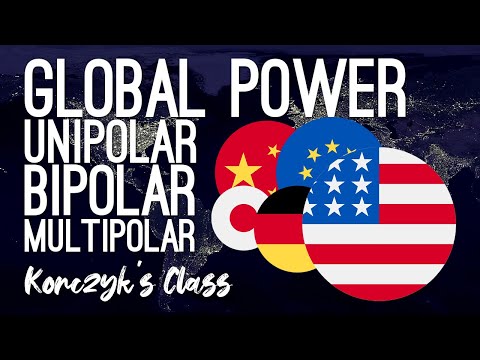
कई मायनों में यह शीत युद्ध और द्वितीय विश्वयुद्ध से पहले की “प्रभाव-क्षेत्र” की अवधारणा, या नेपोलियन युद्धों के बाद 19वीं सदी में यूरोप में बनी व्यवस्था की वापसी है।
इस दृष्टि में मौजूदा “पश्चिम बनाम शेष विश्व” की जगह शक्ति-केंद्र लेंगे। अमेरिका, यूरोपीय संघ, रूस, चीन, भारत, ब्राज़ील और ईरान जैसे देश या संघ अपने-अपने क्षेत्रों में कहीं अधिक शक्ति और स्वायत्तता का प्रयोग करेंगे।
चीन का औद्योगिक पैमाना और BRICS का लाभ
इस अवधि में चीन विकासशील देश से दुनिया की सबसे बड़ी अर्थव्यवस्थाओं में शामिल हो गया और औद्योगिक क्षमता या अंतरराष्ट्रीय व्यापार पर प्रभाव के आधार पर उसे दुनिया की सबसे बड़ी अर्थव्यवस्था भी कहा जा सकता है।

स्रोत: Statista
चीन के उदय के साथ अमेरिका से तनाव भी बढ़ा और बाइडेन तथा दोनों ट्रंप प्रशासनों के दौरान व्यापार युद्धों की कई लहरें सामने आईं।
चीन ड्रोन, सौर ऊर्जा, बैटरी, सस्ते इलेक्ट्रिक वाहन, दुर्लभ मृदा तत्व और लिथियम जैसे अनेक उद्योगों में प्रमुख बन गया तथा कंक्रीट, इस्पात और जहाजों का दुनिया का सबसे बड़ा उत्पादक भी बना।
इस संदर्भ में चीन की बढ़ती क्षमता को कभी-कभी अमेरिकी प्रभाव के लिए ऐसा अस्तित्वगत खतरा माना जाता है जो मुख्यतः सैन्य क्षमता पर निर्भर सोवियत संघ भी पैदा नहीं कर पाया था।

स्रोत: The Economist
रूस की भू-राजनीतिक बाधाएँ और BRICS कूटनीति
इस अवधि में पश्चिम और रूस के संबंध लगातार बिगड़ते गए तथा टकराव के बिंदु क्रमशः अधिक हिंसक होते गए:
- 2008 में रूस-जॉर्जिया युद्ध।
- 2014 में मैडन क्रांति और क्रीमिया।
- 2015 में सीरिया में रूसी सैन्य कार्रवाई शुरू हुई।
- 2022 से यूक्रेन में “विशेष सैन्य ऑपरेशन”।
इस परिस्थिति में BRICS और शंघाई सहयोग संगठन (SCO) जैसे संगठन रूस के लिए अंतरराष्ट्रीय संबंध, आवश्यक व्यापार और कूटनीतिक संपर्क बनाए रखने में महत्वपूर्ण रहे हैं।

स्रोत: Visual Capitalist
ग्लोबल साउथ क्यों BRICS मंचों की ओर बढ़ रहा है
दक्षिण अमेरिका, भारत और दक्षिण-पूर्व एशिया की आर्थिक वृद्धि तथा विकास भी BRICS और “ग्लोबल साउथ” का बेहतर प्रतिनिधित्व करने वाले अन्य संगठनों में बढ़ती रुचि के प्रमुख कारण हैं।
जैसे ही गैर-पश्चिमी राष्ट्र अधिक समृद्ध होते जा रहे हैं, वे अंतरराष्ट्रीय मामलों में अधिक सुने जाने और अधिक प्रभावशाली बनने की इच्छा रखते हैं।
ग्लोबल साउथ के देशों को संयुक्त राष्ट्र या G7/G20 के वैकल्पिक मंच देकर, BRICS ईरान जैसे “दुष्ट राज्य” कहे जाने वाले देशों, चीन और रूस जैसी महाशक्तियों तथा भारत और ब्राज़ील जैसी उभरती शक्तियों का प्रभाव बढ़ा सकता है।
BRICS+ ने अब तक क्या हासिल किया है?
आलोचनाएँ / Pro-BRICS+ केस
BRICS के आलोचक सही रूप से बताते हैं कि अब तक इस मंच से बहुत कम व्यावहारिक निर्णय निकले हैं और वास्तविक दुनिया पर इसका प्रभाव सीमित रहा है।
एक प्रमुख कारण यह है कि संयुक्त राष्ट्र सुरक्षा परिषद, IMF या NATO के विपरीत BRICS बहुत कम औपचारिक और सहमति-आधारित संगठन है। इसलिए इसकी बैठकों में लिए गए निर्णय बाध्यकारी नहीं होते और उन्हें सभी के स्वीकार्य न्यूनतम साझा बिंदु तक सीमित करना पड़ता है।
BRICS देशों की विविध प्रकृति भी एक बाधा है:
- फिर भी, दक्षिण अफ्रीका, मिस्र, या ब्राज़ील जैसे विकासशील देशों का विकास स्तर चीन के समान नहीं है।
- चीन, रूस, या भारत जैसे परमाणु शक्ति वाले देशों की अक्सर ईरान जैसे देशों के परमाणु विकास में रुचि का समर्थन नहीं करते।
अंततः BRICS सदस्यों के आपसी संबंध भी अक्सर तनावपूर्ण रहते हैं। उदाहरण के लिए भारत और चीन के बीच हिमालयी सीमा पर नियमित झड़पें होती हैं और पाकिस्तान से चीन के घनिष्ठ संबंध भारत के साथ तनाव बढ़ाते हैं।
विविध हित, आपसी संघर्ष और कई सदस्यों की पश्चिमी गुट से निकटता बनाए रखने की इच्छा मिलकर BRICS बैठक की उपलब्धियों को सीमित करती है और इसे पश्चिम-नेतृत्व वाली संस्थाओं का व्यवहार्य विकल्प बनने से रोकती है।
समर्थक
स्क्रॉल करने के लिए स्वाइप →
| मेट्रिक | BRICS+ | G7 | नोट्स (विधि/तारीख) |
|---|---|---|---|
| विश्व जनसंख्या का हिस्सा | ~45–49% | ~10% | UN/BRICS डेटा, 2025 |
| वैश्विक जीडीपी (PPP) का हिस्सा | ~35–36% | ~28–30% | IMF/Statista 2024–2025 |
| तेल उत्पादन | ~30% | ~20–22% | Carnegie/IEA 2025 |
| गैस भंडार | ~53% | ~6–7% | BRICS नीति विश्लेषण 2024 |
| इंटरनेट उपयोगकर्ता | ~40% | ~12–14% | Wikipedia/UN ITU, 2024 |
संक्षेप में, BRICS+ अब विश्व की लगभग आधी जनसंख्या और वैश्विक जीडीपी (PPP) के एक तिहाई से अधिक को सम्मिलित करता है। इसके सदस्य ऊर्जा और वस्तु उत्पादन में प्रमुख हैं और इंटरनेट कनेक्टिविटी तथा कम-कार्बन ऊर्जा विकास में बढ़ती भूमिका निभा रहे हैं।
BRICS पहल के समर्थक सही रूप से यह इंगित करेंगे कि हालिया विस्तार की लहरें और नए देशों की सदस्यता की इच्छा नई अंतरराष्ट्रीय संस्थाओं की तीव्र आवश्यकता को दर्शाती है।
ईरान और इंडोनेशिया जैसे देशों का जुड़ना भी शक्ति संतुलन में बदलाव को दर्शाता है, जहाँ सैन्य और आर्थिक विकास ने नई देशों को अंतरराष्ट्रीय वार्तालापों में अधिक शक्तिशाली स्थिति प्रदान की है।
विशेष रूप से, ईरान का एकीकरण और रूस का निरंतर प्रभाव पश्चिमी-नेतृत्व वाले प्रयासों के खिलाफ एक अस्वीकृति के रूप में वर्णित किया जा सकता है, जो इन देशों को विश्व के बाकी हिस्सों से अलग करने का लक्ष्य रखते हैं।
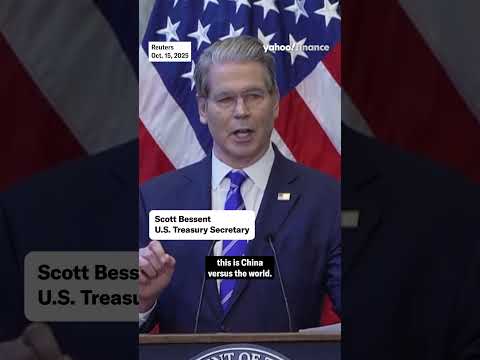
इसी प्रकार, जब अमेरिका अपने चीन के साथ व्यापार युद्ध को एक वैश्विक समस्या के रूप में प्रस्तुत करता है (“भूलिए मत, यह चीन बनाम विश्व है”), तो BRICS के सदस्य इस दृष्टिकोण को अस्वीकार करते प्रतीत होते हैं।
उस संदर्भ में, एक सुसंगत एजेंडा और प्रवर्तन तंत्र की कमी कभी-कभी एक सकारात्मक बात के रूप में देखी जाती है, जिससे एक दशक में रिकॉर्ड भू-राजनीतिक तनाव और संघर्षों के साथ भी खुली चर्चा संभव हो पाती है।
अंत में, BRICS+ के उत्साही सही रूप से यह बताएँगे कि यह संगठन अब मानवता के अधिकांश हिस्से को एक साथ ला रहा है और आर्थिक क्षमता के मामले में पश्चिम से कम नहीं है।

स्रोत: Statista
BRICS का भविष्य
सहयोग या संघर्ष?
BRICS+ और SCO जैसे संगठनों का भविष्य का प्रभाव काफी हद तक इस बात पर निर्भर करेगा कि वैश्विक व्यापार, सैन्य संघर्ष और आर्थिक विकास किस दिशा में आगे बढ़ते हैं।
समग्र रूप से, यह असंभावित लगता है कि पश्चिमी देशों को हमेशा अकेले ही दुनिया का भाग्य तय करने दिया जाए, जैसा उन्होंने 1945 में किया था, जबकि एशिया, दक्षिण अमेरिका, मध्य पूर्व, और अफ्रीका तेज़ी से आर्थिक रूप से विकसित हो रहे हैं।
यह जरूरी नहीं कि नई संस्थाओं को पुरानी संस्थाओं को पूरी तरह बदलना पड़े, लेकिन इसका मतलब है कि UN, IMF, World Bank, WTO आदि जैसी विरासत संस्थाओं को अन्य देशों को अधिक प्रभाव देने के लिए सुधार करना होगा।
यदि मौजूदा संस्थाएँ ऐसा नहीं करतीं, तो BRICS+ और अन्य संगठन उस खाली स्थान को भर सकते हैं।
विकास मॉडल
चीन के आर्थिक उदय का एक गहरा प्रभाव विकास मॉडल से जुड़ी मान्यताओं को चुनौती देना रहा है। हाल तक विकासशील देशों के लिए अमेरिकी बाजार और पूँजी तक पहुँच को अनिवार्य माना जाता था।
लेकिन अब चीन बहुत अधिक समृद्ध हो गया है, और वह पूर्ण व्यापार युद्ध, अपने अर्ध-चालक उद्योग पर प्रतिबंध आदि को संभाल सकता है।
यह कई देशों को पूंजी और विकास मॉडल दोनों के लिए एक विकल्प प्रदान करता है, जो वित्तीय‑प्रधान पश्चिम से अलग है।
इसके बजाय, बुनियादी ढांचा निर्माण (हाइड्रोपावर बाँध, हाई‑स्पीड रेल, बंदरगाह आदि) और चीनी आपूर्ति श्रृंखला से जुड़ाव, बेल्ट एंड रोड जैसी पहलों के माध्यम से, चीनी धन से वित्त पोषित, अपनाया जा सकता है और पश्चिम के वित्तीय और औद्योगिक संबंधों से दूर हो सकता है।

आलोचक यह बताएँगे कि यह शोषक ऋण, चीन पर निर्भरता, और विदेशी राजनीतिक हस्तक्षेप का जोखिम रखता है।
विपरीत‑आलोचक यह उत्तर देंगे कि IMF और World Bank के ऋणों के बारे में भी यही कहा जा सकता है।
डि‑डॉलराइजेशन: भुगतान, विदेशी मुद्रा, और सोना
डि‑डॉलराइजेशन
निवेशकों और अर्थशास्त्रियों के बीच सबसे विवादास्पद विषयों में से एक, डॉलर पर निर्भरता घटाने का प्रश्न, BRICS+ से जुड़ी हर चर्चा की पृष्ठभूमि में मौजूद है।
अंतरराष्ट्रीय मुद्रा भंडार और व्यापार में अमेरिकी डॉलर की भूमिका कम करना चीन और रूस जैसी प्रतिद्वंद्वी शक्तियों की प्रमुख प्राथमिकता है। भारत जैसे अमेरिका और यूरोप से अधिक मैत्रीपूर्ण संबंध रखने वाले देशों के लिए यह कम महत्वपूर्ण है।
फिर भी BRICS देश SWIFT नेटवर्क जैसे पश्चिम-प्रधान वित्तीय ढाँचों के राष्ट्रीय विकल्प विकसित कर रहे हैं।

स्रोत: GIS Reports
BRICS सदस्यों के बीच व्यापार भी दशकों से प्रचलित डॉलर के मध्यस्थ उपयोग के बजाय स्थानीय मुद्राओं में तेजी से किया जा रहा है।
यह भी ध्यान रखना चाहिए कि यह प्रवृत्ति केवल BRICS तक सीमित नहीं है; बढ़ती अर्थव्यवस्थाएँ अपनी मुद्रा और व्यापार पर अधिक नियंत्रण चाहती हैं।
BRICS ने अभी एकीकृत वित्तीय व्यवस्था विकसित नहीं की है, लेकिन अनेक राष्ट्रीय और क्षेत्रीय प्रणालियों को चरणबद्ध तरीके से जोड़ने की प्रक्रिया जारी रहने और अधिक महत्वपूर्ण होने की संभावना है।
सोना, mBridge, और निपटान प्रयोग
संगठन के भीतर भी बहस का एक अन्य विषय साझा BRICS मुद्रा का प्रस्ताव है।
विश्व के कच्चे माल, ऊर्जा और औद्योगिक उत्पादन का बड़ा हिस्सा रखने वाला यह समूह सैद्धांतिक रूप से डॉलर के विकल्प के रूप में ऊर्जा या वस्तु-आधारित मुद्रा बना सकता है।
व्यवहार में यह विचार कम से कम तीन कारणों से शायद काम नहीं करेगा:
- अलग-अलग सदस्यों के पास अलग प्राकृतिक संसाधन हैं। इसलिए तेल, गैस, धातु और अन्य संसाधनों पर आधारित कृत्रिम वस्तु-मुद्रा पर समझौता करना बेहद कठिन होगा और हर सदस्य अपनी पसंदीदा वस्तु का मूल्य अधिक रखना चाहेगा।
- इससे रूस, ब्राज़ील, UAE और ईरान जैसे वस्तु उत्पादकों को चीन के मुकाबले अतिरिक्त सौदेबाजी शक्ति मिल सकती है, जिसका चीन समर्थन नहीं करेगा।
- ब्राज़ील और भारत जैसे देश पश्चिम से टकराव से बचकर “सभी पक्षों” से यथासंभव अच्छे संबंध रखना चाहते हैं, इसलिए डॉलर के आक्रामक विकल्प का स्वागत नहीं करेंगे।
- वस्तुओं की कीमतों में उतार-चढ़ाव ऐसी व्यवस्था को अत्यधिक अस्थिर बना सकता है।
ऐतिहासिक रूप से देशों के बीच भुगतान संतुलन निपटाने के लिए सार्वभौमिक रूप से स्वीकार किया गया अंतरराष्ट्रीय व्यापार विकल्प सोना रहा है।
सोने का उपयोग किसी विशेष देश से न जुड़ी “तटस्थ” मुद्रा के रूप में किया जा सकता है और इसे किसी भी अन्य मुद्रा में बदला जा सकता है।
यह किसी देश द्वारा अपनी मुद्रा को “हथियार” बनाने के जोखिम को भी कम करता है, जैसा यूक्रेन युद्ध शुरू होने के बाद रूस के डॉलर और यूरो-मूल्यवर्ग के भंडार जमाने में देखा गया।
शंघाई का अंतरराष्ट्रीय स्वर्ण व्यापार केंद्र बनने के लिए सक्रिय प्रयास करना इस दिशा में प्रारंभिक रुचि का संकेत देता है।

स्रोत: Jim Bianco
इसके अलावा युआन की सोने में वास्तविक परिवर्तनीयता को हांगकांग में भौतिक डिलीवरी वाले नए भंडारण केंद्र खोलने और दुबई जैसे अंतरराष्ट्रीय वित्तीय केंद्रों सहित विदेश में और गोदाम बनाने की योजनाओं से समर्थन मिलेगा।
उन्होंने कहा कि BRICS की एक प्रमुख पहल mBridge कहलाने वाली सीमा-पार केंद्रीय बैंक डिजिटल मुद्रा पायलट परियोजना है। इसे चीन, हांगकांग, थाईलैंड और UAE ने शुरू किया था और हाल में सऊदी अरब भी जुड़ा है।
यह प्रतिभागियों को डॉलर के बजाय स्थानीय मुद्राओं में निपटान करने देता है। इसके मुकाबले अमेरिकी मार्ग अल्पकालिक ट्रेजरी से समर्थित डिजिटल टोकन, यानी डॉलर स्टेबलकॉइन, पर निर्भर करता है।
Mining.com में प्रकाशित “BRICS देशों के डॉलर-मुक्त भुगतान बनाने के साथ ‘कागजी सोने’ का युग समाप्त”.
यह भी अनुमान लगाया गया है कि चीन और रूस वर्षों से चुपचाप स्वर्ण भंडार बढ़ा रहे हैं। चीन का वास्तविक स्वर्ण भंडार आधिकारिक आँकड़े से दो या तीन गुना हो सकता है।
सोने की कीमतों में हाल की तेजी ने पीली धातु को अमेरिकी डॉलर के विकल्प के रूप में अधिक आकर्षक बनाया होगा। विशेषकर चीन सहित केंद्रीय बैंकों की खरीद इस मूल्य-वृद्धि की चालक रही है।
यह पहल सफल होगी या नहीं, अभी देखना बाकी है।
लेकिन दुर्लभ मृदा तत्वों पर निर्यात प्रतिबंध लगाकर चीन ने शुल्कों का जिस कठोरता से जवाब दिया, उससे लगता है कि चीन और उसके कम से कम कुछ BRICS साझेदार पहले की तुलना में अमेरिका को अधिक आक्रामक चुनौती देने और डॉलर के हथियारीकरण का प्रतिरोध करने को तैयार हैं।
निष्कर्ष
2001 में निवेश बैंक द्वारा गढ़े गए संक्षिप्त नाम से लेकर दुनिया की अधिकांश आबादी, GDP और संसाधनों को समेटने वाले पूर्ण अंतरराष्ट्रीय संगठन तक, BRICS+ पिछले दो दशकों में बहुत बदल चुका है।
साथ ही यह अपने असाधारण विस्तार को वास्तविक प्रभाव या शक्ति में बदलने के लिए अक्सर संघर्ष करता रहा है।
इसका बड़ा कारण वही है जो संयुक्त राष्ट्र को अक्सर निष्प्रभावी बनाता है: नेतृत्व की कमी, परस्पर विरोधी हित और किसी प्रभावशाली निर्णय पर सर्वसम्मति बनाने की कठिनाई।
फिर भी पश्चिमी देशों और उनके नेतृत्व वाली संस्थाओं को इसे आसानी से खारिज नहीं करना चाहिए।
संयुक्त राष्ट्र, IMF, विश्व बैंक और WTO की नीतियों पर अपनी सीमित आवाज से निराश विकासशील देश विकल्प तलाश सकते हैं। यह तब और संभव है जब अमेरिका अधिक संरक्षणवादी रुख अपना रहा है और यूरोप रूस के साथ बढ़ते संघर्ष में उलझा है।
इसलिए BRICS+ भले ही कुछ लोगों की कल्पना वाला आदर्श बहुध्रुवीय मॉडल न बने, लेकिन मौजूदा संस्थाओं के सामने प्रतिस्पर्धा और चुनौती पेश कर अंतरराष्ट्रीय कूटनीतिक व्यवस्था में कुछ बदलाव ला सकता है।
BRICS में निवेश
1. iShares BIC 50 UCITS ETF.
BRIC मूल्य चार्ट
चूँकि BRICS बड़े अर्थव्यवस्थाएँ हैं, कोई एक कंपनी सीधे निवेश नहीं की जा सकती जिससे पोर्टफ़ोलियो में विविधता आए, हालांकि Alibaba (BABA ), Mercadolibre (MELI ), NuBank (NU ), या SEA (SE ) जैसे कंपनियों में निवेश करके संबंधित देशों (चीन, ब्राज़ील, इंडोनेशिया) में ई‑कॉमर्स और प्रौद्योगिकी का एक्सपोज़र प्राप्त किया जा सकता है (प्रत्येक कंपनी के लिए समर्पित रिपोर्ट के लिंक देखें)।
एक अन्य तरीका समर्पित ETFs का उपयोग करना है। एक अच्छा उदाहरण है iShares BIC 50 UCITS ETF।
ETF एक सूचकांक का अनुसरण करता है जिसमें 50 सबसे बड़ी ब्राज़ीलियाई, भारतीय, और चीनी कंपनियाँ शामिल हैं। कुल मिलाकर BRICS+ के जीडीपी की तरह, इस ETF का अधिकांश हिस्सा चीनी कंपनियों से बना है, जिसमें Alibaba और Tencent जैसी प्रौद्योगिकी कंपनियाँ, साथ ही बैंक, बीमा, रिफाइनरी, या कार निर्माता (BYD, Xpeng, Geely) शामिल हैं।
ब्राज़ीलियाई लौह खनन कंपनी Vale (VALE ) भी इस सूचकांक में मौजूद है।

स्रोत: iShares
उपभोक्ता विवेकाधीन सेक्टर इस सूचकांक में प्रमुख है, इसके बाद वित्तीय और ICT सेक्टर, और सामग्री, ऊर्जा, या रियल एस्टेट में अपेक्षाकृत कम एक्सपोज़र है, कम से कम BRICS+ अर्थव्यवस्थाओं में इन सेक्टरों के आकार की तुलना में।

स्रोत: iShares
यह उल्लेखनीय है कि इस सूचकांक में पहले रूसी स्टॉक्स भी शामिल थे, जैसे Gazprom, Sberbank, और Rosneft, लेकिन यूक्रेन पर आक्रमण के बाद इन्हें लगभग शून्य मूल्य पर लिख दिया गया है।
यह दर्शाता है कि इस ETF और सामान्य रूप से BRICS+ देशों के निवेशकों को अन्य अंतरराष्ट्रीय ETF की तुलना में भू-राजनीतिक जोखिमों के प्रति अधिक सजग रहना चाहिए।
2. iShares MSCI BRIC ETF
BKF मूल्य चार्ट
एक और विकल्प यह ETF है, जो एक सूचकांक के निवेश परिणामों को ट्रैक करने का लक्ष्य रखता है जिसमें चीनी इक्विटीज़ शामिल हैं जो अंतरराष्ट्रीय निवेशकों के लिए उपलब्ध हैं, तथा ब्राज़ीलियाई और भारतीय इक्विटीज़।
यहाँ भी, शीर्ष होल्डिंग्स अधिकांशतः चीनी हैं, लेकिन अन्य दो देशों के एक्सपोज़र को बढ़ाने के प्रयास भी हैं, जैसे भारतीय बैंक HDFC Bank (HDB ) शीर्ष होल्डिंग #3 में और Reliance, एक प्रमुख भारतीय ऊर्जा और औद्योगिक कंपनी, ETF की #5 सबसे बड़ी होल्डिंग है।
Vale, Nu Holdings, और अन्य भारतीय और ब्राज़ीलियाई स्टॉक्स भी इस ETF में शामिल हैं।

स्रोत: iShare
समग्र रूप से, सूचकांक ICT और वित्तीय क्षेत्रों पर भारी केंद्रित है, साथ ही उपभोक्ता विवेकाधीन, औद्योगिक, सामग्री, और ऊर्जा भी प्रमुख आर्थिक सेक्टर हैं।

स्रोत: iShare



