

Enerji
Katı Hal Transformatörleri: Elektrik Şebekelerinin Geleceği mi?

Securities.io titiz editoryal standartlarını korur ve incelenen bağlantılardan tazminat alabilir. Kayıtlı bir yatırım danışmanı değiliz ve bu bir yatırım tavsiyesi değildir. Lütfen şuraya bakın: bağlı kuruluş açıklaması.

Özet: Katı hal transformatörleri (KDT'ler), demir çekirdekli tasarımların yerini yarı iletken tabanlı güç elektroniği ile alarak gerçek zamanlı kontrol, çift yönlü akış ve entegre AC/DC dönüşümü sağlıyor. Şu anda daha pahalı olsalar da, veri merkezlerinde, elektrikli araç şarjında, yenilenebilir enerji entegrasyonunda ve geleceğin akıllı şebekelerinde kritik bir rol oynayabilirler.
Ekonomimizi ve endüstrilerimizi ele geçiren elektrifikasyon sürecinden bahsettiğimizde, çoğunlukla elektrikli araçları, bataryaları, hızlı şarj cihazlarını, yenilenebilir enerjiyi vb. düşünüyoruz.
Ancak günün sonunda, tüm bu yeni teknolojiler, enerji santrallerinden ve güneş enerjisi çiftliklerinden elde edilen yüksek güçlü elektriğin otomobillerde, evlerde, veri merkezlerinde, endüstriyel tesislerde vb. kullanılan seviyelere dönüştürülmesi için temel olarak oldukça eski tasarımlara dayanmaktadır.
Modern transformatörün temel tasarımı, 19. yüzyılın sonlarına kadar uzanmaktadır; ilk ticari modeller William Stanley Jr. tarafından geliştirilmiş ve daha sonra Westinghouse ve Nikola Tesla'nın öncülüğünde alternatif akım güç sistemlerinin genişlemesiyle iyileştirilmiştir. Temel prensip – demir çekirdekler ve bakır sargılar kullanılarak elektromanyetik indüksiyon – bir asırdan fazla bir süredir büyük ölçüde değişmeden kalmıştır.

Bu tasarım, transformatörlerin tek görevinin şebekeden gelen standart bir akımı nispeten istikrarlı ve öngörülebilir koşullar altında doğru seviyeye getirmek olduğu zamanlar için yeterince iyiydi.
Ancak günümüzde elektrik şebekesi ve enerji üretimi daha merkeziyetsiz hale geldikçe ve akım kalitesine yönelik talepler daha da katılaştıkça, bu durum artık zar zor yeterli oluyor.
Neyse ki, yarı iletken endüstrisindeki malzeme alanındaki ilerlemeler, yeni bir potansiyel transformatör türünün önünü açıyor: katı hal transformatörleri.
Yüzyıllık Şebeke: Geleneksel Transformatörler Nasıl Çalışır?
Geleneksel Transformatörlerin Teknik Temelleri
Açıklandığı gibi, transformatör, belirli bir gerilimde akım girişi alan ve bunu daha düşük veya daha yüksek bir gerilime dönüştüren bir cihazdır. Klasik bir transformatörün kapasitesi ve akım dönüşümü, demir çekirdeğin etrafındaki bakır veya alüminyum bobin sayısı ile belirlenir. Devre kesiciler, burçlar, sigortalar ve diğer malzemeler gibi ek parçalar, transformatörün güvenli bir şekilde çalışmasını sağlamak için mevcuttur.
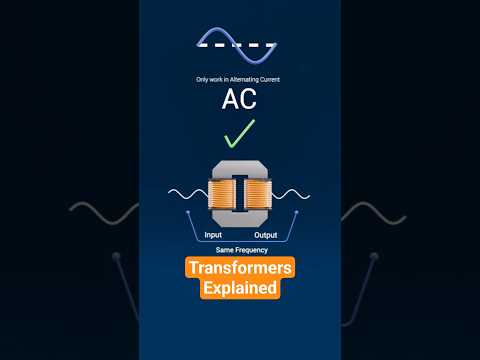
Esnek olmamalarına ve hantal olmalarına rağmen, bunlar on yıllarca, hatta bir yüzyıl boyunca kullanılabilen çok dayanıklı makinelerdir. Ayrıca büyük bir sektördür. 2025 yılında 69 milyar dolarlık bir pazara sahip olacak. ve 2034 yılına kadar yıllık ortalama %7.97 büyüme göstererek 135.9 milyar dolara ulaşması bekleniyor.
Yine de, günümüzde üretilen transformatörler, 1900'lerde icat edilen ilk teknolojiyi kullanan nispeten ilkel cihazlardır. Ulaşım, bağlantı ve diğer modern uygulamalar için elektriğe olan bağımlılığımız giderek arttıkça, bu bir sorun haline gelebilir; özellikle de elektrik şebekesi artık sadece birkaç devasa enerji santraliyle değil, daha çok kesintili, merkezi olmayan yenilenebilir kaynaklarla çalıştığı için.
“Eski tip çelik, bakır ve yağ transformatörlerinde herhangi bir izleme veya kontrol sistemi bulunmaz. Elektrik dalgalanmaları veya bir enerji santralinin devre dışı kalması gibi durumlarda bu bir risk oluşturabilir.”
- Drew Baglino – Katı hal transformatör şirketi Heron Power'ın Kurucusu ve CEO'su
Katı Hal Transformatörleri (KDTransistörler) Nasıl Çalışır?
Mühendisler bu endişeyi göz önünde bulundurarak transformatörleri yeniden tasarlamaya çalışıyorlar. Bakır ve demir yerine, elektrikli araçlarda ve yarı iletkenlerde kullanılan silisyum karbür ve galyum nitrür gibi yeni malzemelere yöneldiler.
Tasarım açısından bir diğer temel fark, katı hal transformatörlerinin (KDKT) tek bir büyük demir ve bakır bloktan değil, bir araya getirilmiş birçok küçük modülden oluşmasıdır. Sonuç olarak, kapasiteleri kolayca değiştirilebilir ve herhangi bir arıza noktası kolayca değiştirilebilir.
SST'ler, geleneksel transformatörlerden birkaç önemli teknik noktada farklılık gösterir:
Kaydırmak için kaydırın →
| Özellik | Geleneksel Trafo | Katı Hal Trafosu (KTS) |
|---|---|---|
| Çekirdek teknolojisi | Demir çekirdek + bakır sargılar | Güç yarı iletkenleri (SiC/GaN) |
| Boyut ve Ağırlık | Büyük ve ağır | Kompakt ve modüler |
| AC/DC Dönüşümü | Ayrı bir doğrultucu gerektirir. | Entegre AC/DC özelliği |
| Şebeke Zekası | Pasif | Gerçek zamanlı kontrol ve arıza tespiti |
| Çift Yönlü Akış | Sınırlı | Tam çift yönlü destek |
| Göreceli maliyet | Temel | 5-10 kat daha yüksek (mevcut aşama) |
Küresel Trafo Tedarik Sıkıntısının Çözümü
Geleneksel transformatörlerle ilgili bir diğer sorun da, son zamanlarda bulunmalarının çok zor olmasıdır.
Elektrik şebekesine geçiş ve çok gigawattlık veri merkezlerinin inşası nedeniyle elektrik şebekesi kapasitesine olan talep artmaya devam ederken, ABD'li elektrik şirketleri şebekeyi korumak ve hatta iyileştirmek için yeterli transformatör bulmakta zorlanıyor.
En önemli faktörlerden biri, elektrik şebekesinin yaşlanması ve transformatör gibi sağlam bir cihazın bile yaklaşık 50-70 yılda bir değiştirilmesi gerekebilmesidir. ABD'deki dağıtım transformatörlerinin yarısından fazlası, yani yaklaşık 40 milyon adet, beklenen kullanım ömrünü çoktan aşmış durumdalar..
Özellikle bakır olmak üzere emtia fiyatlarındaki artışla birlikte bu durum, kategoriye bağlı olarak transformatör fiyatlarının 2019'dan bu yana %45 ila %95 oranında artmasına yol açmıştır.
“Güç yarı iletkenlerinin fiyatları sürekli düşüyor. Çelik, bakır ve petrol ise maalesef aynı durumda değil. Emtia fiyatları her yere yayılabilir ve genellikle yükselirler.”
- Drew Baglino – Katı hal transformatör şirketi Heron Power'ın Kurucusu ve CEO'su
Maliyetleri artıran ek bir faktör de, transformatörler için gerekli malzeme kalitesini sağlayan Çin veya Brezilya gibi ülkelerden ithal edilen çelik ve diğer metallere uygulanan gümrük vergileridir; bu vergiler genellikle %50 veya daha fazla olmaktadır.
Son olarak, transformatör tedarikini artırmaya yönelik yeterli yatırım yapılmamıştır; hatta birçok şirket, kısmen elektrik dağıtım şirketlerinin şebekeye yaptığı yatırımların yetersizliği nedeniyle 2000'li yılların başlarında kapanmıştır. Dolayısıyla, transformatör tedarik zinciri, İhtiyaç duyduğu özel çelik kalitesi (elektrik çeliği)Yeterli miktarda bulunmuyor.
Ancak, katı hal transformatörleri, çok ihtiyaç duyulan ek bir güç kaynağı sağlayabilseler bile, yeni transformatörlerin maliyet sorununu hemen çözmeyecektir. Çünkü şu an için geleneksel transformatörlerden 5-10 kat daha pahalılar.
SST Uygulamaları: Katı Hal Transformatörlerinin Kazandığı Noktalar
Yapay Zeka Veri Merkezleri ve Yüksek Güçlü Altyapı
Eski transformatörler ve katı hal transformatörleri arasındaki bu kapasite farklılıkları bir araya getirildiğinde, bunların kullanım biçimlerini tamamen değiştiriyor.
Bu cihazlar, halihazırda kullanılan birçok farklı güç kaynağı cihazının görevlerini üstlenebilir; güç seviyelerini dengeleyebilir, alternatif akımı doğru akıma (veya tam tersi) dönüştürebilir, şebekeye ve bataryalara bağlanabilir vb.
Bu durum, SST'leri, ortalama bir elektrik kullanıcısının karşılaştığı sorunlardan çok daha karmaşık güç kaynağı sorunlarıyla karşı karşıya olan veri merkezleri için oldukça cazip bir seçenek haline getirmiştir. Örneğin, SST'ler kesintisiz güç kaynaklarına (UPS), ulusal şebekeye bağlantıya, batarya parklarına ve yerel yenilenebilir enerji üretimine (sayaç arkası güç) olan ihtiyacı aynı anda ortadan kaldırabilir.
Daha kompakt SST'ler ayrıca veri merkezlerinde çok fazla yer tasarrufu sağlayarak daha fazla bilgi işlem rafı veya soğutma gibi destek sistemleri için kapasite açar. Dolayısıyla, ek maliyetler, basit bir geleneksel transformatörün sağlayabileceğinden çok daha fazlasına ihtiyaç duyan veri merkezleri gibi özel durumlar için ek tasarruflar da anlamına gelir.
"Çıkardığımız her şeyin maliyetini toplarsak, bu maliyetin %60 ila %70'ine denk geliyoruz."
— DG Matrix'in kurucu ortağı ve CEO'su Haroon Inam, TechCrunch'a verdiği demeçte.
Şimdilik, veri merkezleri bu yeni teknolojinin ilk müşterileri oldu, çünkü esnekliğini ve kompaktlığını takdir ediyorlar. Ayrıca, bu onlara yeni transformatörler için "sıra beklemeden" satın alma olanağı sağlıyor. Son olarak, şimdiye kadar çok fazla ek yatırım gerektiren güç istikrarını sağlıyor; örneğin, Heron Link'in transformatörleri, yedek kaynaklar devreye girene kadar bilgi işlem raflarına 30 saniye boyunca güç sağlayabiliyor.
Yenilenebilir Enerji ve Şebeke Enerji Depolama
Çoğu enerji üretimi, başlangıçta kömür, gaz veya hidroelektrik santrallerinde dönen bir türbin tarafından üretildiği için alternatif akım (AC) esas alınarak tasarlanmıştır. Ancak, enerji üretiminde baskın bir kaynak haline gelen fotovoltaik sistemler, doğal olarak doğru akım (DC) üretir ve şebekeye gönderilmeden önce invertörler aracılığıyla önce AC'ye dönüştürülmesini gerektirir.
Aynı durum, alternatif akım şebekesine bağlı olabilen ancak hem giriş hem de çıkış olarak doğru akıma ihtiyaç duyan piller için de geçerlidir.
Sonuç olarak, hem invertör hem de transformatör görevlerini yerine getirebilen bir katı hal transformatörü, iki ayrı standart sistemin maliyetine eşit bir fiyata mal olabilir.
Elektrikli Araç Şarjı ve Çift Yönlü Destek
Elektrikli araç şarj istasyonları için alan ve tesisin genel kapladığı alan sınırlayıcı faktörler olabilir. Bu açıdan bakıldığında, SST'nin yoğunluğu rekabet avantajına dönüşebilir.
Akü parkları gibi, bunlar da AC-DC çevirici görevi görürken aynı zamanda voltajı değiştirebilme yeteneklerinden faydalanacaklardır.
Son olarak, bir şarj istasyonundaki katı hal transformatörü, aynı cihazın şebekeden güç çekme veya şebekeye enerji sağlama arasında geçiş yapabilmesi sayesinde, bu cihazların ek depolama ünitelerine dönüştürülmesine yardımcı olabilir.
Şimdilik, elektrikli araç sürücülerinin bu "mobil batarya" rolünü üstlenmekle pek ilgilenmeleri olası değil. Ancak gelecekte, sürücüsüz araç filoları, kritik anlarda depolama kapasitelerini "kiralayarak" ve şarj istasyonlarını ve SST'leri (Self-Self-Self-Student) en yoğun saatlerde şebekeye enerji geri vermek için kullanarak karlılıklarını artırabilirler.
Elektrikli araçların batarya paketleri daha dayanıklı hale geldikçe ve daha sık şarj-deşarj döngülerinden kaynaklanan yıpranma neredeyse hiç olmadıkça, bu eğilim daha da yaygınlaşacaktır.
Akıllı Enerji Şebekesinin Geleceği
Şimdilik, SST'ler elektrik dağıtım şirketleri için elektrik şebekelerine entegre edilmesi çok pahalı ve yeni bir teknoloji olarak kaldı.
Ancak uzun vadede, elektrik şebekelerinin yönetilme biçiminde köklü bir değişiklik yaratabilirler. Özellikle, elektrik faturalarındaki enflasyona en büyük katkıda bulunan faktörlerden biri olan iletim ve dağıtım maliyetlerini önemli ölçüde azaltabilirler.
Bunun nedeni, katı hal transformatörlerinin değişen koşullara yanıt verebilmesi ve şebeke operatörlerinin artan güç tüketimine rağmen aynı hatlardan daha fazla güç göndermesine olanak sağlaması, böylece yeni hatlara olan ihtiyacı azaltmasıdır.
“Aslında altyapıyı daha uygun fiyatlı hale getirebilirsiniz çünkü aynı direkler ve teller üzerinden daha fazla kilovat saat geçiriyorsunuz. İşte burada, 100 yıl önce tasarlanmış pasif mekanik nesnelerin yerine zekâ devreye giriyor ve büyük bir fark yaratıyor.”
- Drew Baglino – Katı hal transformatör şirketi Heron Power'ın Kurucusu ve CEO'su
Şunu belirtmek gerekir ki, güç uygulamaları için silisyum karbür ve diğer yarı iletkenlerin seri üretimine, elektrikli araçlardaki patlama sayesinde, on yıldan daha kısa bir süre önce başlanmıştır. Bu nedenle, daha verimli üretim yöntemleri geliştirildikçe ve sektör ölçek ekonomilerini entegre ettikçe, bunların maliyetlerinin giderek azalması mantıklı olacaktır.
Büyük olasılıkla, bu, enerji şirketlerinin katı hal transformatörlerini büyük ölçekte kurmaya başlaması için gerekli adım olacak ve bu da ikinci bir ölçek ekonomisi dalgası yaratacaktır.
Katı Hal Transformatör Pazarı Sonucu
Katı hal transformatörleri hala çok yeni bir teknoloji olup, ilk kitlesel pazar uygulamalarını aramaktadır. Veri merkezlerinde ve giderek artan bir şekilde fotovoltaik parklarda yavaş yavaş bu uygulamayı bulmaya başlıyor gibi görünüyor.
Bir sonraki adım, üretimi artırmak ve bu transformatör tasarımının, daha yerleşik geleneksel tasarımlara göre daha verimli, daha güvenilir ve/veya nihayetinde daha ucuz olabileceğini gerçek dünya operasyonunda göstermek olacaktır.
Birkaç girişim şirketi, SST'ler için çaba gösteriyor, bunlar arasında şunlar yer alıyor: Balıkçıl GücüEski bir Tesla yöneticisi tarafından kurulan, DG Matrisiveri merkezlerine odaklanmış ve AmpersanSingapur merkezli ancak ABD'de de kapasitesi bulunan bir şirket.
Bu pazarın nihai hakimiyetini bu yeni girişimlerin mi yoksa elektrik endüstrisindeki köklü devlerin mi kuracağı henüz belli değil; yatırımcılar için en önemli faktör ise geleneksel transformatör şirketlerinin bu teknolojik değişime göstereceği tepki olacak.
Katı Hal Transformatörlerine Yatırım: Eaton (ETN)
Eaton Corporation plc (ETN + 2.37%)
Eaton, elektrik ekipmanları alanında dev bir tedarikçi olup, ABD'de güç dönüştürme ekipmanları, düşük ve orta gerilim elektrik ekipmanları ile havacılık hidrolik ve yakıt pompaları kategorilerinde 1 numarada yer almaktadır.
Şirket, 2025 yılında %8'lik organik satış büyümesiyle 24 milyar dolar gelir elde etti; Amerika kıtası şirketin en büyük segmentini oluşturuyor ve veri merkezleri son zamanlarda en büyük müşteri segmenti haline geldi (tüm gelirlerin neredeyse dörtte biri).

Bu durum, şirketi elektrifikasyon, veri merkezi inşaatı, yeniden sanayileşme (özellikle yarı iletken fabrikaları) ve yenilenebilir enerji yatırımları trendinden faydalanmak için mükemmel bir konuma getiriyor; öyle ki şirketin belirttiği hedef şu:
“Dünyanın önde gelen enerji yönetimi şirketi olacağız.”
Bu hedefi gerçekleştirmek için şirket, üretim kapasitesine 2 milyon metrekare daha eklemek üzere 1 milyar dolar yatırım yaptı.

Ayrıca şirket, ticari kamyon şanzımanları ve debriyajlarına (Amerika kıtasında 1 numara) ve elektrikli mobiliteye yönelik talebi karşılayan bir "mobilite" bölümü de yönetti.

Toplamda, şirketin 2025 yılındaki karlılığının %90'ı elektrik ve havacılık sektörlerinden kaynaklanmıştır.
Havacılık ve uzay sektörü, F-35, Boeing KC-46A, Sikorsky CH-53K, Boeing 777X, Boeing B737MAX, Airbus A350, Airbus A320NEO gibi sivil ve askeri uçaklara temel bileşenler sağlamayı içeriyor. Ayrıca SpaceX, Blue Origin, Ariane Group, Amazon, Eutelsat Group gibi şirketlere uzay uygulamaları için bileşenler de sağlıyor.

Elektrikli ekipmanlara yönelik artan talebi yansıtan Eaton'ın sipariş birikimi, 2020'ler boyunca istikrarlı bir şekilde büyüyerek 2025'te rekor seviyeye ulaştı.

Ağustos 2025'te Eaton, katı hal transformatör şirketi Resilient Power Systems'ı 86 milyon dolara satın aldı.
Girişim şirketi, mevcut dağıtım şebekesine doğrudan bağlanan ultra kompakt elektrikli araç şarj istasyonları için tasarımlara sahipti; Eaton ise mevcut ilişkilerinin daha fazla anlaşmayı daha hızlı sonuçlandırmasına yardımcı olabileceği veri merkezi ve enerji depolama alanlarında daha fazla büyüme potansiyeli görüyor.
“Eaton'a katılmaktan heyecan duyuyoruz ve birleşmiş ekiplerimizin, yeteneklerimizin ve öncü teknolojimizin, veri merkezleri de dahil olmak üzere yeni ürün ve pazarlardaki sürekli büyümemizi destekleyeceğine inanıyoruz. Ultra kompakt katı hal transformatörlerimiz enerji verimliliğini artırabilir, projelerin pazara sunulma süresini kısaltabilir ve güvenilir bir şebekeyi destekleyebilir.”
— Resilient Kurucu Ortağı ve CEO'su Tom Keister
Çoğu SST şirketi hala özel borsada işlem gördüğünden, Resilient Power Systems teknolojisi ile Eaton'ın geniş deneyimi, satış ağı ve üretim kapasitesinin birleşmesi, yatırımcıların bu yeni teknolojinin piyasaya girmesiyle oluşabilecek aksama riskine girmeden, aksine bundan faydalanarak, enerji dönüşüm sektörünün tamamına yatırım yapmaları için iyi bir yol gibi görünüyor.
Yatırımcı Paketi: Katı hal transformatörleri henüz başlangıç aşamasında ve sermaye yoğun olsa da, elektrifikasyon, yapay zeka destekli veri merkezleri ve şebeke modernizasyonu gibi mega trendlerle doğrudan uyumlu. Eaton gibi çeşitlendirilmiş altyapı oyuncuları daha düşük risk sunarken, yarı iletken tedarikçileri katı hal transformatörlerinin benimsenmesinde daha yüksek beta getirisi sağlayabilir.
Eaton (ETN) Hisse Senediyle İlgili Son Haberler ve Gelişmeler
Yatırımcıların Neden Bu 2 Endüstriyel Ürün Hisse Senedinden Hemen Yararlanmaları Gerekiyor
zacks.com
•
30 Mart, 2026
Eaton (ETN) Piyasadan Daha Büyük Bir Düşüş Kaydetti: Dikkat Edilmesi Gereken Önemli Gerçekler
zacks.com
•
26 Mart, 2026
VWDRY veya ETN: Şu Anda Daha İyi Değer Sağlayan Hisse Senedi Hangisi?
zacks.com
•
25 Mart, 2026
Eaton Corporation, PLC (ETN) Trend Olan Bir Hisse Senedidir: Üzerine Bahis Yapmadan Önce Bilmeniz Gereken Gerçekler
zacks.com
•
25 Mart, 2026
Eaton Corporation, PLC (ETN) hisseleri Congress Asset Management Co. tarafından satıldı.
defenseworld.net
•
24 Mart, 2026
Mahn: Petrol Fiyatlarında Büyük Dalgalanmalar Bekleniyor, Yapay Zeka MU, ETN ve VRT'yi Öneriyor
youtube.com
•
24 Mart, 2026



