
Materialvetenskap
Ny forskning visar sätt att bygga effektiva material för överlägsen termisk hantering

 Lägg till Securities.io bland dina föredragna källor på Google

Vi identifierar ofta material baserat på deras egenskaper. Men de framsteg som uppnåtts inom materialvetenskap och ingenjörskonst har gjort det möjligt att producera material som kombinerar ovanliga egenskaper, vilka ofta står i stark kontrast till varandra.
I en ny studie visade forskare att det går att framställa material som är både styva och goda värmeisolatorer.
Jun Liu, en av studiens korresponderande författare och docent i maskin- och rymdteknik vid North Carolina State University, beskrev resultatet så här:
”Vi har hittat material som förenar styvhet med god värmeisolering och vars sammansättning låter oss anpassa dessa egenskaper.”
I många material är en hög elasticitetsmodul, det vill säga stor styvhet, förknippad med hög värmeledningsförmåga. Sambandet är dock inte en allmän regel.
Men vad händer om vi behöver material som fungerar som bra isolatorer utan att förlora sin styvhet? Dessa material kommer att vara användbara i situationer där man skapar termiska isoleringsbeläggningar för att skydda elektronik mot höga temperaturer.
Forskarna studerade tvådimensionella organiska–oorganiska hybridperovskiter, förkortat 2D HOIP. De består av växelvisa organiska och oorganiska skikt i en ordnad kristallstruktur. Genom att ändra skiktens sammansättning går det att undersöka och anpassa materialens mekaniska och termiska egenskaper.
Genom att ersätta delar av kolkedjorna i de organiska skikten med grupper som innehåller bensenringar kunde forskarna ändra de molekylära växelverkningarna och därmed elasticitetsmodulen och värmeledningsförmågan.
Forskningen hjälpte teamet att ta fram minst tre distinkta 2D HOIP‑material som blev mindre termiskt ledande ju styvare de blev.
När forskarna införde kiralitet i de organiska skikten kunde de behålla liknande styvhet och värmeledningsförmåga trots betydande ändringar i sammansättningen. Det öppnar för att anpassa andra egenskaper med mindre påverkan på det mekaniska och termiska beteendet.
Resultaten kan vara intressanta för företag som utvecklar isolering och värmehantering. Kommersiell användning skulle kräva ytterligare utveckling och tester i större skala. Följande företag är exempel på verksamheter inom området; de har inte därmed visats använda de undersökta materialen.
#1. Owens Corning
FOAMULAR från Owens Corning (OC ) är en produktserie av extruderad polystyrenisolering, XPS. Skummet har slutna celler, god tryckhållfasthet och låg värmeledningsförmåga.
Dess högpresterande extruderade polystyren erbjuder isolering genom en produkt som är hållbar, mångsidig och motståndskraftig och är praktisk för en rad användningsområden inom arkitektur, ingenjörskonst och byggnation. Förutom sina isoleringsegenskaper är materialen också fuktresistenta.
Owens Corning använder en egen tillverkningsprocess som kallas Hydrovac. Den ger en jämn struktur med slutna celler som begränsar fuktupptagningen. Produktinformationen anger ett amerikanskt R-värde på 5 per tums tjocklek. R-värdet anger ett materials värmemotstånd. Ett högre värde innebär bättre isoleringsförmåga för den angivna tjockleken. Amerikanska och metriska R-värden använder olika enheter.
FOAMULAR-serien omfattar tryckhållfastheter från 15 till 100 psi och produkter enligt ASTM C578. Vissa varianter används i skyddade takkonstruktioner, även gröna tak, där fukt och belastning är viktiga. Tillverkarens jämförelser av vattenabsorption och långtidsvärmemotstånd gäller angivna produkter och provningsvillkor, inte alla isoleringsmaterial under alla förhållanden.
Forskningen om 2D HOIP kan ge nya idéer för isolering, men det finns inget belägg här för att Owens Corning redan har integrerat dessa perovskiter i sina produkter.
OC Prisdiagram
Owens Corning grundades 1938 och har huvudkontor i Toledo, Ohio. Företaget redovisade en nettoomsättning på 9,7 miljarder dollar för 2023.
#2. Gore
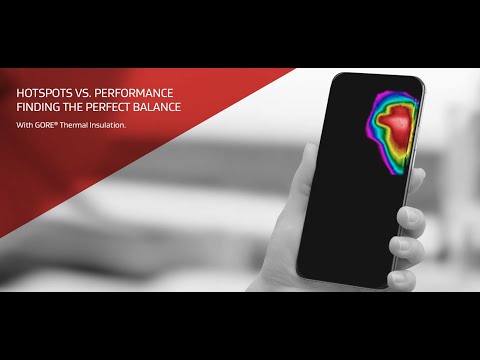
Värmeisolering av elektronik är en möjlig framtida tillämpning för de studerade materialen. Gore arbetar redan med värmehantering i mobila enheter, men dess befintliga lösningar är inte bevis för användning av just dessa perovskiter.
GORE Thermal Insulation är en lösning för värmehantering med lägre värmeledningsförmåga än stillastående luft. Genom att begränsa värmeflödet i tjockleksriktningen, z-axeln, kan konstruktören styra värmen mot andra vägar. Det kan underlätta konstruktion av tunna enheter och kontroll av deras yttemperatur.
Gore beskriver också enkel integration och stöd från ingenjörer för konstruktion och modellering från tidiga utvecklingsfaser till kommersialisering.
W. L. Gore & Associates grundades av Bill och Vieve Gore 1958 och har huvudkontor i Newark, Delaware. Den historiska företagsuppgiften som användes i artikeln anger en årlig omsättning på 4,8 miljarder dollar.
Mer forskning om material och värmeledningsförmåga
Isolering har många användningsområden. Byggnader, produkter och utrustning i vardagen kan behöva skydd mot oönskat värmeflöde. Olika tillämpningar kräver dock olika material och egenskaper.
En studie av värmeisolering och inomhusluft hos cellulosabaserade material undersökte bland annat råvaror, tillverkning, densitet, fukthalt och provningstemperatur.
Studien visade att fukt kunde försämra isoleringen. I vissa av de undersökta materialen minskade värmeledningsförmågan när densiteten ökade genom komprimering. Effekten berodde på struktur och luftfördelning och är inte en allmän regel för alla densiteter.
Forskarna jämförde också vilka materialblandningar som gav bäst termisk prestanda vid sin naturliga densitet. Ett av materialen bestod av cellulosaacetat, förbrukade cigarettfilter, cigarettpapper och aluminiumbehandlat papper. Ett annat bestod enbart av återvunnet papper.
När det gäller fuktupptagning var ökningen särskilt tydlig för vissa material av träfibrer och cellulosa från återvunnen kartong. Bearbetning och ojämn struktur påverkade också resultaten.
Studien bidrog till kunskapen om isolering från återvunnet jordbruks- och industriavfall, ett område med möjligheter till fortsatt utveckling.
Elektronik som används i extrema miljöer ställer andra krav. Forskare vid Xi’an Jiaotong University i Kina undersökte exempelvis aktivt värmeskydd för elektronik vid arbete i djupa borrhål.
Läs mer om självuppvärmande betong och dess möjliga betydelse för vägar och vinterunderhåll.
Aktivt värmeskydd för elektronik i djupa borrhål
Elektronik i djupa borrhål används bland annat vid prospektering och utvinning av skifferolja. Högt tryck och höga temperaturer kan hota komponenternas funktion. Forskarna undersökte därför ett aktivt värmeskyddssystem med en ringformig kylplatta med spiralformat flöde (ACP), en behållare med fasändringsmaterial (PCM) och en aerogelmatta (AM).
De mätte hur kylplattans struktur, placering och arbetsmediets flöde påverkade värmeskyddet. Prestandan bedömdes genom temperaturkontroll och hur länge systemet kunde fungera.
I försöken bidrog aerogelmattan till värmeskyddet, och placering av kylplattan på insidan gav bättre resultat bland de jämförda utförandena. Studien föreslog att spiralflödeskylning kombineras med isolering för användning i djupa borrhål.
En annan studie, publicerad 2022 i npj Flexible Electronics, undersökte mjuka och töjbara underlag för värmeskydd av kroppsburen elektronik.
Mjuka, töjbara värmeskydd för kroppsburen elektronik
Kroppsburen elektronik används bland annat inom medicin. Om utrustningen blir för varm kan den orsaka obehag eller skada huden. Forskarna sökte därför material och strukturer som kan begränsa värmeöverföringen.
De presenterade ett mjukt och töjbart värmeskyddande underlag av polydimetylsiloxan med inbäddade mikrosfärer. Sfärerna innehöll fasändringsmaterial inneslutet i ett hartsskal och kunde absorbera värme när materialet ändrade fas.
Underlaget tålde deformationer på över 150%. I de redovisade försöken minskade den maximala temperaturökningen vid huden med 82%, med möjlighet till förbättring genom optimering. Siffran avser temperaturökningen under provet, inte en sänkning av hudens absoluta temperatur med 82%.
Värmehantering som förbättrar prestandan i en Google Pixel 3XL
Ett annat exempel kombinerade grafitfolier, som sprider värme effektivt längs planet, med isoleringsskikt med låg värmeledningsförmåga. Kombinationen monterades i en modifierad Google Pixel 3XL för att sänka kontaktytans temperatur.
Fyra lösningar med ungefär samma tjocklek, cirka 350 µm, tillverkades och testades med 3DMark – Sling Shot Extreme. Målet var lägre kontakttemperatur utan en stor ökning av processorns övergångstemperatur.
I försöken sjönk yttemperaturen i stationärt tillstånd med upp till 3,2 °C, medan den maximala övergångstemperaturen (TJ) steg mindre än 1 °C jämfört med lösningar med endast grafit, isolering eller luft.
Studien visade att kombinationer av högpresterande isolering och grafit kan vara användbara i tunna mobila enheter med hög effekt. Den bästa konfigurationen beror på varje enhets effekt, utrymme och termiska förhållanden.
Värmehantering kan bidra till effektivare energianvändning och längre produktlivslängd. Forskning om isolering och värmehantering handlar i grunden om att förstå materialens egenskaper och anpassa dem till användningen. Exemplen visar det utvecklingsarbete som pågår inom området, liksom behovet av tester för varje tillämpning.
Läs mer om anpassningsbara takplattor som kan minska energibehovet för uppvärmning och kylning.



