
बायोटेक
वैक्सीन की अगली पीढ़ी

 Securities.io को Google पर अपने पसंदीदा स्रोतों में जोड़ें

वैक्सीन की शक्ति
आधुनिक टीकाकरण की शुरुआत 18वीं सदी के अंत में हुई। तब से टीकों ने कई घातक बीमारियों का बोझ बहुत कम किया है। विश्व स्वास्थ्य संगठन के एक अध्ययन के अनुसार, 1974 से 2024 के बीच टीकाकरण से अनुमानित 15.4 करोड़ लोगों की जान बची।
टीकाकरण से चेचक का वैश्विक उन्मूलन भी संभव हुआ, एक ऐसी बीमारी जिसने 20वीं सदी में अनुमानित करोड़ों लोगों की जान ली थी।
पोलियो उन्मूलन भी एक प्रमुख लक्ष्य है। 2024 में जंगली पोलियोवायरस का स्थानिक प्रसार पाकिस्तान और अफगानिस्तान में बना हुआ था। टीकाकरण से पहले यह बीमारी बड़ी संख्या में बच्चों को लकवाग्रस्त करती थी; लकवे के मामलों को मृत्यु की संख्या नहीं समझना चाहिए।

कोविड-19 महामारी के दौरान टीकाकरण, उसके प्रति भरोसे और विरोध पर व्यापक सार्वजनिक चर्चा हुई। इसी समय mRNA टीकों का बड़े पैमाने पर उपयोग शुरू हुआ।
इन सफलताओं के बावजूद संक्रामक बीमारियाँ स्वास्थ्य के लिए बड़ा खतरा हैं। असमान टीकाकरण कवरेज, स्वास्थ्य सेवाओं तक सीमित पहुँच और कुछ रोगों के लिए प्रभावी टीके विकसित करने की कठिनाइयाँ इसके कारण हैं।
नई जैविक तकनीकें टीकों की अगली पीढ़ी विकसित करने में मदद कर सकती हैं।

स्रोत: Phrma
टीके कैसे काम करते हैं
टीके का मूल उद्देश्य खतरनाक वायरस, जीवाणु या अन्य रोगजनक के संपर्क में आने से पहले प्रतिरक्षा प्रणाली को उसकी पहचान के लिए तैयार करना है।
इसके लिए निष्क्रिय या कमजोर रोगजनक, उसके हिस्से अथवा एंटीजन बनाने के निर्देश दिए जा सकते हैं। अलग-अलग टीकों का तरीका और सुरक्षा संबंधी आवश्यकताएँ अलग होती हैं।
प्रतिरक्षा प्रतिक्रिया में एंटीबॉडी तथा अन्य कोशिकाएँ शामिल होती हैं। एंटीबॉडी किसी विशिष्ट एंटीजन को पहचान सकती हैं, जबकि स्मृति कोशिकाएँ बाद के संपर्क पर प्रतिक्रिया में मदद करती हैं।

स्रोत: Cusabio
एंटीजन की विशिष्ट पहचान संक्रमण को रोकने या रोग की गंभीरता घटाने में सहायक हो सकती है। सुरक्षा की मात्रा और अवधि टीके तथा रोग पर निर्भर करती है।
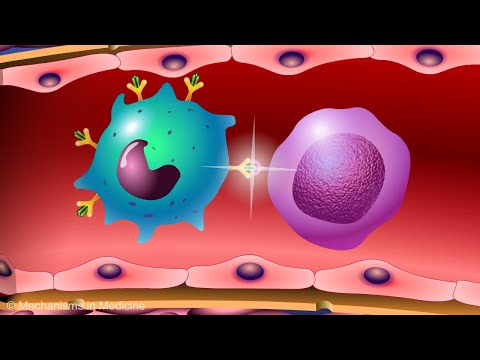
टीकाकरण के इन मूल सिद्धांतों को इस तीन मिनट के वीडियो में भी समझाया गया है:
चेचक के विरुद्ध टीकाकरण और व्यापक सार्वजनिक स्वास्थ्य अभियानों ने बीमारी के उन्मूलन में निर्णायक भूमिका निभाई।
अन्य रोगों के लिए यह अधिक कठिन है। कुछ प्रमुख चुनौतियाँ हैं:
- बहुत परिवर्तनशील एंटीजन। इन्फ्लुएंजा जैसे वायरस के एंटीजन बदलते रहते हैं। इसलिए मौसमी फ्लू के टीकों की संरचना समय-समय पर अद्यतन की जाती है। सामान्य सर्दी भी कई अलग-अलग वायरस से हो सकती है।
- कम सांद्रता और छिपना। कुछ रोगजनक ऐसी कोशिकाओं या अवस्थाओं में बने रहते हैं जहाँ उन्हें हटाना कठिन होता है। यह दीर्घकालिक संक्रमण और टीका विकास दोनों के लिए चुनौती है।
- प्रतिरक्षा प्रणाली को निष्क्रिय करना। HIV मुख्यतः CD4 टी कोशिकाओं को संक्रमित करता है और प्रतिरक्षा प्रणाली को कमजोर करता है। वह सीधे केवल एंटीबॉडी बनाने वाली कोशिकाओं पर हमला नहीं करता।
- तेज़ी से हमला करना। तेज संक्रमण गंभीर बीमारी पैदा कर सकता है। हालाँकि ईबोला के कुछ प्रकारों के लिए टीके उपलब्ध हैं; तेज रोग-प्रगति अपने आप टीकाकरण को असंभव नहीं बनाती।
वैक्सीन के अगले लक्ष्य
दीर्घकालिक संक्रमण
कुछ लंबे समय तक बने रहने वाले संक्रमणों के विरुद्ध प्रभावी टीके विकसित करना विशेष रूप से कठिन रहा है।
इसके कारणों में प्रतिरक्षा से बचने के तरीके, जटिल जीवनचक्र और उपयुक्त सुरक्षात्मक प्रतिक्रिया की पहचान न होना शामिल हैं। सभी दीर्घकालिक संक्रमण एक ही तंत्र से नहीं चलते।
मलेरिया
WHO के अनुसार 2022 में मलेरिया के लगभग 24.9 करोड़ मामले और करीब छह लाख मौतें हुईं। अफ्रीकी क्षेत्र में छोटे बच्चों पर इसका विशेष बोझ पड़ता है। बीमारी स्कूल, काम और परिवार की आय को भी प्रभावित करती है।
उदाहरण के लिए, मोजाम्बिक के एक अध्ययन में 2015 में बाह्य रोगी परामर्शों के 45% और अस्पताल में भर्ती के 24% मामलों को मलेरिया से संबंधित बताया गया।
“साधारण मलेरिया पर परिवार का औसत खर्च ज़ाम्बेज़िया में उसके मासिक खर्च का 10% (1.63 अमेरिकी डॉलर) से 21% (3.46 डॉलर) था। गंभीर मामलों का खर्च 64.90 से 81.08 डॉलर था, जो औसत मासिक प्रति व्यक्ति खर्च से तीन गुना से अधिक था।”
Malaria Journal
मलेरिया मच्छरों के काटने से फैलने वाले प्लाज़्मोडियम परजीवियों के कारण होता है। इनके जीवनचक्र में यकृत और रक्त की अवस्थाएँ शामिल हैं। प्लाज़्मोडियम फाल्सीपेरम में लगभग 60 var जीनों के बीच अभिव्यक्ति बदलने की क्षमता प्रतिरक्षा से बचने में मदद करती है।
टीका विकास की कठिनाइयों के कारण मच्छर नियंत्रण, मच्छरदानियाँ और दवाएँ रोकथाम के महत्वपूर्ण साधन रहे हैं। दवा प्रतिरोध भी एक चुनौती है।
अब उपलब्ध मलेरिया टीके
2021 में WHO ने प्रभावित क्षेत्रों के बच्चों के लिए RTS,S/AS01 टीके की सिफारिश की, जिसे GSK ने विकसित किया। 2023 में WHO ने ऑक्सफोर्ड विश्वविद्यालय द्वारा विकसित R21/Matrix-M टीके की भी सिफारिश की।
दोनों टीके मलेरिया के मामलों और गंभीर बीमारी का बोझ कम कर सकते हैं, लेकिन पूर्ण सुरक्षा नहीं देते। इन्हें अन्य रोकथाम उपायों के साथ उपयोग किया जाता है। ये प्रोटीन आधारित टीके हैं।
पूरे परजीवी पर आधारित प्रयोगात्मक विकल्पों में Sanaria का PfSPZ Vaccine शामिल है। इसमें विकिरण से कमजोर किए गए स्पोरोज़ोइट उपयोग होते हैं। आनुवंशिक रूप से कमजोर किए गए अन्य PfSPZ उम्मीदवार अलग विकास कार्यक्रम हैं।
Sanaria ने नियंत्रित मानव मलेरिया संक्रमण अध्ययनों में अपने कुछ PfSPZ तरीकों से 90% से अधिक सुरक्षा की जानकारी दी है। ऐसे परिणाम प्राकृतिक संक्रमण के सभी परिवेशों में समान प्रभावशीलता की गारंटी नहीं हैं।
HIV/AIDS
HIV वह वायरस है जो उपचार न होने पर एड्स पैदा कर सकता है। 2022 में लगभग 3.9 करोड़ लोग HIV के साथ जी रहे थे और एड्स संबंधी बीमारियों से लगभग 6.3 लाख मौतें हुईं। एंटीरेट्रोवायरल उपचार जीवन और स्वास्थ्य में बड़ा सुधार ला सकता है। प्रभावी टीका एक महत्वपूर्ण शोध लक्ष्य है, लेकिन वह उन्मूलन या इलाज का एकमात्र संभावित साधन नहीं है।
HIV CD4 टी कोशिकाओं को संक्रमित करता है और शरीर में स्थायी भंडार बना सकता है। आनुवंशिक विविधता और प्रतिरक्षा से बचने की क्षमता टीका विकास को कठिन बनाती हैं।

2024 तक सामान्य उपयोग के लिए HIV टीका उपलब्ध नहीं था और कई अलग-अलग तरीकों पर शोध जारी था।
शोध के उदाहरणों में शामिल हैं:
- Gilead की व्यापक रूप से निष्प्रभावी करने वाली एंटीबॉडी, teropavimab और zinlirvimab। ये एंटीबॉडी दवाएँ हैं, टीके नहीं।
- HIV Vaccine Trials Network के विभिन्न चरणों में परीक्षणाधीन टीका उम्मीदवार।
- अंतरराष्ट्रीय एड्स टीका पहल (IAVI) और Scripps Research का पुनःसंयोजित वेसिक्युलर स्टोमैटिस वायरस (VSV) वेक्टर
अन्य
सभी टीका विकास कार्यक्रमों का विवरण यहाँ संभव नहीं है। अधिक जानकारी इस 11-पृष्ठीय रिपोर्ट में मिल सकती है।
अन्य रोगों में भी नए या बेहतर टीकों पर काम हो रहा है। कुछ के लिए पहले से टीके उपलब्ध हैं, जबकि अन्य के लिए शोध जारी है:
- डेंगी
- हुकवर्म
- लीशमैनीयासिस
- साइटोमेगालोवायरस (हर्पीस)
- लाइम रोग
- शिंगल्स
आक्रामक संक्रमण
कुछ संक्रमण तेजी से गंभीर हो सकते हैं और उनमें मृत्यु का जोखिम अधिक होता है।
ईबोला इसका एक उदाहरण है। मृत्यु दर प्रकोप और उपचार की उपलब्धता के अनुसार बदलती है। उपलब्ध टीका विकल्पों में Merck का Ervebo शामिल है, जिसे 2019 में मंजूरी मिली। Johnson & Johnson (JNJ ) का Zabdeno+Mvabea दो-खुराक वाला एक अन्य तरीका है। इनका उपयोग विशिष्ट ईबोला वायरस और नियामक स्वीकृति के दायरे पर निर्भर करता है।
कोरोनावायरस भी गंभीर प्रकोप पैदा कर सकते हैं। SARS-CoV-2 ने कोविड-19 महामारी पैदा की, जबकि पहले मध्य पूर्व श्वसन सिंड्रोम कोरोनावायरस (MERS-CoV) और 2002–2004 में गंभीर तीव्र श्वसन सिंड्रोम (SARS) के प्रकोप हुए थे।
नई वैक्सीन तकनीक
पारंपरिक टीकों में कमजोर या निष्क्रिय रोगजनक, उसके प्रोटीन या अन्य हिस्से और वायरल वेक्टर जैसे तरीके शामिल हैं।
आधुनिक जैवविज्ञान इन तरीकों के साथ नई तकनीकें भी विकसित कर रहा है।
mRNA वैक्सीन
कोविड-19 महामारी ने mRNA टीकों के विकास और उपयोग को गति दी। इस तकनीक का एक लाभ उम्मीदवार की संरचना को तेजी से तैयार और अद्यतन करना है।
रोगजनक का आनुवंशिक अनुक्रम मिलने पर वैज्ञानिक एंटीजन के लिए mRNA निर्देश तैयार कर सकते हैं। शुरुआती डिज़ाइन कुछ सप्ताह में संभव हो सकता है, लेकिन सुरक्षित और प्रभावी टीका उपलब्ध कराने के लिए परीक्षण, उत्पादन और नियामक समीक्षा भी आवश्यक हैं। यह कुछ सप्ताह में “इलाज” तैयार हो जाने के बराबर नहीं है।
महामारी में अन्य तकनीकों के टीके भी उपयोग हुए। mRNA एक महत्वपूर्ण विकल्प था, लेकिन सभी रोगों और परिस्थितियों के लिए स्वतः सर्वश्रेष्ठ नहीं है।
Moderna और BioNTech सहित कई कंपनियाँ अन्य रोगों के लिए भी mRNA टीकों पर काम कर रही हैं।
- Moderna के शोध कार्यक्रमों में कोरोनावायरस, फ्लू, RSV, ज़ीका, HIV, एपस्टीन-बार वायरस, वैरिसेला-ज़ोस्टर वायरस, नोरोवायरस और साइटोमेगालोवायरस जैसे लक्ष्य शामिल रहे हैं। प्रत्येक कार्यक्रम का चरण और परिणाम अलग है।
- BioNTech , जो Pfizer की साझेदार है, भी शिंगल्स, मलेरिया, HIV, तपेदिक और अन्य संक्रामक रोगों के लिए विभिन्न टीका कार्यक्रम विकसित कर रही है।
न्यूक्लिक एसिड वैक्सीन
mRNA टीके न्यूक्लिक एसिड टीकों की एक श्रेणी हैं। इस व्यापक समूह में DNA टीके भी आते हैं, जो कोशिकाओं को एंटीजन बनाने के निर्देश देने के लिए DNA का उपयोग करते हैं।
कई उम्मीदवार मानव परीक्षणों में हैं, लेकिन संख्या समय और अध्ययन की परिभाषा के साथ बदलती है।
खेतों में वैक्सीन उगाना
टीकों के एंटीजन कोशिका संवर्धन, सूक्ष्मजीवों और अन्य उत्पादन प्रणालियों में बनाए जा सकते हैं।
आनुवंशिक अभियांत्रिकी के माध्यम से पौधों को भी कुछ टीका घटकों के उत्पादन के लिए इस्तेमाल किया जा सकता है।
नियंत्रित खेतों या ग्रीनहाउस में ऐसी प्रणालियाँ कुछ स्थितियों में लागत घटा सकती हैं। शुद्धता, मात्रा और उत्पादन की निरंतरता सुनिश्चित करना आवश्यक है।
पौधों में प्रोटीन पर जुड़ने वाली शर्करा और अन्य जैविक प्रक्रियाएँ अलग हो सकती हैं। इसलिए एंटीजन की संरचना और प्रतिरक्षा प्रभाव की जाँच करनी होती है।
सूक्ष्मशैवाल भी एक संभावित उत्पादन प्रणाली हैं। कुछ पशु टीकों और मौखिक वितरण तरीकों पर शोध हो रहा है। शैवाल की कोशिका भित्ति कुछ एंटीजन को पाचन तंत्र में सुरक्षा दे सकती है, लेकिन इससे हर टीका बिना शुद्धिकरण या इंजेक्शन के खाने योग्य नहीं बन जाता
धातु-कार्बनिक नैनोकण
टीके बेहतर बनाने के लिए केवल एंटीजन उत्पादन का तरीका बदलना ही आवश्यक नहीं है।
कई टीकों में सहायक पदार्थ, अर्थात एडजुवेंट, प्रतिरक्षा प्रतिक्रिया बढ़ाते हैं। वे जन्मजात प्रतिरक्षा के कुछ मार्ग सक्रिय कर सकते हैं; इसका अर्थ सभी प्रतिरक्षा प्रतिक्रियाओं का अनियंत्रित सक्रिय होना नहीं है।
MIT के शोधकर्ताओं ने 2024 में धातु-कार्बनिक ढाँचे वाले नैनोकणों का एक प्रयोगात्मक तरीका बताया।
चूहों में किए गए अध्ययन में ZIF-8 नैनोकणों ने एंटीजन पहुँचाने के साथ कुछ जन्मजात प्रतिरक्षा मार्ग सक्रिय किए। मानव उपयोग के लिए सुरक्षा और उत्पादन पर और शोध आवश्यक है। हमने यह काम लेख “धातु‑कार्बनिक नैनोकणों के माध्यम से वैक्सीन की प्रभावशीलता बढ़ाना” में समझाया है।
मिश्रित फ्लू शॉट
तेजी से बदलने वाले इन्फ्लुएंजा वायरस के विरुद्ध व्यापक और टिकाऊ सुरक्षा देना कठिन है।
जब टीके द्वारा लक्षित एंटीजन बदलते हैं, तो पहले बनी प्रतिरक्षा की प्रभावशीलता घट सकती है।
शोधकर्ता कम बदलने वाले हिस्सों पर प्रतिरक्षा प्रतिक्रिया केंद्रित करने के तरीके खोज रहे हैं। लगभग 80,000 उत्परिवर्ती रूपों की प्रयोगात्मक लाइब्रेरी का विश्लेषण ऐसा ही एक शोध तरीका है; यह लोगों को 80,000 वायरस मिलाकर टीका देने के बराबर नहीं है। हमने इसे लेख “फ्लू के बेहतर टीके: वैज्ञानिक नए तरीकों की खोज कर रहे हैं” में समझाया है।
बेहतर लॉजिस्टिक्स और डिलीवरी
टीकाकरण कार्यक्रमों में भंडारण, परिवहन, ठंडी आपूर्ति शृंखला और प्रशिक्षित स्वास्थ्यकर्मी महत्वपूर्ण हैं। इन चुनौतियों को कम करने से पहुँच बढ़ सकती है।
उदाहरण के लिए, ऑक्सफोर्ड के शोधकर्ताओं ने 2010 के एक अध्ययन में कुछ वायरल वेक्टरों को चीनी से बने काँच जैसे पदार्थ में स्थिर किया और 45 °C पर छह महीने तक उपयोगी स्थिरता दिखाई। यह सभी टीकों के लिए प्रमाणित भंडारण नियम नहीं है।
कुछ शैवाल आधारित टीका प्रणालियों के मौखिक वितरण पर भी शोध हो रहा है।
एक अन्य विकल्प टीका माइक्रोएरे पैच है, जिसे माइक्रोनीडल पैच भी कहा जाता है। इससे कुछ टीकों का वितरण आसान हो सकता है और सामान्य सुई की तुलना में असुविधा कम हो सकती है। दर्द, स्थिरता और स्व-प्रयोग की उपयुक्तता हर उत्पाद के लिए अलग से जाँची जाती है।
डिजिटल वैक्सीन रिकॉर्ड
डिजिटल रिकॉर्ड व्यक्ति और आबादी के टीकाकरण की स्थिति समझने में मदद कर सकते हैं। इससे अभियान की योजना, छूटी खुराकों की पहचान और कवरेज की निगरानी बेहतर हो सकती है।
गैर‑संचारी रोगों के वैक्सीन
कुछ नए उपचार गैर-संचारी रोगों के विरुद्ध प्रतिरक्षा प्रतिक्रिया को बदलने का प्रयास करते हैं। इनमें वास्तविक चिकित्सीय टीके भी हैं और ऐसे उपचार भी जिन्हें तकनीकी रूप से टीका नहीं कहा जाता।
कैंसर वैक्सीन
कैंसर का वैश्विक स्वास्थ्य बोझ बड़ा है और बेहतर रोकथाम तथा उपचार की आवश्यकता बनी हुई है।
HPV और हेपेटाइटिस B के टीके उन संक्रमणों को रोककर संबंधित कैंसर का जोखिम घटाते हैं। वे पहले से मौजूद सभी कैंसर का उपचार नहीं करते।
चिकित्सीय कैंसर टीके प्रतिरक्षा प्रणाली को ट्यूमर से जुड़े एंटीजन पहचानने और कैंसर कोशिकाओं पर प्रतिक्रिया देने के लिए तैयार करते हैं।
इनका लक्ष्य कैंसर कोशिकाओं पर मौजूद या उनसे संबंधित एंटीजन होते हैं।
कुछ स्वीकृत कैंसर प्रतिरक्षा उपचार प्रोस्टेट कैंसर, मूत्राशय कैंसर और मेलेनोमा में उपयोग होते हैं, लेकिन वे सभी एक ही प्रकार के टीके नहीं हैं। उदाहरण के लिए कोशिका आधारित उपचार, BCG और ऑनकोलिटिक वायरस अलग श्रेणियाँ हैं।
कई प्रकार के कैंसर के लिए अन्य टीके विकसित किए जा रहे हैं, जिनमें अग्न्याशय कैंसर जैसे कठिन उपचार वाले रोग भी शामिल हैं।
एंटी‑एजिंग वैक्सीन
आंशिक कोशिकीय पुनःप्रोग्रामिंग पर शोध का उद्देश्य कुछ आयु-संबंधी बदलावों को प्रभावित करना है। यह पूर्ण प्रेरित प्लुरिपोटेंट स्टेम कोशिका बनाने से अलग हो सकता है और इसमें ट्यूमर सहित सुरक्षा संबंधी जोखिमों की जाँच आवश्यक है।
mRNA निर्देश कुछ प्रयोगात्मक पुनःप्रोग्रामिंग तरीकों में उपयोग किए जा सकते हैं। लेकिन यह प्रतिरक्षा सिखाने वाला टीकाकरण नहीं है और इससे मानव में बुढ़ापा रोकना सिद्ध नहीं हुआ है।
हमने अस्थायी कोशिकीय पुनःप्रोग्रामिंग और अन्य शोध तरीकों पर लेख “बुढ़ापा जीवन का हिस्सा है – इसका मतलब यह नहीं कि हम लड़ नहीं सकते” में चर्चा की है।
अल्ज़ाइमर वैक्सीन
आबादी की बढ़ती उम्र के साथ अल्ज़ाइमर एक महत्वपूर्ण सार्वजनिक स्वास्थ्य समस्या है।
अमेरिकी कंपनी Vaxxinity के UB-311 के 43 प्रतिभागियों वाले चरण 2a अध्ययन में एंटीबॉडी प्रतिक्रिया और स्वीकार्य सहनशीलता मिली। यह छोटा अध्ययन रोग की प्रगति रोकने की निर्णायक प्रभावशीलता सिद्ध नहीं करता।
अल्ज़ाइमर के अन्य संभावित टीकों का भी परीक्षण हो रहा है। कुछ अमाइलॉइड, कुछ टाउ और कुछ अन्य प्रतिरक्षा-संबंधी मार्गों को लक्षित करते हैं।
डायबिटीज़
टाइप 1 मधुमेह में प्रतिरक्षा प्रणाली अग्न्याशय की इंसुलिन बनाने वाली कोशिकाओं को नुकसान पहुँचाती है। इसलिए प्रतिरक्षा को नियंत्रित करने वाले उपचारों का अध्ययन किया जा रहा है।
FDA ने 2022 में Tzield, अर्थात teplizumab, को मंजूरी दी। उस स्वीकृति में चरण 2 टाइप 1 मधुमेह वाले आठ वर्ष या अधिक आयु के लोगों में चरण 3 की शुरुआत टालना शामिल था। यह एक मोनोक्लोनल एंटीबॉडी है, टीका नहीं; न ही यह रोग को स्थायी रूप से रोकने या पहले से हुए नुकसान को पूरी तरह उलटने का प्रमाण है।
सूजन वैक्सीन
शोधकर्ता अस्थमा में भूमिका निभाने वाले मानव साइटोकाइन को लक्षित करने वाले प्रयोगात्मक टीकों पर भी काम कर रहे हैं। सोरायसिस के लिए प्रतिरक्षा-लक्षित मोनोक्लोनल एंटीबॉडी एक अलग उपचार श्रेणी हैं; उन्हें टीका नहीं समझना चाहिए।
अन्य सूजन और स्वप्रतिरक्षी रोगों में भी शोध जारी है, जैसे:
- मल्टीपल स्क्लेरोसिस, जिसके लिए शिकागो विश्वविद्यालय के शोधकर्ताओं ने एक प्रयोगात्मक प्रतिरक्षा-सहनशीलता तरीका विकसित किया।
- सूजन संबंधी आंत्र रोग और क्रोहन रोग, जिनमें विभिन्न संभावित उपचार तरीकों का अध्ययन हो रहा है
- रूमेटॉइड आर्थराइटिस नैनोवैक्सीन.
वैक्सीन कंपनियां
1. BioNTech (BNTX)
BioNTech mRNA तकनीक और अन्य प्रतिरक्षा उपचारों पर काम कर रही है। Pfizer के साथ विकसित कोविड-19 टीके से मिले संसाधनों ने उसके शोध कार्यक्रमों के विस्तार में मदद की।
कंपनी शिंगल्स, तपेदिक, मलेरिया और HIV सहित कई संक्रमणों के लिए उम्मीदवार विकसित कर रही है। Moderna (MRNA) भी इस क्षेत्र में सक्रिय है। कार्यक्रमों की संख्या उनकी सफलता या श्रेष्ठता का सीधा माप नहीं है।
BioNTech कैंसर के लिए भी mRNA आधारित तरीकों पर काम करती है। इसकी विकास पाइपलाइन में कई प्रयोगात्मक कैंसर उपचार हैं।

स्रोत: BioNTech
उसके अनुसंधान में कोशिका उपचार और mRNA से अलग कैंसर चिकित्सा विधियाँ भी शामिल हैं।
mRNA ने कुछ वायरल रोगों के टीकाकरण में महत्वपूर्ण योगदान दिया है। कैंसर में इसका उपयोग अलग वैज्ञानिक और नैदानिक चुनौतियाँ प्रस्तुत करता है।
इसलिए BioNTech में निवेश से संक्रामक रोग और कैंसर, दोनों के शोध कार्यक्रमों का जोखिम और संभावित लाभ जुड़ता है।
2. Immatics
IMTX मूल्य चार्ट
Immatics कैंसर कोशिकाओं को पहचानने के लिए टी कोशिका रिसेप्टर, अर्थात TCR, आधारित प्रतिरक्षा उपचार विकसित करती है। TCR कोशिका उपचार और द्विविशिष्ट अणु सामान्य टीके नहीं हैं।
दो मूलभूत चरण आवश्यक हैं:
- ऐसा कैंसर-संबंधी लक्ष्य चुनना जो ट्यूमर पर पर्याप्त मात्रा में मौजूद हो और स्वस्थ ऊतकों में सीमित हो।
- ऐसा प्रभावी TCR विकसित करना जो चुने गए लक्ष्य को पहचाने और स्वस्थ ऊतकों पर अनचाही प्रतिक्रिया का जोखिम न्यूनतम रखे।

स्रोत: Immatics
कंपनी की पाइपलाइन में रोगी की अपनी कोशिकाओं से बनने वाले TCR-T उपचार और तैयार रूप में दिए जा सकने वाले TCR द्विविशिष्ट अणु शामिल हैं। तैयार जैविक अणु को किसी दाता से प्राप्त कोशिका उपचार के समान नहीं समझना चाहिए।
कंपनी ने BMS, Moderna और Editas जैसे भागीदारों के साथ समझौते किए हैं। प्रत्येक समझौते का दायरा और निरंतरता अलग है।

स्रोत: Immatics
Moderna के साथ कई प्रौद्योगिकी मंचों को शामिल करने वाले रणनीतिक सहयोग की घोषणा 2023 में हुई थी।
ये उपचार विकासाधीन हैं। बड़े भागीदारों के साथ सहयोग उनकी प्रभावशीलता, नियामक मंजूरी या व्यावसायिक सफलता की गारंटी नहीं है।
विभिन्न उम्मीदवार मेलेनोमा और अंडाशय, फेफड़े, गर्भाशय, मूत्राशय, सिर तथा गर्दन के कैंसर सहित ठोस ट्यूमर को लक्षित करते हैं। उपयुक्तता लक्ष्य एंटीजन, HLA और परीक्षण की शर्तों पर निर्भर करती है।
निष्कर्ष
टीकाकरण ने करोड़ों लोगों की जान बचाई है। बेहतर टीके और व्यापक पहुँच भविष्य में भी कई रोगों का बोझ घटा सकते हैं।
नई तकनीकें ऐसे रोगों के लिए टीके विकसित करने में मदद कर सकती हैं जिनसे बचाव अभी कठिन है। वितरण, लागत और भंडारण में सुधार भी संभव हैं, लेकिन हर उम्मीदवार के लिए सुरक्षा और प्रभावशीलता सिद्ध करनी होगी।
प्रतिरक्षा प्रणाली की बेहतर समझ अल्ज़ाइमर, अस्थमा और मधुमेह जैसे रोगों के नए उपचारों का रास्ता खोल सकती है। इनमें कुछ टीके होंगे और कुछ अन्य प्रकार की प्रतिरक्षा चिकित्सा।



