
स्पॉटलाइट
ह्युंडई मोटर कंपनी (HYMTF): सॉलिड-स्टेट बैटरियां, हाइड्रोजन, और रोबोट

 Securities.io को Google पर अपने पसंदीदा स्रोतों में जोड़ें

परम्परागत ऑटोमोबाइल निर्माताओं की वापसी
टेस्ला जैसे EV ब्रांडों के उदय और विदेशी बाजारों में चीनी वाहन निर्माताओं की तेज़ प्रगति से ऑटोमोबाइल क्षेत्र में उथल-पुथल मची है। इसलिए निवेशक अक्सर पुरानी कंपनियों को नवाचार-विहीन डायनासोर मान लेते हैं। लेकिन कार बिक्री की संख्या में पहले स्थान पर मौजूद Toyota (TM ) और दूसरे स्थान की Volkswagen (VWAGY ) जैसे सबसे मजबूत वैश्विक ब्रांडों पर यह बात लागू नहीं होती (इन कंपनियों के नवाचारों पर समर्पित निवेश रिपोर्ट पढ़ने के लिए लिंक खोलें)।
इसी बात को विश्व की #3 सबसे बड़ी कार निर्माता, Hyundai Motors Company के बारे में भी कहा जा सकता है।
Hyundai न केवल एक प्रमुख ऑटोमोबाइल निर्माता है बल्कि इलेक्ट्रिक और हाइड्रोजन पावरट्रेन में अपने अधिकांश प्रतिस्पर्धियों से आगे है। 2021 में Boston Dynamics के अधिग्रहण के बाद से, Hyundai रोबोटिक्स में भी एक वैश्विक नेता बन गया है।
इसलिए, वर्तमान में इसे एक घटते हुए परम्परागत ईंधन कार निर्माता के रूप में मूल्यांकित किए जाने के बावजूद, यह ऑटोमोबाइल और रोबोटिक सेक्टरों में पुनरुत्थान कर प्रमुख शक्ति बनने की अच्छी स्थिति में है।
Hyundai का इतिहास
कंपनी की स्थापना 1947 में Hyundai Engineering and Construction Company (Hyundai Togun) नाम से हुई थी। इसका ध्यान राजमार्गों सहित निर्माण परियोजनाओं और सामग्रियों पर था।
समूह ने 1967 में Hyundai Motor Company बनाकर ऑटोमोबाइल बाजार में प्रवेश किया। एक साल बाद उसका पहला मॉडल Cortina, Ford Motor Company (F ) के सहयोग से बेचा गया। अगले दशक में कंपनी ने शीर्ष ब्रिटिश ऑटोमोटिव इंजीनियरों और डिजाइनरों को नियुक्त करके धीरे-धीरे अपने मॉडल विकसित किए।
Hyundai ने 1975 में दक्षिण कोरिया की पहली पूरी तरह घरेलू रूप से डिजाइन की गई कार Pony पेश की, हालांकि उसमें Mitsubishi Motors की जापानी पावरट्रेन तकनीक इस्तेमाल हुई थी।

स्रोत: Road And Track
कंपनी ने 1985 में दस लाख कारों के उत्पादन का आंकड़ा पार किया और यूरोप तथा कनाडा में निर्यात बढ़ाया। उसने 1986 में अमेरिका में कारें बेचना शुरू किया, जहां उसके किफायती और आधुनिक डिजाइन को बड़ी सफलता मिली।
1990 के दशक में कंपनी अन्य वाहन निर्माताओं से पूरी तरह स्वतंत्र हो गई और उसने अपना ट्रांसमिशन तथा पेट्रोल इंजन विकसित किया। उसने “सस्ती” से “गुणवत्तापूर्ण” ब्रांड की छवि बनाने पर भी काम किया, खासकर अमेरिका में बिकने वाली कारों पर 10 वर्ष या 100,000 मील (160,000 किमी) की वारंटी देकर।
1997 के एशियाई वित्तीय संकट के बाद Hyundai Motors, Hyundai Group से अलग हो गई। इससे तेल, बैंकिंग और ऊर्जा उत्पादन में सक्रिय Hyundai Heavy Industries Group (064350) से उसका विभाजन हुआ।
उसी संकट में दक्षिण कोरिया की दूसरी कार कंपनी Kia पर और भी गंभीर असर पड़ा और उसने दिवालिया होने की अर्जी दी। इसके बाद Hyundai ने 6 अरब डॉलर में कंपनी की 51% हिस्सेदारी खरीदी। आज Hyundai के पास Kia की 34.16% हिस्सेदारी है, जिससे वह कंपनी की सबसे बड़ी शेयरधारक है।
Hyundai Motors कंपनी
कंपनी वर्तमान में मुख्य रूप से तीन प्रभागों से बनी है:
- कार निर्माण गतिविधि, जिसमें इलेक्ट्रिक कारें शामिल हैं।
- रोबोट निर्माता Boston Dynamics, जिसे Hyundai Robotics के साथ भ्रमित नहीं होना चाहिए, जो अब एक स्वतंत्र कंपनी (परंतु Hyundai Motors के साथ निकट सहयोग) का हिस्सा है HD Hyundai / Hyundai Heavy Industries।
- Hyundai Rotem, जो रेलमार्ग और सैन्य उपकरण, तथा हाइड्रोजन ऊर्जा में सक्रिय है।
संख्याओं में Hyundai Motors
कार निर्माण इसका मुख्य व्यवसाय है और राजस्व का बड़ा हिस्सा यहीं से आता है। 2023 से 2024 के बीच 7.7% की वृद्धि के बाद, 2025 में बिक्री 41.7 लाख कारों तक पहुंचने और राजस्व 3–4% बढ़ने की उम्मीद है।

स्रोत: Hyundai
Hyundai का सबसे बड़ा बाजार बहुत हद तक गैर‑पश्चिमी देशों में है (कुल बिक्री का आधा), जिसमें चीन, रूस, भारत, दक्षिण अमेरिका आदि शामिल हैं।
आज तक, कोरिया में बिक्री व्यवसाय का एक महत्वपूर्ण हिस्सा बनती है, देश के छोटे आकार के बावजूद, कोरिया में बिक्री लगभग पूरे यूरोप के बराबर है।

स्रोत: Hyundai
विस्तार से देखें तो “अन्य” क्षेत्रों में Hyundai की बिक्री मुख्य रूप से भारत से आती है, जो गैर-पश्चिमी और गैर-कोरियाई बिक्री का एक-चौथाई है; इसके बाद दक्षिण अमेरिका तथा रूस और चीन को छोड़कर शेष विश्व आते हैं।
यह कंपनी को वैश्विक तनाव के बढ़ते माहौल में रूस और चीन द्वारा संभावित प्रतिशोध या प्रतिबंधों के जोखिम से बहुत सुरक्षित स्थिति में रखता है।

स्रोत: Hyundai
USA में बड़ी बिक्री इसे ट्रम्प प्रशासन द्वारा लगाए गए टैरिफ़ों के प्रति संभावित रूप से संवेदनशील बनाती है, विशेष रूप से जब South Korea USA में बेची गई कारों का 8.6% उत्पादन करता है, जो जापान के 8.2% से थोड़ा अधिक है।
मॉडल के अनुसार Hyundai की बिक्री में SUV मॉडल का प्रभुत्व है, जो कुल बिक्री का आधे से अधिक हिस्सा बनाते हैं। यह एक लाभ है, क्योंकि SUV बहुत लोकप्रिय और अपेक्षाकृत उच्च मार्जिन वाले मॉडल हैं, लेकिन भविष्य में संभावित समस्या भी हो सकती है, क्योंकि SUV को अक्सर बहुत बड़े और भारी होने का आरोप लगाया जाता है, जिससे पर्यावरणीय पदचिह्न बढ़ता है।

स्रोत: Hyundai
कंपनी ने अपने लाभांश के लिए 25% का बहुत स्थिर भुगतान अनुपात बनाए रखा है, जो तेज़ी से बढ़ती शुद्ध आय के साथ मिलकर शेयरधारकों को लाभांश भुगतान में निरंतर वृद्धि लाता है।

स्रोत: Hyundai
Hyundai EV और हाइब्रिड
Hyundai की ऊर्जा मिश्रण
कई पुरानी वाहन कंपनियों की तरह Hyundai ने EV की ओर अपेक्षाकृत धीरे रुख किया, क्योंकि उसे आंतरिक दहन इंजन (ICE) वाली कारों से परिचित मौजूदा ग्राहक आधार को बनाए रखना था।
इसी कारण, EV और हाइब्रिड कुल बिक्री का केवल एक छोटा हिस्सा हैं, 20% से कम। यह Hyundai की बिक्री का वह खंड भी है जो मुख्यतः हाइब्रिड‑इलेक्ट्रिक‑वाहन (HEV) द्वारा नियंत्रित है, शुद्ध EV या प्लग‑इन हाइब्रिड की तुलना में।

स्रोत: Current EV
(स्मरण के तौर पर, HEV मुख्यतः इलेक्ट्रिक सिस्टम के साथ ICE रेंज को सुधारने पर केंद्रित होते हैं, न कि केवल इलेक्ट्रिक शक्ति पर निर्भर रहने पर, और इन्हें BEV और PHEV की तरह सीधे चार्ज नहीं किया जा सकता।)
Hyundai की सॉलिड‑स्टेट बैटरियां
EV क्षेत्र में Hyundai का पिछड़ना विद्युतीकरण का निर्णय देर से लेने और तकनीक में वास्तविक देरी—विशेषकर बैटरी तकनीक—दोनों से जुड़ा हो सकता है। इस केंद्रीय तकनीक में आम तौर पर Tesla (TSLA ) तथा चीनी CATL और BYD सबसे आगे रहे हैं।
इसीलिए जब Hyundai ने 10 फरवरी को अपनी सॉलिड-स्टेट बैटरी तकनीक में प्रगति का खुलासा किया, तो पूरे उद्योग को आश्चर्य हुआ। इसे अक्सर EV तकनीक का “होली ग्रेल” माना जाता है, क्योंकि यह एक साथ दूरी की चिंता, लागत और सुरक्षा की समस्याएं हल कर सकती है। कंपनी 2030 तक इनका बड़े पैमाने पर उत्पादन करना चाहती है, ताकि CATL, LG और अन्य वाहन-बैटरी आपूर्तिकर्ताओं से मिलने वाली मौजूदा आपूर्ति का स्थान लिया जा सके।
हालांकि, Hyundai अपने अगली पीढ़ी के बैटरी अनुसंधान केंद्र का उद्घाटन समारोह कोरिया के यूइवांग में मार्च 2025 से पहले आयोजित करेगा। 2025 में बैटरियों का उपयोग करने वाला एक प्रोटोटाइप पहले ही सड़कों पर परीक्षण किया जा चुका होगा, जिससे यह संभवतः विश्व के पहले ऑटोमोबाइल निर्माताओं में से एक बन जाएगा।
क्योंकि सॉलिड‑स्टेट बैटरियां बहुत अधिक कुशल होती हैं, वे समान वजन पर EV की रेंज को दोगुना कर सकती हैं या समान रेंज के लिए बैटरी की मात्रा और वजन को आधा कर सकती हैं।
उच्च‑प्रदर्शन सॉलिड‑स्टेट बैटरियों के अलावा, Hyundai लिथियम‑आयरन‑फॉस्फेट (LFP) और निकेल कोबाल्ट मैंगनीज़ (NCM) बैटरियों का भी विकास कर रहा है, जो मॉडल के अनुसार लागत, रेंज, कीमत और वजन को अनुकूलित करने के सभी संभावित विकल्पों को कवर करती हैं।

स्रोत: Hyundai
EV में बराबरी करने और संभवतः नेतृत्व हासिल करने के इस प्रयास के लिए बहुत मेहनत करनी होगी। 2025 के लिए नियोजित अनुसंधान एवं विकास खर्च में भारी वृद्धि—जो 2021 या 2022 के स्तर से लगभग दोगुनी है—इसे स्पष्ट करती है।

स्रोत: Hyundai
Capex (पूंजी व्यय) भी बढ़ा है, जो उत्पादन लाइन को आधुनिक बनाने और उन्हें EV के अनुकूल बनाने की आवश्यकता को दर्शाता है, साथ ही वर्तमान क्षमता से अतिरिक्त 1 मिलियन कारों का उत्पादन करने के लिए नई फैक्ट्री खोलने की भी।

स्रोत: Hyundai
EV तकनीक में यह प्रगति Hyundai और GM के बीच हुई साझेदारी (GM ) को भी मजबूत करेगी और बैटरी तकनीक में पीछे रहने वाले पश्चिमी ब्रांडों के लिए Hyundai को प्रमुख भागीदार बना सकती है।
“हम अपने वाणिज्यिक EV को नया ब्रांड देकर GM को आपूर्ति करने पर विचार कर रहे हैं। यह सौदा हमारे लिए उत्तर अमेरिकी वाणिज्यिक वाहन बाजार में प्रवेश का रास्ता खोलेगा।” Lee Seung Jo — Hyundai के CFO
इससे Hyundai और Google की Waymo के बीच नई रणनीतिक साझेदारी को भी बढ़ावा मिल सकता है। पहले चरण में Waymo की स्वायत्त ड्राइविंग तकनीक को Hyundai की पूर्ण-इलेक्ट्रिक IONIQ 5 में जोड़ा जाएगा।
यह यह भी संभव बनाता है कि जबकि Hyundai पहले से ही इन‑हाउस तकनीक का उपयोग करके लेवल 4 ड्राइविंग सहायता रखता है, Waymo भविष्य में Hyundai को पूर्ण‑स्वायत्त सिस्टम प्रदान कर सकता है।
Hyundai और Waymo एक साझा दृष्टिकोण रखते हैं कि लोगों की गतिशीलता की सुरक्षा, दक्षता और सुविधा को सुधारें, Waymo की परिवर्तनकारी तकनीक उनके संचालन क्षेत्रों में सड़क सुरक्षा को सुधार रही है, और IONIQ 5 इसको आगे स्केल करने के लिए आदर्श वाहन है।
हमारी नई निर्माण सुविधा की टीम Waymo One बेड़े के लिए पर्याप्त संख्या में वाहन आवंटित करने के लिए तैयार है, क्योंकि यह विस्तार जारी रखता है।
José Muñoz — Hyundai Motor Company के अध्यक्ष और वैश्विक COO
Hyundai के भविष्य के EV
कंपनी अगले छह वर्षों में कम से कम 21 EV मॉडल पेश करने की योजना बना रही है, जिनमें किफायती EV से लेकर SUV, लक्ज़री मॉडल और स्पोर्ट्स कार तक पूरे बाजार को शामिल किया जाएगा।

स्रोत: Hyundai
यदि Hyundai की योजना के अनुसार सब कुछ हुआ, तो 2024 की तुलना में EV बिक्री आठ गुना हो सकती है और EV कंपनी की कुल बिक्री का एक-तिहाई हिस्सा बन सकते हैं।

स्रोत: Hyundai
यह Hyundai को विश्व में दूसरे सबसे बड़े ऑटोमोबाइल निर्माता के रूप में Volkswagen की स्थिति को चुनौती देने के लिए एक मजबूत स्थिति में रख सकता है, साथ ही गैर‑पश्चिमी बाजारों में सस्ते चीनी EV द्वारा किए गए नुकसान को काफी हद तक सीमित कर सकता है।
Hyundai Rotem और हाइड्रोजन
Hyundai Rotem
रक्षा
Hyundai Motor Hyundai Rotem, एक भारी उपकरण कंपनी, में 33.77% का मालिक है।
कंपनी रक्षा उपकरण बनाती है और विशेष रूप से दक्षिण कोरिया के मुख्य बैटल टैंक K2 की एकमात्र निर्माता है।

स्रोत: Hyundai
K2 प्लेटफॉर्म दुनिया की सबसे उन्नत टैंक प्रणालियों में से एक है और निर्यात बाजारों में बहुत लोकप्रिय हो रहा है। इसका प्रमुख उदाहरण 2024 में पोलैंड को 820 टैंक बेचने का ऐतिहासिक सौदा है, जिसकी कीमत 6.27 अरब डॉलर थी।
Hyundai Rotem का रक्षा प्रभाग स्वायत्त जमीनी ड्रोन और अन्य लड़ाकू वाहन भी बनाता है।
रेल
Rotem दक्षिण कोरिया के ट्रेन और ट्राम आपूर्तिकर्ता का एक महत्वपूर्ण हिस्सा है और उसने 38 अन्य देशों को हाई‑स्पीड ट्रेन, EMU (इलेक्ट्रिक मल्टिपल यूनिट – स्व-प्रेरित डिब्बे) और LRV (लाइट रेल वाहन) प्रदान किए हैं।

स्रोत: Hyundai Rotem
इन सेक्टरों में, रेल Hyundai Rotem का सबसे बड़ा राजस्व स्रोत है।

स्रोत: Hyundai Rotem
हाइड्रोजन
Hyundai Rotem हाइड्रोजन (Eco Plant) से ऊर्जा उत्पादन में भी मौजूद है, साथ ही हाइड्रोजन को ईंधन के रूप में उपयोग करके ट्राम बनाने में भी।
अपने आईपी और हाइड्रोजन वाहन, फ्यूल सेल, हाइड्रोजन उत्पादन, चार्जिंग स्टेशन, अमोनिया में परिवर्तन, और यहां तक कि टरबाइन के उत्पादन के माध्यम से, Hyundai हाइड्रोजन अर्थव्यवस्था के हर बिंदु पर मौजूद दुर्लभ कंपनियों में से एक है। अब इसके पास हाइड्रोजन में 27 वर्षों का अनुभव है, जिसकी पहली परीक्षण हाइड्रोजन‑पावर्ड वाहन 2000 में बनाए गए थे।
2024 के अंत में, Hyundai ने अपना INITIUM हाइड्रोजन फ्यूल सेल इलेक्ट्रिक (FCEV) अवधारणा प्रस्तुत की। Initium का लक्ष्य रिफ्यूलिंग के बीच 650 किमी से अधिक की ड्राइविंग रेंज हासिल करना है और इसे 2025 के पहले आधे में लॉन्च किया जाएगा।

स्रोत: Hyundai
इसके HTWO Grid का हिस्सा बनने की उम्मीद है, जो “उत्पादन, भंडारण, परिवहन और उपयोग तक फैला संपूर्ण हाइड्रोजन ऊर्जा समाधान” है।
HTWO Grid की अवधारणा में शामिल हैं:
- वेस्ट‑टू‑हाइड्रोजन (W2H), कचरा स्लज, खाद और खाद्य अपशिष्ट से हाइड्रोजन उत्पादन।
- प्लास्टिक‑टू‑हाइड्रोजन (P2H), 91% न पुनर्चक्रित प्लास्टिक कचरे का उपयोग करके।
- ग्रीन हाइड्रोजन उत्पादन, मेगावाट‑स्केल PEM इलेक्ट्रोलाइज़र और ग्रीन एनर्जी का उपयोग करके।
- हाइड्रोजन वितरण और लॉजिस्टिक्स।
- अमोनिया उत्पादन और वितरण, जिसमें Hyundai Glovis के 2 विशाल बहुत बड़े गैस कैरियर्स (VLGCs) शामिल हैं (जो LPG भी ले जाते हैं)।
- ट्रक, ट्राम, कार और फ्यूल सेल जनरेटर में फ्यूल सेल द्वारा हाइड्रोजन का उपयोग।
यह Hyundai की दीर्घकालिक रणनीति का हिस्सा है, जिससे यह भविष्य की हाइड्रोजन अर्थव्यवस्था के हर स्तर पर मौजूद कुछ कंपनियों में से एक बनता है।

स्रोत: Hyundai
यह Fuel Cell Truck XCIENT को भी शामिल करेगा, जिसमें 31 किग्रा हाइड्रोजन टैंक के कारण 400 किमी रेंज है, और NEXO कार।
https://www.youtube.com/watch?v=CN5YToIQQD4
https://www.youtube.com/watch?v=b9W46sQsaJo&t=2s
Boston Dynamics और रोबोटिक्स
Boston Dynamics का अवलोकन
कंपनी 1992 में MIT से अलग होकर बनी थी। उसने 2004 में अपना पहला चार पैरों वाला रोबोट विकसित किया और 2013 में Google ने उसका अधिग्रहण किया।
बाद में 2017 में इसे SoftBank को बेच दिया गया। 2020 में Hyundai ने SoftBank से 88 करोड़ डॉलर में इसकी 80% हिस्सेदारी खरीदी।
Boston Dynamics लंबे समय से अपने रोबोटिक कुत्ते “Spot” और मानवाकार रोबोट “Atlas” के वायरल वीडियो बनाता रहा है। कंपनी ने वर्षों में कई अन्य मॉडल भी तैयार किए हैं।

स्रोत: Parametric Architecture
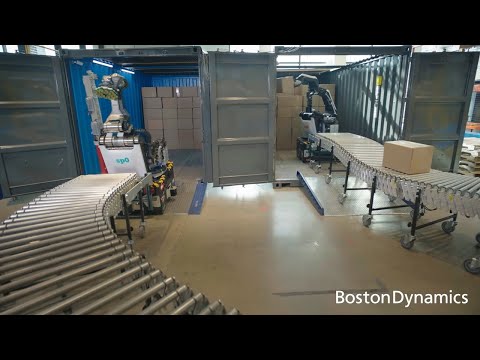
फिलहाल कंपनी का ध्यान Spot और गोदामों के लिए बने रोबोट Stretch को बढ़ावा देने पर दिखाई देता है।
Spot को मुख्यतः 14 किग्रा भार क्षमता वाले सेंसर प्लेटफॉर्म के रूप में बनाया गया है, जो संभावित रूप से खतरनाक फैक्टरी फर्श और निर्माण स्थलों पर बिना थके गश्त कर सकता है। यह पूरी सुविधा को स्कैन करके डिजिटल प्रतिरूप बना सकता है, खतरों का पता लगा सकता है, और Spot Arm के माध्यम से वस्तुओं को संभालने या विस्तृत निरीक्षण की अतिरिक्त क्षमता जोड़ सकता है।

स्रोत: Boston Robotics
Stretch गोदामों में 50 पाउंड तक के पैकेज और भार संभालने वाला रोबोट है। इसका मुख्य उद्देश्य गोदामों को समर्पित बुनियादी ढांचे के साथ दोबारा बनाए बिना कार्यों को स्वचालित करना और इसे तेज़ी से तैनात करना है।
“सैकड़ों केस प्रति घंटे ले जाने की क्षमता के साथ, Stretch सुनिश्चित करता है कि दैनिक लक्ष्य पूरे हों, भले ही ऑर्डर पूर्ति की मांगें बढ़ें।”
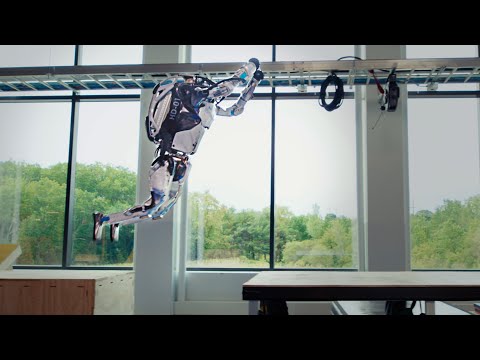
मानवाकार Atlas अभी स्पष्ट उपयोग के बिना भविष्य-केंद्रित प्लेटफॉर्म है। फिर भी व्यापक रूप से माना जाता है कि स्वास्थ्य सुविधाओं, घरों और कार्यालयों जैसे मानव-केंद्रित वातावरण में ढलने के लिए मानवाकार रूप सबसे अच्छा विकल्प होगा।
अब तक Boston Dynamics ने Atlas के लिए प्रभावशाली फुर्ती और विश्वसनीयता हासिल की है। 3D प्रिंटिंग और उच्च-प्रदर्शन बैटरियों के कारण इसका वजन केवल 89 किग्रा (196 पाउंड) है, जबकि इसकी ऊंचाई 1.5 मीटर है, जो औसत मानव से थोड़ी अधिक है।
Boston‑Hyundai सहयोग
Hyundai के लिए Boston Dynamics, कंपनी के गतिशीलता पर मुख्य ध्यान में रणनीतिक निवेश है; यहां गतिशीलता की अवधारणा केवल कारों या ट्रकों तक सीमित नहीं है।
इस दृष्टि से दायरा Boston Dynamics जैसे स्वायत्त रोबोटों के साथ-साथ घायल लोगों या श्रमिकों की मदद के लिए “पहनने योग्य रोबोटिक्स” या एक्सोसूट, और व्यक्तियों के परिवहन, अंतिम चरण की डिलीवरी तथा मोबाइल आपातकालीन वाहनों के लिए सेवा रोबोटिक्स तक फैलता है।

स्रोत: Hyundai
हर साल बिकने वाली लाखों कारों की तुलना में यह अभी एक छोटा व्यवसाय है। फिर भी भविष्य में Hyundai के लिए यह महत्वपूर्ण हो सकता है, क्योंकि स्वास्थ्य सेवा, लॉजिस्टिक्स और सुरक्षा जैसे क्षेत्रों में रोबोटों की भूमिका बढ़ने की संभावना है।
हालांकि सैन्य बाजार शायद कंपनी की पहुंच से बाहर रहेगा, क्योंकि उसने 2022 में अपने रोबोटों को हथियार न बनाने का संकल्प लिया था। Boston Dynamics ने अन्य रोबोटिक्स कंपनियों को भी इसमें शामिल होने का प्रस्ताव दिया और कई फर्मों ने हस्ताक्षर किए।
फिर भी यह प्रश्न उठता है कि Hyundai किसी बहुउद्देशीय लॉजिस्टिक रोबोट को सैन्य उपयोग के लिए बदले जाने से कैसे रोक पाएगी। साथी वाहन निर्माता Toyota के पिकअप ट्रकों को हल्के हमलावर वाहनों में बदले जाने के कई उदाहरण मिल चुके हैं।
Boston Dynamics के लिए यह व्यवस्था बड़े Hyundai समूह से वह तकनीकी और वित्तीय समर्थन उपलब्ध कराती है जिसकी उसे तकनीक सुधारते रहने के लिए जरूरत है, और उस पर तुरंत लाभ कमाने का दबाव भी नहीं पड़ता।
निष्कर्ष
Hyundai विश्व के सबसे बड़े ऑटोमोबाइल निर्माताओं में से एक है। यह हाल ही तक EV दौड़ में पीछे रहने वाला माना जाता था, और इस सेक्टर में टेस्ला, BYD या यहां तक कि Toyota जैसे अधिक आक्रामक कंपनियों द्वारा व्यवधान के जोखिम में था।
हालांकि, यदि Hyundai की सॉलिड‑स्टेट बैटरियों की योजनाएं सफल हों, तो यह अचानक अत्यधिक उन्नत EV विकसित करने के अग्रभाग में कूद जाएगा।
हाइड्रोजन तकनीक में अपने अनुभव और मजबूत उपस्थिति के साथ मिलकर, यह Hyundai को उन परम्परागत निर्माताओं में से एक बनाता है जो इलेक्ट्रिफिकेशन प्रवृत्ति से कम प्रभावित होने की संभावना रखते हैं। यदि कुछ भी है, तो GM जैसी कंपनियों के साथ सौदे करने की इसकी क्षमता दर्शाती है कि यह अन्य पीछे रहने वाले निर्माताओं से काफी लाभ उठा सकता है।
स्वायत्त वाहन तकनीक के लिए भी यही कहा जा सकता है, क्योंकि Waymo के साथ सुरक्षित किया गया सौदा लगभग यह गारंटी देता है कि Hyundai मोबिलिटी में अन्य बड़े व्यवधानों के संदर्भ में पीछे नहीं रहेगा।
अंत में, AI उन्माद से चार साल पहले Boston Dynamics का रणनीतिक अधिग्रहण अत्यधिक शक्तिशाली और समय पर साबित हो सकता है; और संभवतः Google और फिर SoftBank की रणनीतिक गलती थी कि उन्होंने इसे एक बिलियन डॉलर से कम में बेच दिया। अब कुछ सबसे अच्छे “बॉडीज़” कृत्रिम बुद्धिमत्ता के लिए रखने के साथ, Hyundai निकट भविष्य में AI के “माइंड्स” की प्रगति के लिए अच्छी स्थिति में है, जिससे उसके रोबोटों के अनुप्रयोग और संभावनाएं बहुत तेज़ी से विस्तारित होंगी।



